
Robot Injection Molding: Plastic Components, Materials, Mold Design, and Manufacturing Solutions
บทนำ
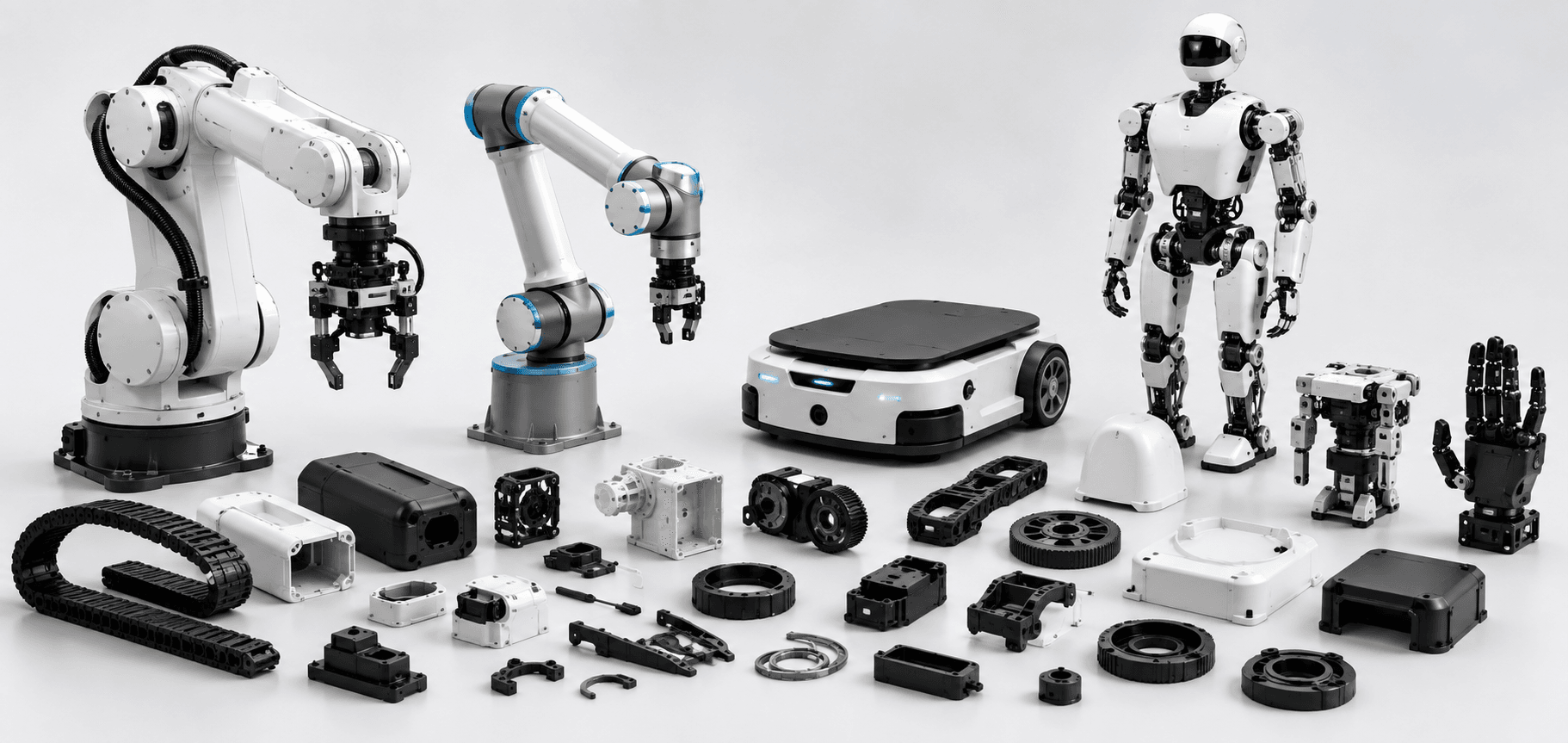
Robotics is rapidly expanding beyond traditional industrial automation into logistics, healthcare, agriculture, inspection, service applications, and increasingly sophisticated humanoid systems. Modern robots combine mechanical structures, electric drives, sensors, cameras, control electronics, batteries, and software into compact machines that must operate accurately and reliably.
Injection molded plastics play an important role in this development.
Robot manufacturers use engineered plastic components to reduce weight, protect electronics, manage cables, reduce friction and noise, improve appearance, electrically isolate components, and integrate complex mechanical features into fewer parts.
Compared with machined metal components, injection molding can integrate ribs, snap fits, bearing seats, cable channels, mounting bosses, sealing grooves, ventilation structures, and cosmetic surfaces into a single component. This is particularly valuable when robot production moves from prototypes into medium- or high-volume manufacturing.
The International Federation of Robotics covers both industrial and service robots, including mobile robots used in professional applications, while major robotics suppliers now offer portfolios spanning industrial robots, collaborative robots and autonomous mobile robots.
This article examines how injection molded plastic parts are used in robotics, which engineering polymers are suitable, and what mold design and quality-control factors should be considered.
1. Robot Arm Covers and Joint Housings
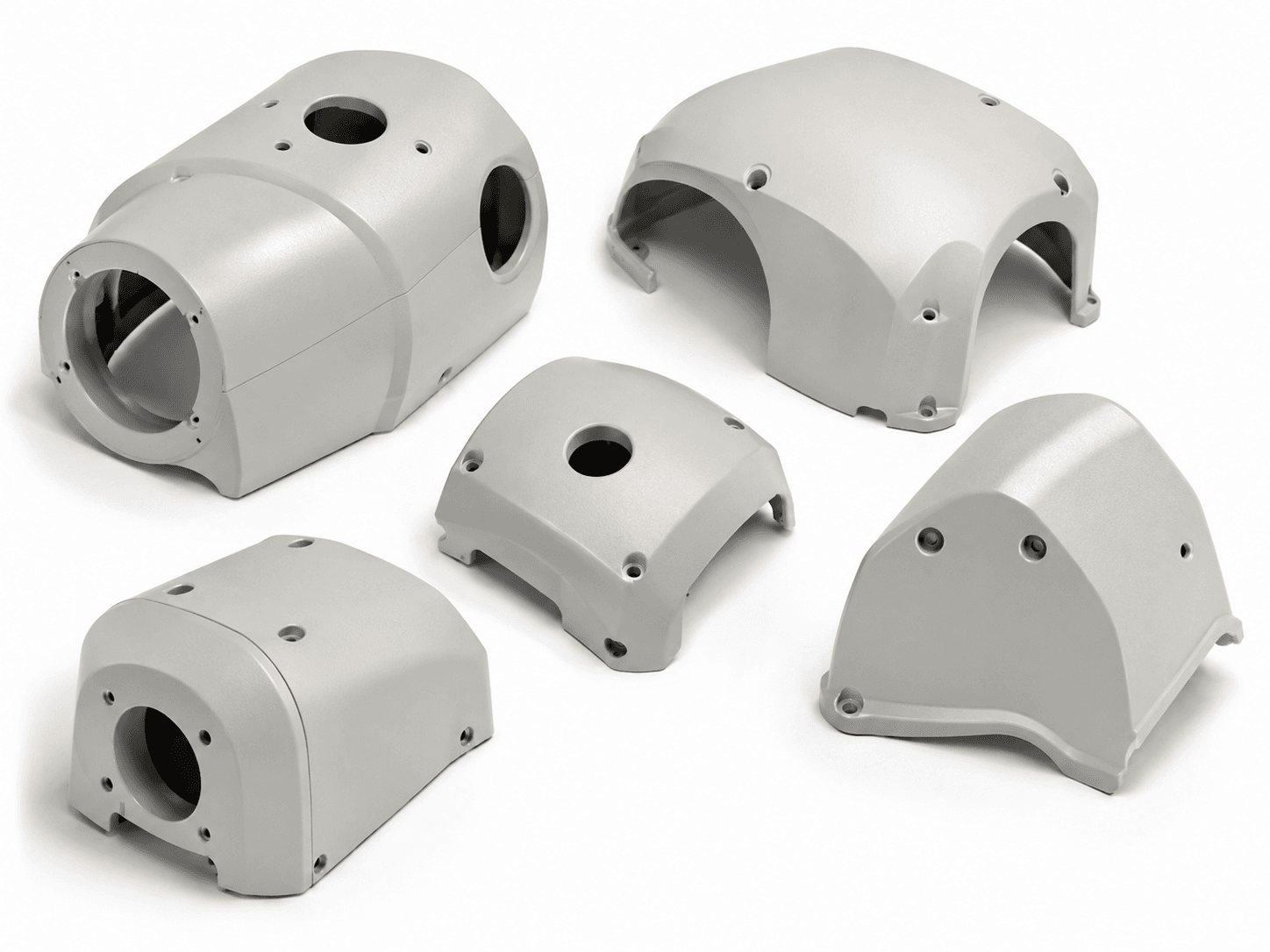
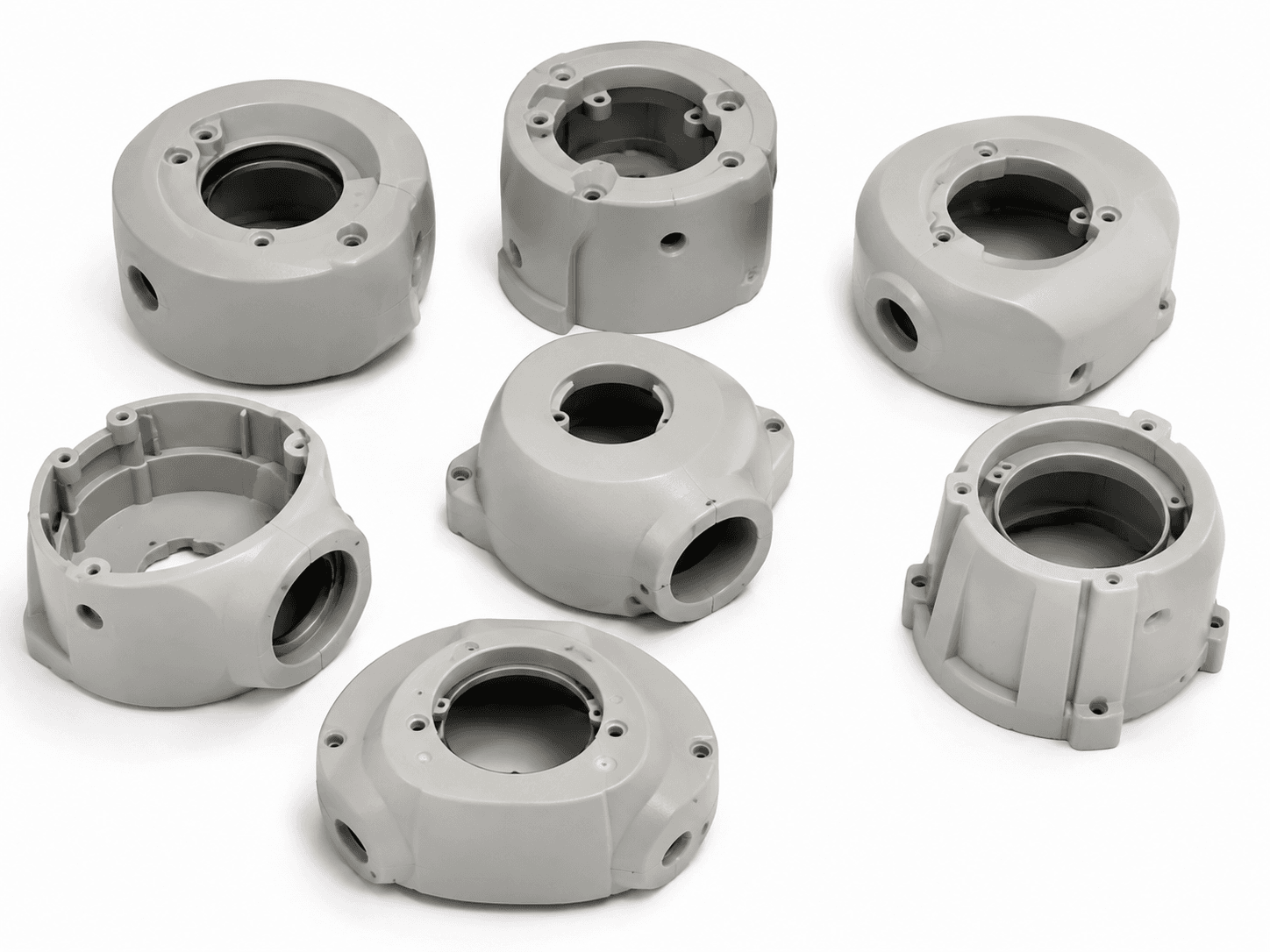
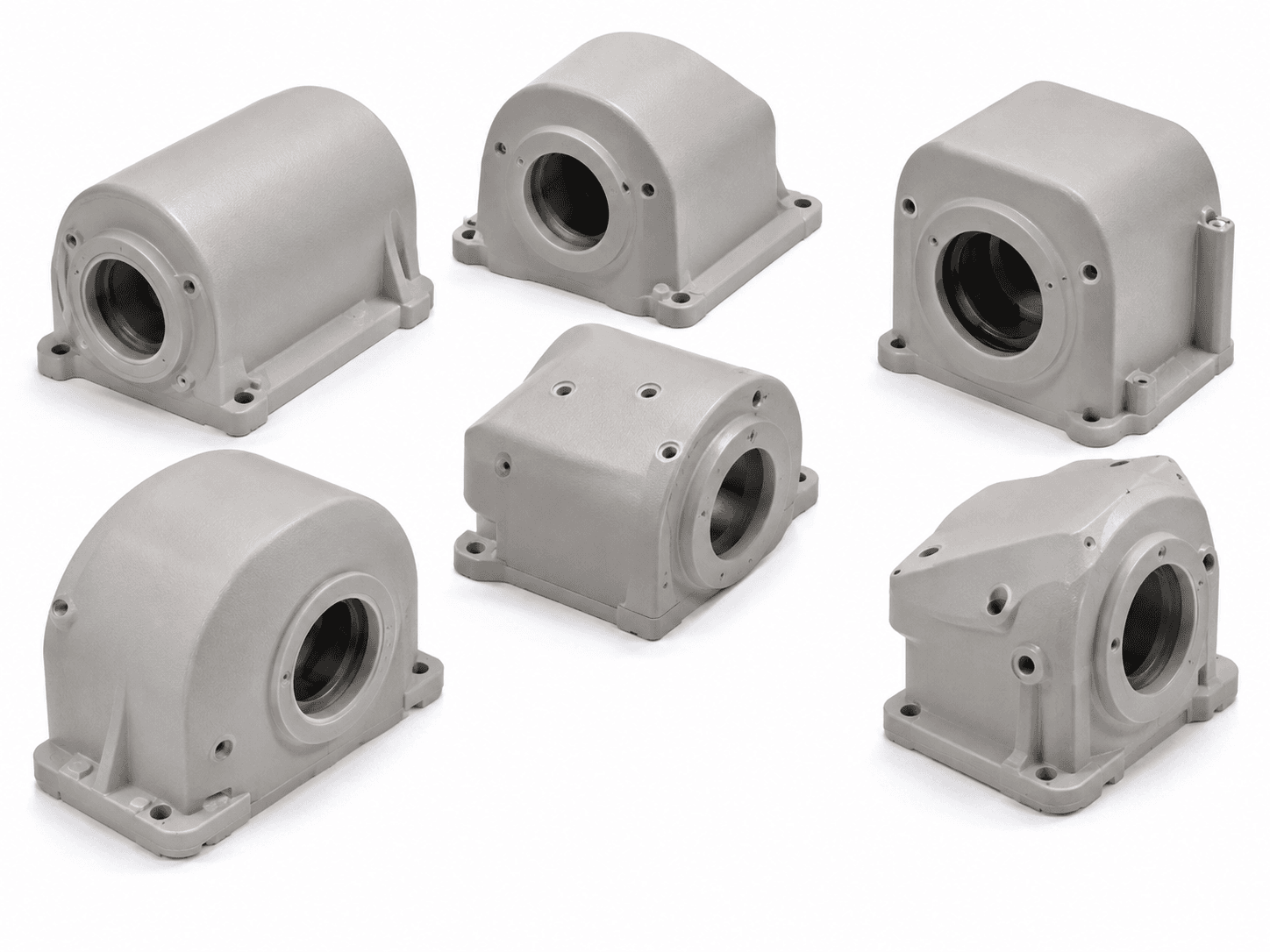
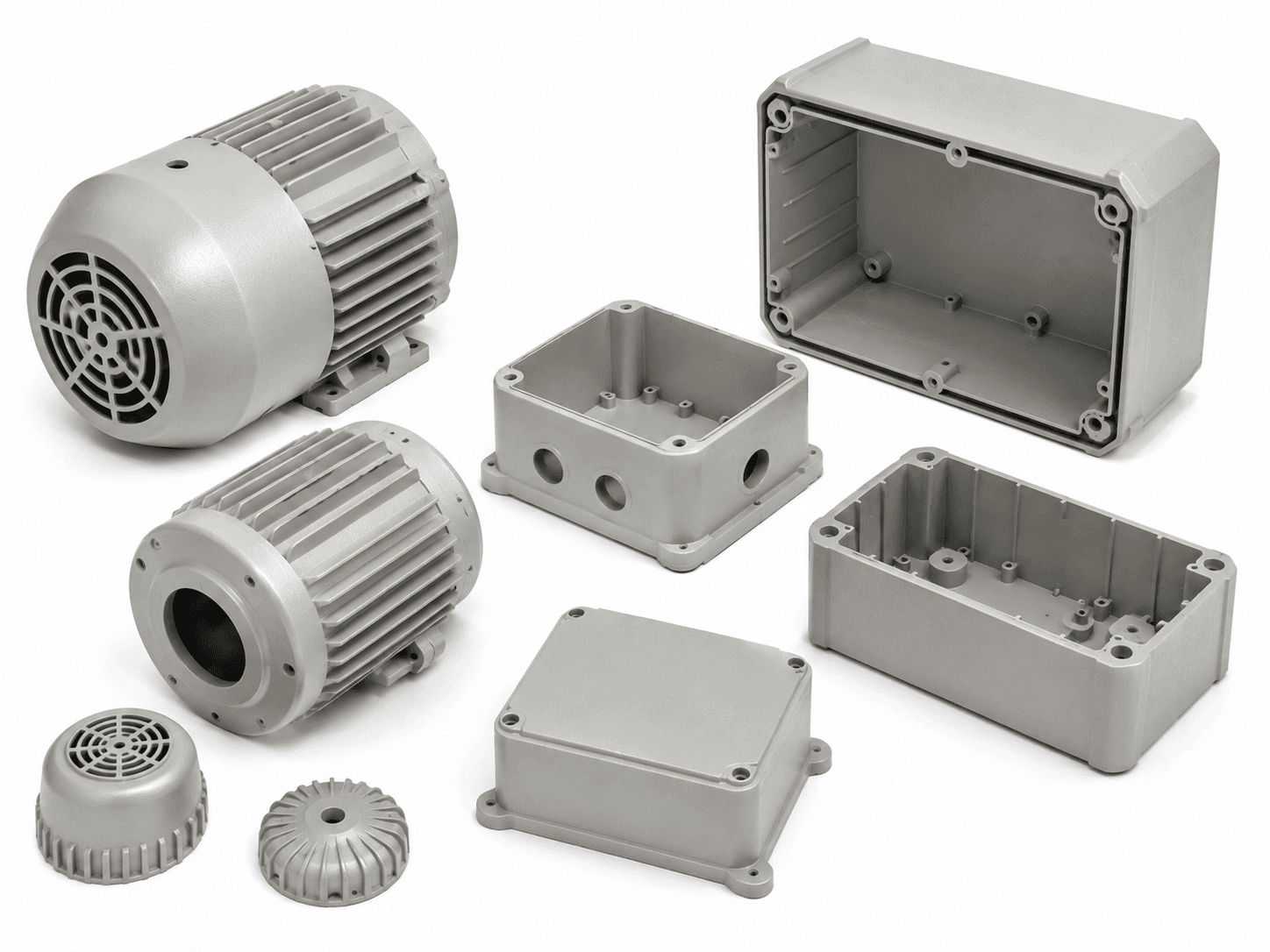
Industrial and collaborative robots contain multiple joints, motors, gearboxes, sensors and cable systems that require protective housings.
Typical injection molded components include:
- Robot arm covers
- Joint covers
- Motor housings
- Gearbox covers
- Base covers
- Electronic control housings
- Decorative exterior shells
Plastic is particularly useful because these covers usually do not need to carry the robot’s primary structural loads.
Reducing housing mass can help decrease the total moving mass of the arm. This is important because excessive weight at moving joints can increase inertia and place additional demands on motors and transmission systems.
การฉีดขึ้นรูป also enables smooth external surfaces and complex curved geometries that would be more difficult or expensive to manufacture from sheet metal.
Robot Housing Material Examples
| ส่วนประกอบ | ข้อกำหนดหลัก | วัสดุที่มีศักยภาพ |
|---|---|---|
| Robot Arm Cover | Lightweight + impact resistance | พีซี/เอบีเอส |
| Joint Housing | ความเสถียรของมิติ | PA-GF |
| Electronics Cover | ฉนวนไฟฟ้า | PC/ABS FR |
| Service Robot Shell | Appearance + toughness | เอบีเอส |
| Outdoor Robot Housing | ทนทานต่อสภาพอากาศ | PC/ASA |


2. Precision Plastic Gears and Transmission Components
Robots rely on highly controlled movement, making gears and transmission systems critical components.
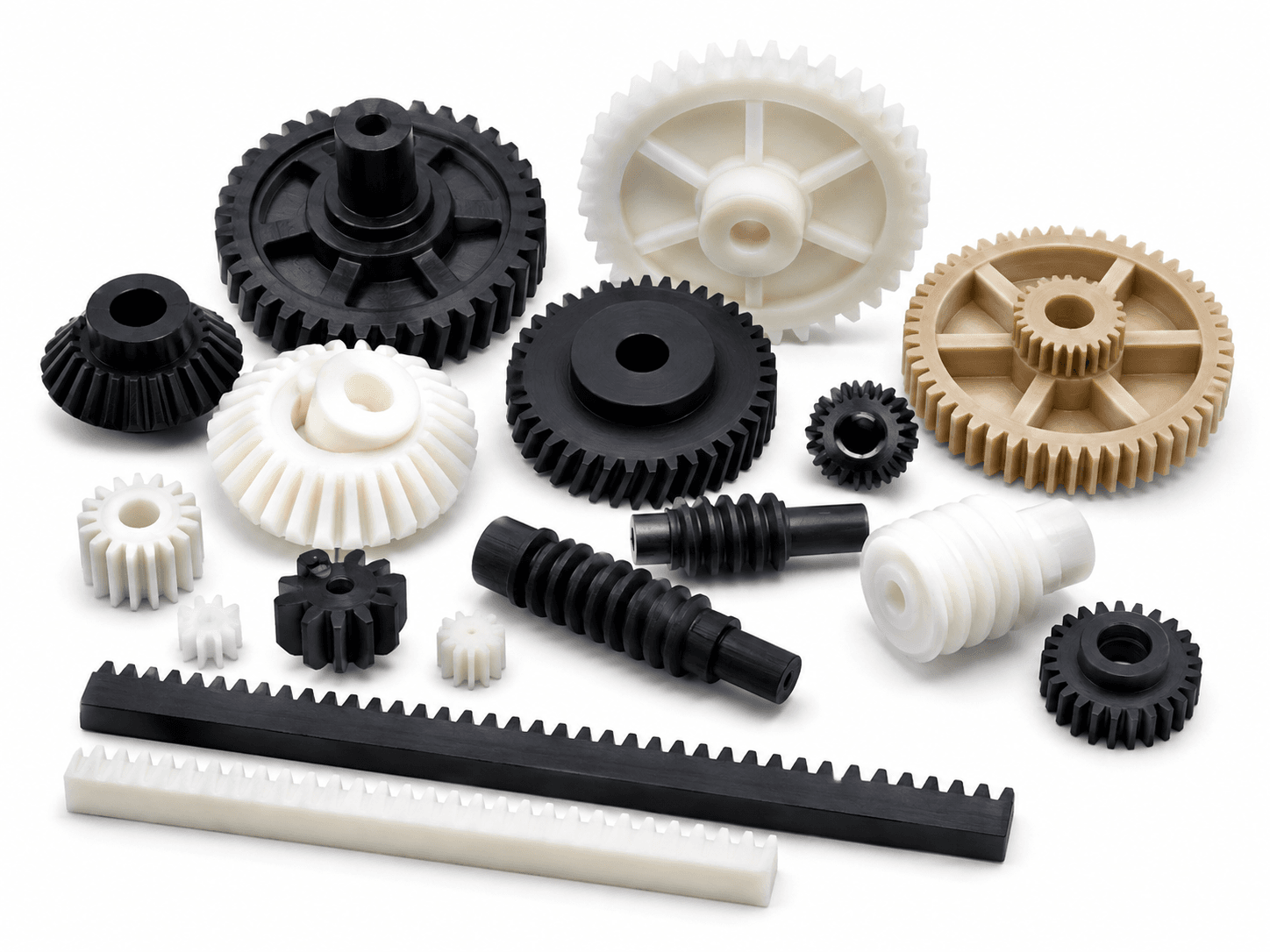
Although high-load robot joints often use metal reducers, plastic gears can be useful in lower-load mechanisms, auxiliary actuators, sensors, grippers and service robots.
Injection molded transmission components can include:
- Spur gears
- Worm gears
- Gear racks
- Small bevel gears
- Encoder gears
- Adjustment mechanisms
- Actuator components
POM is frequently considered for precision mechanical components because of its low friction, dimensional stability and wear characteristics. BASF identifies injection molding as an important processing method for POM and notes its use in sophisticated machine and mechanical components.
Plastic gears can also help reduce operating noise and component weight.

3. Bearings, Bushings, and Low-Friction Components
Robotic joints and mechanisms contain many rotating and sliding interfaces.
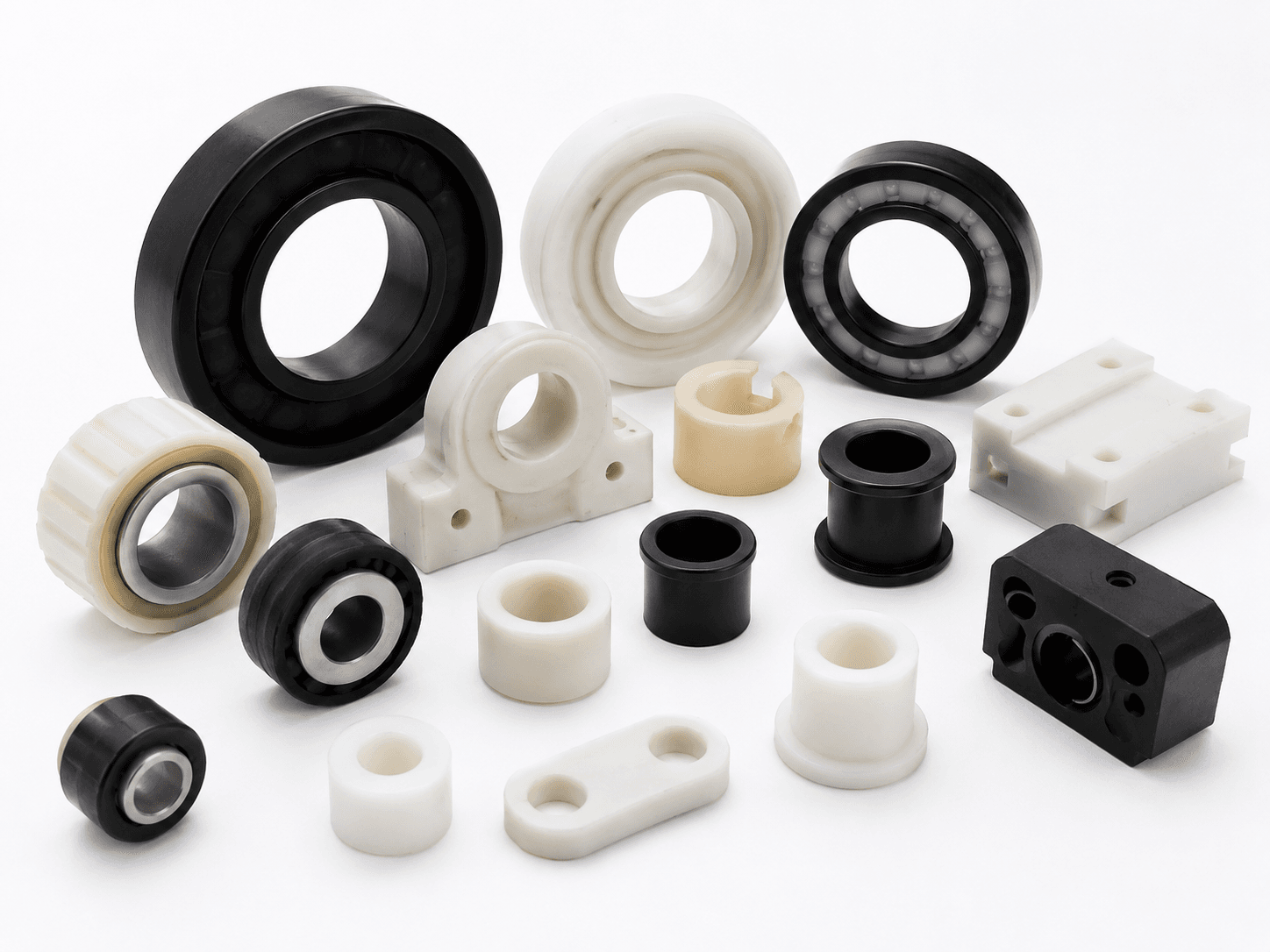
Potential injection molded applications include:
- Bushings
- Plain bearings
- Sliding pads
- Guide blocks
- Linear bearing components
- Rollers
- Pivot components
Specialized polymers can reduce friction and, in suitable applications, eliminate the need for external lubrication.
This is attractive for robots operating in environments where grease contamination should be minimized or maintenance access is difficult.
Polymer bearing technology is already being used in robotic applications. For example, polymer plain bearings have been applied in autonomous logistics robots and robotic gripper systems.
Bearing Design Considerations
| Factor | Engineering Importance |
| Load | Controls bearing pressure |
| Speed | Influences friction and heat |
| Shaft Material | Affects wear behavior |
| Temperature | Changes polymer performance |
| Duty Cycle | Determines expected life |
| Lubrication | Influences material selection |

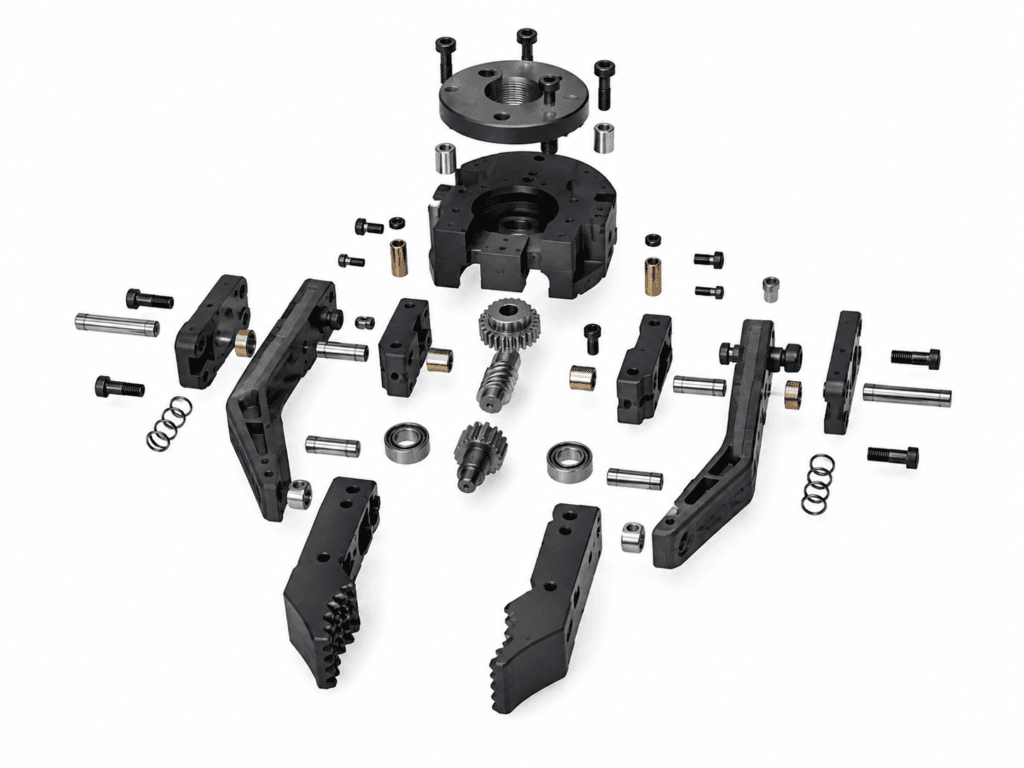
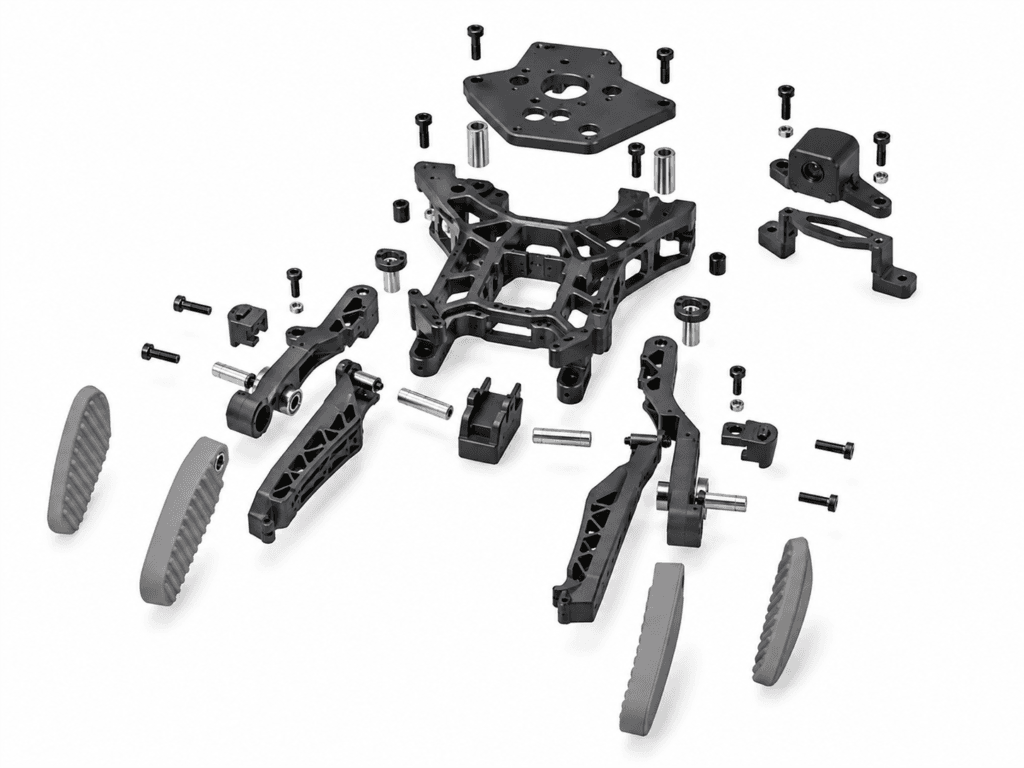
4. Robotic Grippers and End Effectors
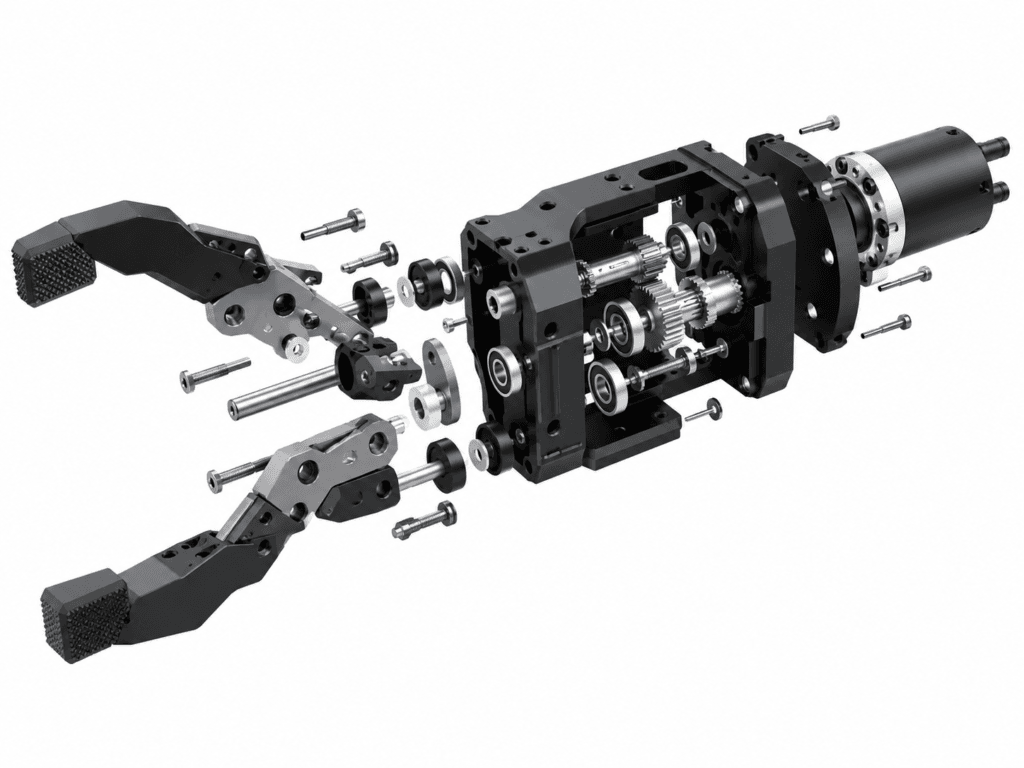
End effectors are one of the most promising areas for engineering plastics because weight at the end of a robot arm has a strong influence on payload and motion performance.
Injection molded components can be used in:
- Parallel grippers
- Finger grippers
- Vacuum gripper structures
- Soft gripping systems
- Tool-change housings
- ขา ญึ่ปุ่น
- Protective pads
Reducing end-effector weight allows more of the robot’s rated payload to be used for the actual workpiece.
Plastic components can also reduce the risk of scratching delicate products.
Robotic grippers using self-lubricating polymer components are already commercially demonstrated, including plastic finger-gripper systems for collaborative robots.
TPE or TPU can also be overmolded onto rigid gripper fingers to create softer contact surfaces.


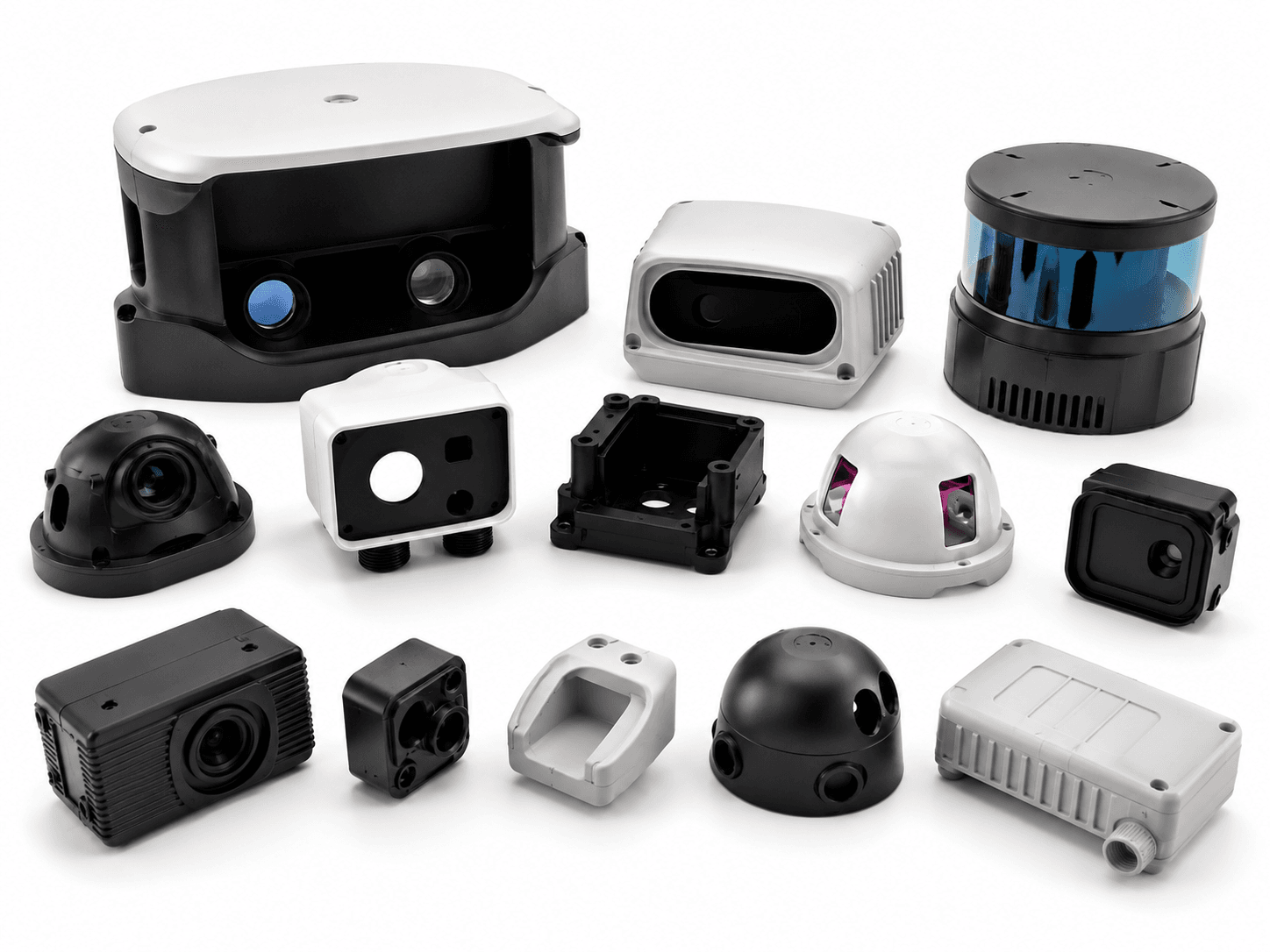
5. Sensor, Camera, and LiDAR Housings
Modern robots depend heavily on machine vision and environmental sensing.
Injection molding is widely suitable for housings around:
- Cameras
- LiDAR sensors
- Ultrasonic sensors
- Proximity sensors
- Force sensors
- Encoders
- IMUs
- Safety sensors
These housings may require tight dimensional tolerances because sensor alignment can directly influence system performance.
Important design features can include:
- Precise mounting datums
- Optical openings
- PCB bosses
- Cable routing
- Gasket grooves
- Snap-fit assembly
- EMI shielding provisions
Transparent PC may be considered for some protective windows, while ABS, PC/ABS, PBT and reinforced engineering plastics can be used for structural housings depending on the application.

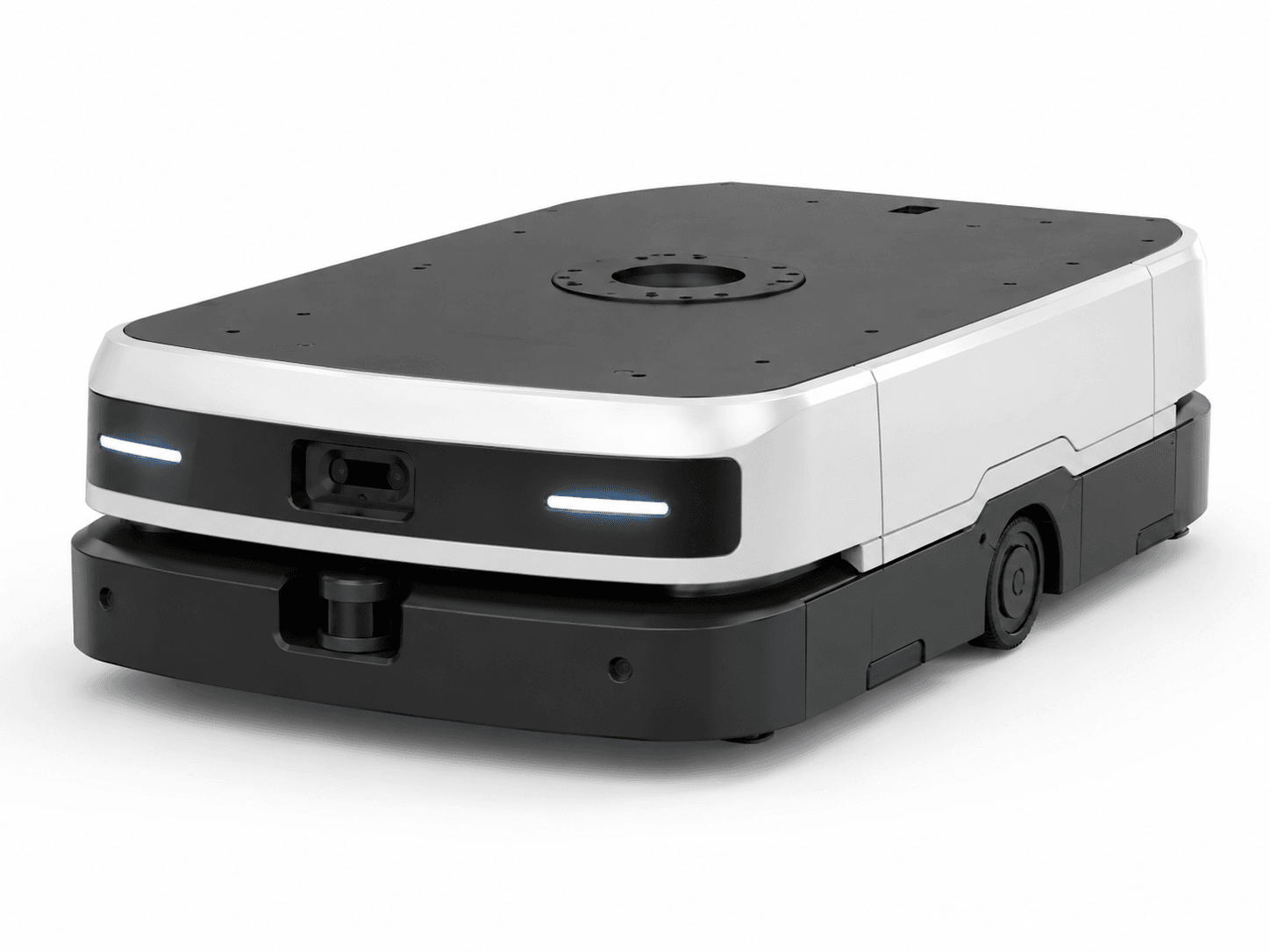
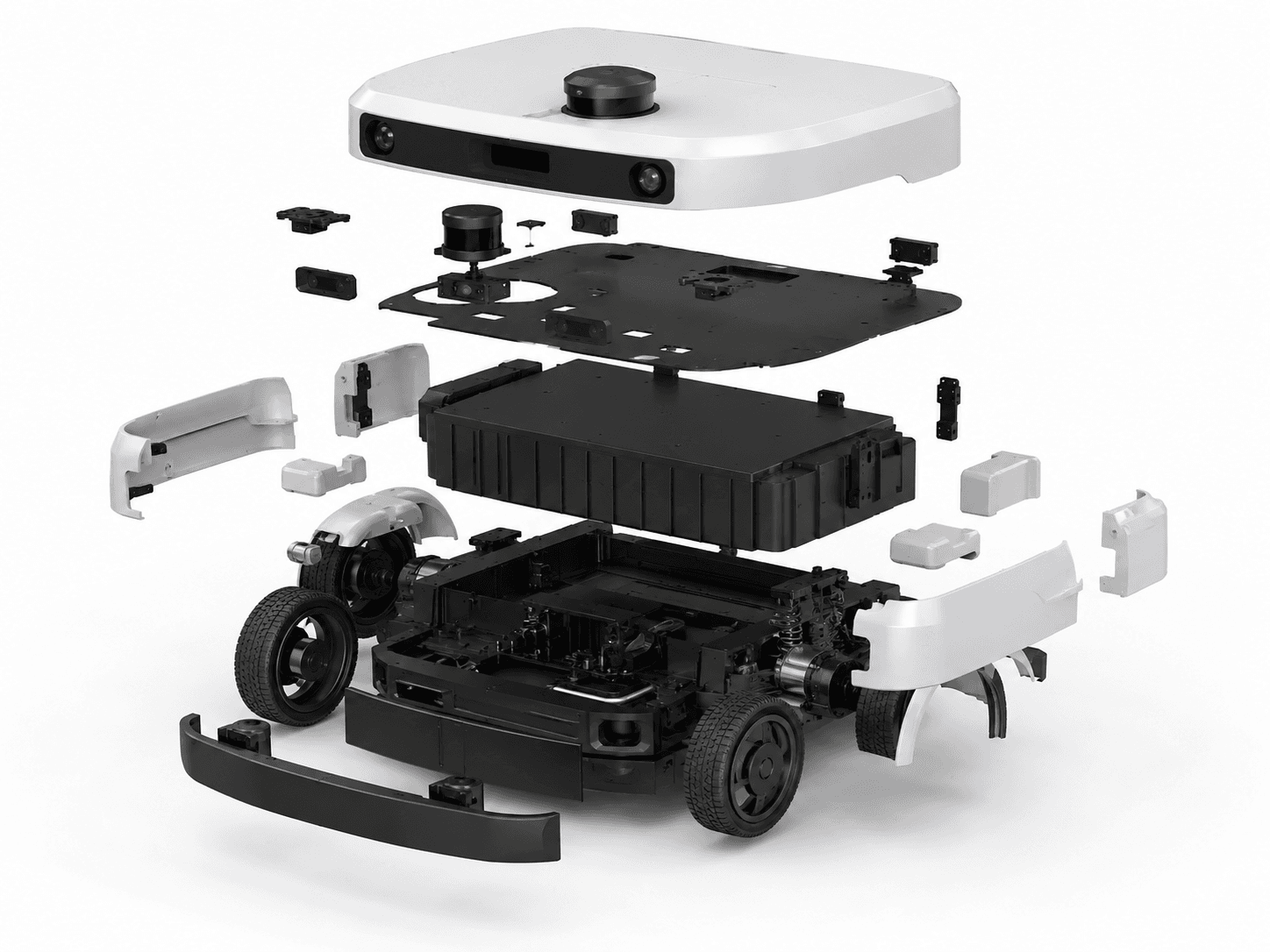
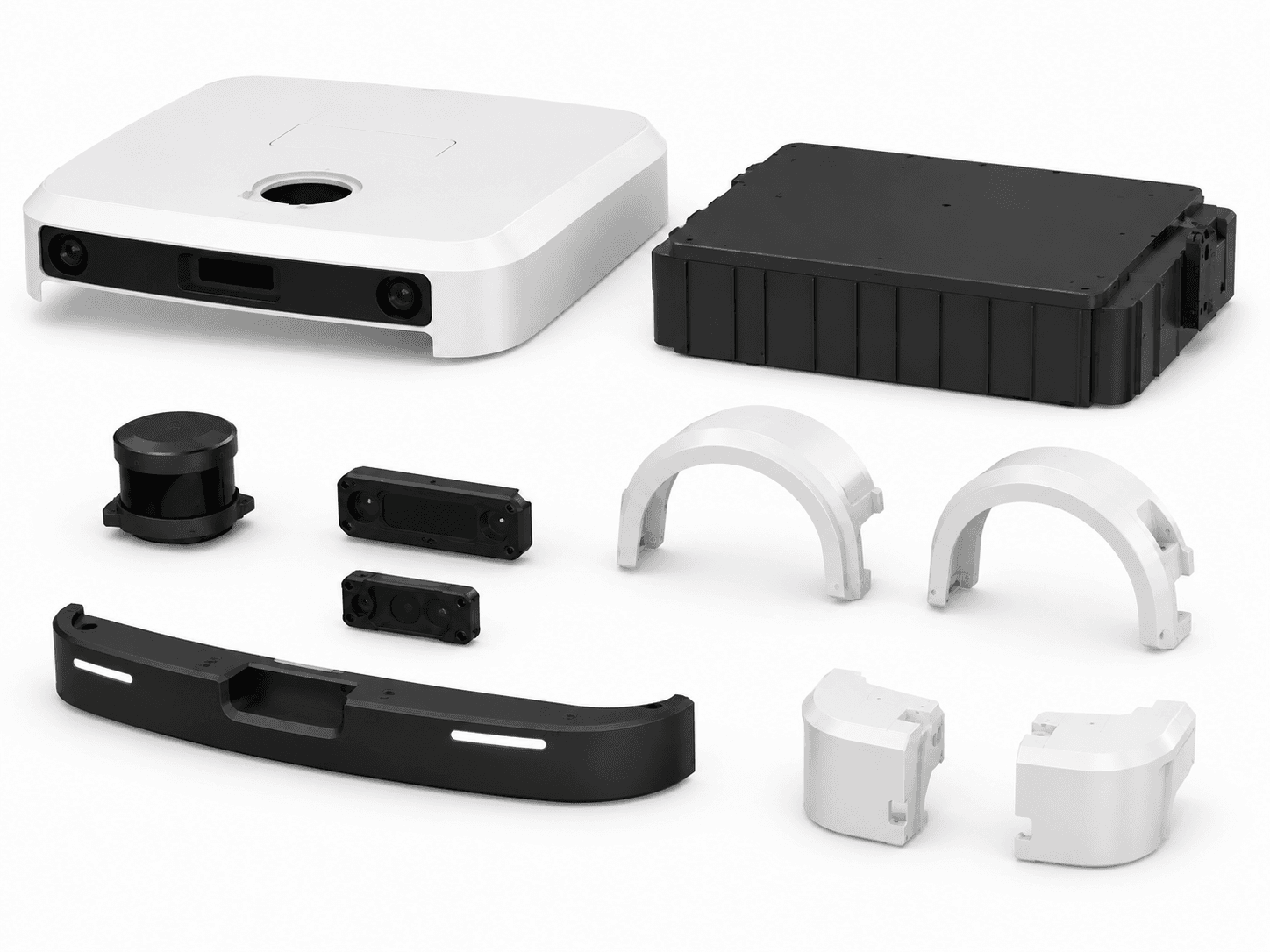
6. Autonomous Mobile Robot Components
Autonomous Mobile Robots (AMRs) are increasingly used for logistics, warehouse automation and material movement.
Typical injection molded parts include:
- Outer body panels
- ฝาครอบเซ็นเซอร์
- Wheel guards
- Battery housings
- Control enclosures
- Handles
- อุปกรณ์จัดเก็บสายไฟ
- Bumpers
Large AMR panels need to be lightweight while remaining sufficiently rigid.
Ribs, curved surfaces and reinforced mounting structures can improve stiffness without unnecessarily increasing wall thickness.
Impact-resistant plastics are particularly important because mobile robots may experience accidental collisions during service.
AMR Component Requirements
| ส่วนประกอบ | ข้อกำหนดหลัก |
| Outer Housing | Impact + appearance |
| Sensor Cover | Dimensional precision |
| ฝาครอบแบตเตอรี่ | Strength + electrical protection |
| Wheel Guard | Toughness |
| Bumper | Impact absorption |
| Control Housing | ฉนวนไฟฟ้า |


Start Your Custom Injection Molding Project
Send Us Your RFQ for a Fast Evaluation
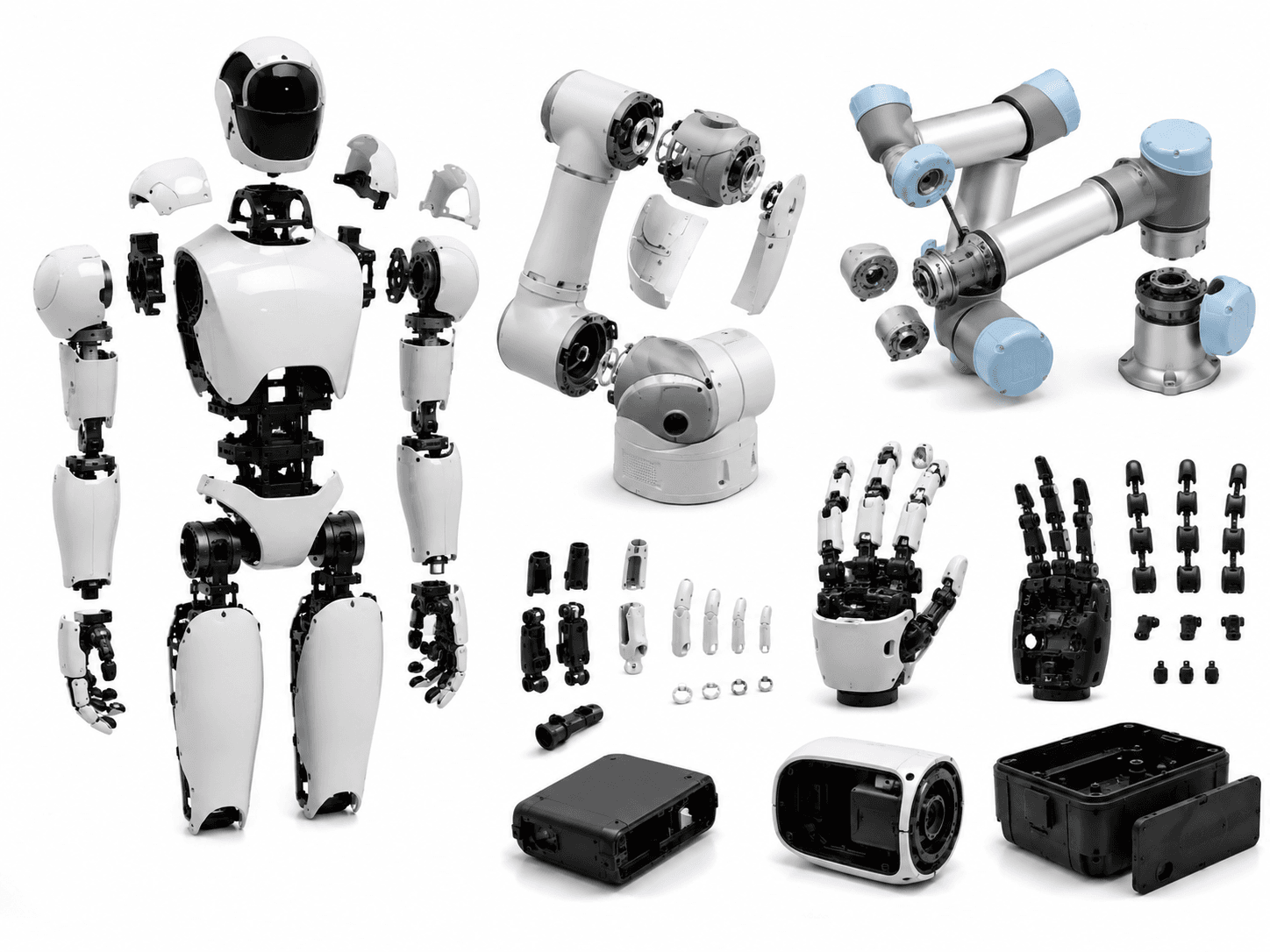
7. Collaborative and Humanoid Robot Plastic Components
Collaborative and humanoid robots place particularly strong emphasis on lightweight construction and external surface design.
Potential injection molded applications include:
- Arm shells
- Shoulder covers
- Joint covers
- Hand components
- Finger structures
- Head housings
- Electronic enclosures
- Cable guides
- ฝาครอบป้องกัน
Because these robots may operate near people, external housings also need smooth geometry and carefully controlled edges.
High-performance polymers can be used even in demanding robotic structures. For example, SABIC has documented PEI-based components used in surgical robot wrist and arm-base applications where stiffness and precision are important.

8. Cable Management and Protective Components
Robots contain moving power, signal, pneumatic and data cables.
Reliable cable management is essential because repeated bending can create fatigue or interfere with robot movement.
Injection molded components can include:
- คลิปหนีบสายไฟ
- Cable guides
- Strain-relief components
- ตัวเรือนคอนเนคเตอร์
- Protective sleeves
- Routing brackets
PA and other tough engineering plastics are suitable candidates where repeated flexing and mechanical durability are important.
These parts are often small, making multi-cavity molds practical for higher-volume production.
9. Engineering Plastics for Robot Components
Robot applications require materials with different combinations of stiffness, impact resistance, wear performance and dimensional stability.
| วัสดุ | Main Advantage | Robot Application |
| เอบีเอส | Appearance + cost efficiency | Exterior shells |
| พีซี/เอบีเอส | Impact + dimensional stability | Robot housings |
| PA66-GF | High stiffness | Structural brackets |
| POM | Low friction + wear resistance | Gears and bushings |
| PBT | คุณสมบัติทางไฟฟ้า | Connectors and sensors |
| PPS | Heat and chemical resistance | High-performance components |
| TPU/TPE | Flexibility | Grippers and bumpers |
| PC/ASA | ทนทานต่อสภาพอากาศ | Outdoor robots |
Engineering polyamides are available with combinations of mechanical strength, durability and thermal stability suitable for demanding industrial applications.
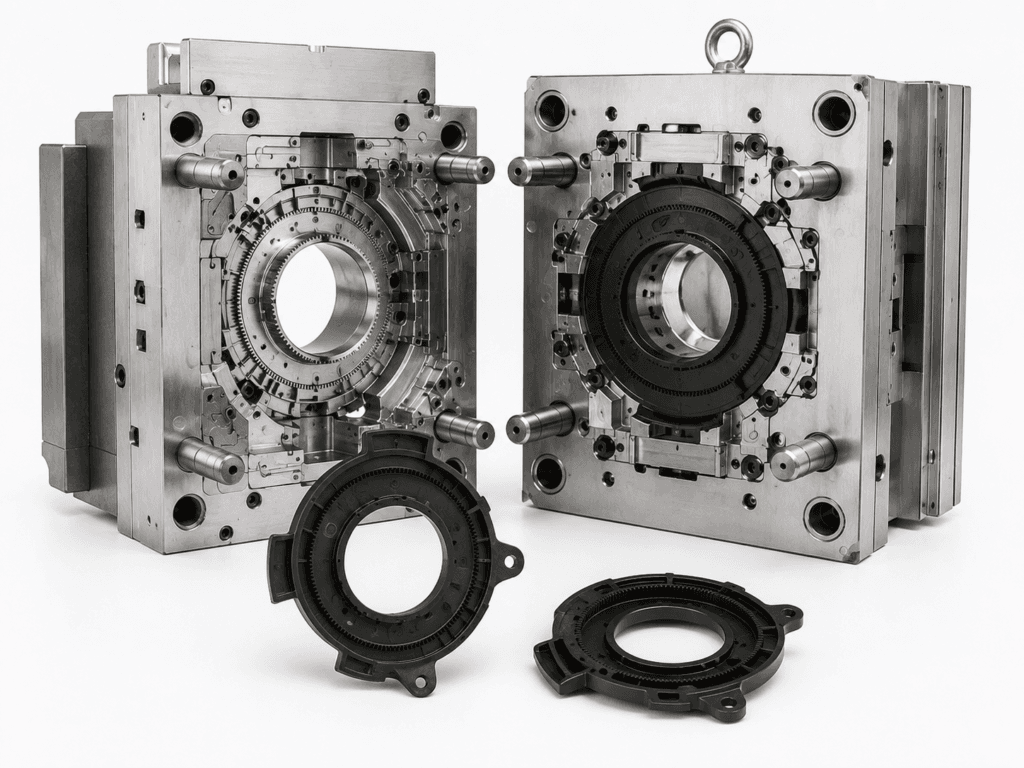
10. Injection Mold Design for Robot Components
Robot components often require tighter dimensional control than conventional consumer housings.
Important tooling considerations include:
Dimensional Accuracy
Joint interfaces, sensor positions, bearing seats and gearbox locations may require precise tolerances.
Warpage Control
Long robot-arm covers and large AMR housings can deform if gate location or cooling is poorly designed.
Fiber Orientation
For PA-GF components, fiber orientation can significantly influence shrinkage and dimensional behavior.
Insert Molding
Metal threaded inserts, shafts and reinforcement pieces can be integrated directly into molded components.
Surface Quality
Visible robot shells may require VDI textures, matte finishes or polished surfaces.
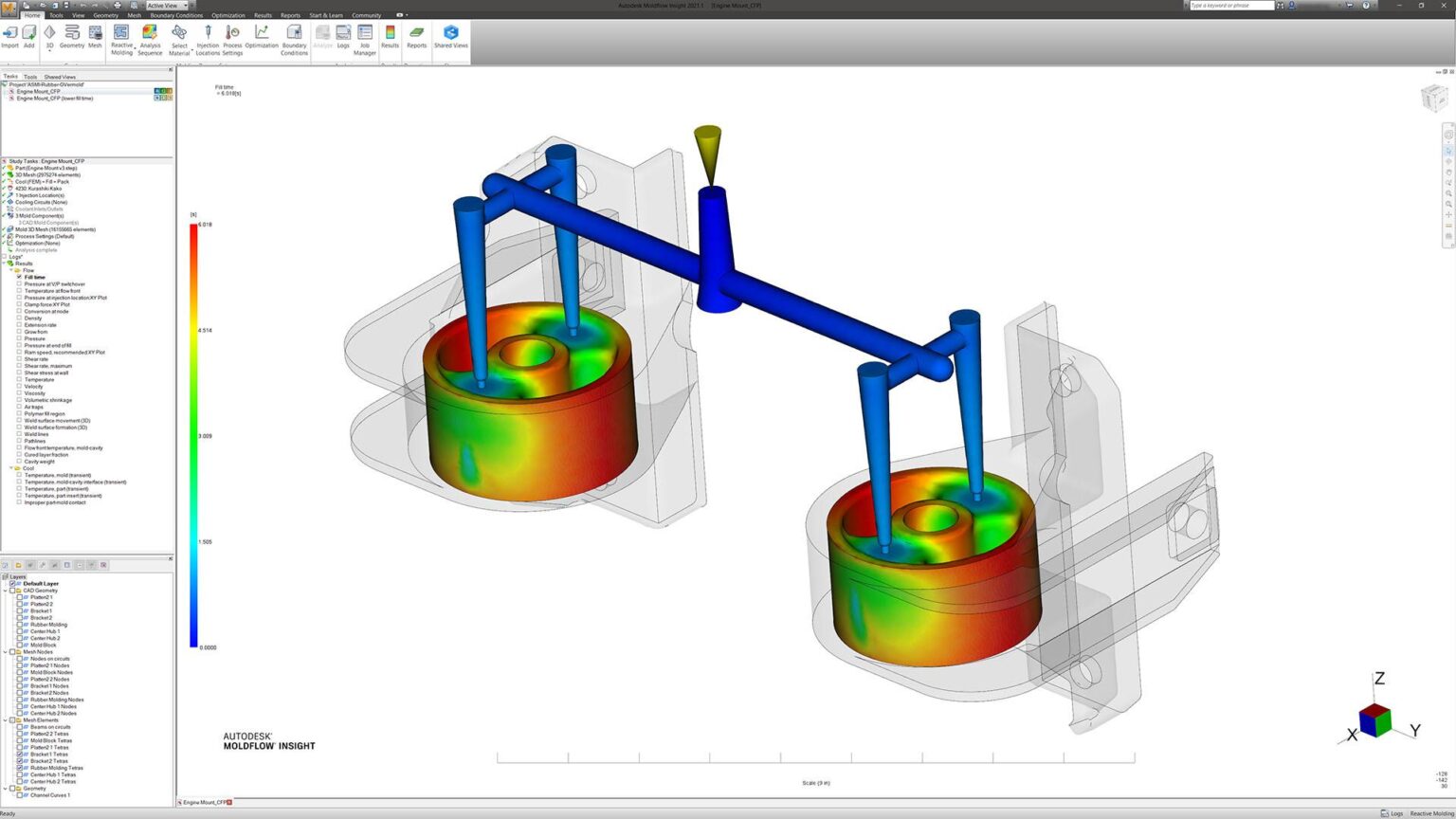
Moldflow can be used to evaluate filling, cooling and warpage before final tooling decisions are made. Autodesk states that Moldflow provides material-flow, cooling and warpage analysis for injection molding.

11. Quality Control and Robot Safety
Robotic components may operate through millions of repeated motion cycles, making dimensional stability and durability critical.
Typical testing methods include:
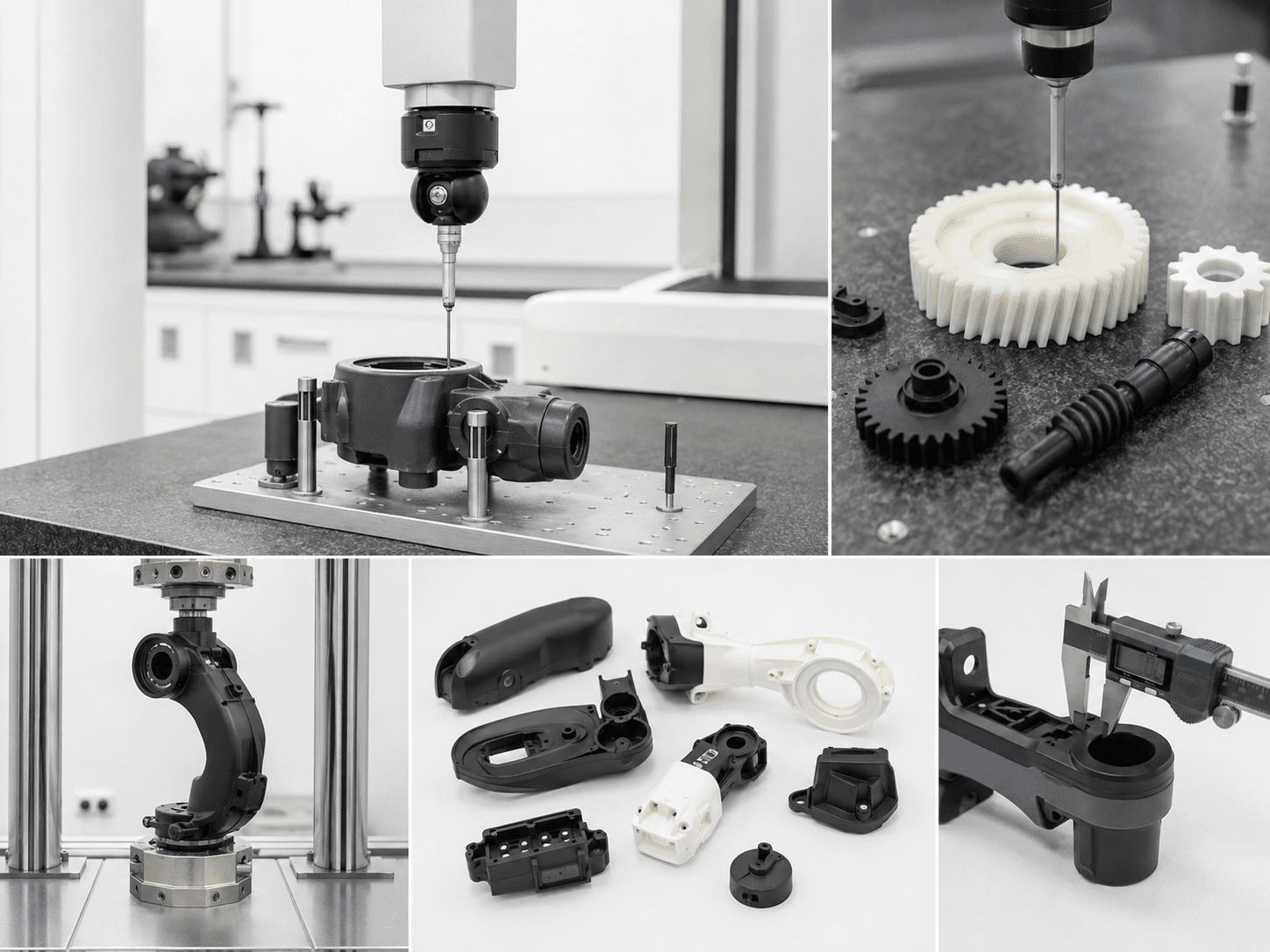
- CMM dimensional inspection
- Gear profile measurement
- Bearing wear testing
- Torque testing
- Fatigue testing
- Impact testing
- Assembly verification
- Thermal cycling
- Functional life-cycle testing
Industrial robot safety is addressed internationally through ISO 10218. ISO published updated editions of ISO 10218-1 and ISO 10218-2 in 2025, covering industrial robots and industrial robot applications/robot cells respectively.
A plastic component should therefore be evaluated not only for moldability but also for its role in the complete robotic system.

Why Choose Samgo for Robot Injection Molding?
Robot product development requires close cooperation between mechanical design, material engineering, tooling and production.
Samgo supports robotic plastic components from initial engineering review through mass production.
| Capability | Customer Benefit |
| Product Design Support | Optimize robot structures |
| DFM Analysis | Identify manufacturing risks |
| การเลือกวัสดุ | Balance weight and performance |
| Moldflow Simulation | Control filling and warpage |
| Precision Mold Manufacturing | Improve assembly accuracy |
| Insert / Overmolding | Integrate multiple materials |
| Quality Inspection | Verify critical dimensions |
Applications can include industrial robots, collaborative robots, AMRs, robot grippers, service robots, humanoid robots, sensor systems and custom automation equipment.
Frequently Asked Questions
Why are plastics used in robots?
Engineering plastics can reduce weight, provide electrical insulation, lower friction, reduce noise and integrate complex features into fewer components.
Which plastic is suitable for robot gears?
POM and engineering nylons are common candidates for lower- and medium-load plastic gear applications. Actual suitability depends on torque, speed, temperature, duty cycle and expected service life.
Can structural robot parts be injection molded?
Yes, particularly secondary structural components, brackets, housings and reinforced interfaces. Glass-fiber-reinforced engineering plastics can provide high stiffness, although primary high-load robot structures may still require metal.
Can injection molding be used for humanoid robots?
Yes. Humanoid robots can use molded plastics for exterior shells, hand components, joint covers, electronic housings, cable-management components and selected structural parts.
Conclusion
Injection molded plastics are becoming increasingly important in modern robotics as manufacturers seek lighter, quieter, more compact and more cost-effective mechanical systems.
Applications extend far beyond decorative covers. Engineering plastics can be used for robot arm housings, joint covers, gears, bearings, grippers, sensor enclosures, cable-management systems, AMR body components and increasingly sophisticated service and humanoid robot parts.
Successful robot injection molding requires a different engineering approach from ordinary consumer products. Weight, moving inertia, wear, friction, dimensional precision, sensor alignment, fatigue life and structural stiffness must all be evaluated.
As robot production volumes increase, injection molding becomes particularly attractive because complex functional geometry can be manufactured repeatedly at a lower unit cost than many machining-based processes.
Through DFM analysis, material selection, Moldflow simulation, precision tooling, insert molding, controlled injection molding and dimensional validation, manufacturers can develop high-performance plastic components that support the next generation of industrial, collaborative, mobile and humanoid robots.
รับราคาล่าสุด? เราจะตอบกลับโดยเร็วที่สุด (ภายใน 12 ชั่วโมง)

ประเภทของประตูฉีดขึ้นรูปพลาสติก: การเลือก หลักการออกแบบ ข้อดี และการใช้งาน
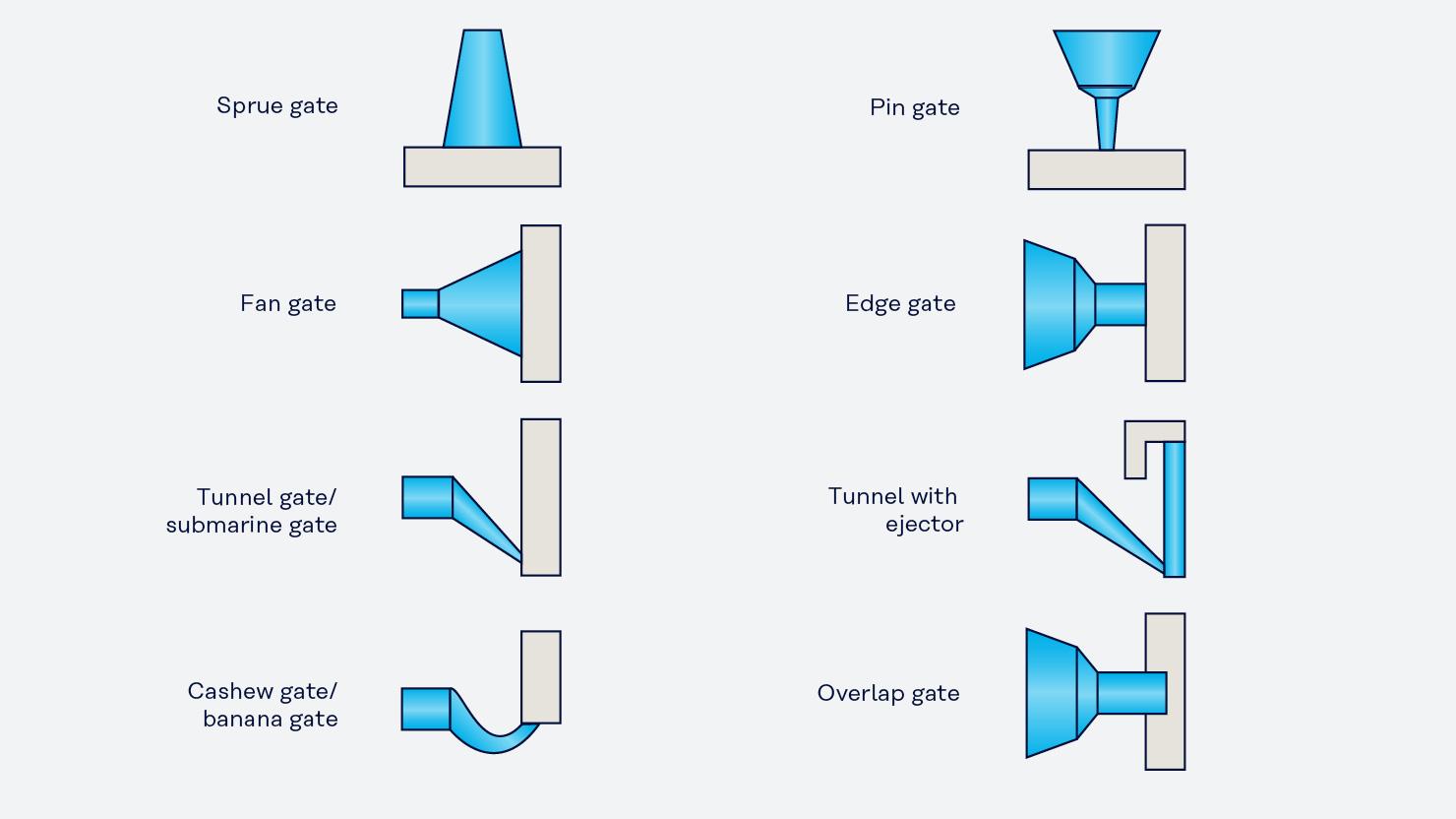
การออกแบบเกตเป็นหนึ่งในแง่มุมที่สำคัญที่สุดของวิศวกรรมแม่พิมพ์ฉีดพลาสติก แม้ว่าเกตมักจะเป็นส่วนประกอบที่เล็กที่สุดในระบบรันเนอร์ แต่ก็มีอิทธิพลอย่างมากต่อการไหลของพลาสติกหลอมเหลว แรงดันอัด ประสิทธิภาพการหล่อเย็น ความ วามงามของชิ้นงาน เวลาในรอบการผลิต และคุณภาพโดยรวมของผลิตภัณฑ์.
ประตูฉีดที่ออกแบบมาไม่ดีอาจทำให้เกิดข้อบกพร่องในการขึ้นรูปจำนวนมาก รวมถึงรอยเติมไม่เต็ม รอยยุบ แนวประสาน รอยเจ็ทติ้ง รอยไหม้ ติ่งประตูฉีดที่,มากเกินไป และการบิดงอของชิ้นงาน ในทางกลับกัน การเลือกประเภทและตำแหน่งของประตูฉีดที่เหมาะสมจะช่วยให้มั่นใจได้ถึงการไหลเติมที่สมดุล ความแม่นยำด้านมิติที่สม่ำเสมอ และการผลิตที่มีประสิทธิภาพ.
วัสดุโพลีโพรพีลีน (PP): ประเภท เกรด คุณสมบัติ และการใช้งาน
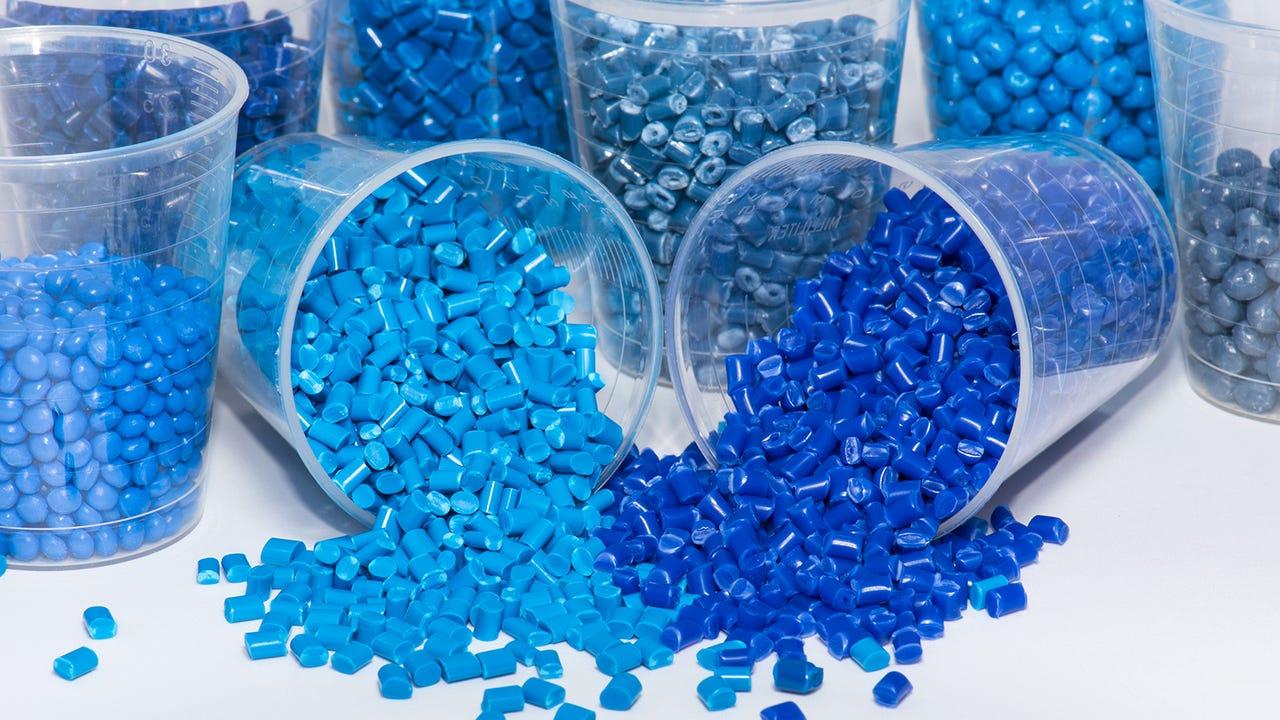
โพลีโพรพีลีน (PP) เป็นหนึ่งในเทอร์โมพลาสติกที่มีการใช้งานมากที่สุดในโลก โดยคิดเป็นสัดส่วนสำคัญของการผลิตพลาสติกทั่วโลก ด้วยความสมดุลที่ยอดเยี่ยมของสมบัติเชิงกล ความทนทานต่อสารเคมี ลักษณะที่มีน้ำหนักเบา และความคุ้มค่าด้านต้นทุน ทำให้ PP กลายเป็นวัสดุที่ได้รับความนิยมสำหรับผลิตภัณฑ์ขึ้นรูปด้วยการฉีดนับไม่ถ้วนในอุตสาหกรรมยานยนต์ ของEใช้ในครัวเรือน การแพทย์ บรรจุภัณฑ์ เครื่องใช้ไฟฟ้า และงานอุตสาหกรรม.
โพลีโพรพีลีนสมัยใหม่มีจำหน่ายในเกรดและสูตรที่หลากหลาย ผู้ผลิตสามารถเลือกใช้โฮโมพอลิเมอร์ PP, แรนดอมโคพอลิเมอร์ PP, อิมแพคโคพอลิเมอร์ PP, PP เสริมใยแก้ว, PP ผสมแร่, PP หน่วงไฟ, PP ทนรังสียูวี และ PP เกรดอาหาร ขึ้นอยู่กับความต้องการของผลิตภัณฑ์.
การวิเคราะห์การไหลของแม่พิมพ์ฉีดพลาสติก: คู่มือฉบับสมบูรณ์สำหรับการจำลองโมลด์โฟลสำหรับชิ้นส่วนพลาสติก
ในการพัฒนาผลิตภัณฑ์พลาสติกสมัยใหม่ การผลิตแม่พิมพ์ไม่ได้อาศัยเพียงแค่ประสบการณ์ทางวิศวกรรมอีกต่อไป วิศวกรรมโดยใช้คอมพิวเตอร์เป็นสื่อ (CAE) ได้กลายเป็นส่วนสำคัญของกระบวนการฉีดขึ้นรูป ซึ่งช่วยให้วิศวกรสามารถคาดการณ์ข้อบกพร่องในการขึ้นรูปที่อาจเกิดขึ้นได้ก่อนที่จะมีการผลิตแม่พิมพ์ขึ้นมา ในบรรดาเทคโนโลยีเหล่านี้ การวิเคราะห์การไหลของแม่พิมพ์ฉีด ซึ่งมักเรียกว่า การวิเคราะห์ Moldflow เป็นหนึ่งในเครื่องมือทางวิศวกรรมที่มีคุณค่ามากที่สุดในการช่วยลดความเสี่ยงในการพัฒนา ย่นระยะเวลาดำเนินการ และปรับปรุงคุณภาพของชิ้นงาน.
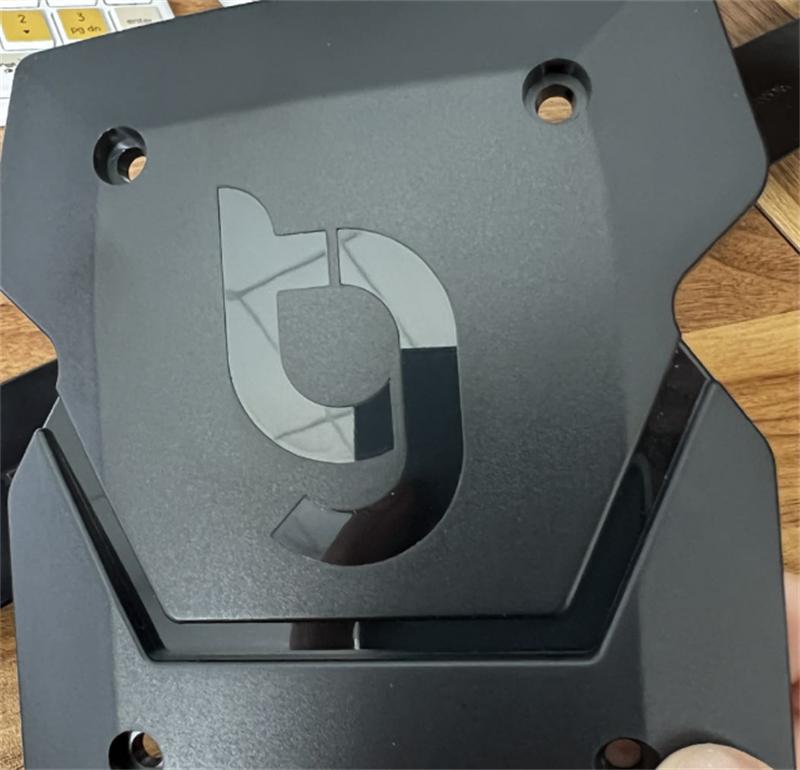
โลโก้ขึ้นรูปด้วยการฉีดพลาสติก: คู่มือฉบับสมบูรณ์สำหรับการออกแบบโลโก้ วิธีการผลิต และแนวปฏิบัติที่ดีที่สุดสำหรับชิ้นส่วนพลาสติก
เอกลักษณ์ของแบรนด์คือหนึ่งในทรัพย์สินที่มีค่าที่สุดสำหรับทุกบริษัท ไม่ว่าจะผลิตสินค้าอิเล็กทรอนิกส์สำหรับผู้บริโภค, อุปกรณ์ทางการแพทย์, ชิ้นส่วนยานยนต์, อุปกรณ์อุตสาหกรรม หรือผลิตภัณฑ์กลางแจ้ง การแสดงโลโก้ที่เป็นมืออาชีพบนผลิตภัณฑ์จะช่วยเสริม การจดจำแบรนด์, สร้างความมั่นใจให้กับลูกค้า และสร้างความแตกต่างให้กับผลิตภัณฑ์ในตลาดที่มีการแข่งขันสูง.
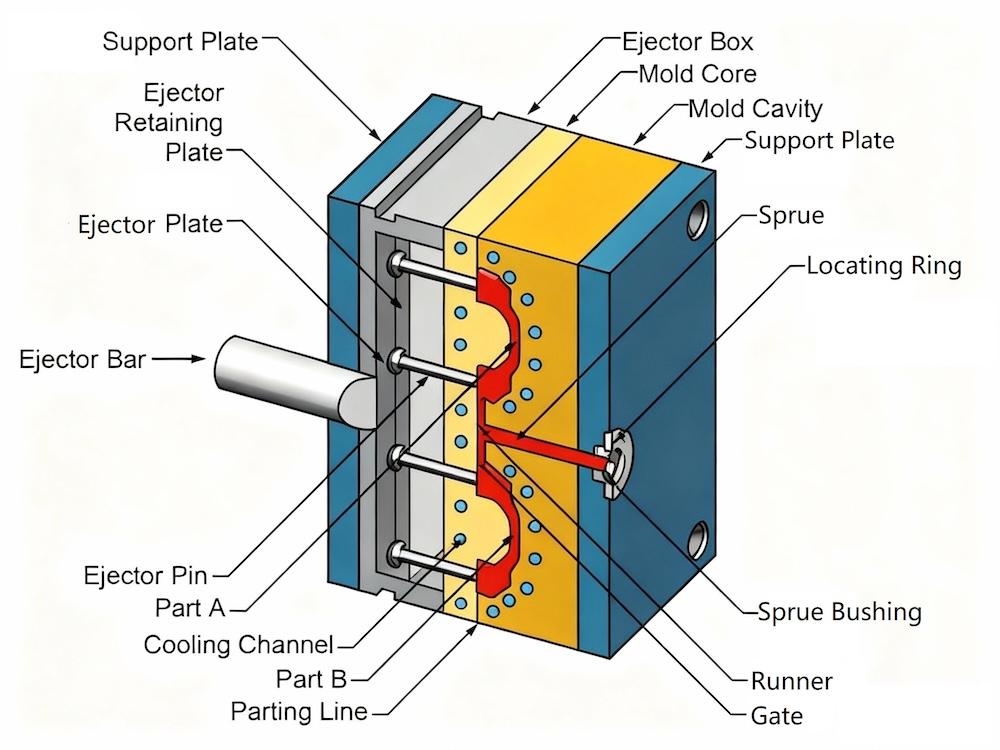
คำอธิบายโครงสร้างแม่พิมพ์ฉีดพลาสติก: คู่มือฉบับสมบูรณ์เกี่ยวกับชิ้นส่วนและการออกแบบแม่พิมพ์พลาสติก
การฉีดขึ้นรูปพลาสติกเป็นหนึ่งในกระบวนการผลิตที่มีประสิทธิภาพมากที่สุดสำหรับการผลิตชิ้นส่วนพลาสติกคุณภาพสูงที่มีความแม่นยำและความสามารถในการทำซ้ำเป็นเลิศ อย่างไรก็ตาม คุณภาพของผลิตภัณฑ์ที่ขึ้นรูปแต่ละชิ้นส่วนใหญ่ขึ้นอยู่กับการออกแบบและการสร้างแม่พิมพ์ฉีดเอง แม่พิมพ์ที่ได้รับการวิศวกรรมมาอย่างดีเป็นมากกว่าแค่ก้อนเหล็ก แต่เป็นระบบกลไกที่ซับซ้อนซึ่งควบคุมการไหลของพลาสติกหลอมเหลว การระบายความร้อน การดีดชิ้นงานออก ความแม่นยำด้านมิติ และประสิทธิภาพการผลิต.
แม่พิมพ์ฉีดมักประกอบด้วยชิ้นส่วนที่ตัดแต่งขึ้นรูปอย่างแม่นยำหลายสิบหรือหลายร้อยชิ้นซึ่งทำงานร่วมกันตลอดทุกรอบการฉีดขึ้นรูป ชิ้นส่วนแต่ละชิ้นมีหน้าที่เฉพาะตัว ตั้งแต่การนำพลาสติกหลอมเหลวเข้าสู่โพรงแม่พิมพ์ไปจนถึงการถอดชิ้นงานสำเร็จรูปออกโดยไม่ให้เกิดความเสียหาย แม้แต่การปรับปรุงโครงสร้างแม่พิมพ์เพียงเล็กน้อยก็สามารถลดรอบเวลาการผลิตได้อย่างมาก ปรับปรุงคุณภาพของผลิตภัณฑ์ ยืดอายุการใช้งานของแม่พิมพ์ และลดต้นทุนการผลิตลงได้.
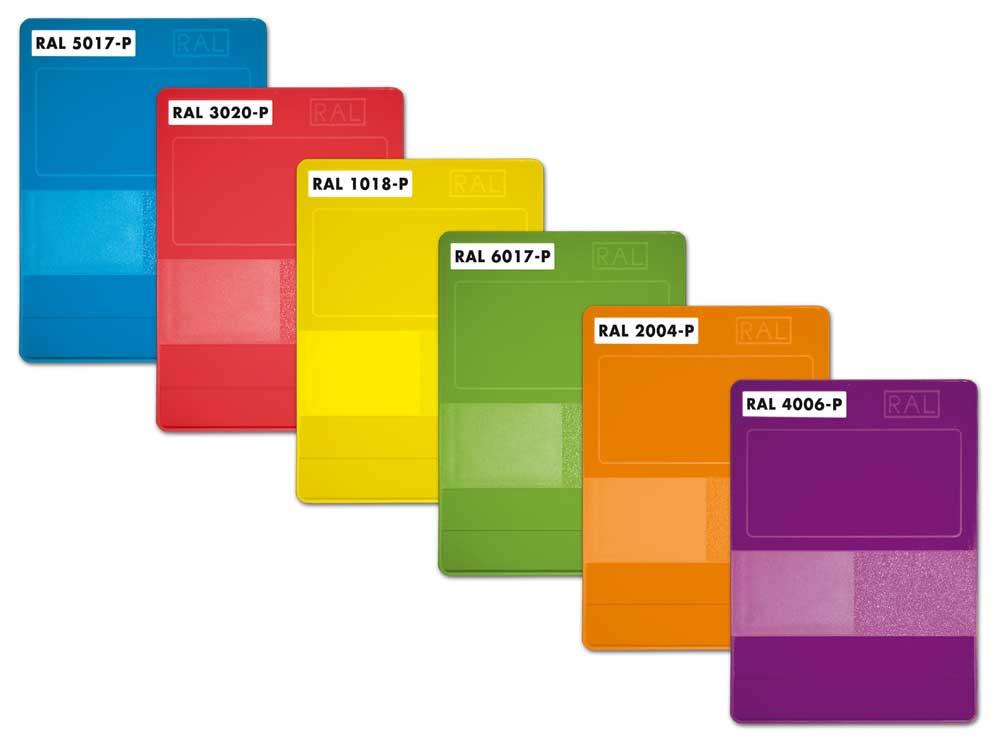
การจับคู่สีพลาสติกสำหรับการฉีดขึ้นรูป: คู่มือฉบับสมบูรณ์สำหรับ RAL, Pantone, มาสเตอร์batch และสีสั่งทำพิเศษ
สีเป็นมากกว่าแค่ลักษณะทางสุนทรียศาสตร์ในการฉีดขึ้นรูปพลาสติก แต่ยังมีบทบาทสำคัญอย่างยิ่งต่อการสร้างแบรนด์สินค้า การรับรู้ของลูกค้า การควบคุมคุณภาพ และความแตกต่างในตลาด ไม่ว่าจะผลิตอุปกรณ์อิเล็กทรอนิกส์สำหรับผู้บริโภค ภายในรถยนต์ เครื่องมือแพทย์ อุปกรณ์อุตสาหกรรม หรือผลิตภัณฑ์กลางแจ้ง การบรรลุการจับคู่สีที่แม่นยำและสม่ำเสมอถือเป็นสิ่งจำเป็นต่อความสำเร็จของผลิตภัณฑ์.