
บทนำ
In modern product development, speed, accuracy, and risk reduction are critical to success. Before investing in expensive production tooling and large-scale manufacturing, companies need to verify product designs, test functionality, evaluate assembly processes, and validate market acceptance. This is where industrial prototyping plays a vital role.
Industrial prototyping bridges the gap between digital design and mass production. By creating physical models and functional samples early in the development process, engineers can identify design flaws, improve performance, optimize manufacturability, and significantly reduce development costs.
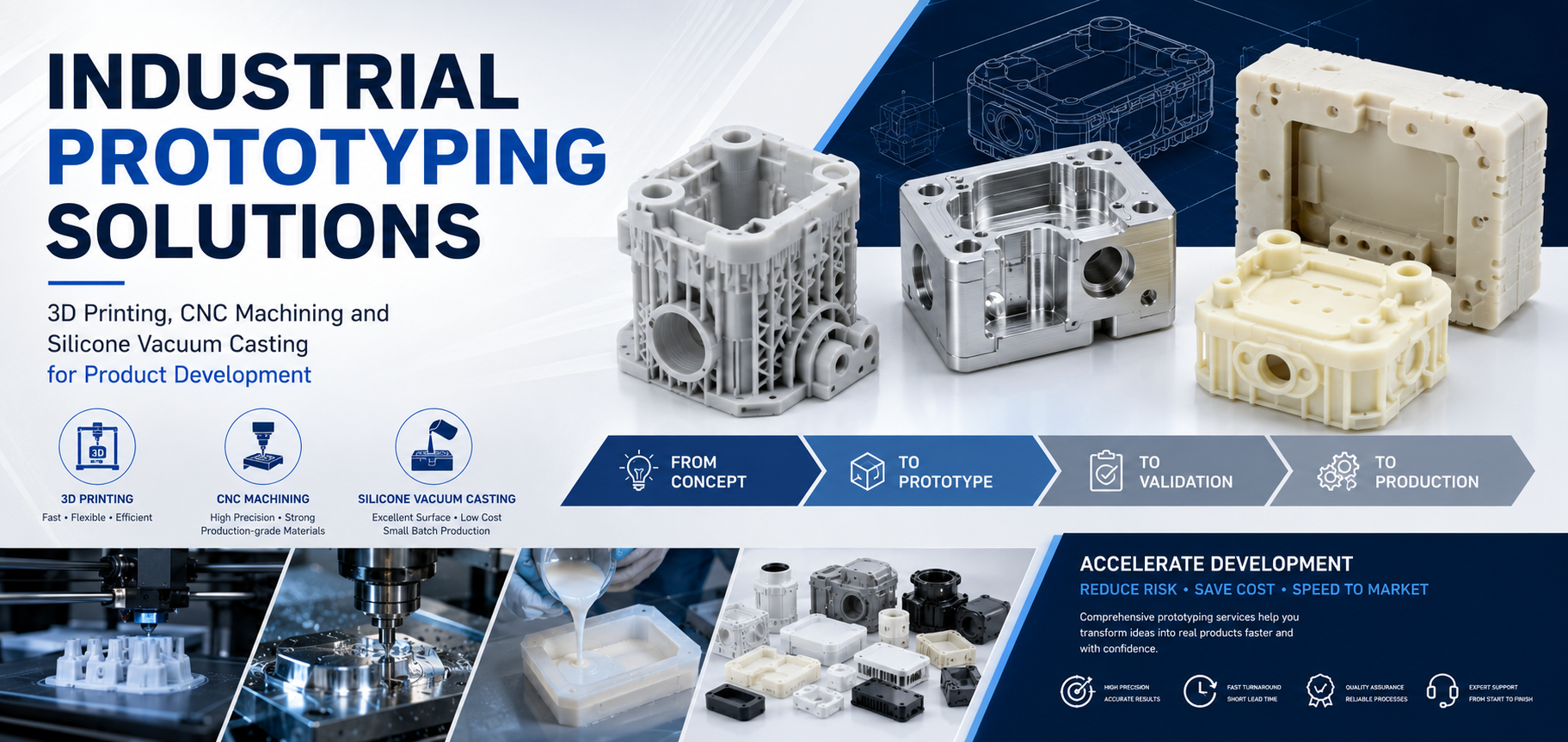
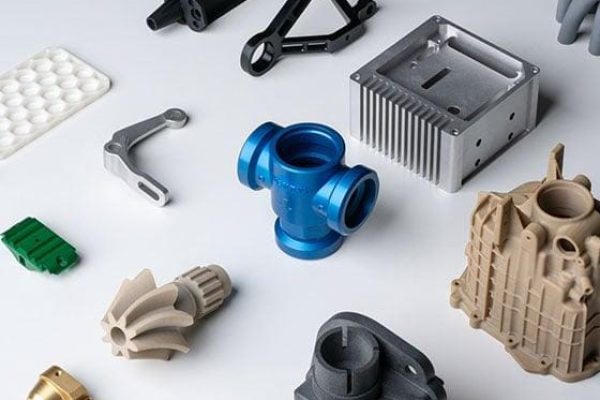
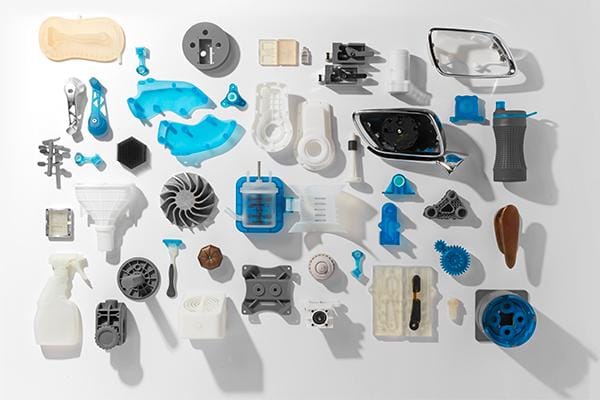
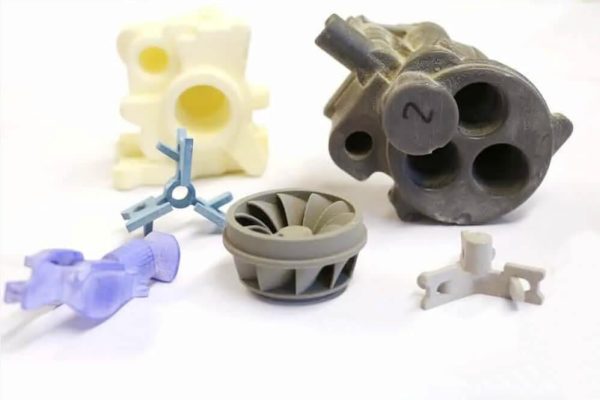
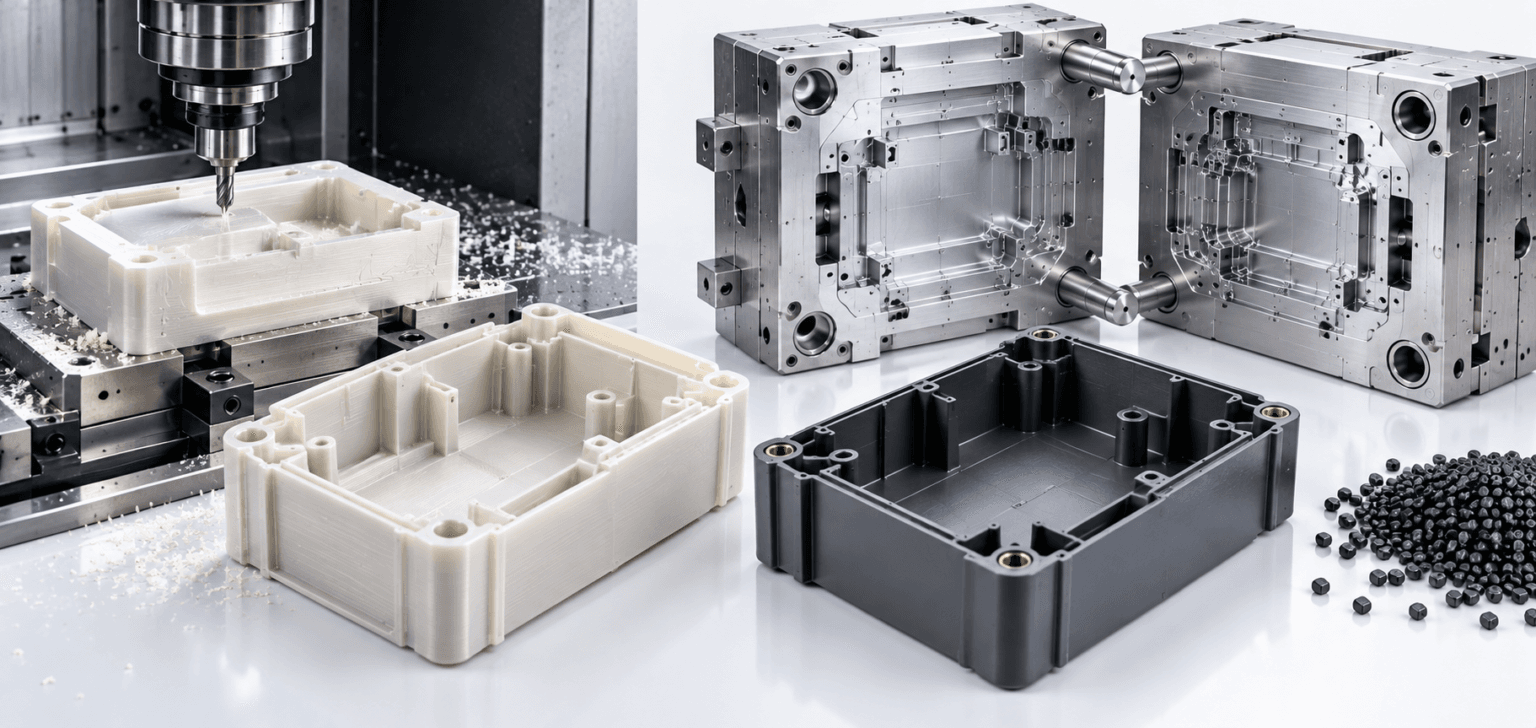
Today, the most widely used prototyping technologies include 3D Printing, CNC Machining, and Silicone Vacuum Casting. Each process offers unique advantages and serves different stages of product development. From concept models and engineering verification to low-volume production, these technologies help companies bring innovative products to market faster and more efficiently.
This article explores the key prototyping technologies, their benefits, applications, and how they contribute to successful product development.
Why Prototyping Is Essential
Before production tooling is manufactured, prototypes allow engineers to evaluate critical aspects of a product.
Key Benefits of Prototyping
- Validate product appearance
- Test functionality
- Verify assembly processes
- Evaluate ergonomics
- Identify design issues early
- Reduce development risks
- Accelerate product launch
Without prototyping, design errors often remain hidden until mold manufacturing begins, leading to expensive modifications and production delays.
Prototype Development Benefits
| ประโยชน์ | Description |
|---|---|
| Faster Product Development | Reduce engineering iterations |
| Lower Risk | Identify problems early |
| Cost Savings | Minimize mold modifications |
| Better Quality | Improve product performance |
| Market Validation | Obtain customer feedback |
The Product Development Workflow
Most successful products follow a structured development process.
ขั้นตอนการทำงานทั่วไป
- Product Concept
- Industrial Design
- 3D CAD Modeling
- Prototype Manufacturing
- การทดสอบการทำงานระบบ
- Design Optimization
- Tooling Development
- การผลิตจำนวนมาก
Prototyping serves as the critical bridge between digital design and manufacturing.

3D Printing Technology
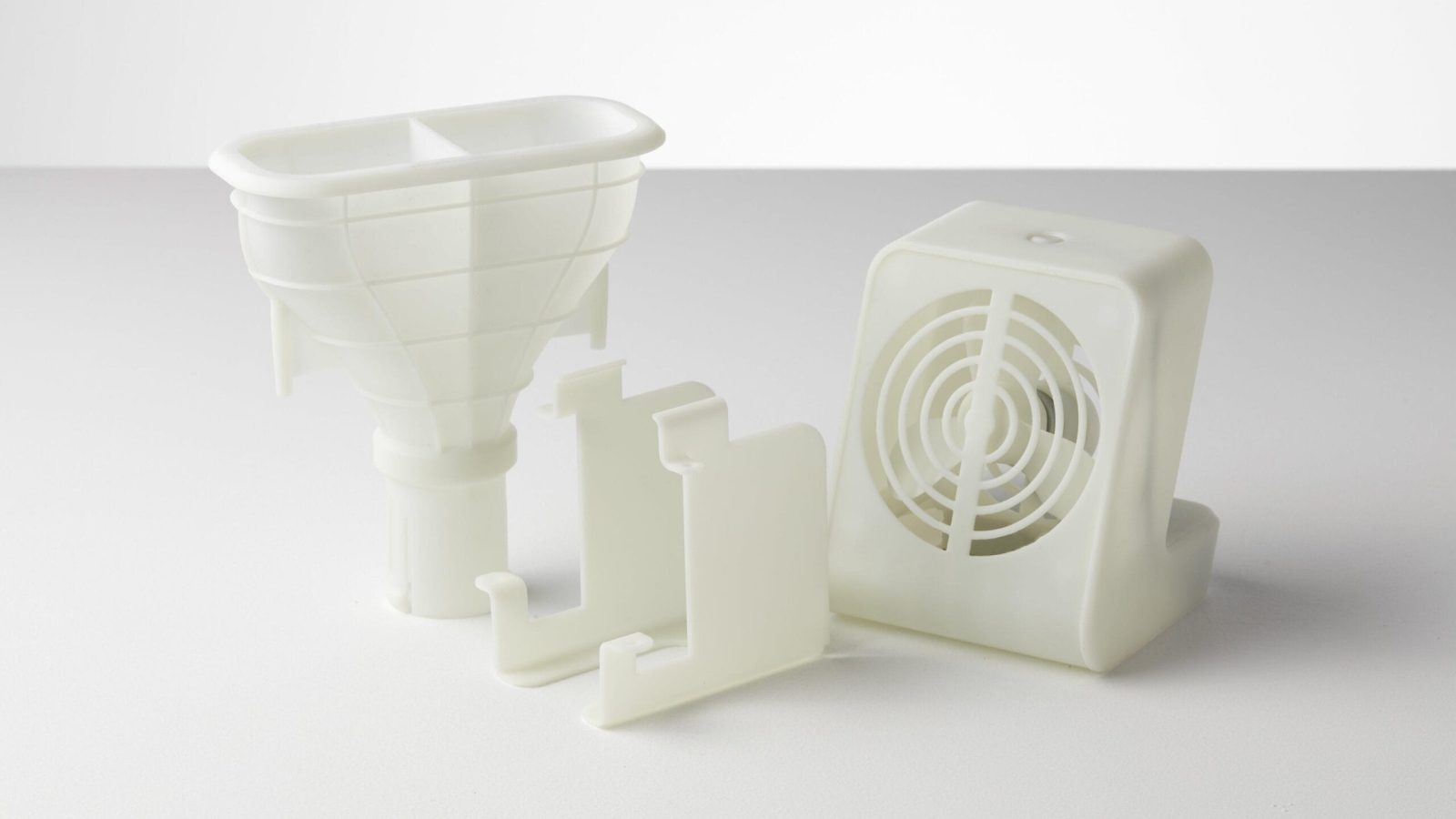
3D printing has transformed modern product development by enabling rapid creation of physical parts directly from CAD models.
Unlike traditional manufacturing methods, 3D printing builds components layer by layer without requiring molds or tooling.
Advantages of 3D Printing
- Extremely fast turnaround
- No tooling investment
- Complex geometry capability
- Low-cost design validation
- Rapid design iteration
Common 3D Printing Technologies
| เทคโนโลยี | Characteristics |
| SLA | High precision, smooth surface |
| SLS | Strong engineering parts |
| FDM | Economical prototypes |
| MJF | Excellent mechanical properties |
การใช้งานทั่วไป
3D printing is commonly used for:
- Appearance models
- Concept verification
- Engineering evaluation
- Functional prototypes
- Customer presentations
Because no tooling is required, engineers can quickly modify designs and produce updated prototypes within days.
CNC Machining Prototypes
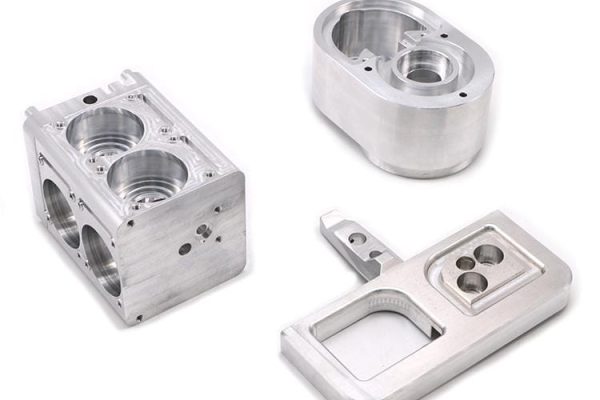
When precision and production-grade materials are required, CNC machining becomes the preferred solution.
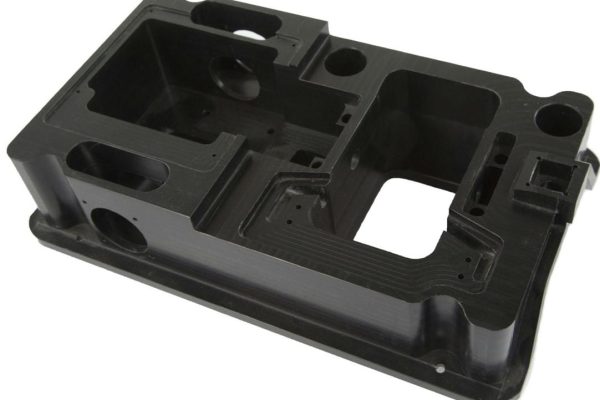
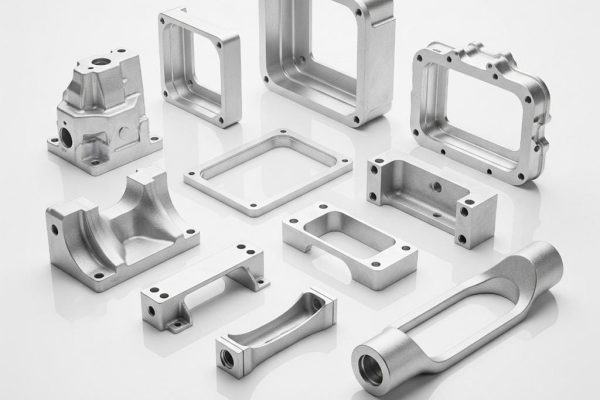
CNC machining uses computer-controlled cutting tools to remove material from solid blocks of plastic or metal.
Advantages of CNC Machining
- Exceptional dimensional accuracy
- Tight tolerances
- Superior surface finish
- Production-grade materials
- Excellent mechanical properties
Common Prototype Materials
| วัสดุ | แอปพลิเคชันทั่วไป |
| เอบีเอส | โครงเครื่องใช้อิเล็กทรอนิกส์ |
| พีซี | Optical products |
| ปอม | ชิ้นส่วนเครื่องกล |
| Aluminum | การทดสอบการทำงาน |
| Brass | Precision assemblies |
| Stainless Steel | Industrial applications |
การใช้งานทั่วไป
- การทดสอบการทำงาน
- Mechanical validation
- Engineering assemblies
- Production simulation
- Low-volume manufacturing
CNC-machined prototypes often closely resemble final production parts, making them ideal for engineering evaluation.
Silicone Vacuum Casting
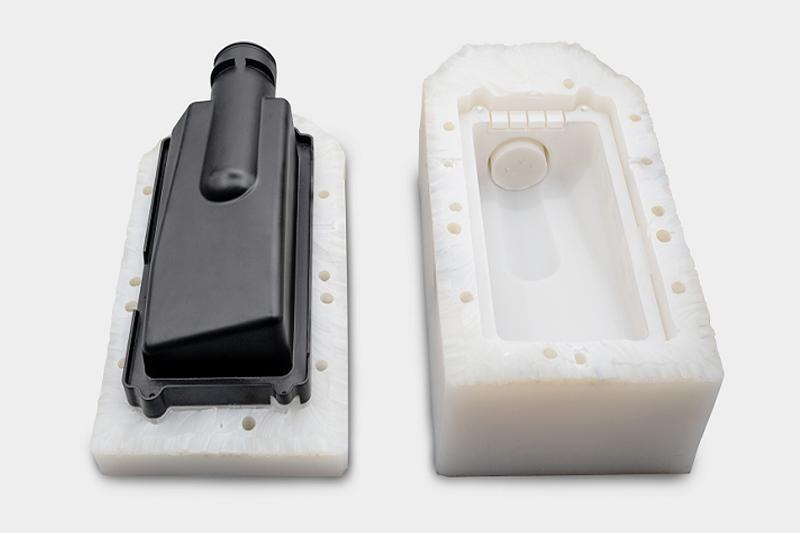
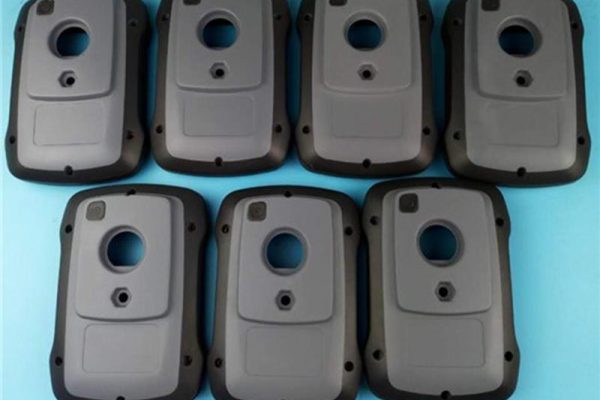
Silicone vacuum casting is widely used when customers require small batches of production-quality prototype parts.
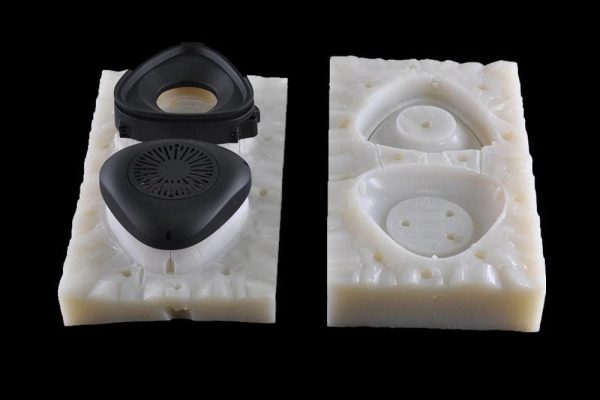
The process begins with a master model produced through 3D printing or CNC machining. A silicone mold is created around the master model, and polyurethane resin is cast under vacuum conditions.
Advantages of Vacuum Casting
- Low tooling investment
- Excellent surface finish
- Production-like appearance
- Fast turnaround
- Suitable for multiple parts
Production Quantities
| Quantity | Recommended Process |
| 1-5 pcs | 3D Printing |
| 5-20 pcs | CNC Machining |
| 20-100 pcs | Vacuum Casting |
| 100+ pcs | การฉีดขึ้นรูปพลาสติก |
แอปพลิเคชัน
Vacuum casting is ideal for:
- Product demonstrations
- Marketing samples
- Functional evaluation
- Customer approval
- Pilot production
Because silicone molds replicate fine details extremely well, vacuum cast parts often look nearly identical to injection molded products.
Comparing Prototype Technologies
Each prototyping method offers different advantages.
| ฟีเจอร์ | 3D Printing | CNC Machining | Vacuum Casting |
| Lead Time | ยอดเยี่ยม | ดี | ดี |
| Precision | สูง | ยอดเยี่ยม | สูง |
| การตกแต่งพื้นผิว | ดี | ยอดเยี่ยม | ยอดเยี่ยม |
| การเลือกวัสดุ | Moderate | ยอดเยี่ยม | ดี |
| Mechanical Performance | Moderate | ยอดเยี่ยม | ดี |
| Production Quantity | Low | Low-Medium | ปานกลาง |
| ความคุ้มค่าด้านต้นทุน | ยอดเยี่ยม | Moderate | ยอดเยี่ยม |
Selecting the correct process depends on project requirements, performance needs, budget, and timeline.
Industries That Use Industrial Prototyping
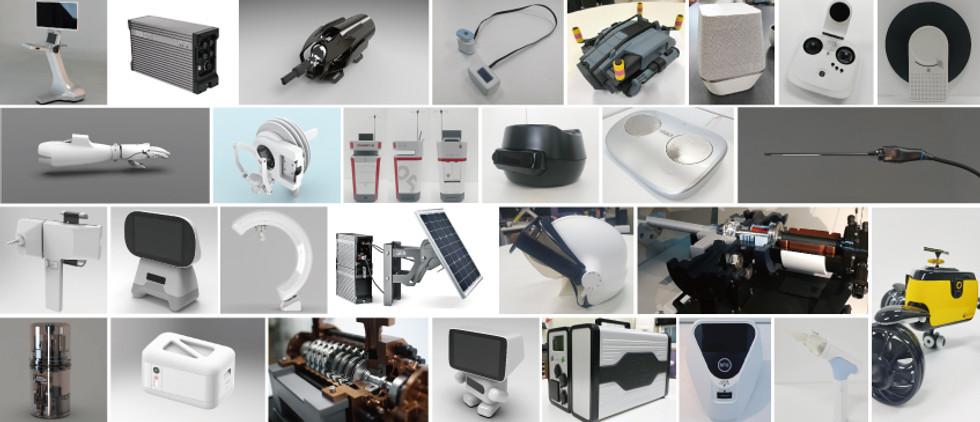
Industrial prototyping supports nearly every manufacturing industry.
สินค้าอิเล็กทรอนิกส์สำหรับผู้บริโภค
การใช้งานประกอบด้วย:
- Smart devices
- ตัวเรือนเร้าเตอร์
- Power supplies
- Portable electronics
Medical Devices
การใช้งานประกอบด้วย:
- Diagnostic equipment
- Laboratory instruments
- Monitoring systems
Industrial Equipment
การใช้งานประกอบด้วย:
- Control systems
- Machine housings
- Automation products
Outdoor Products
การใช้งานประกอบด้วย:
- Outdoor lighting
- Solar products
- Electrical enclosures
- Communication equipment
Prototyping helps ensure these products meet both performance and manufacturing requirements.

From Prototype to Production
Once prototype validation is completed, the project can move confidently into production.
Next Development Stages
- Design Optimization
- การวิเคราะห์เพื่อการผลิต (DFM)
- การออกแบบแม่พิมพ์
- การผลิตแม่พิมพ์ฉีดพลาสติก
- Injection Molding Production
At Samgo, our engineering team supports customers throughout the entire development cycle, ensuring a smooth transition from concept to production.
Complete Development Services
| บริการ | วัตถุประสงค์ |
| การออกแบบผลิตภัณฑ์ | Engineering development |
| 3D Printing | Concept verification |
| CNC Machining | การทดสอบการทำงาน |
| Vacuum Casting | Small batch production |
| Mold Manufacturing | Production tooling |
| การฉีดขึ้นรูปพลาสติก | Mass production |
Why Choose Samgo for Industrial Prototyping?
Samgo provides complete product development support under one roof.
ความสามารถของเรา
✓ Product Design
✓ Industrial 3D Modeling
✓ SLA/SLS/MJF Printing
✓ CNC Machining
✓ Silicone Vacuum Casting
✓ Injection Mold Manufacturing
✓ Plastic Injection Molding
Industries Served
- สินค้าอิเล็กทรอนิกส์สำหรับผู้บริโภค
- Medical Devices
- Outdoor Products
- Industrial Equipment
- Automotive Components
- Electrical Enclosures
By integrating design, prototyping, tooling, and manufacturing services, we help customers shorten development cycles and reduce project risks.
บทสรุป
Industrial prototyping is an essential step in transforming innovative ideas into successful products. Whether through rapid 3D printing, precision CNC machining, or production-quality silicone vacuum casting, prototyping enables engineers to verify designs, improve product performance, and reduce manufacturing risks before mass production begins.
Choosing the right prototyping technology at the right stage of development can significantly improve efficiency, reduce costs, and accelerate time to market. With professional engineering support and advanced manufacturing capabilities, companies can move from concept to production with greater confidence and success.
For businesses seeking reliable product development solutions, industrial prototyping remains one of the most valuable investments in the entire product development process.
รับราคาล่าสุด? เราจะตอบกลับโดยเร็วที่สุด (ภายใน 12 ชั่วโมง)

CNC Plastic Prototypes vs. Injection Molded Parts: Key Differences Engineers Should Understand
Compare CNC plastic prototypes and injection molded parts in material properties, dimensions, warpage, surface finish, geometry, cost and production performance.
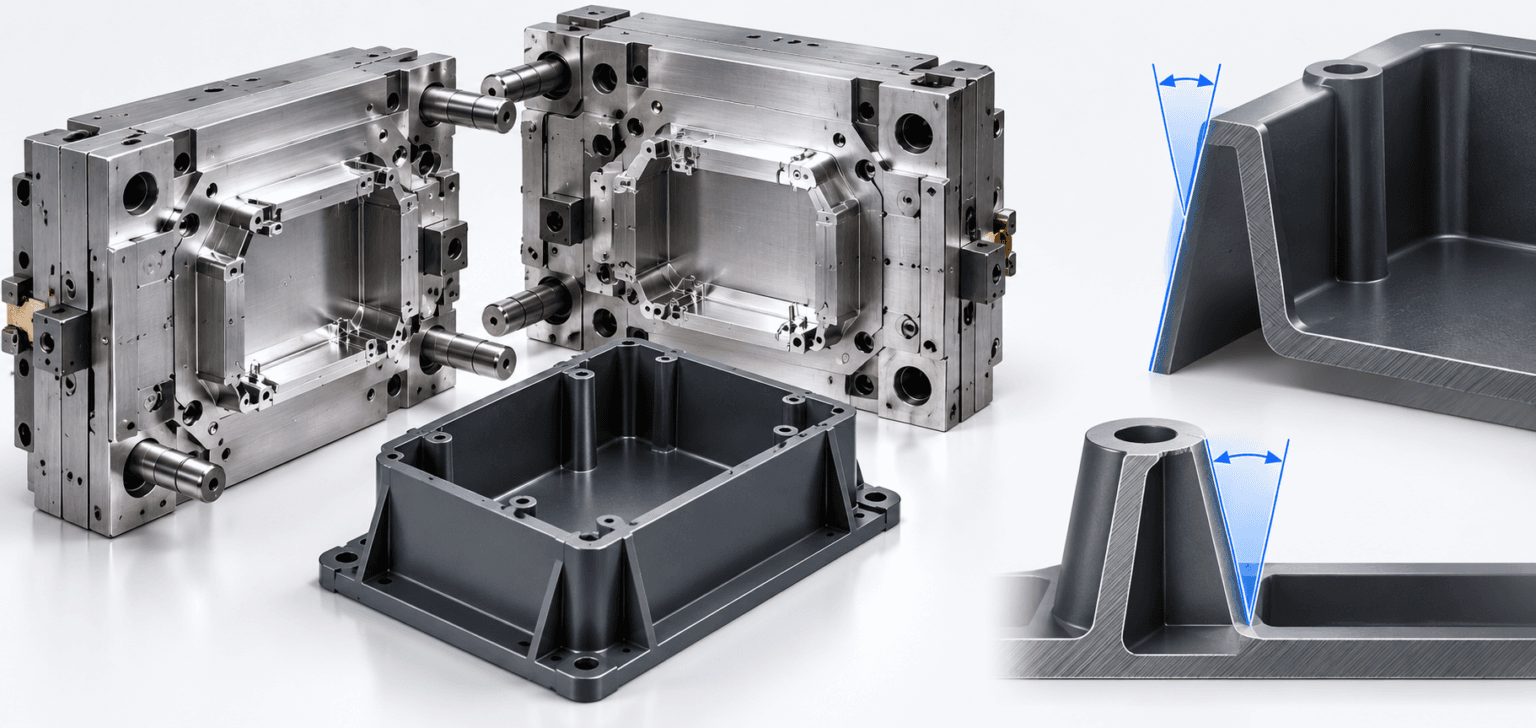
Draft Angle in Injection Mold Design: Improving Part Quality, Ejection and Tooling Efficiency
Discover how draft angles affect injection mold design, part ejection, surface texture, dimensional accuracy, ribs, bosses and long-term tooling performance.
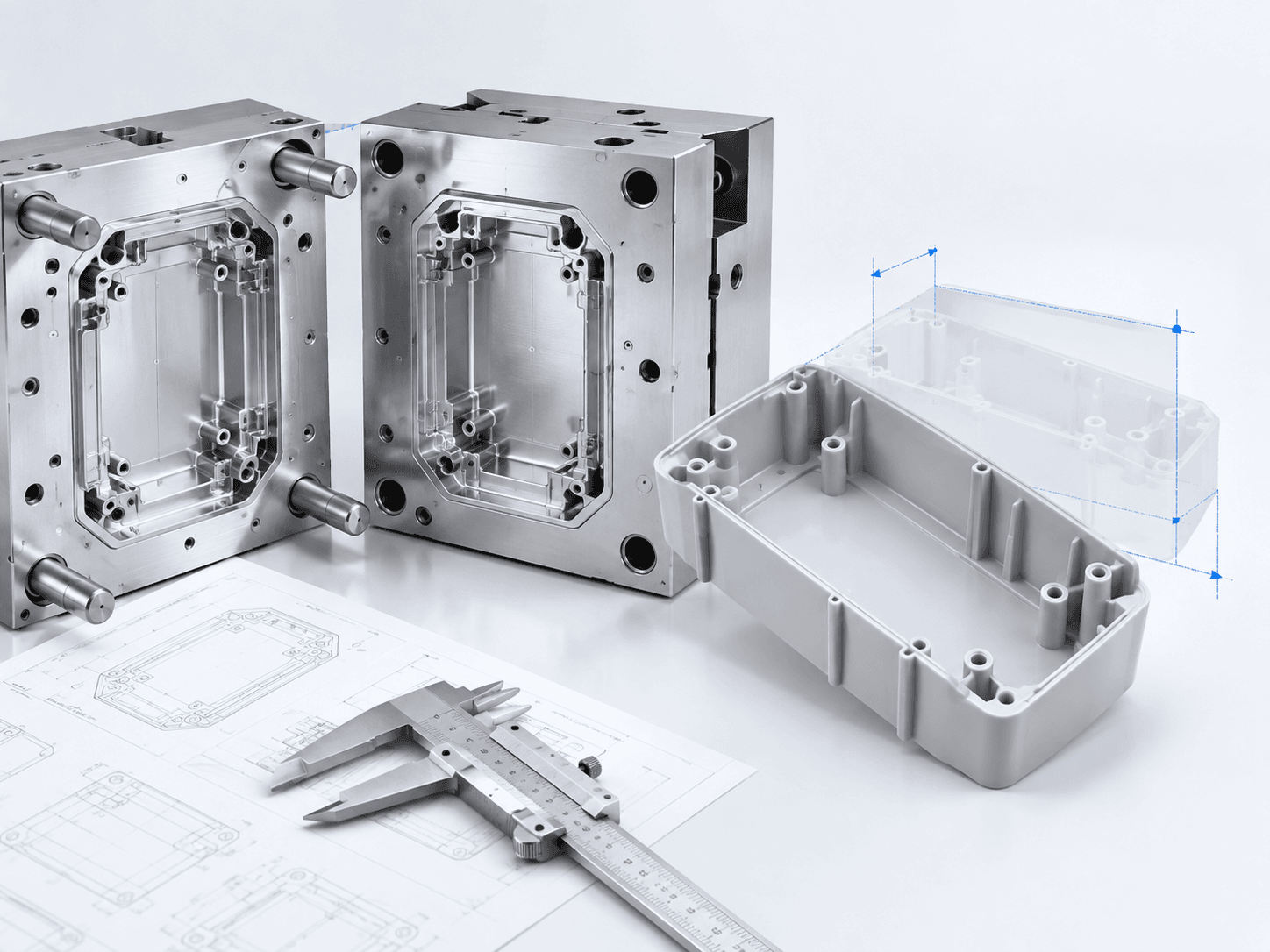
Injection Molding Shrinkage: How to Control Part Dimensions from Mold Design to Production
Learn how injection molding shrinkage affects mold dimensions, tolerances and warpage, and how material, gate design, packing, cooling and mold trials help control final plastic part dimensions.
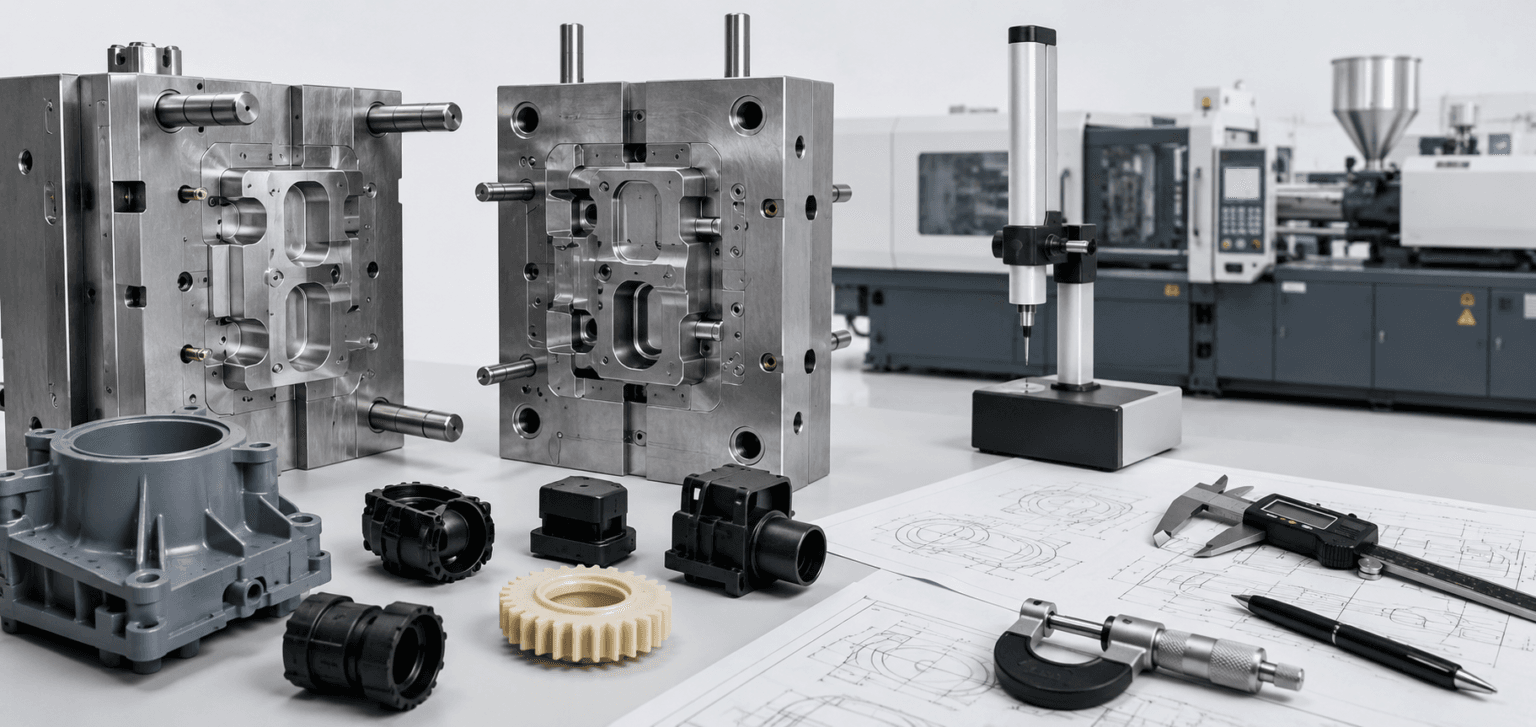
How to Choose the Right Injection Molding Supplier: A Practical Buyer’s Guide
Learn how to choose a reliable injection molding supplier by evaluating DFM capability, mold manufacturing, materials, quality control, production capacity, pricing, mold maintenance and technical communication.
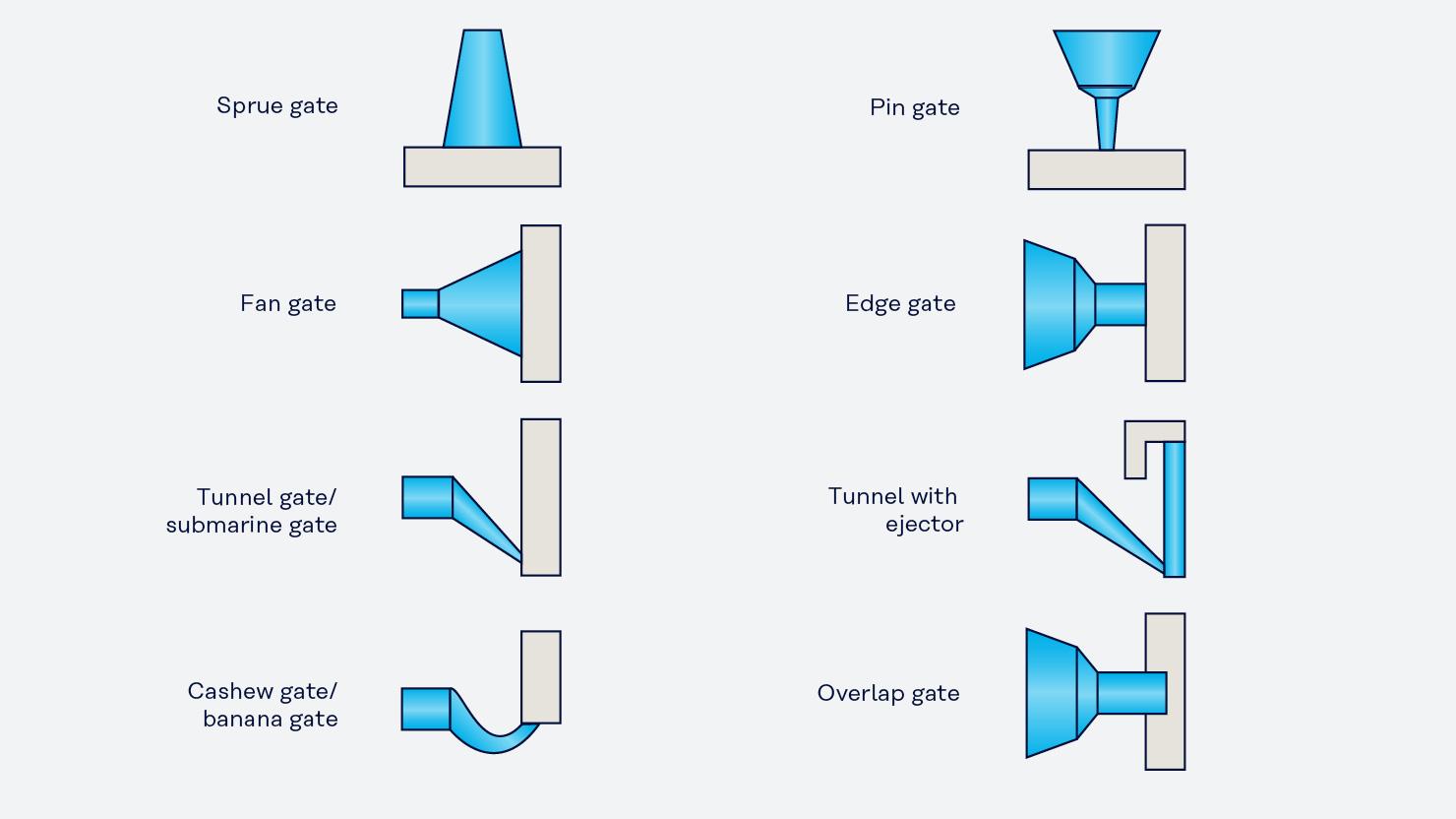
ประเภทของประตูฉีดขึ้นรูปพลาสติก: การเลือก หลักการออกแบบ ข้อดี และการใช้งาน
การออกแบบเกตเป็นหนึ่งในแง่มุมที่สำคัญที่สุดของวิศวกรรมแม่พิมพ์ฉีดพลาสติก แม้ว่าเกตมักจะเป็นส่วนประกอบที่เล็กที่สุดในระบบรันเนอร์ แต่ก็มีอิทธิพลอย่างมากต่อการไหลของพลาสติกหลอมเหลว แรงดันอัด ประสิทธิภาพการหล่อเย็น ความ วามงามของชิ้นงาน เวลาในรอบการผลิต และคุณภาพโดยรวมของผลิตภัณฑ์.
ประตูฉีดที่ออกแบบมาไม่ดีอาจทำให้เกิดข้อบกพร่องในการขึ้นรูปจำนวนมาก รวมถึงรอยเติมไม่เต็ม รอยยุบ แนวประสาน รอยเจ็ทติ้ง รอยไหม้ ติ่งประตูฉีดที่,มากเกินไป และการบิดงอของชิ้นงาน ในทางกลับกัน การเลือกประเภทและตำแหน่งของประตูฉีดที่เหมาะสมจะช่วยให้มั่นใจได้ถึงการไหลเติมที่สมดุล ความแม่นยำด้านมิติที่สม่ำเสมอ และการผลิตที่มีประสิทธิภาพ.
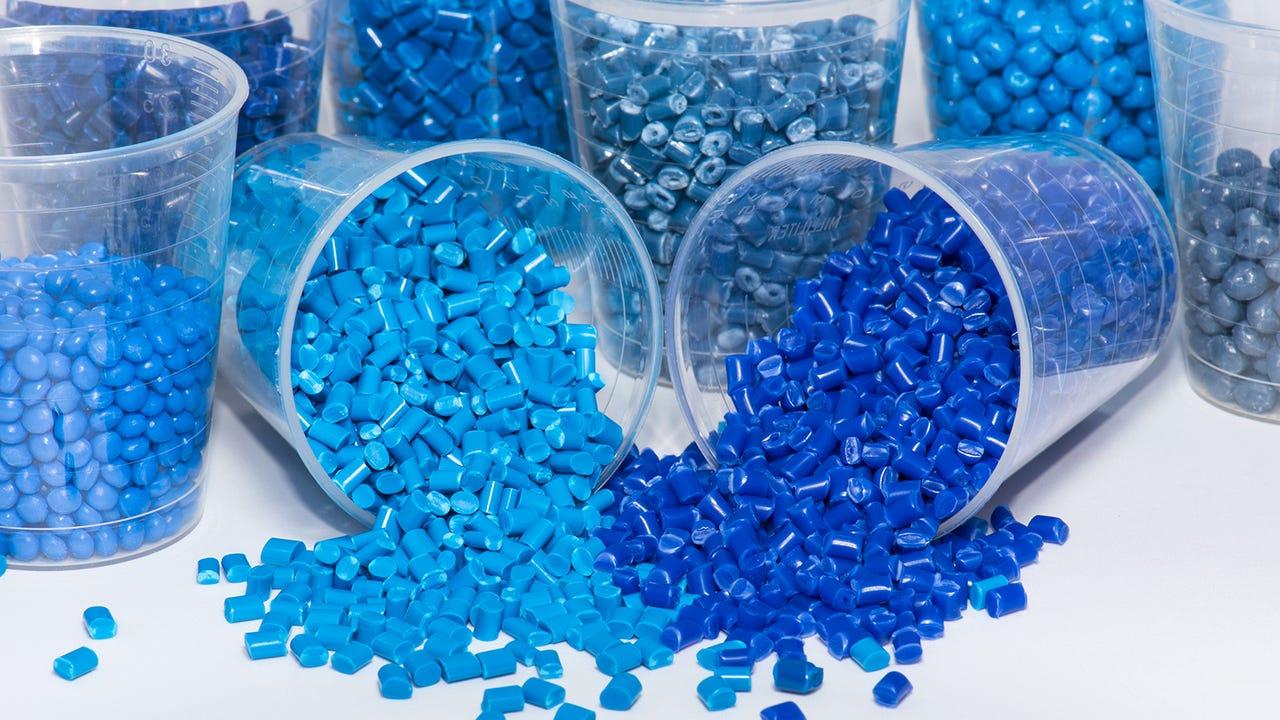
วัสดุโพลีโพรพีลีน (PP): ประเภท เกรด คุณสมบัติ และการใช้งาน
โพลีโพรพีลีน (PP) เป็นหนึ่งในเทอร์โมพลาสติกที่มีการใช้งานมากที่สุดในโลก โดยคิดเป็นสัดส่วนสำคัญของการผลิตพลาสติกทั่วโลก ด้วยความสมดุลที่ยอดเยี่ยมของสมบัติเชิงกล ความทนทานต่อสารเคมี ลักษณะที่มีน้ำหนักเบา และความคุ้มค่าด้านต้นทุน ทำให้ PP กลายเป็นวัสดุที่ได้รับความนิยมสำหรับผลิตภัณฑ์ขึ้นรูปด้วยการฉีดนับไม่ถ้วนในอุตสาหกรรมยานยนต์ ของEใช้ในครัวเรือน การแพทย์ บรรจุภัณฑ์ เครื่องใช้ไฟฟ้า และงานอุตสาหกรรม.
โพลีโพรพีลีนสมัยใหม่มีจำหน่ายในเกรดและสูตรที่หลากหลาย ผู้ผลิตสามารถเลือกใช้โฮโมพอลิเมอร์ PP, แรนดอมโคพอลิเมอร์ PP, อิมแพคโคพอลิเมอร์ PP, PP เสริมใยแก้ว, PP ผสมแร่, PP หน่วงไฟ, PP ทนรังสียูวี และ PP เกรดอาหาร ขึ้นอยู่กับความต้องการของผลิตภัณฑ์.
