Packaging Injection Molding: Applications, Materials, Manufacturing Standards, and Industry Solutions

Inhaltsverzeichnis

Einführung

Packaging plays a vital role in protecting products, extending shelf life, improving transportation efficiency, and enhancing brand identity. As consumer expectations continue to evolve, manufacturers require packaging solutions that are lightweight, durable, cost-effective, and visually appealing.

Plastic injection molding has become one of the most important manufacturing processes for rigid packaging products. It enables the mass production of high-precision components with excellent dimensional consistency, complex geometries, and attractive surface finishes. Compared with traditional manufacturing methods, injection molding offers greater design flexibility, shorter production cycles, and lower unit costs for high-volume production.

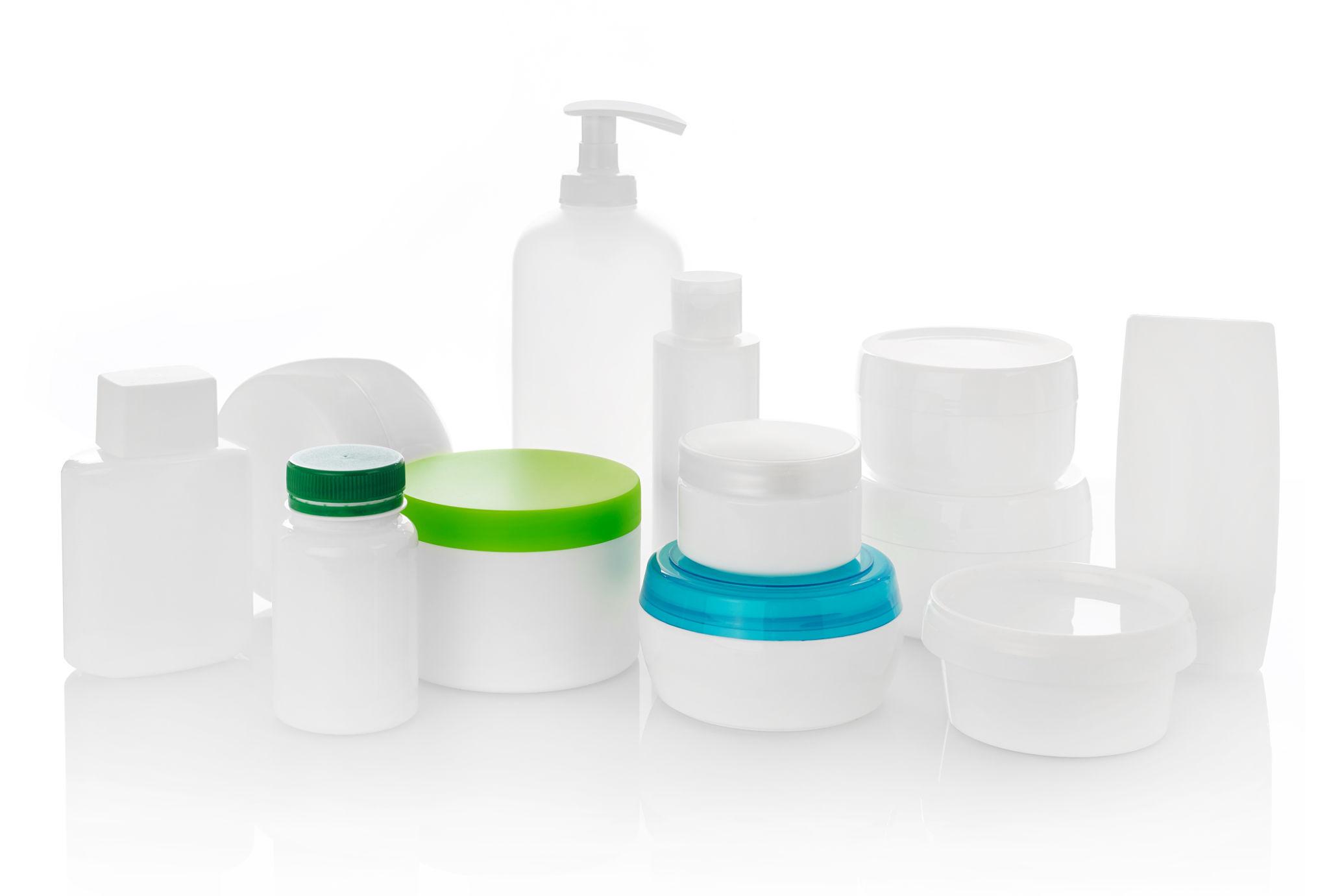
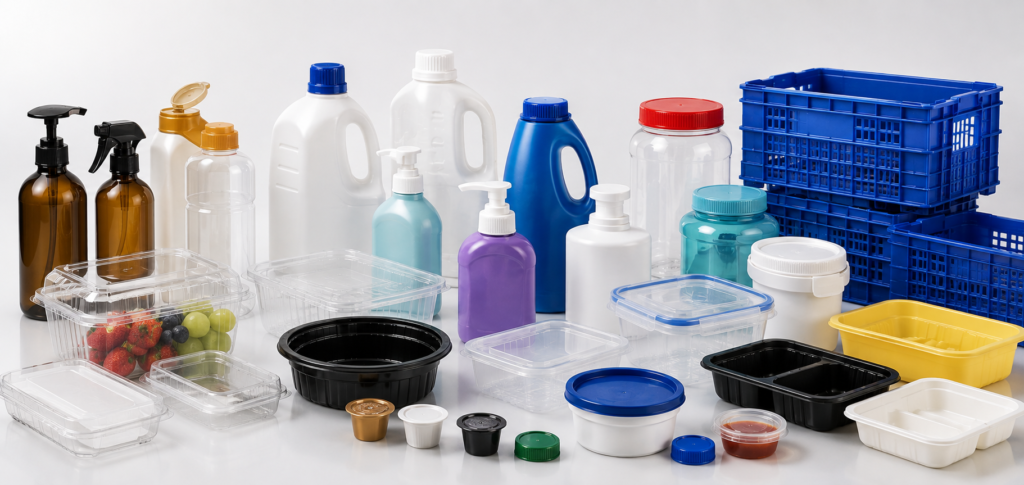
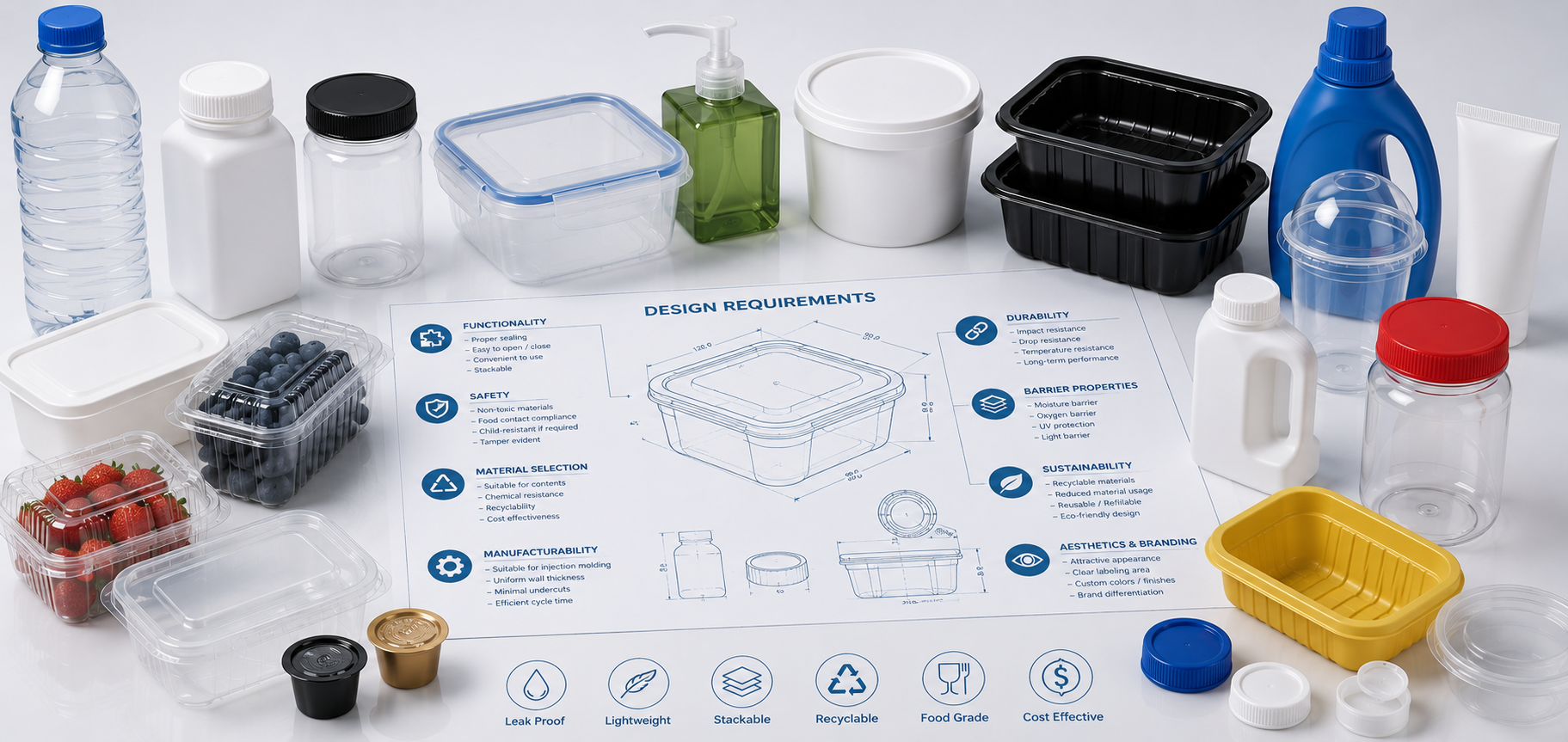
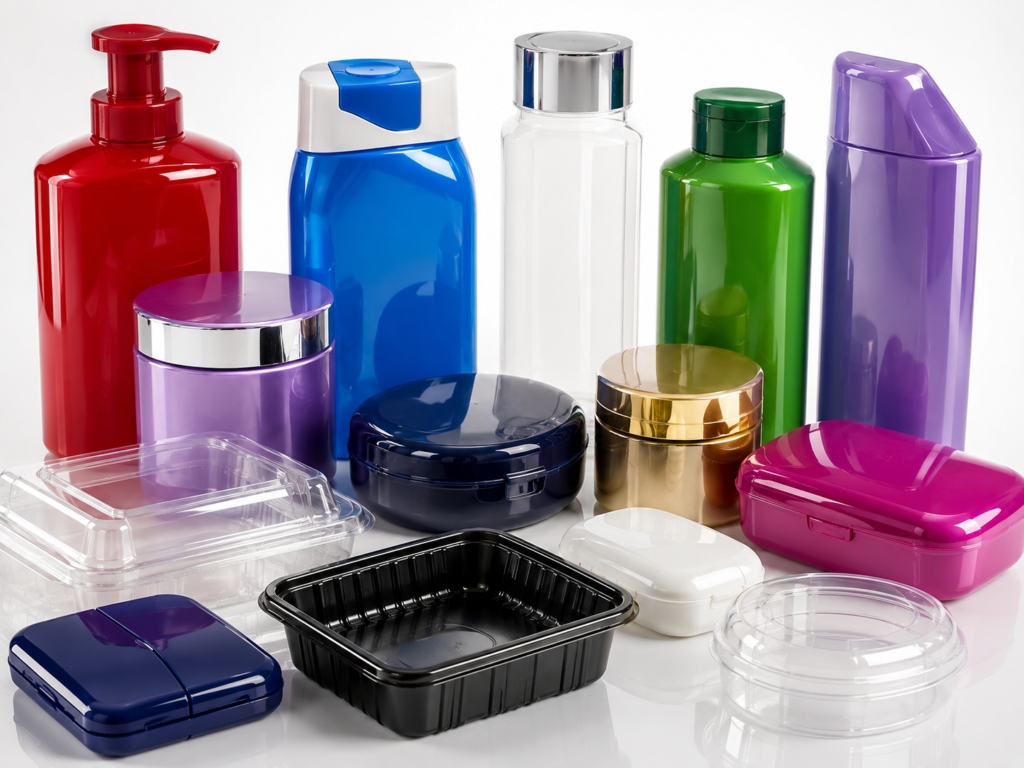
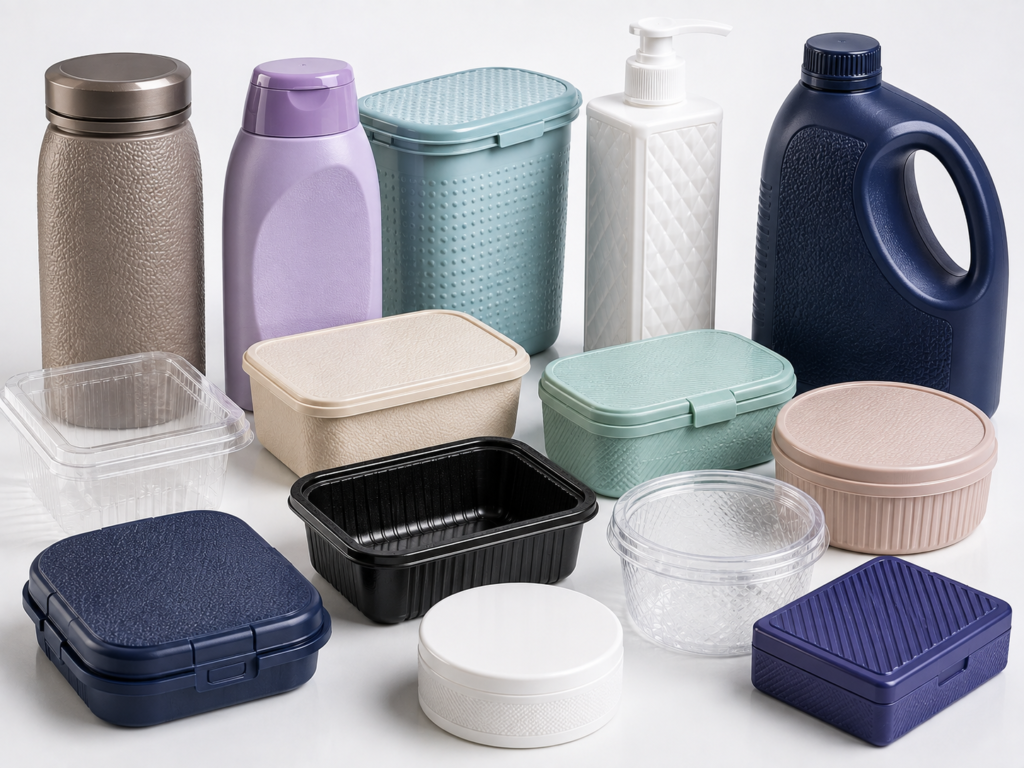
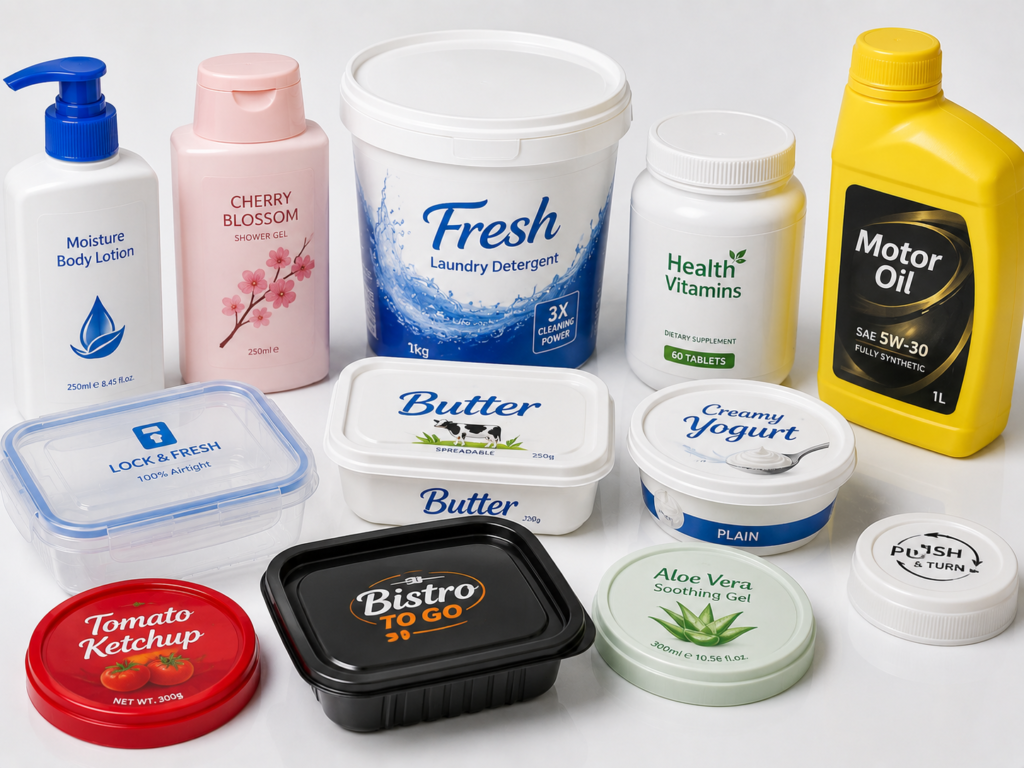
Injection molded packaging is widely used across industries including food and beverage, cosmetics, pharmaceuticals, household chemicals, consumer goods, and industrial products. Common examples include bottle caps, cosmetic jars, measuring cups, closures, dispensers, storage containers, protective cases, and reusable packaging systems.

At Samgo, we provide complete packaging manufacturing solutions, including product design support, DFM analysis, Moldflow simulation, precision mold manufacturing, and high-volume injection molding. This guide explores the applications of injection molding in the packaging industry, material selection, quality standards, and engineering best practices.


Why Injection Molding Is Ideal for Packaging

The packaging industry requires consistent quality, rapid production, and cost efficiency. Injection molding fulfills these requirements while supporting a wide variety of product designs and engineering plastics.

Key Advantages

  • Hohe Produktionseffizienz
  • Excellent dimensional consistency
  • Complex product geometry
  • Attractive cosmetic appearance
  • Low cost for high-volume manufacturing
  • Wide selection of food-grade and engineering plastics
  • Recyclable material options
  • Compatibility with automation

Benefits of Injection Molding for Packaging

VorteilManufacturing Value
High ProductivityMillions of parts per year
Excellent AppearancePremium product presentation
Design FlexibilityComplex closures and containers
LightweightReduced transportation costs
Material VarietyPP, PE, PET, PC, ABS and more
Automation ReadyHigh-speed production lines

Applications of Injection Molding in Packaging

Injection molding is used to manufacture a wide range of rigid packaging components for consumer and industrial markets.

1. Food Packaging

Food packaging requires safe, hygienic, and durable plastic components that comply with food-contact regulations.

Typical products include:

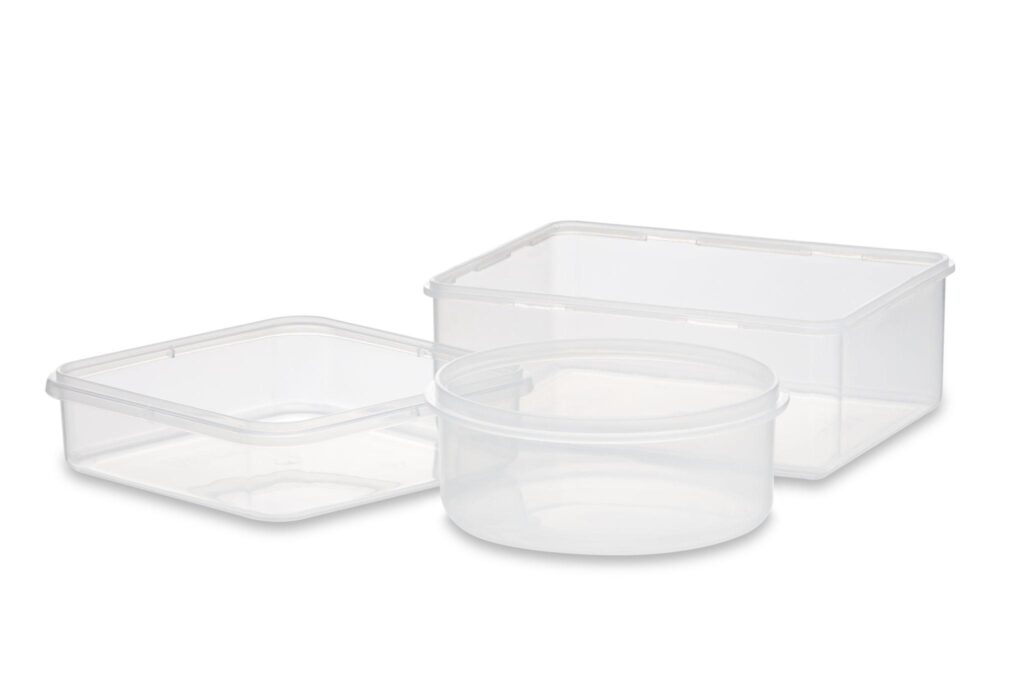
  • Food storage containers
  • Bottle caps
  • Measuring spoons
  • Beverage closures
  • Yogurt cup lids
  • Reusable lunch boxes

Food-grade polypropylene (PP) and polyethylene (PE) are among the most commonly used materials because of their excellent chemical resistance and low moisture absorption.


2. Cosmetic Packaging

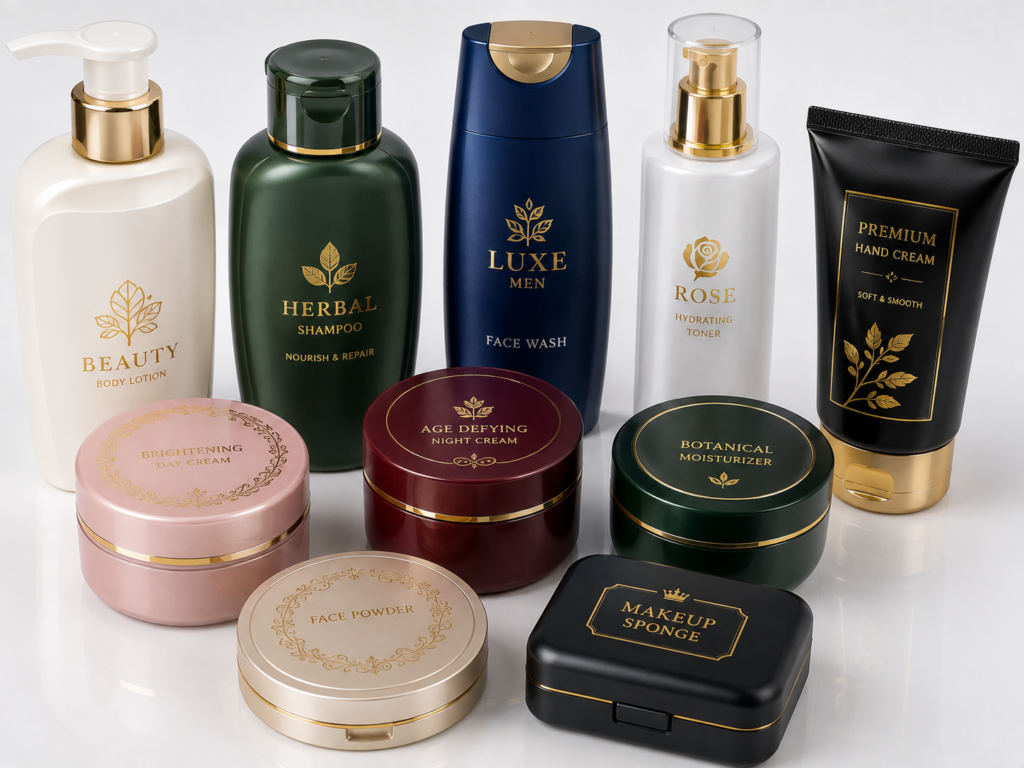
Cosmetic packaging combines functionality with premium aesthetics. Injection molding enables smooth surfaces, glossy finishes, and intricate decorative details.

Common products include:

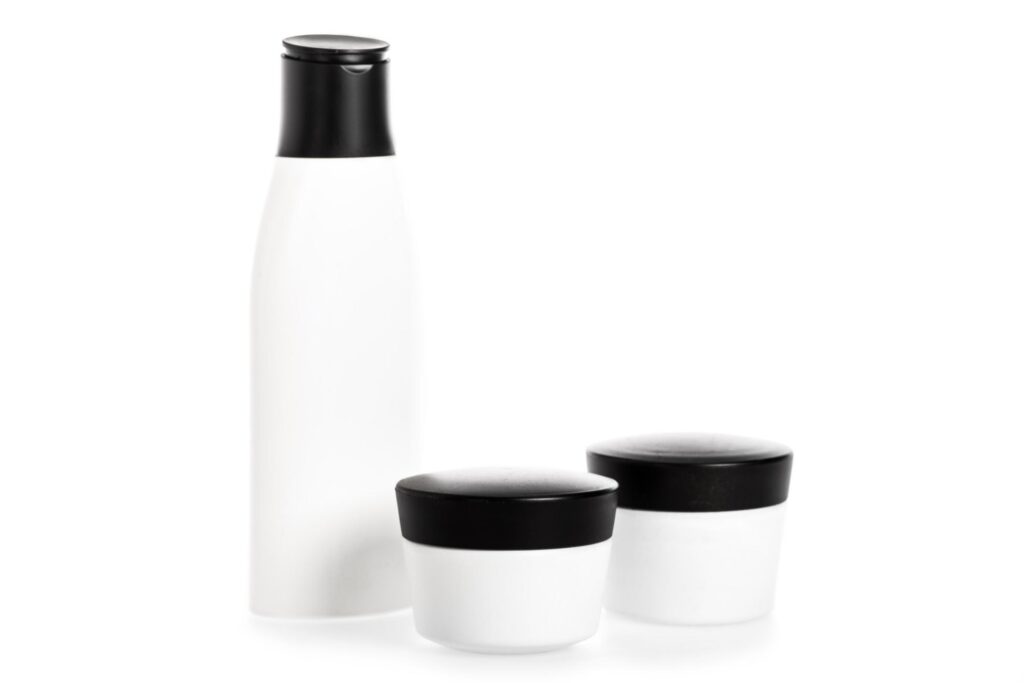
  • Cosmetic jars
  • Cream lids
  • Compact cases
  • Lip balm containers
  • Pump collars
  • Mascara caps

3. Pharmaceutical Packaging

Medical and pharmaceutical packaging demands high precision, clean manufacturing environments, and excellent dimensional consistency.

Examples include:

  • Pill containers
  • Medical caps
  • Measuring cups
  • Child-resistant closures
  • Syrup bottle caps
  • Dosage accessories

Packaging Applications

IndustrieInjection Molded ProductsCommon Materials
Food & BeverageContainers, caps, lidsPP, HDPE
CosmeticsCream jars, caps, dispensersPP, ABS, SAN
PharmaceuticalsClosures, measuring cupsPP, PE
Household ProductsStorage containersPP, PE
Industrial PackagingProtective caps, casesPP, PA

Common Materials for Packaging Injection Molding

Selecting the right material is essential for packaging performance, regulatory compliance, durability, and appearance.

Frequently Used Materials

MaterialKey PropertiesTypische Anwendungen
PPFood-safe, lightweight, chemical resistantFood containers, caps
HDPEToughness, moisture resistanceBottles, closures
LDPEFlexible, impact resistantDispensing caps
PETTransparency, barrier performanceClear packaging
SANHigh gloss, transparencyCosmetic containers
ABSExcellent appearancePremium packaging
PCHigh impact strengthReusable packaging

Material Selection Considerations

When designing injection molded packaging, engineers should consider:

  • Food-contact compliance
  • Chemical resistance
  • Transparency requirements
  • Impact resistance
  • UV resistance
  • Recyclability
  • Production efficiency

Design Requirements for Packaging Products

Packaging products must combine functional performance with an attractive appearance while supporting efficient mass production.

Important design considerations include:

  • Uniform wall thickness
  • Proper draft angles
  • Secure sealing features
  • Snap-fit or threaded closures
  • Stackability
  • Easy opening and closing
  • Lightweight construction
  • Moldability for high-speed production

Packaging Design Guidelines

Design FeatureEngineering Objective
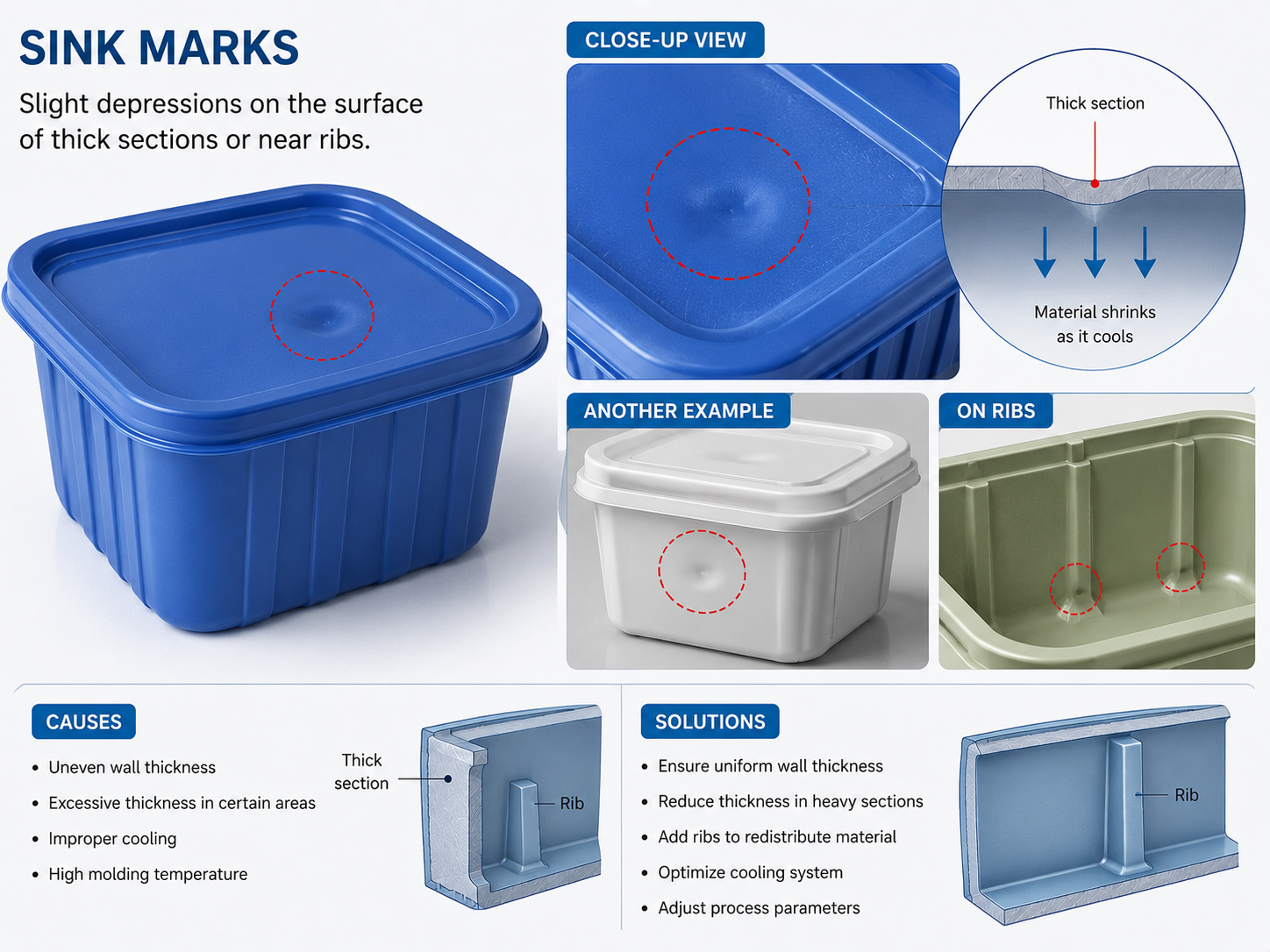
Uniform Wall ThicknessReduce sink marks and warpage
Draft AngleSmooth demolding
Rib ReinforcementImprove stiffness
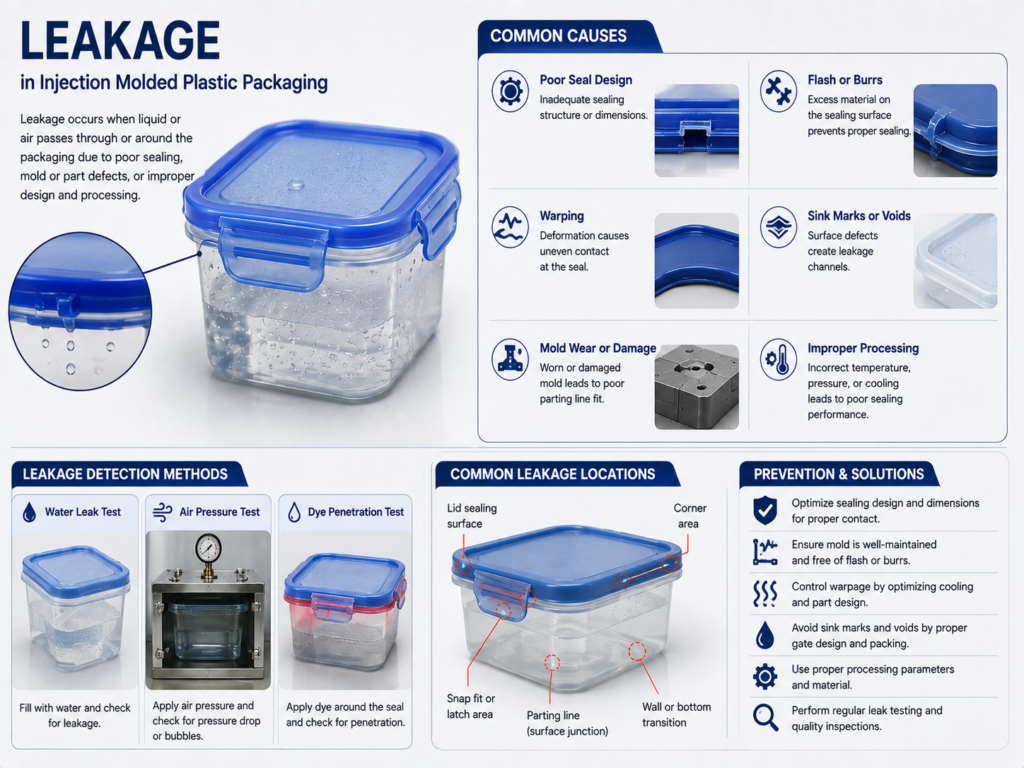
Sealing StructurePrevent leakage
Thread DesignReliable closure
Stackable GeometryEfficient storage and shipping
Eine Anfrage senden

Manufacturing Standards for Packaging Injection Molding

Packaging products must comply with strict quality and safety requirements, especially when used for food, cosmetics, pharmaceuticals, and personal care products. Manufacturers must ensure that packaging not only protects the contents but also meets regulatory requirements in target markets.

Depending on the application, packaging manufacturers may need to comply with international standards and regulations related to food contact, hygiene, environmental protection, and quality management.

Important Standards

  • FDA Food Contact Regulations (United States)
  • EU Food Contact Regulations
  • ISO 9001 Quality Management
  • ISO 22000 Food Safety Management
  • Good Manufacturing Practices (GMP)
  • REACH Compliance
  • RoHS Compliance (for applicable packaging components)

Early consideration of regulatory requirements helps reduce certification risks and accelerates product commercialization.


Packaging Standards Overview

StandardPrimary PurposeTypical Industry
ISO 9001Quality ManagementAll Packaging
ISO 22000Food SafetyFood Packaging
FDA Food ContactMaterial ComplianceFood & Beverage
EU Food ContactMaterial SafetyEuropean Market
GMPHygienic ManufacturingPharmaceutical & Cosmetics
REACHChemical ComplianceConsumer Products

Surface Finishing and Decoration Technologies

Modern packaging serves not only a protective function but also a marketing role. High-quality surface finishing enhances brand recognition and improves the consumer experience.

Common Decoration Methods

High Gloss Polishing

Creates smooth, premium-looking surfaces commonly used for cosmetic jars and luxury packaging.

Mold Texturing

Produces matte finishes that improve grip while reducing visible scratches and fingerprints.

In-Mold Labeling (IML)

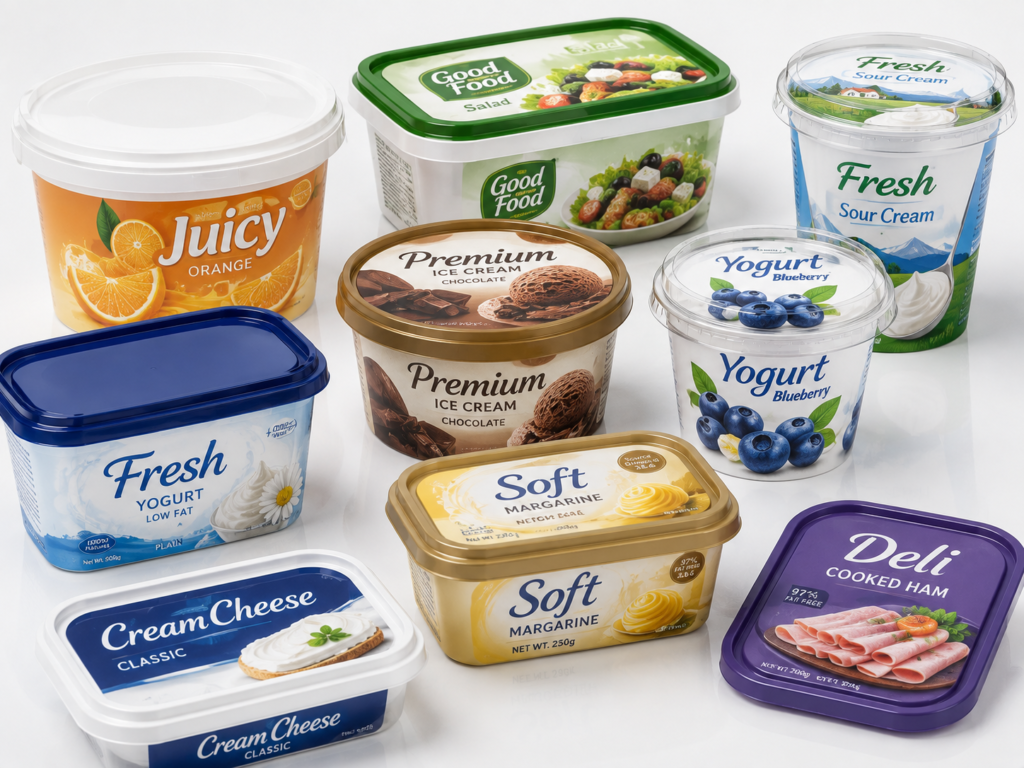
Labels are integrated directly into the molded part during injection molding, providing excellent durability and eliminating secondary labeling operations.

Pad Printing

Ideal for logos, product identification, and batch information.

Hot Stamping

Adds metallic decorative effects for premium cosmetic and personal care packaging.


Decoration Technology Comparison

TechnologyAppearanceDurabilityTypical Application
High GlossPremiumExcellentCosmetic jars
Mold TextureMatteExcellentFood containers
IMLDecorativeExcellentFood tubs
Pad PrintingLogo PrintingGoodBottle caps
Hot StampingMetallic FinishExcellentLuxury packaging
High Gloss
Mold Texture
IML
Pad Printing
Hot stamping

Quality Control and Testing

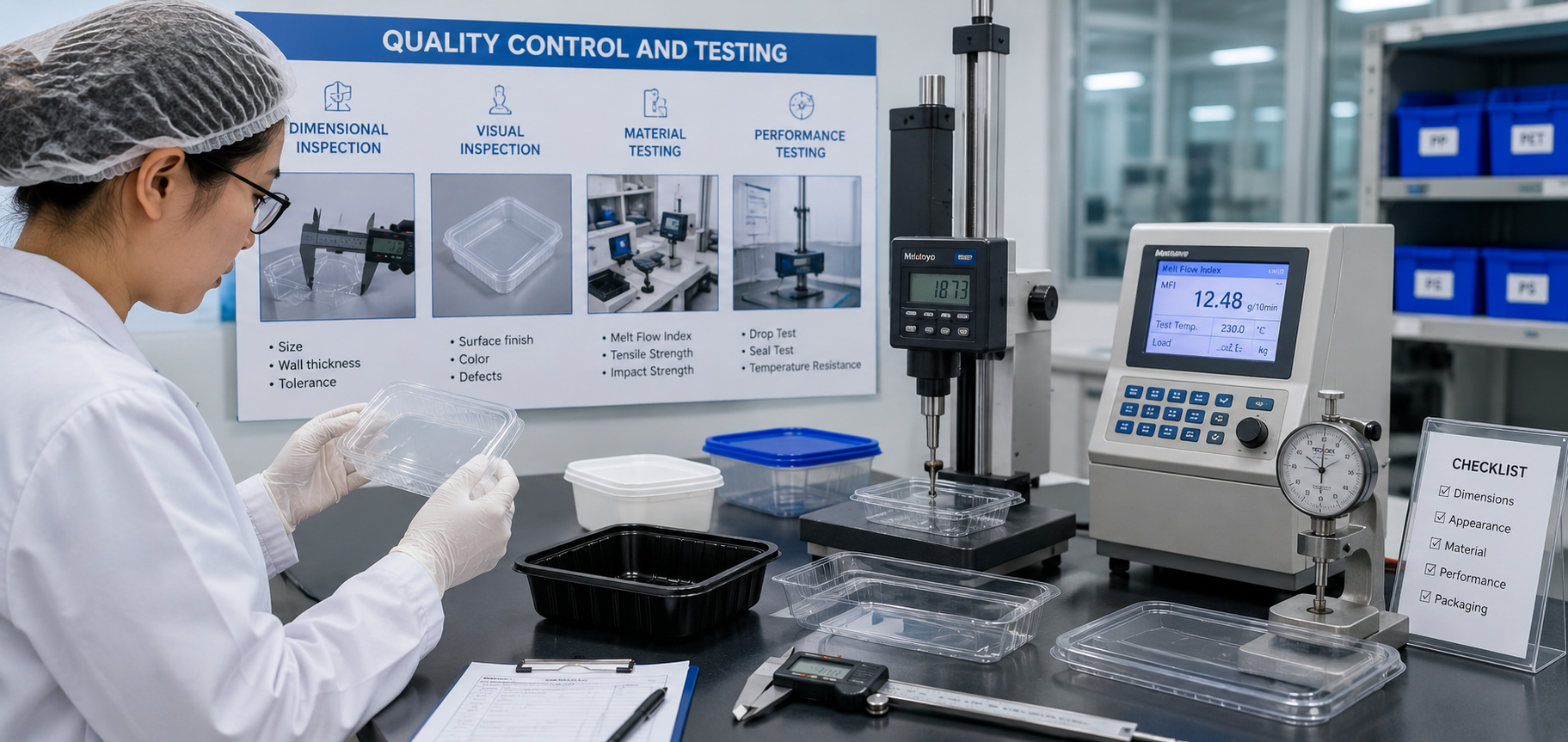
Packaging components are often produced in very high volumes, making robust quality control essential. Automated inspection systems and standardized testing procedures help ensure consistency across millions of parts.

Typical Inspection Items

  • Maßhaltigkeit
  • Weight consistency
  • Surface appearance
  • Seal performance
  • Thread engagement
  • Leak testing
  • Drop resistance
  • Color consistency

For food and pharmaceutical packaging, cleanliness and contamination control are also critical.


Packaging Quality Control Process

Inspection StageObjective
Incoming Material InspectionVerify resin quality
First Article InspectionApprove production samples
In-Process InspectionMonitor production stability
Leak TestingEnsure sealing performance
Functional TestingVerify assembly and usability
Final InspectionShipment approval

Common Manufacturing Challenges and Solutions

Packaging products often feature thin walls, fine threads, decorative surfaces, and high production volumes. These characteristics require careful mold design and process optimization.

ChallengePossible CauseRecommended Solution
Sink MarksThick wall sectionsOptimize wall thickness
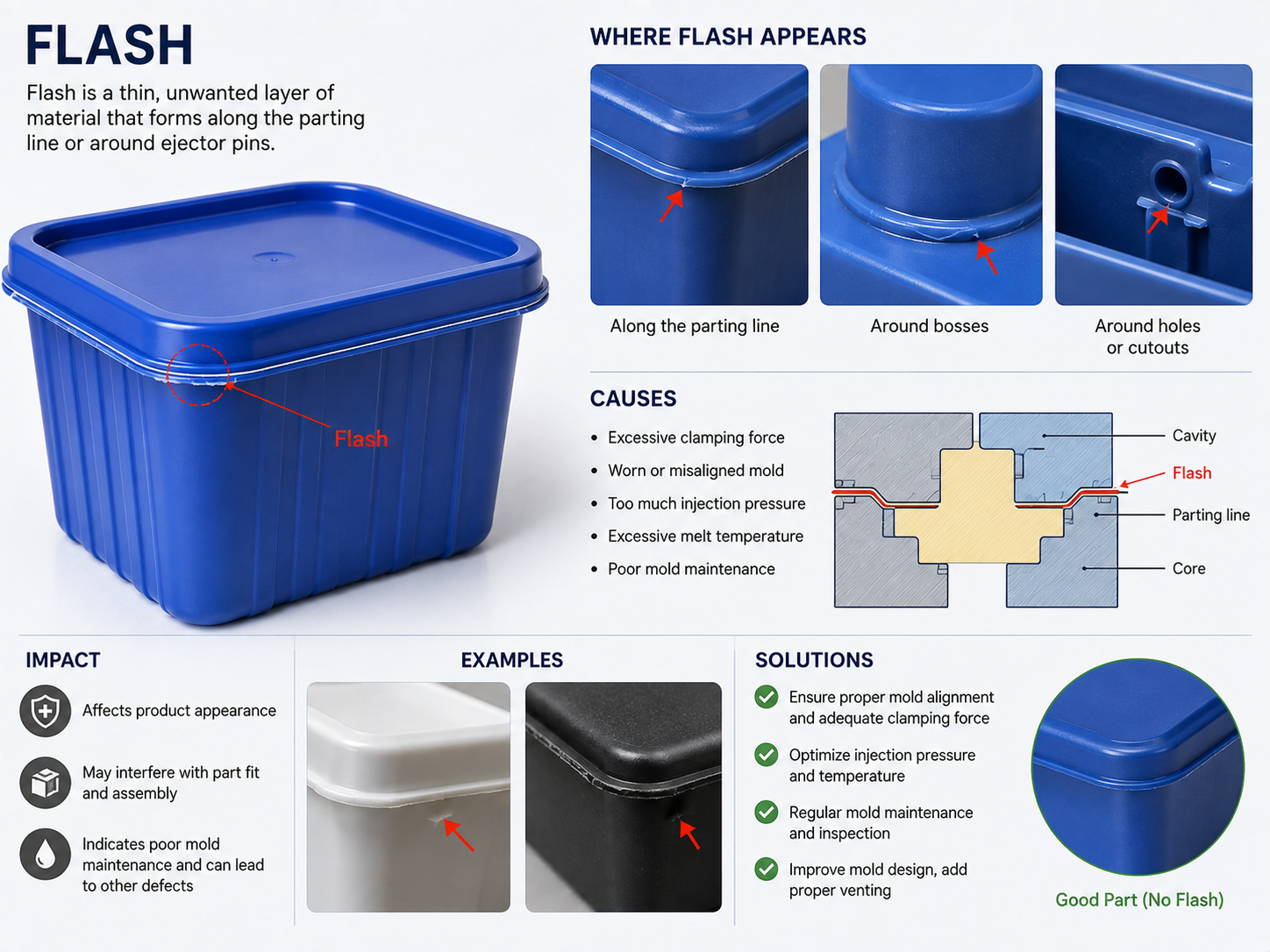
FlashMold wear or poor clampingImprove mold maintenance
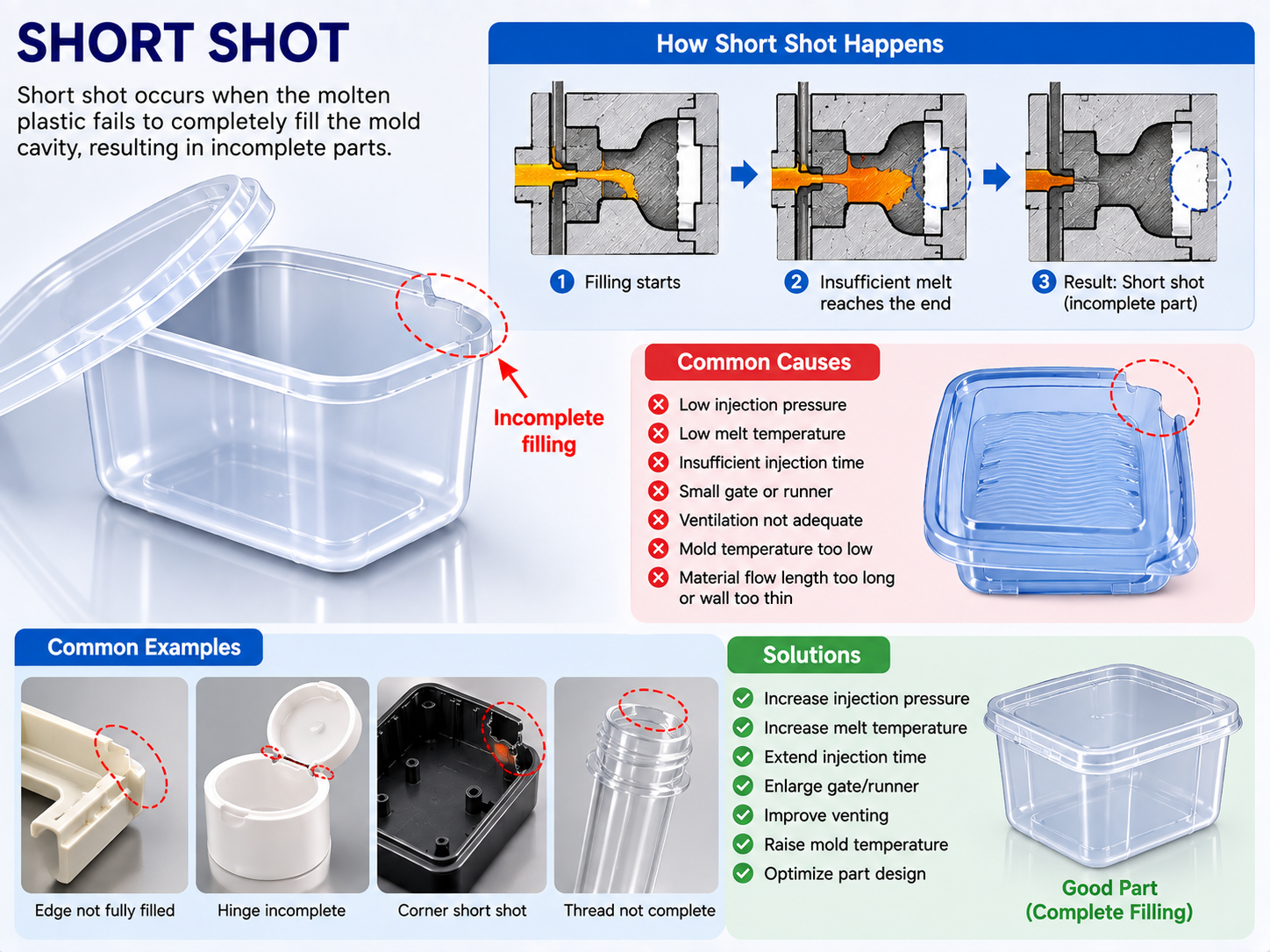
Short ShotInadequate fillingOptimize gate design
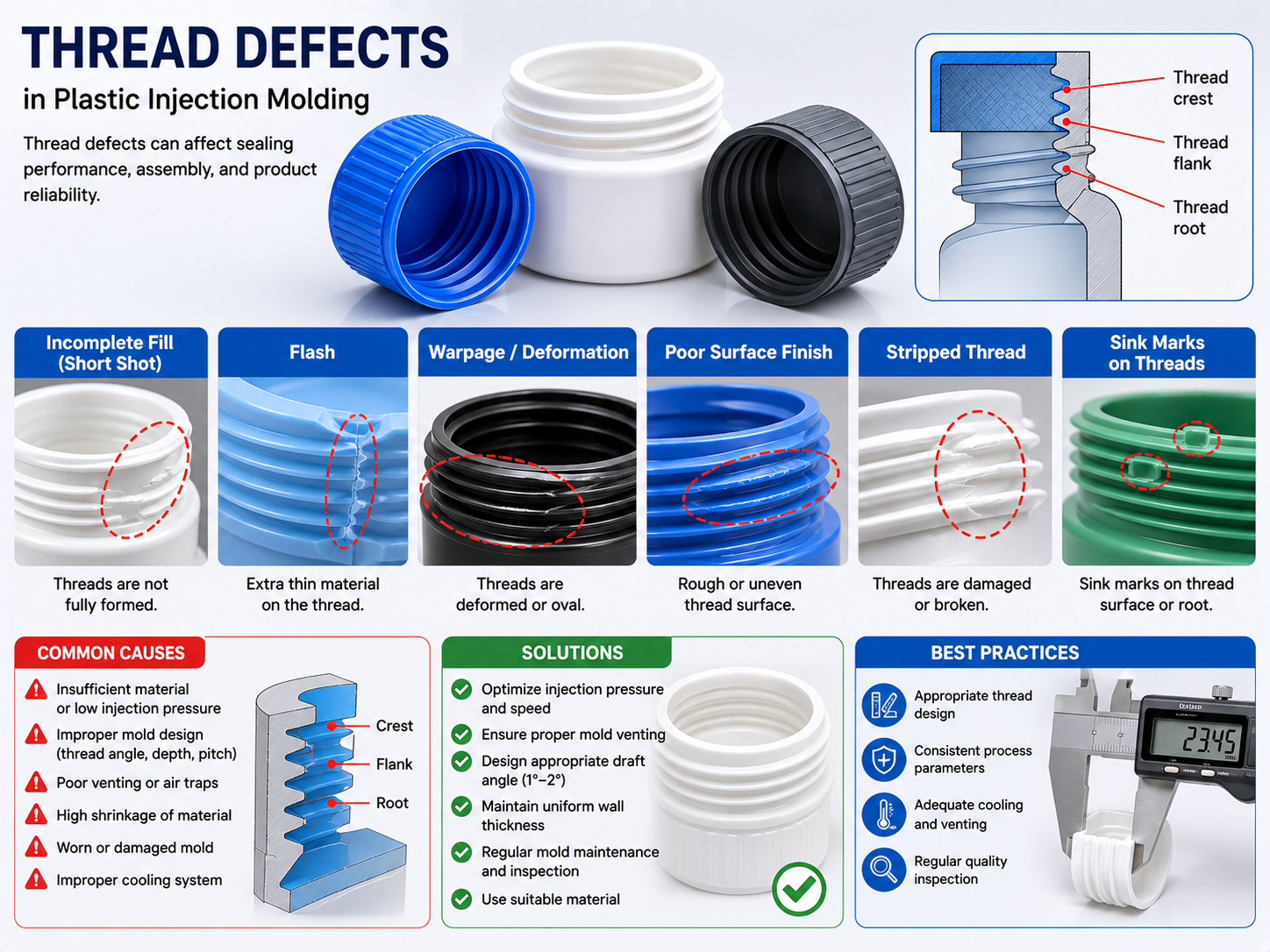
Thread DefectsPoor mold alignmentImprove machining precision
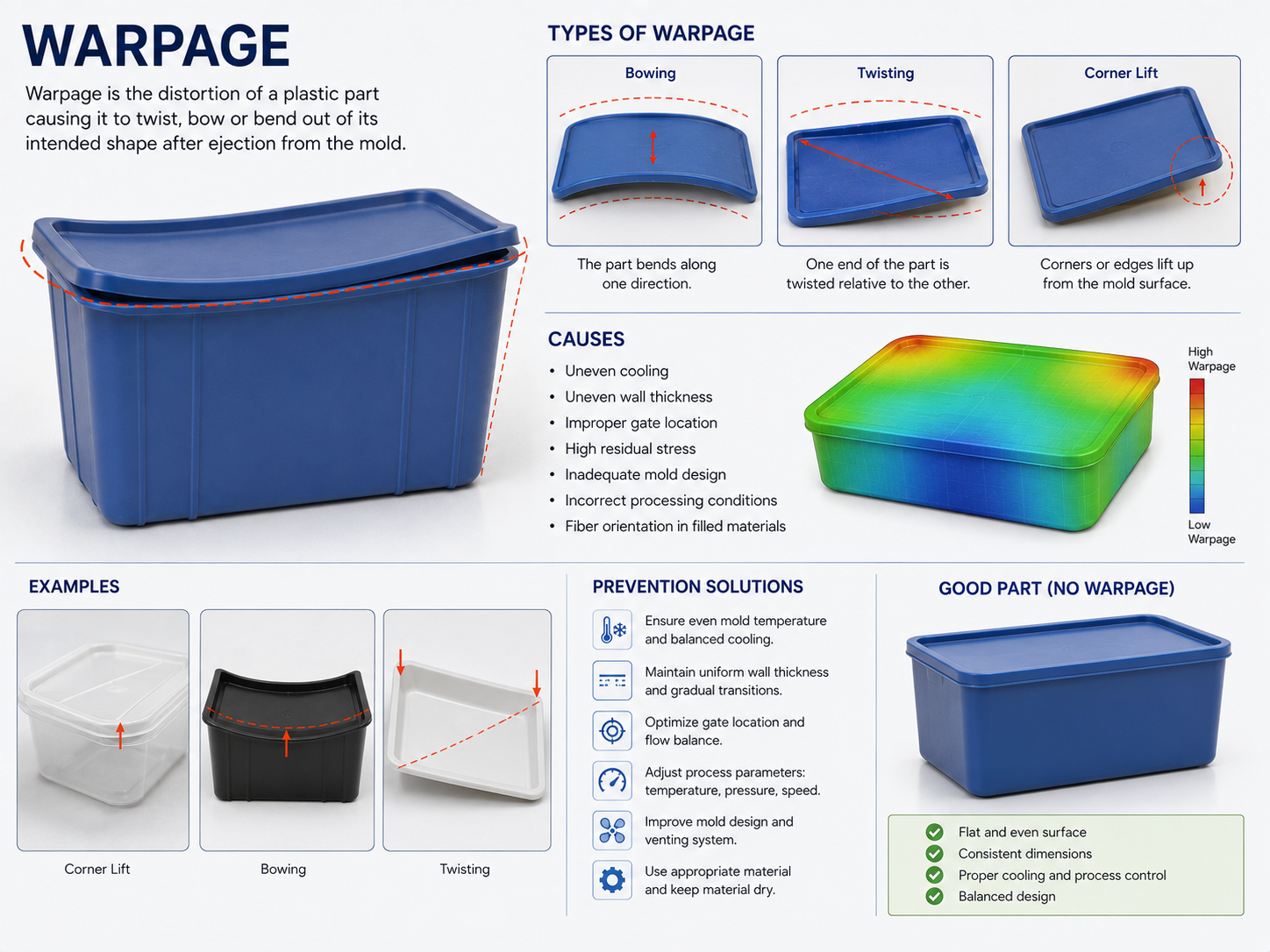
WarpageUneven coolingOptimize cooling channels
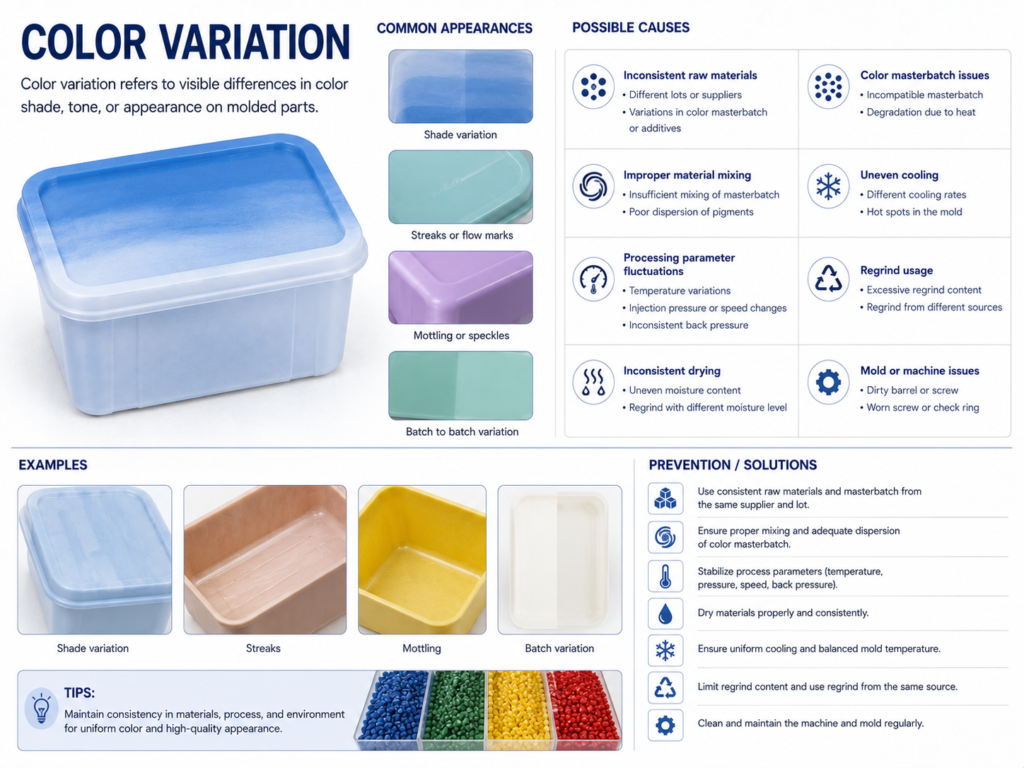
Color VariationMaterial inconsistencyTight material control
LeakagePoor sealing designOptimize sealing geometry

Using DFM analysis and Moldflow simulation during product development helps identify potential manufacturing issues before tooling begins.

Sustainable Packaging and Recycled Materials

Sustainability has become a major focus in the packaging industry. Many global brands are reducing plastic waste by adopting recyclable materials, lightweight designs, and reusable packaging systems.

Injection molding supports these initiatives through efficient material utilization and compatibility with recycled and bio-based plastics.

Sustainable Solutions

  • Recycled PP (rPP)
  • Recycled HDPE (rHDPE)
  • Bio-based plastics
  • Lightweight structural optimization
  • Reusable packaging
  • Mono-material packaging for easier recycling

Designing for recyclability from the beginning of a project helps improve environmental performance without compromising product quality.


Sustainable Material Comparison

MaterialRecyclabilityTypische Anwendungen
PPExcellentFood containers
HDPEExcellentBottles
PETExcellentTransparent packaging
rPPExcellentIndustrial packaging
rHDPEExcellentHousehold packaging

Why Choose Samgo for Packaging Injection Molding?

At Samgo, we provide complete tooling and manufacturing solutions for plastic packaging products across food, cosmetics, pharmaceuticals, household goods, and industrial applications.

Our Capabilities

ServiceCustomer Benefit
Product Design SupportFaster product development
DFM AnalysisImproved manufacturability
Moldflow SimulationReduced tooling risk
Precision Mold ManufacturingLong mold life
High-Volume Injection MoldingStable production
Surface Decoration SupportPremium appearance
Quality InspectionConsistent product quality

Our engineering team works closely with customers to optimize product performance, production efficiency, and manufacturing cost from concept through mass production.


Frequently Asked Questions

Which plastic is most commonly used for food packaging?

Polypropylene (PP) is one of the most widely used materials because it offers excellent chemical resistance, food-contact safety, low cost, and good processing performance.

Can injection molded packaging be recycled?

Yes. Many packaging materials such as PP, HDPE, and PET are recyclable. Packaging designed with mono-material structures is generally easier to recycle than multi-material assemblies.

Why is Moldflow analysis important for packaging?

Packaging products often feature thin walls and complex geometries. Moldflow simulation helps optimize filling balance, reduce warpage, minimize weld lines, and shorten development time.

Does Samgo manufacture custom packaging molds?

Yes. We provide custom injection molds and plastic parts for food packaging, cosmetic containers, pharmaceutical packaging, household products, and industrial packaging applications.

Fazit

Injection molding is a cornerstone technology for the modern packaging industry, enabling manufacturers to produce high-quality, cost-effective, and visually appealing plastic packaging components at scale. From food containers and cosmetic jars to pharmaceutical closures and industrial protective packaging, the process offers exceptional design flexibility, dimensional accuracy, and production efficiency.

Successful packaging projects depend on selecting suitable materials, complying with international standards, optimizing mold design, and implementing rigorous quality control. As sustainability becomes increasingly important, integrating recyclable materials and environmentally conscious design practices will help manufacturers meet market expectations while supporting long-term business growth.

At Samgo, we combine engineering expertise, precision mold manufacturing, and advanced injection molding capabilities to deliver reliable packaging solutions tailored to your application and production requirements.

Möchten Sie den aktuellen Preis erfahren? Wir werden so schnell wie möglich (innerhalb von 12 Stunden) antworten.

Arten von Kunststoffspritzgießanggüssen: Auswahl, Designprinzipien, Vorteile und Anwendungen

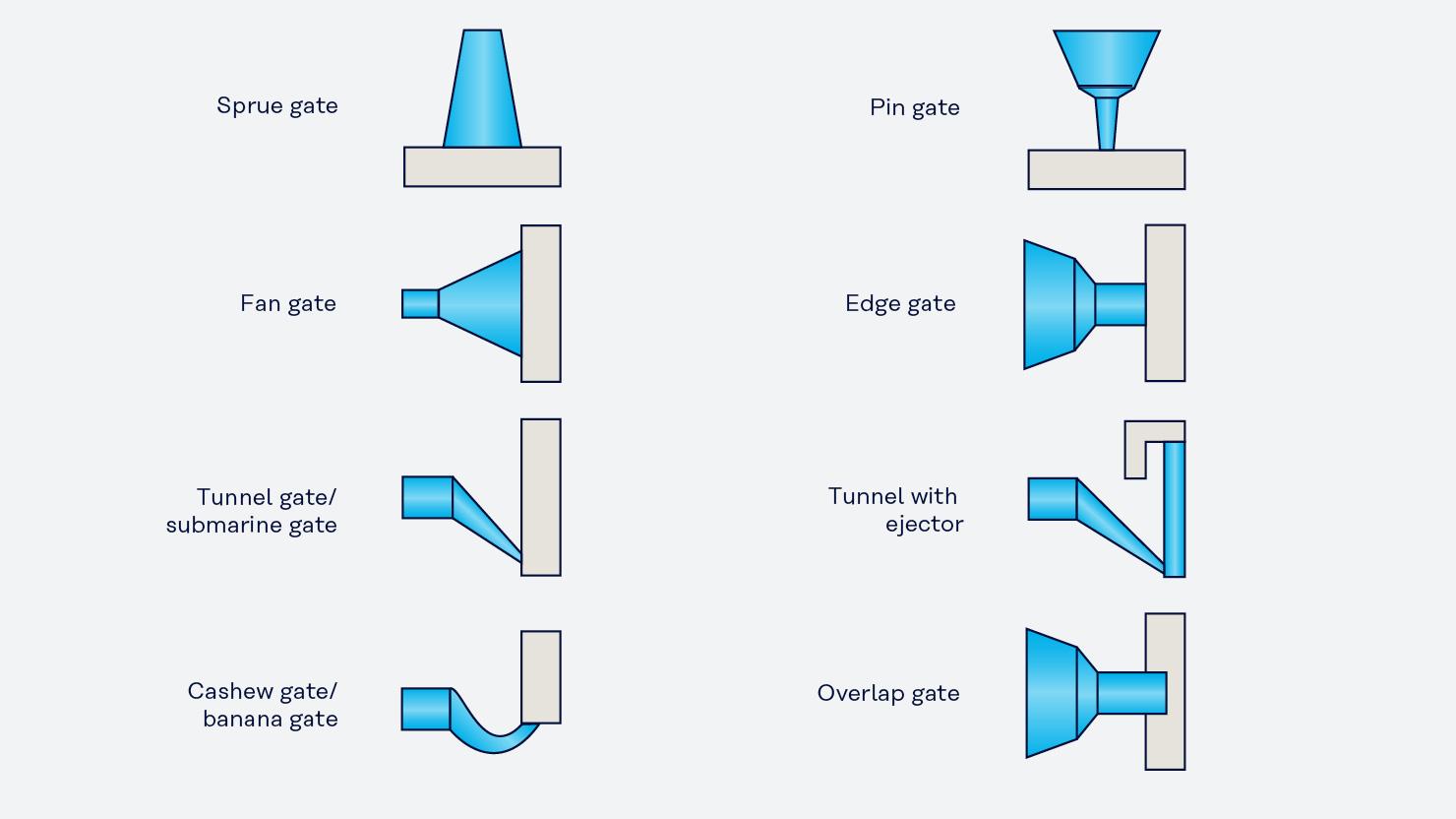
Die Angusstgestaltung ist einer der kritischsten Aspekte des Spritzgießwerkzeugbaus. Obwohl der Anguss meist das kleinste Merkmal im Angusssystem ist, hat er einen erheblichen Einfluss auf den Schmelzfluss, den Nachdruck, die Kühleffizienz, das Bauteilbild, die Zykluszeit und die gesamte Produktqualität.

Ein schlecht gestalteter Anguss kann zahlreiche Formfehler verursachen, darunter unvollständige Füllungen (Short Shots), Einfallstellen, Bindenähte, Schlierenbildung (Jetting), Brandflecken, übermäßige Angussreste und Bauteilverzug. Umgekehrt trägt die Auswahl des geeigneten Angusstyps und der passenden Angussstelle dazu bei, eine ausgewogene Füllung, gleichmäßige Maßhaltigkeit und eine effiziente Produktion sicherzustellen.
Weiterlesen »

Polypropylen (PP)-Werkstoffe: Typen, Sorten, Eigenschaften und Anwendungen

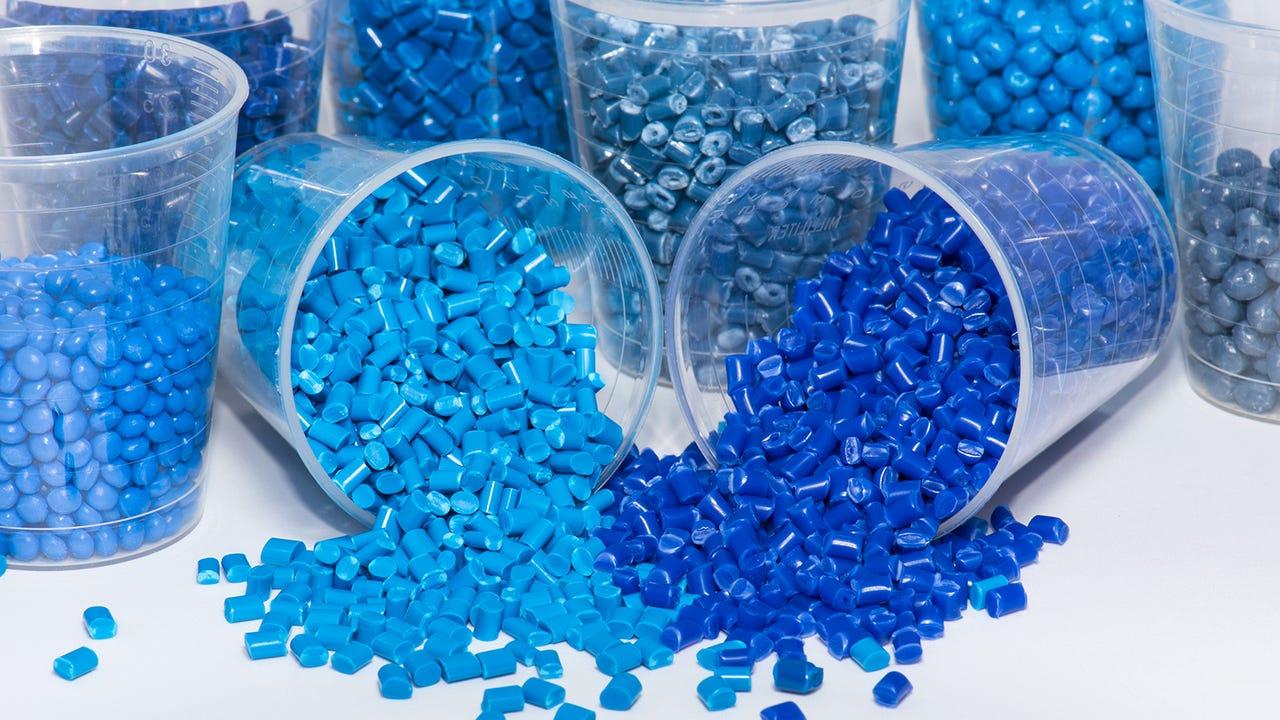
Polypropylen (PP) ist einer der weltweit am häufigsten verwendeten Thermoplaste und macht einen bedeutenden Anteil der globalen Kunststoffproduktion aus. Dank seiner ausgezeichneten Kombination aus mechanischen Eigenschaften, chemischer Beständigkeit, geringem Gewicht und Wirtschaftlichkeit hat sich PP zum bevorzugten Material für unzählige Spritzgussprodukte in den Bereichen Automobil, Haushalt, Medizintechnik, Verpackung, Elektroindustrie und in industriellen Anwendungen entwickelt.

Modernes Polypropylen ist in vielen verschiedenen Qualitäten und Formulierungen erhältlich. Hersteller können je nach Produktanforderung zwischen Homopolymer-PP, statistischem Copolymer-PP, Impact-Copolymer-PP, glasfaserverstärktem PP, mineralgefülltem PP, flammhemmendem PP, UV-stabilisiertem PP und lebensmittelechtem PP wählen.
Weiterlesen »

Spritzguss-Flussanalyse: Ein kompletter Leitfaden zur Moldflow-Simulation für Kunststoffteile

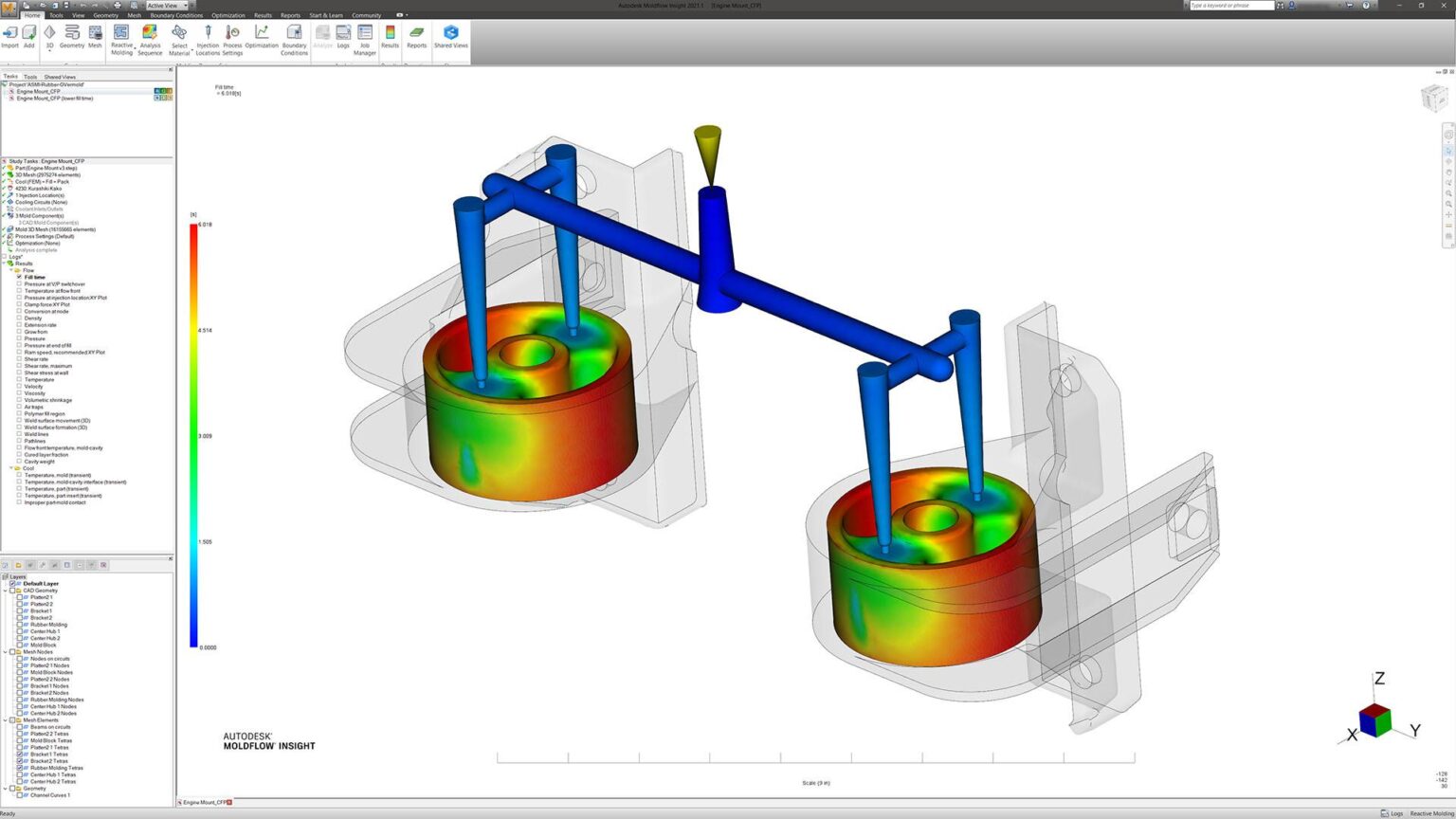
In der modernen Entwicklung von Kunststoffprodukten basiert der Werkzeugbau nicht mehr ausschließlich auf ingenieurtechnischer Erfahrung. Computer-Aided Engineering (CAE) ist zu einem wesentlichen Bestandteil des Spritzgießprozesses geworden und versetzt Ingenieure in die Lage, potenzielle Formteilevorteile vorherzusagen, bevor ein Werkzeug hergestellt wird. Unter diesen Technologien ist die Spritzgieß-Fließanalyse, oft auch als Moldflow-Analyse bezeichnet, eines der wertvollsten Engineering-Werkzeuge zur Reduzierung von Entwicklungsrisiken, zur Verkürzung von Durchlaufzeiten und zur Verbesserung der Bauteilqualität.
Weiterlesen »

Erklärung der Spritzgusswerkzeug-Struktur: Ein kompletter Leitfaden zu Kunststoff-Formkomponenten und deren Design

Das Kunststoffsitz-Spritzgießen ist eines der effizientesten Herstellungsverfahren zur Herstellung hochwertiger Kunststoffkomponenten mit außergewöhnlicher Präzision und Wiederholgenauigkeit. Die Qualität jedes Spritzgussteils hängt jedoch größtenteils vom Design und der Konstruktion der Spritzgussform selbst ab. Eine gut konstruierte Form ist weit mehr als nur ein Stahlblock – sie ist ein komplexes mechanisches System, das den Fluss des geschmolzenen Kunststoffs, die Kühlung, die Teilauswerfung, die Maßhaltigkeit und die Produktionseffizienz steuert.

Eine Spritzgussform besteht typischerweise aus Dutzenden oder sogar Hunderten präzisionsgefertigten Komponenten, die während jedes Spritzgießzyklus nahtlos zusammenarbeiten. Jedes Bauteil hat einen bestimmten Zweck – vom Leiten des geschmolzenen Kunststoffs in die Kavität bis hin zum beschädigungsfreien Auswerfen des fertigen Teils. Selbst geringfügige Verbesserungen der Formkonstruktion können die Zykluszeit deutlich verkürzen, die Produktqualität verbessern, die Lebensdauer der Form verlängern und die Herstellungskosten senken.
Weiterlesen »

Farbabstimmung von Kunststoff für das Spritzgießen: Ein vollständiger Leitfaden zu RAL, Pantone, Masterbatch und Sonderfarben

Farbe ist beim Kunststoffspritzen weit mehr als nur ein ästhetisches Merkmal – sie spielt eine entscheidende Rolle für Produkt-Branding, Kundenwahrnehmung, Qualitätskontrolle und Marktdifferenzierung. Ob bei der Herstellung von Unterhaltungselektronik, Automobilinnenräumen, medizinischen Geräten, Industriegeräten oder Outdoor-Produkten – eine präzise und konsistente Farbabstimmung ist für den Markterfolg unerlässlich.

Weiterlesen »