Introduction
In modern product development, speed, accuracy, and risk reduction are critical to success. Before investing in expensive production tooling and large-scale manufacturing, companies need to verify product designs, test functionality, evaluate assembly processes, and validate market acceptance. This is where industrial prototyping plays a vital role.
Industrial prototyping bridges the gap between digital design and mass production. By creating physical models and functional samples early in the development process, engineers can identify design flaws, improve performance, optimize manufacturability, and significantly reduce development costs.
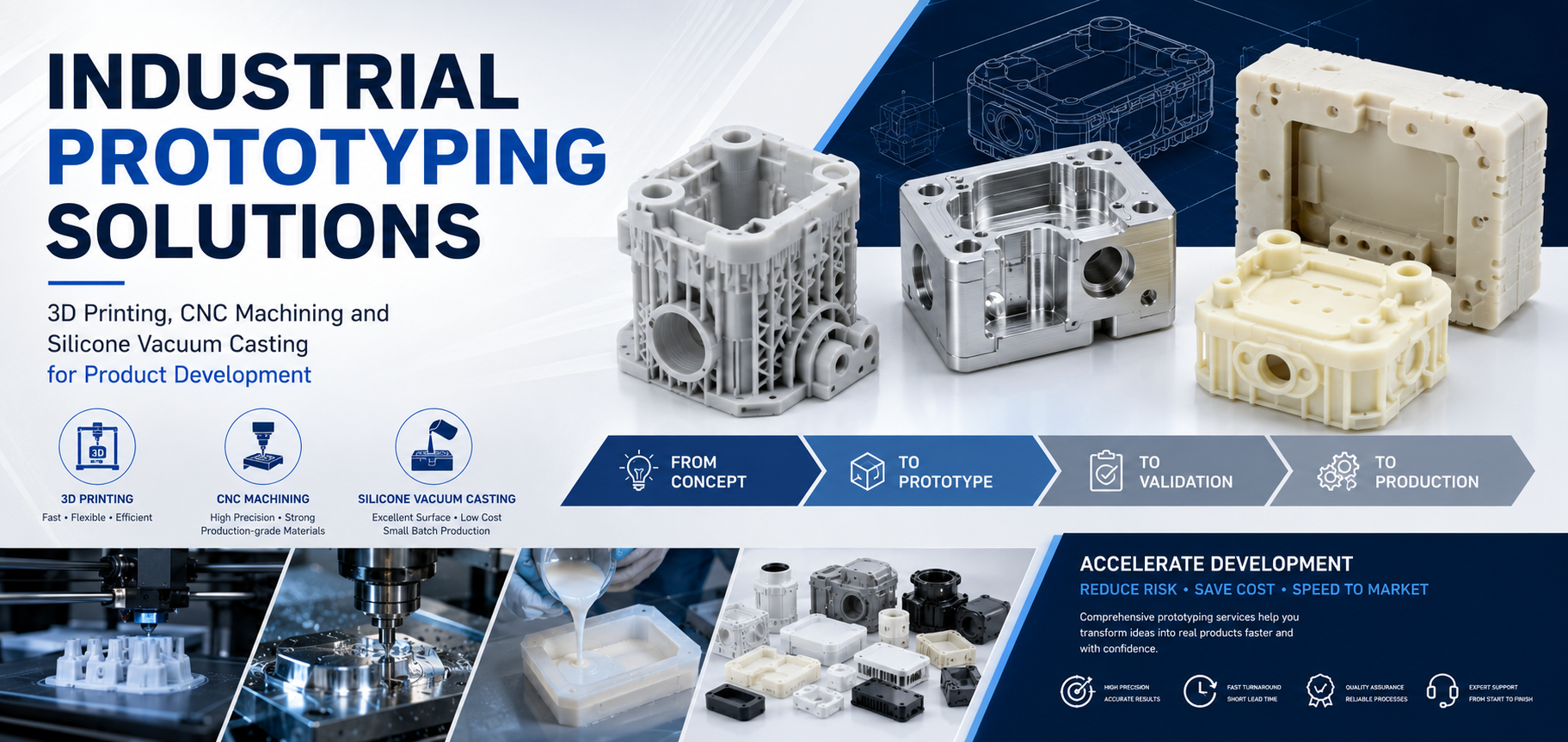
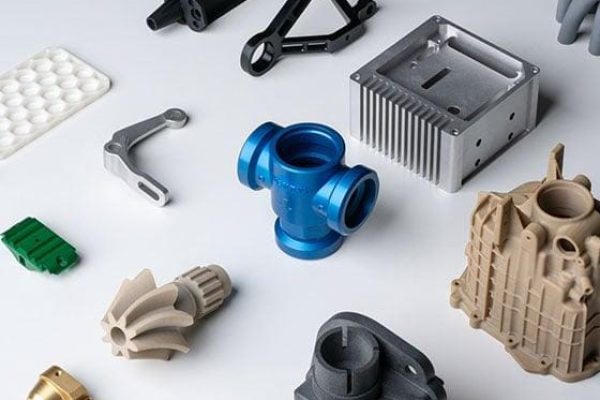
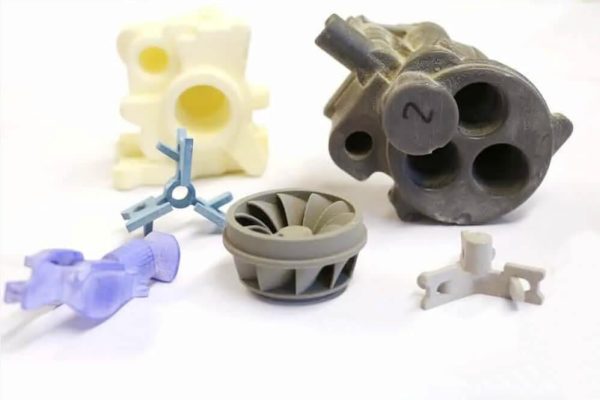
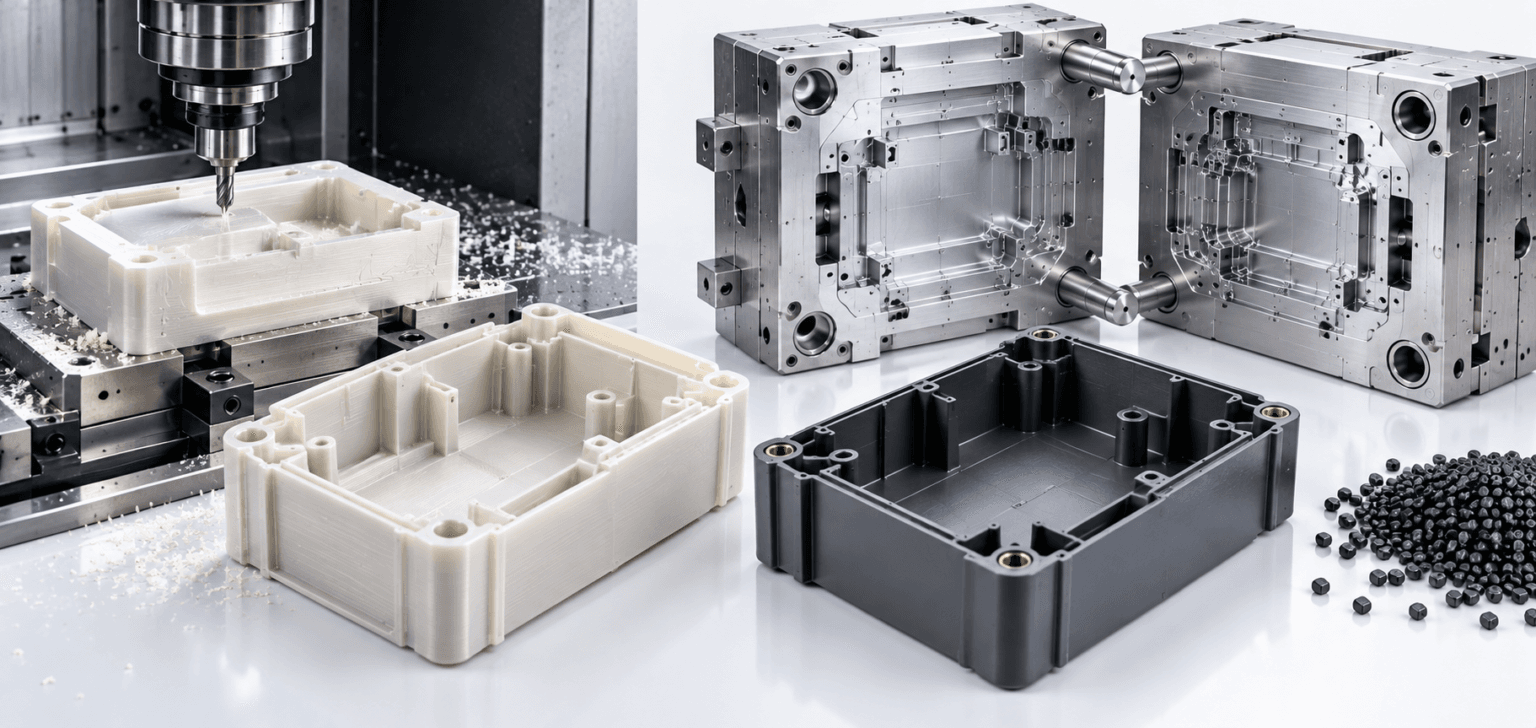
Today, the most widely used prototyping technologies include 3D Printing, CNC Machining, and Silicone Vacuum Casting. Each process offers unique advantages and serves different stages of product development. From concept models and engineering verification to low-volume production, these technologies help companies bring innovative products to market faster and more efficiently.
This article explores the key prototyping technologies, their benefits, applications, and how they contribute to successful product development.
Why Prototyping Is Essential
Before production tooling is manufactured, prototypes allow engineers to evaluate critical aspects of a product.
Key Benefits of Prototyping
- Validate product appearance
- Test functionality
- Verify assembly processes
- Evaluate ergonomics
- Identify design issues early
- Reduce development risks
- Accelerate product launch
Without prototyping, design errors often remain hidden until mold manufacturing begins, leading to expensive modifications and production delays.
Prototype Development Benefits
| Benefit | Description |
|---|---|
| Faster Product Development | Reduce engineering iterations |
| Lower Risk | Identify problems early |
| Cost Savings | Minimize mold modifications |
| Better Quality | Improve product performance |
| Market Validation | Obtain customer feedback |
The Product Development Workflow
Most successful products follow a structured development process.
Typical Workflow
- Product Concept
- Industrial Design
- 3D CAD Modeling
- Prototype Manufacturing
- Functional Testing
- Design Optimization
- Tooling Development
- Mass Production
Prototyping serves as the critical bridge between digital design and manufacturing.

3D Printing Technology
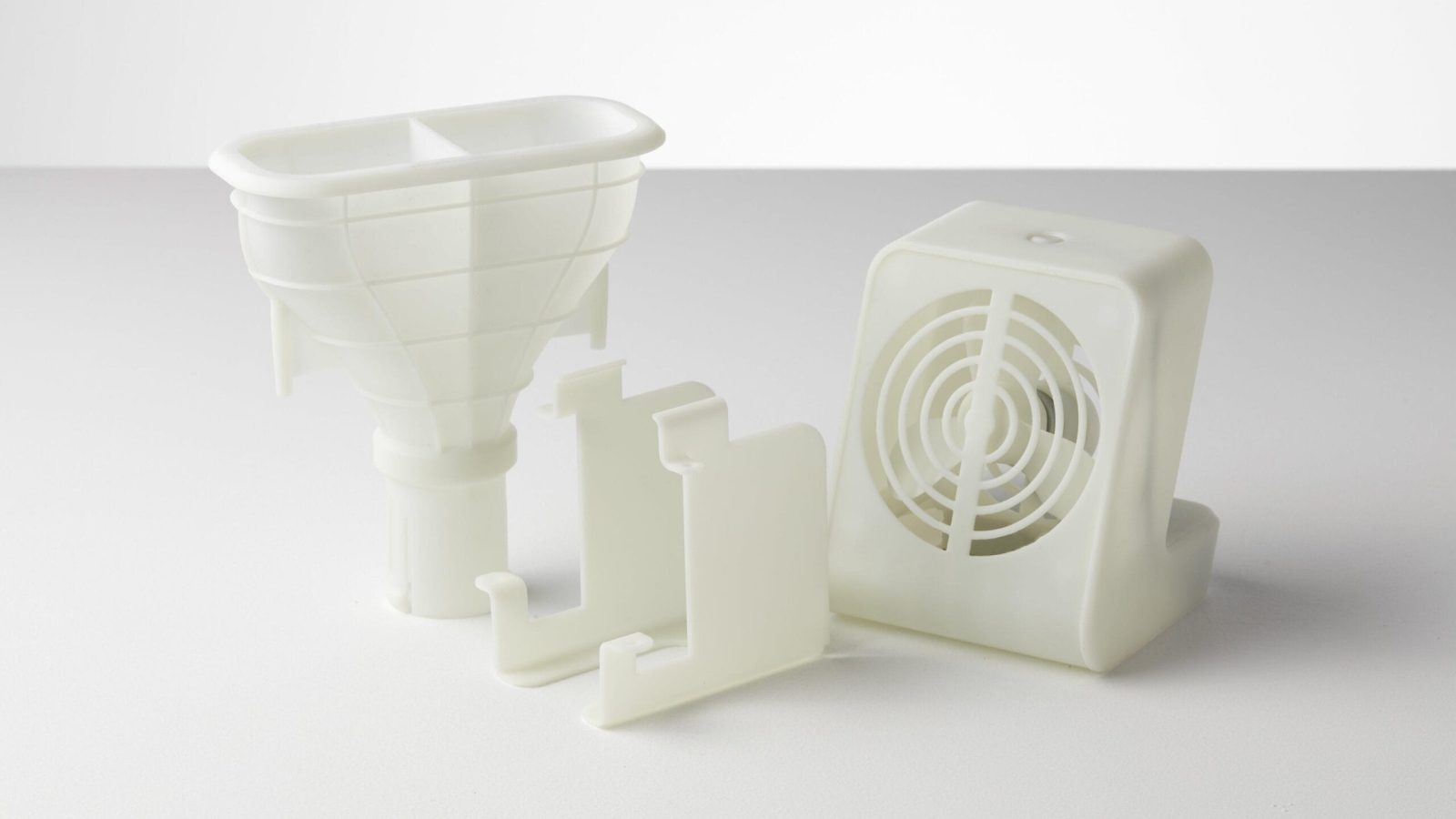
3D printing has transformed modern product development by enabling rapid creation of physical parts directly from CAD models.
Unlike traditional manufacturing methods, 3D printing builds components layer by layer without requiring molds or tooling.
Advantages of 3D Printing
- Extremely fast turnaround
- No tooling investment
- Complex geometry capability
- Low-cost design validation
- Rapid design iteration
Common 3D Printing Technologies
| Technology | Characteristics |
| SLA | High precision, smooth surface |
| SLS | Strong engineering parts |
| FDM | Economical prototypes |
| MJF | Excellent mechanical properties |
Typical Applications
3D printing is commonly used for:
- Appearance models
- Concept verification
- Engineering evaluation
- Functional prototypes
- Customer presentations
Because no tooling is required, engineers can quickly modify designs and produce updated prototypes within days.
CNC Machining Prototypes
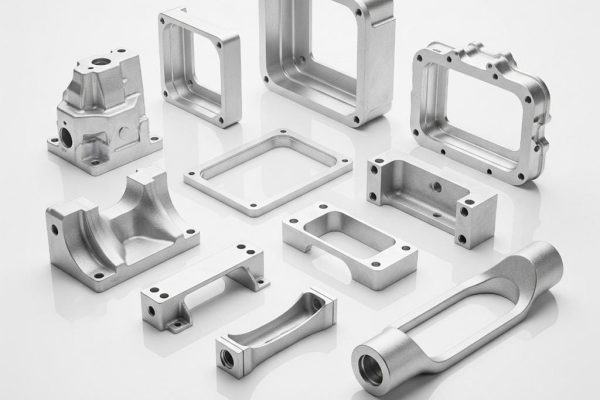
When precision and production-grade materials are required, CNC machining becomes the preferred solution.
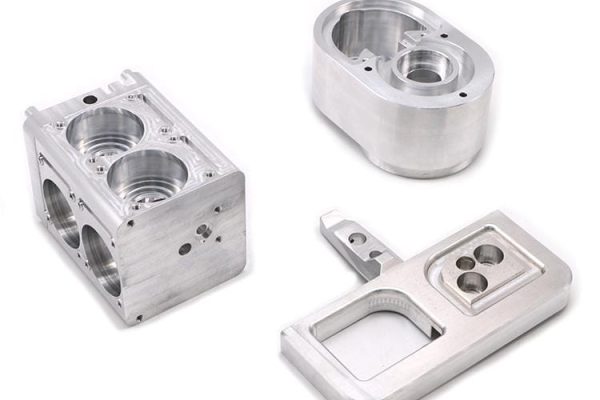
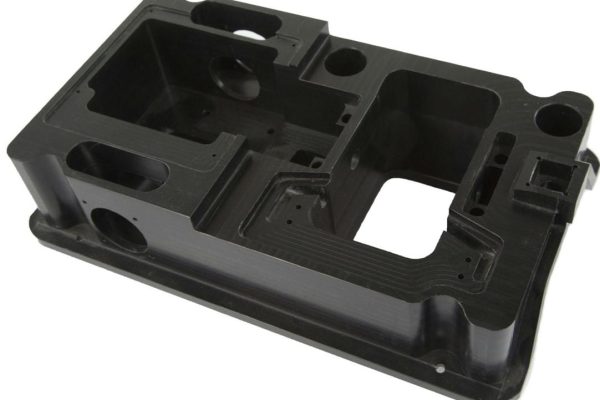
CNC machining uses computer-controlled cutting tools to remove material from solid blocks of plastic or metal.
Advantages of CNC Machining
- Exceptional dimensional accuracy
- Tight tolerances
- Superior surface finish
- Production-grade materials
- Excellent mechanical properties
Common Prototype Materials
| Material | Typical Application |
| ABS | Electronic housings |
| PC | Optical products |
| POM | Mechanical components |
| Aluminum | Functional testing |
| Brass | Precision assemblies |
| Stainless Steel | Industrial applications |
Typical Applications
- Functional testing
- Mechanical validation
- Engineering assemblies
- Production simulation
- Low-volume manufacturing
CNC-machined prototypes often closely resemble final production parts, making them ideal for engineering evaluation.
Silicone Vacuum Casting
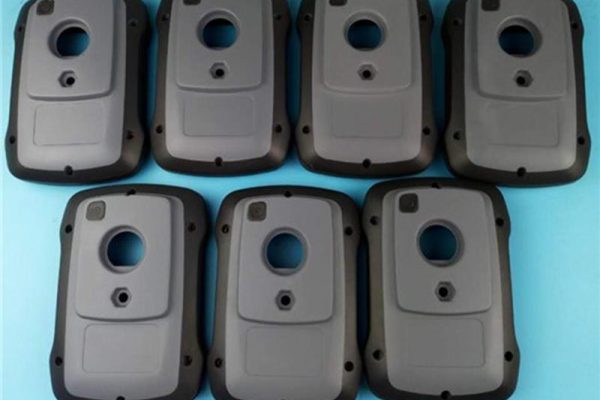
Silicone vacuum casting is widely used when customers require small batches of production-quality prototype parts.
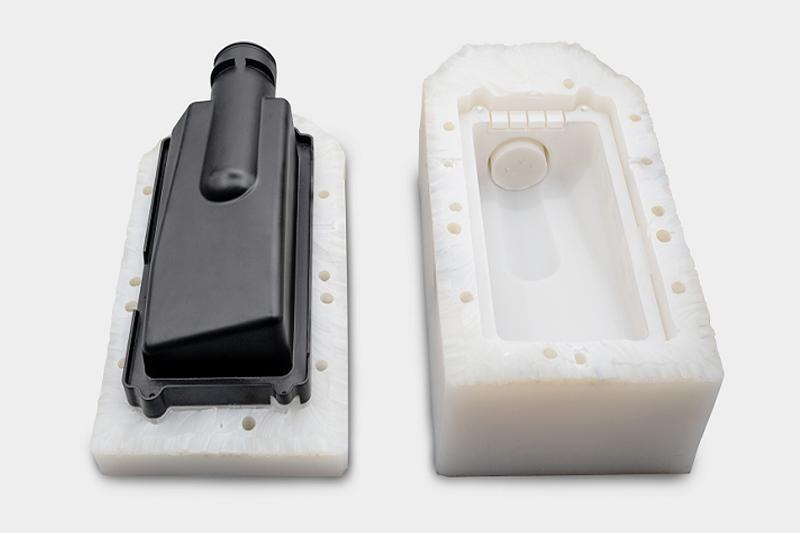
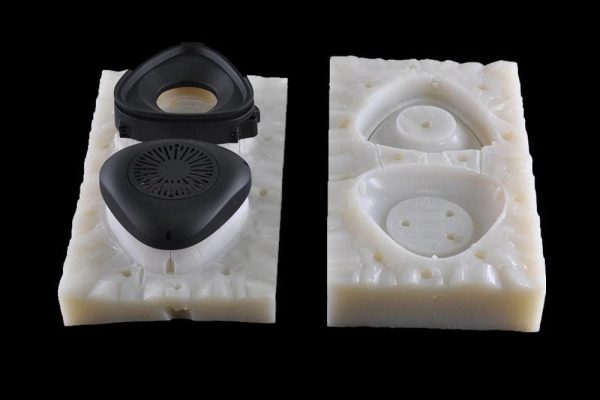
The process begins with a master model produced through 3D printing or CNC machining. A silicone mold is created around the master model, and polyurethane resin is cast under vacuum conditions.
Advantages of Vacuum Casting
- Low tooling investment
- Excellent surface finish
- Production-like appearance
- Fast turnaround
- Suitable for multiple parts
Production Quantities
| Quantity | Recommended Process |
| 1-5 pcs | 3D Printing |
| 5-20 pcs | CNC Machining |
| 20-100 pcs | Vacuum Casting |
| 100+ pcs | Injection Molding |
Applications
Vacuum casting is ideal for:
- Product demonstrations
- Marketing samples
- Functional evaluation
- Customer approval
- Pilot production
Because silicone molds replicate fine details extremely well, vacuum cast parts often look nearly identical to injection molded products.
Comparing Prototype Technologies
Each prototyping method offers different advantages.
| Feature | 3D Printing | CNC Machining | Vacuum Casting |
| Lead Time | Excellent | Good | Good |
| Precision | High | Excellent | High |
| Surface Finish | Good | Excellent | Excellent |
| Material Selection | Moderate | Excellent | Good |
| Mechanical Performance | Moderate | Excellent | Good |
| Production Quantity | Low | Low-Medium | Medium |
| Cost Efficiency | Excellent | Moderate | Excellent |
Selecting the correct process depends on project requirements, performance needs, budget, and timeline.
Industries That Use Industrial Prototyping
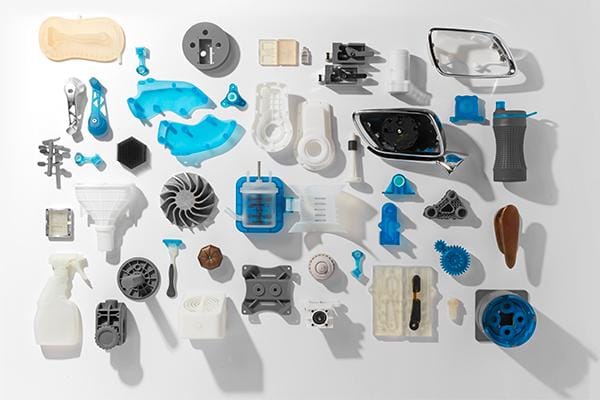
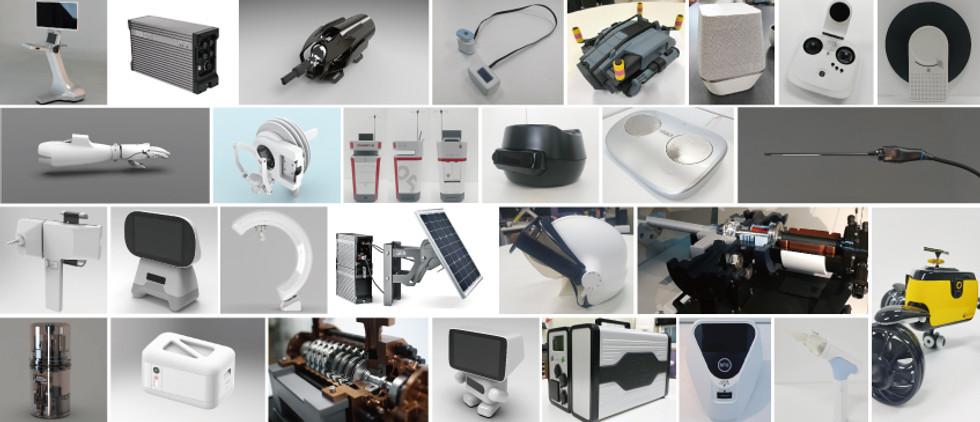
Industrial prototyping supports nearly every manufacturing industry.
Consumer Electronics
Applications include:
- Smart devices
- Router housings
- Power supplies
- Portable electronics
Medical Devices
Applications include:
- Diagnostic equipment
- Laboratory instruments
- Monitoring systems
Industrial Equipment
Applications include:
- Control systems
- Machine housings
- Automation products
Outdoor Products
Applications include:
- Outdoor lighting
- Solar products
- Electrical enclosures
- Communication equipment
Prototyping helps ensure these products meet both performance and manufacturing requirements.

From Prototype to Production
Once prototype validation is completed, the project can move confidently into production.
Next Development Stages
- Design Optimization
- DFM Analysis
- Mold Design
- Injection Mold Manufacturing
- Injection Molding Production
At Samgo, our engineering team supports customers throughout the entire development cycle, ensuring a smooth transition from concept to production.
Complete Development Services
| Service | Purpose |
| Product Design | Engineering development |
| 3D Printing | Concept verification |
| CNC Machining | Functional testing |
| Vacuum Casting | Small batch production |
| Mold Manufacturing | Production tooling |
| Injection Molding | Mass production |
Why Choose Samgo for Industrial Prototyping?
Samgo provides complete product development support under one roof.
Our Capabilities
✓ Product Design
✓ Industrial 3D Modeling
✓ SLA/SLS/MJF Printing
✓ CNC Machining
✓ Silicone Vacuum Casting
✓ Injection Mold Manufacturing
✓ Plastic Injection Molding
Industries Served
- Consumer Electronics
- Medical Devices
- Outdoor Products
- Industrial Equipment
- Automotive Components
- Electrical Enclosures
By integrating design, prototyping, tooling, and manufacturing services, we help customers shorten development cycles and reduce project risks.
Conclusion
Industrial prototyping is an essential step in transforming innovative ideas into successful products. Whether through rapid 3D printing, precision CNC machining, or production-quality silicone vacuum casting, prototyping enables engineers to verify designs, improve product performance, and reduce manufacturing risks before mass production begins.
Choosing the right prototyping technology at the right stage of development can significantly improve efficiency, reduce costs, and accelerate time to market. With professional engineering support and advanced manufacturing capabilities, companies can move from concept to production with greater confidence and success.
For businesses seeking reliable product development solutions, industrial prototyping remains one of the most valuable investments in the entire product development process.
Get the latest price? We will reply as soon as possible (within 12 hours)

Plastic Injection Molding Gate Types: Selection, Design Principles, Advantages, and Applications
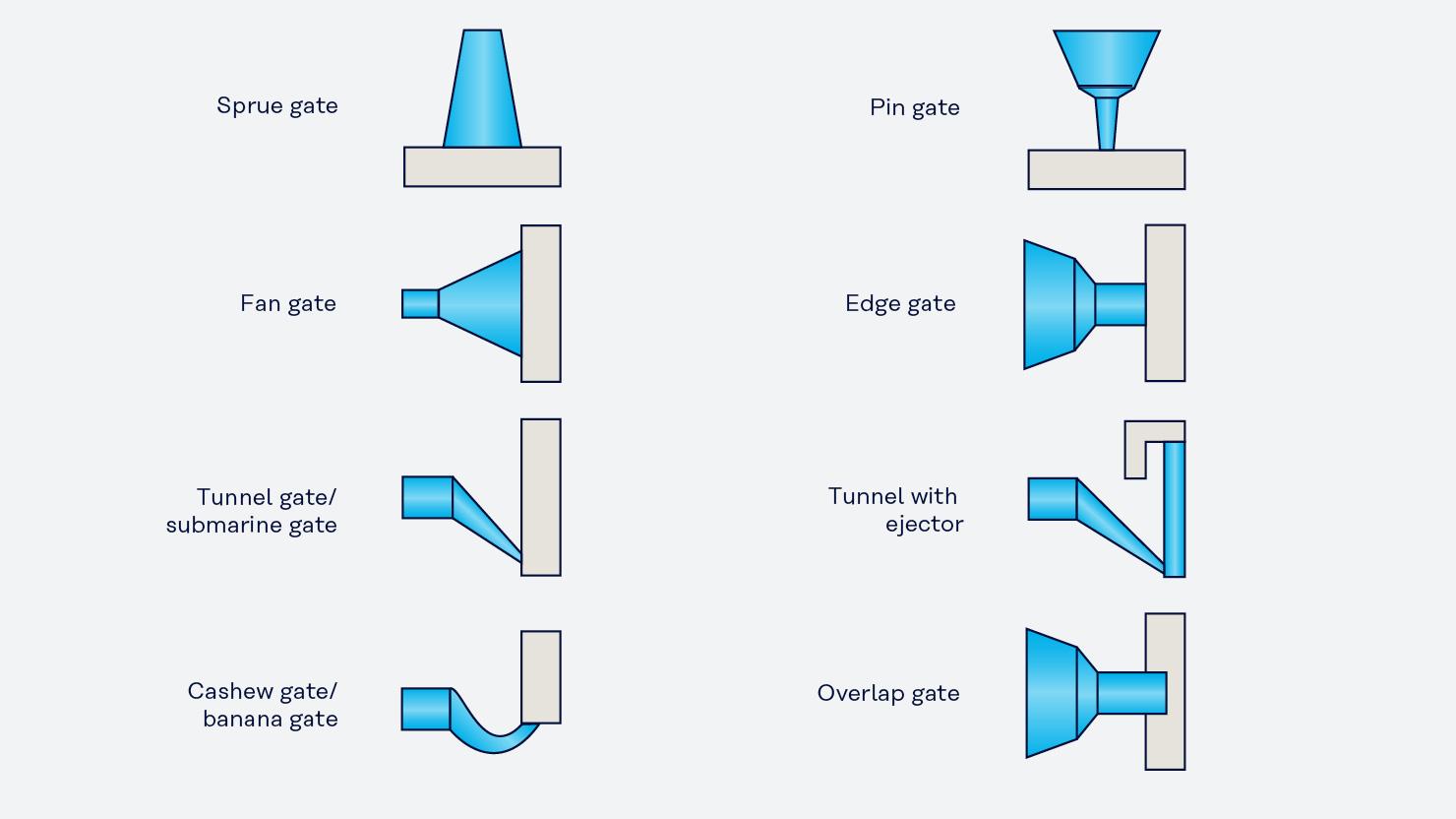
Gate design is one of the most critical aspects of plastic injection mold engineering. Although the gate is usually the smallest feature in the runner system, it has a significant influence on melt flow, packing pressure, cooling efficiency, part appearance, cycle time, and overall product quality.
A poorly designed gate can cause numerous molding defects, including short shots, sink marks, weld lines, jetting, burn marks, excessive gate vestige, and part warpage. Conversely, selecting the appropriate gate type and location helps ensure balanced filling, consistent dimensional accuracy, and efficient production.

Polypropylene (PP) Materials: Types, Grades, Properties, and Applications
Polypropylene (PP) is one of the world’s most widely used thermoplastics, accounting for a significant share of global plastic production. Thanks to its excellent balance of mechanical properties, chemical resistance, lightweight characteristics, and cost-effectiveness, PP has become the preferred material for countless injection molded products across automotive, household, medical, packaging, electrical, and industrial applications.
Modern polypropylene is available in many different grades and formulations. Manufacturers can choose from homopolymer PP, random copolymer PP, impact copolymer PP, glass fiber reinforced PP, mineral-filled PP, flame-retardant PP, UV-stabilized PP, and food-grade PP depending on product requirements.

Injection Mold Flow Analysis: A Complete Guide to Moldflow Simulation for Plastic Parts
In modern plastic product development, mold manufacturing is no longer based solely on engineering experience. Computer-Aided Engineering (CAE) has become an essential part of the injection molding process, enabling engineers to predict potential molding defects before a mold is manufactured. Among these technologies, Injection Mold Flow Analysis, often referred to as Moldflow Analysis, is one of the most valuable engineering tools for reducing development risks, shortening lead times, and improving part quality.

Injection Molded Logos: A Complete Guide to Logo Design, Manufacturing Methods, and Best Practices for Plastic Parts
Brand identity is one of the most valuable assets for any company. Whether manufacturing consumer electronics, medical devices, automotive components, industrial equipment, or outdoor products, displaying a professional logo on a product enhances brand recognition, builds customer confidence, and differentiates products in a competitive market.

Injection Mold Structure Explained: A Complete Guide to Plastic Mold Components and Design
Plastic injection molding is one of the most efficient manufacturing processes for producing high-quality plastic components with exceptional precision and repeatability. However, the quality of every molded product depends largely on the design and construction of the injection mold itself. A well-engineered mold is far more than a block of steel—it is a sophisticated mechanical system that controls molten plastic flow, cooling, part ejection, dimensional accuracy, and production efficiency.
An injection mold typically consists of dozens or even hundreds of precision-machined components working together throughout every molding cycle. Each component has a specific purpose, from guiding molten plastic into the cavity to removing the finished part without damage. Even minor improvements in mold structure can significantly reduce cycle time, improve product quality, extend mold life, and lower manufacturing costs.

Plastic Color Matching for Injection Molding: A Complete Guide to RAL, Pantone, Masterbatch, and Custom Colors
Color is far more than an aesthetic feature in plastic injection molding—it plays a critical role in product branding, customer perception, quality control, and market differentiation. Whether manufacturing consumer electronics, automotive interiors, medical devices, industrial equipment, or outdoor products, achieving accurate and consistent color matching is essential for product success.