Packaging Injection Molding: Applications, Materials, Manufacturing Standards, and Industry Solutions

جدول المحتويات

مقدمة

Packaging plays a vital role in protecting products, extending shelf life, improving transportation efficiency, and enhancing brand identity. As consumer expectations continue to evolve, manufacturers require packaging solutions that are lightweight, durable, cost-effective, and visually appealing.

Plastic injection molding has become one of the most important manufacturing processes for rigid packaging products. It enables the mass production of high-precision components with excellent dimensional consistency, complex geometries, and attractive surface finishes. Compared with traditional manufacturing methods, injection molding offers greater design flexibility, shorter production cycles, and lower unit costs for high-volume production.

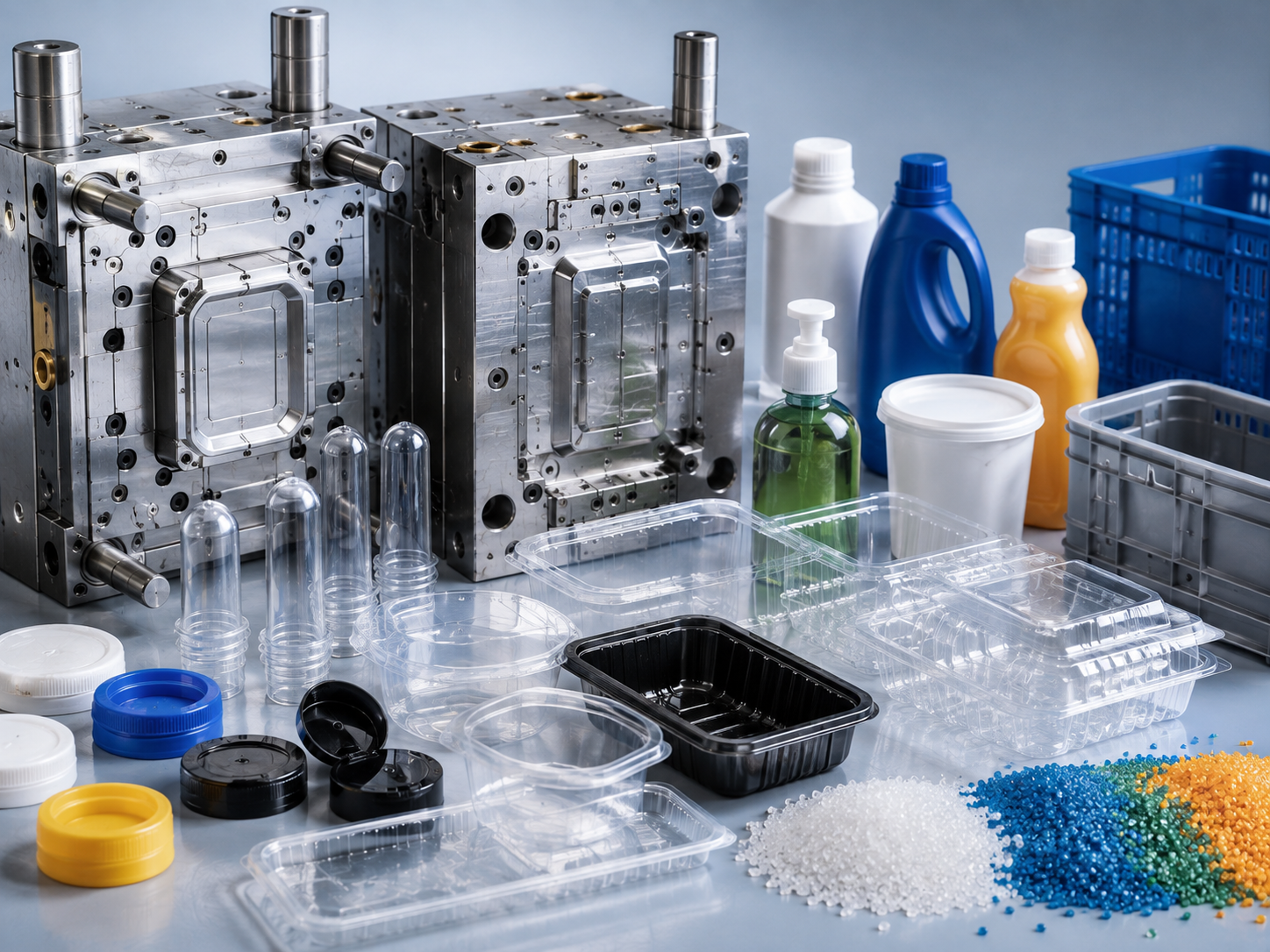
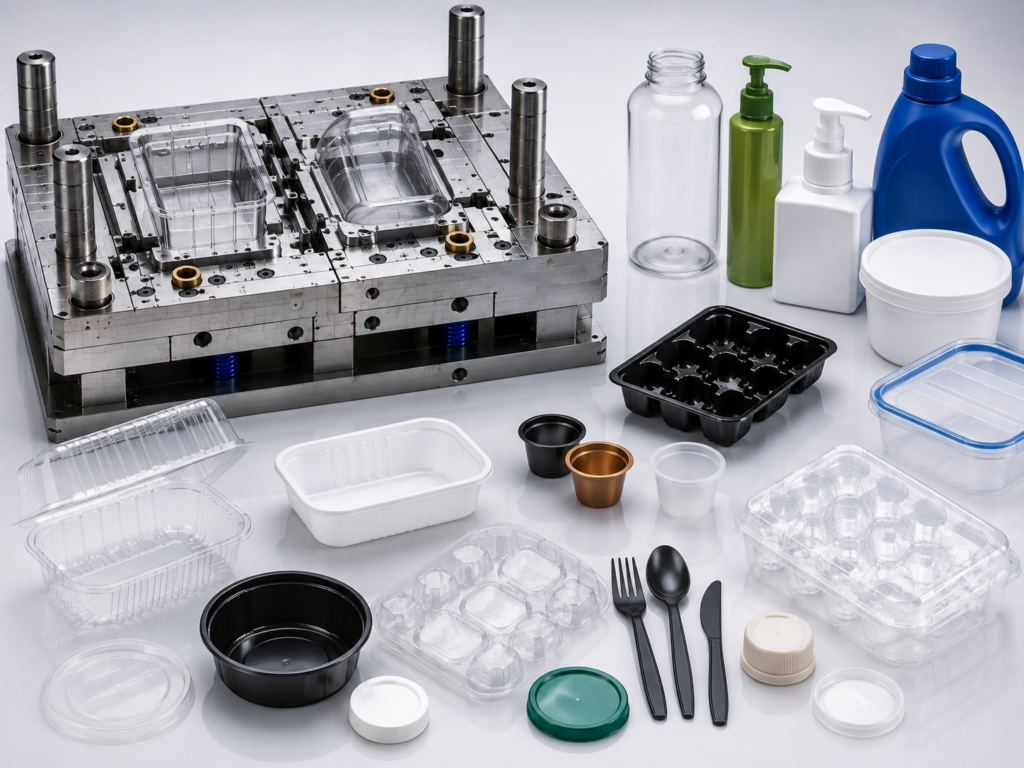
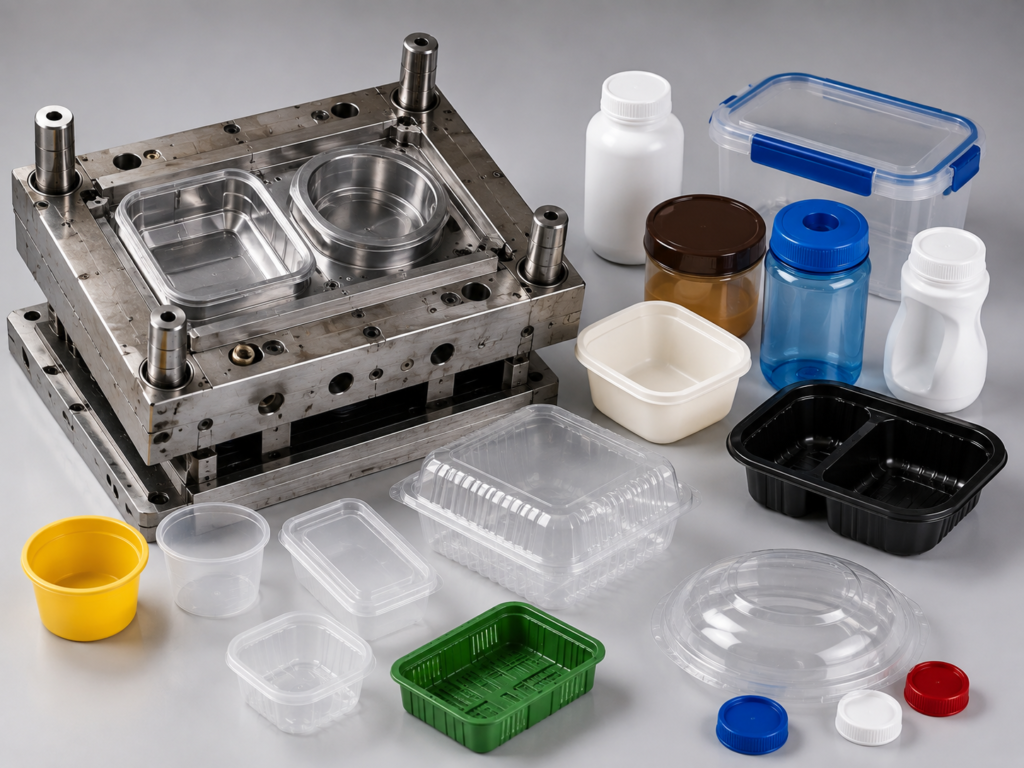
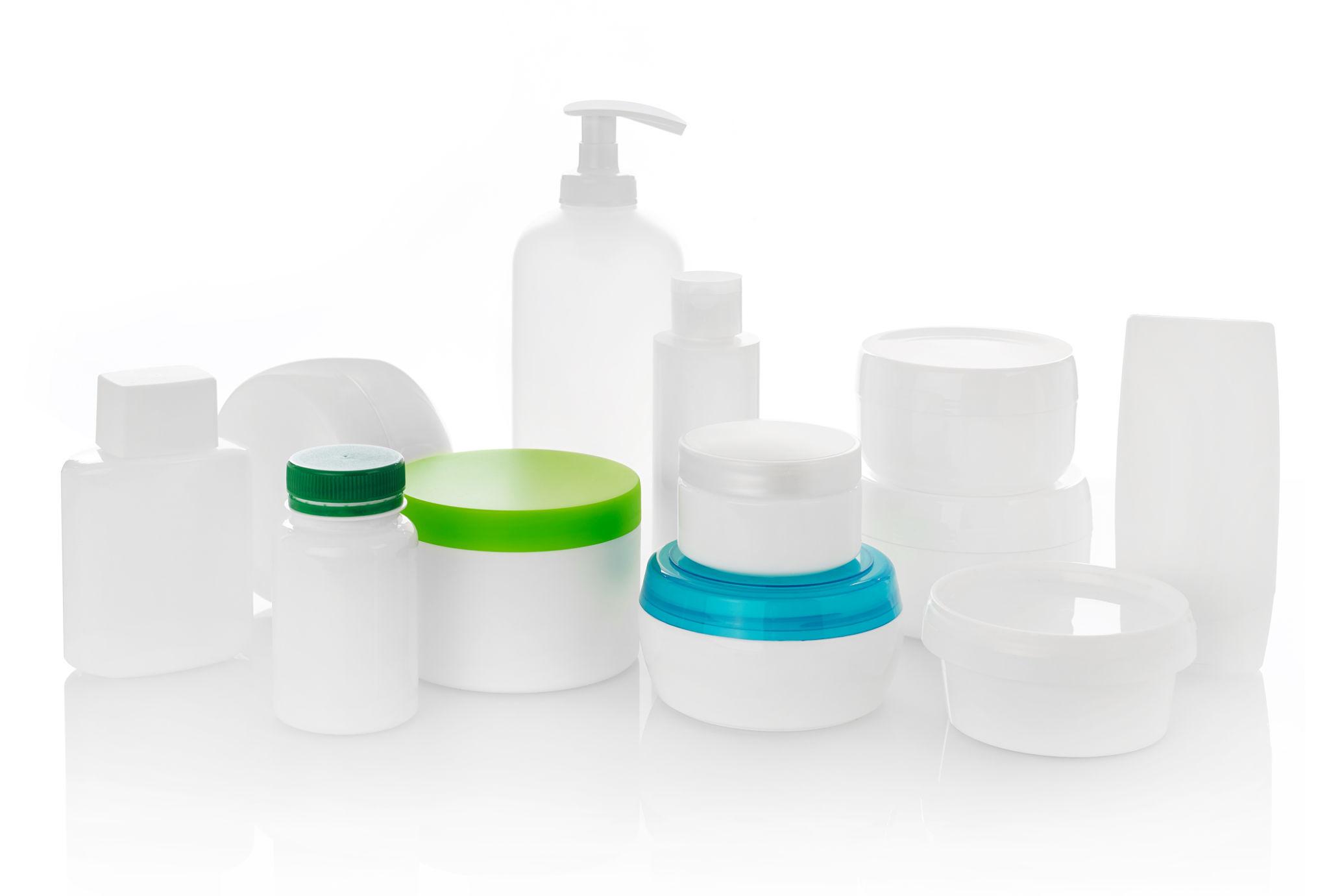
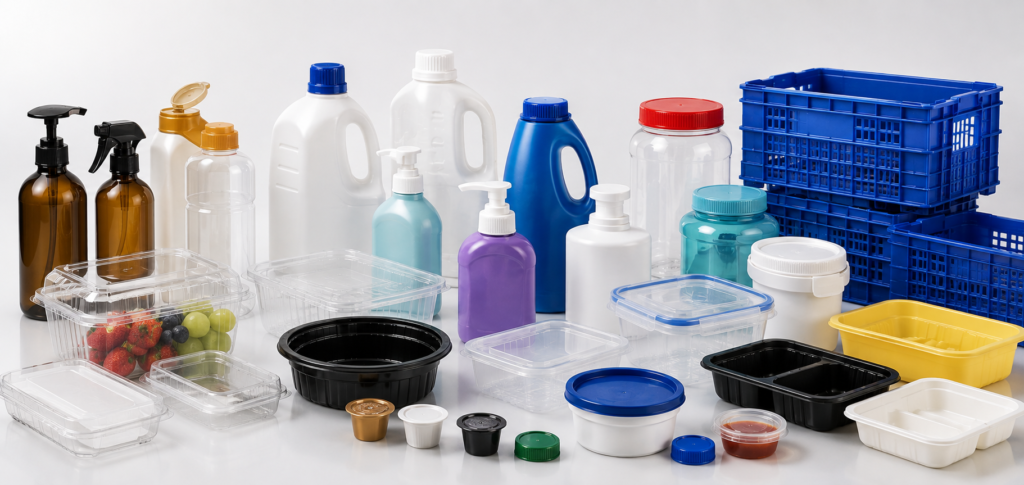
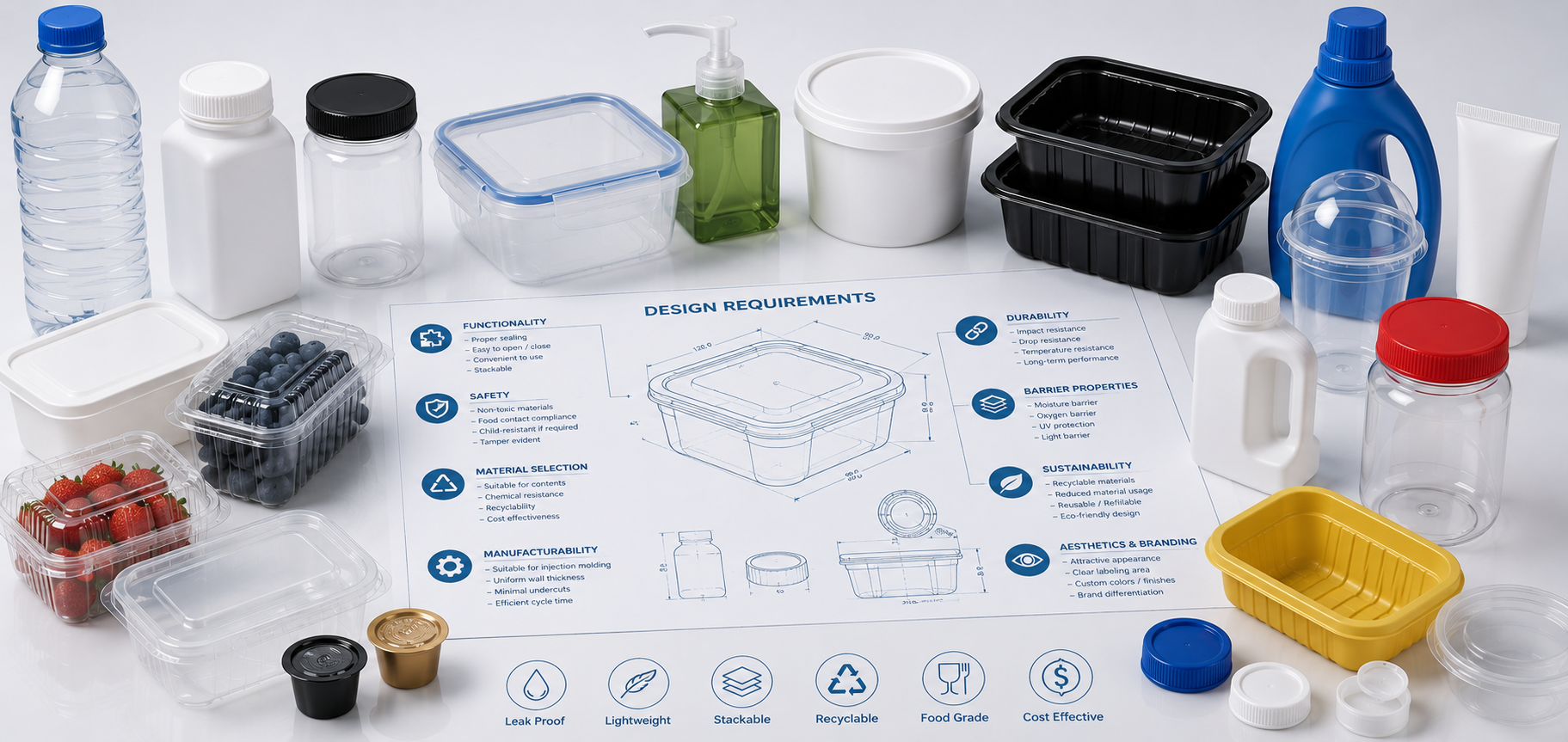
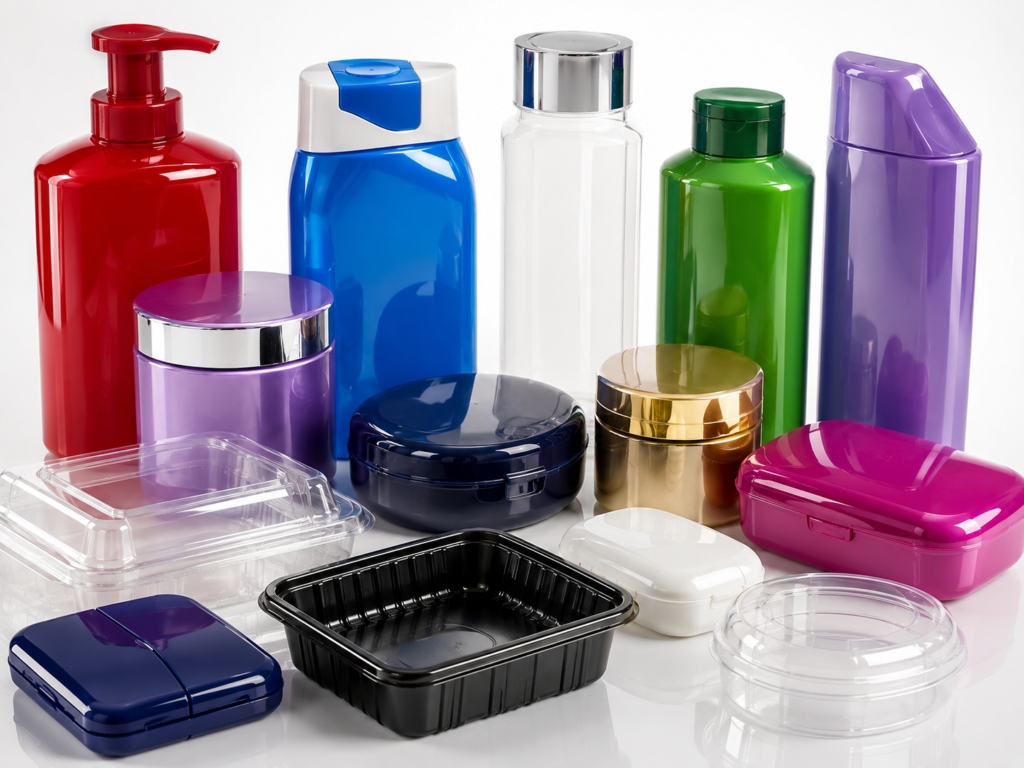
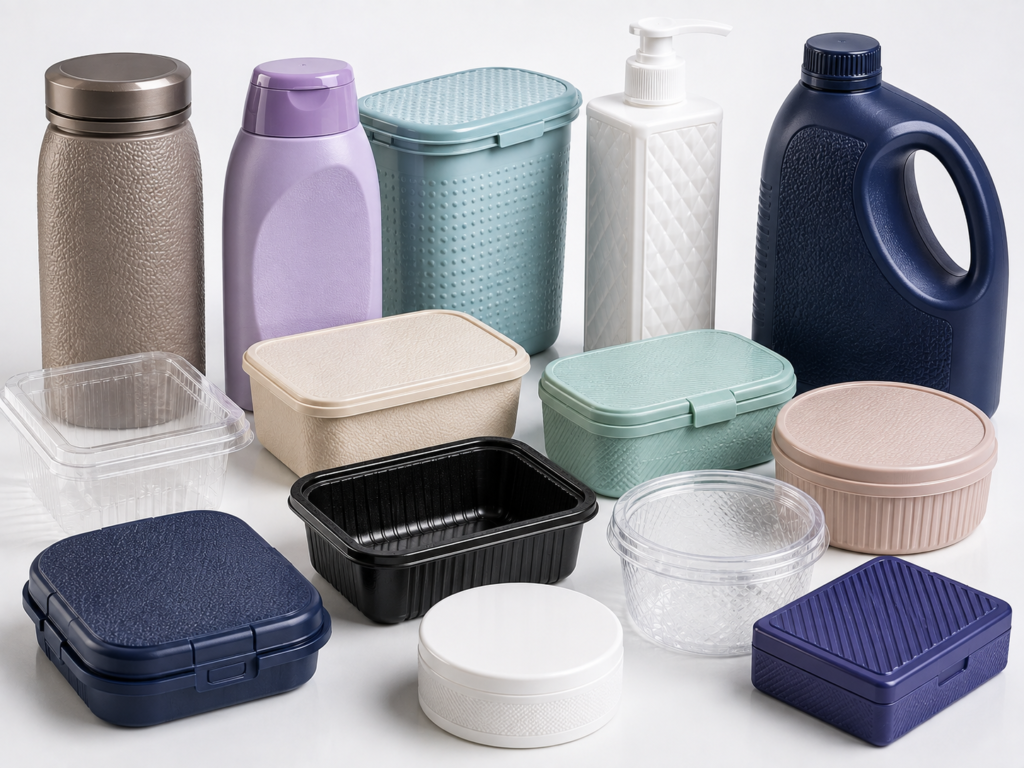
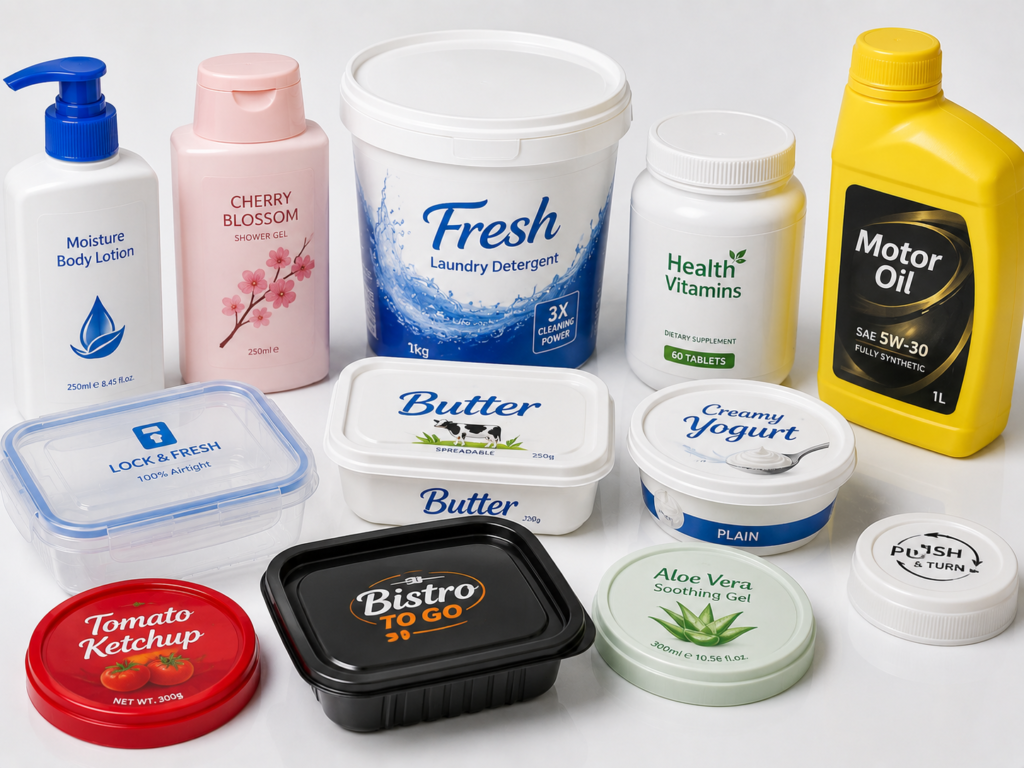
Injection molded packaging is widely used across industries including food and beverage, cosmetics, pharmaceuticals, household chemicals, consumer goods, and industrial products. Common examples include bottle caps, cosmetic jars, measuring cups, closures, dispensers, storage containers, protective cases, and reusable packaging systems.

At Samgo, we provide complete packaging manufacturing solutions, including product design support, DFM analysis, Moldflow simulation, precision mold manufacturing, and high-volume injection molding. This guide explores the applications of injection molding in the packaging industry, material selection, quality standards, and engineering best practices.


Why Injection Molding Is Ideal for Packaging

The packaging industry requires consistent quality, rapid production, and cost efficiency. Injection molding fulfills these requirements while supporting a wide variety of product designs and engineering plastics.

المزايا الرئيسية

  • High production efficiency
  • Excellent dimensional consistency
  • Complex product geometry
  • Attractive cosmetic appearance
  • Low cost for high-volume manufacturing
  • Wide selection of food-grade and engineering plastics
  • Recyclable material options
  • Compatibility with automation

Benefits of Injection Molding for Packaging

فائدةManufacturing Value
إنتاجية عاليةMillions of parts per year
مظهر ممتازPremium product presentation
Design FlexibilityComplex closures and containers
LightweightReduced transportation costs
Material VarietyPP, PE, PET, PC, ABS and more
Automation ReadyHigh-speed production lines

Applications of Injection Molding in Packaging

Injection molding is used to manufacture a wide range of rigid packaging components for consumer and industrial markets.

1. Food Packaging

Food packaging requires safe, hygienic, and durable plastic components that comply with food-contact regulations.

Typical products include:

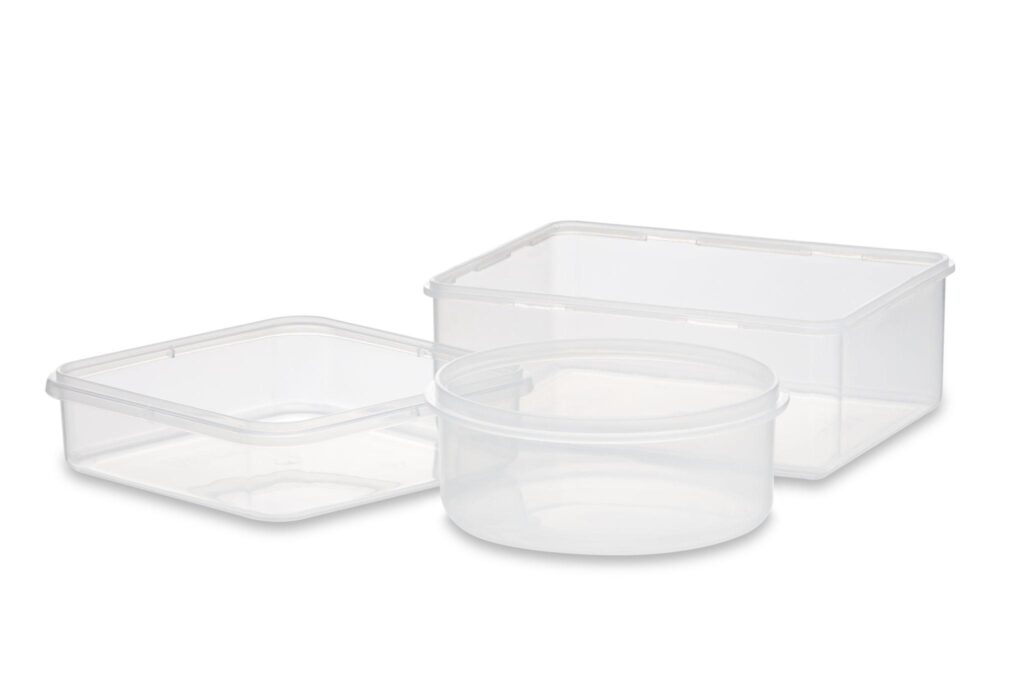
  • Food storage containers
  • Bottle caps
  • Measuring spoons
  • Beverage closures
  • Yogurt cup lids
  • Reusable lunch boxes

Food-grade polypropylene (PP) and polyethylene (PE) are among the most commonly used materials because of their excellent chemical resistance and low moisture absorption.


2. Cosmetic Packaging

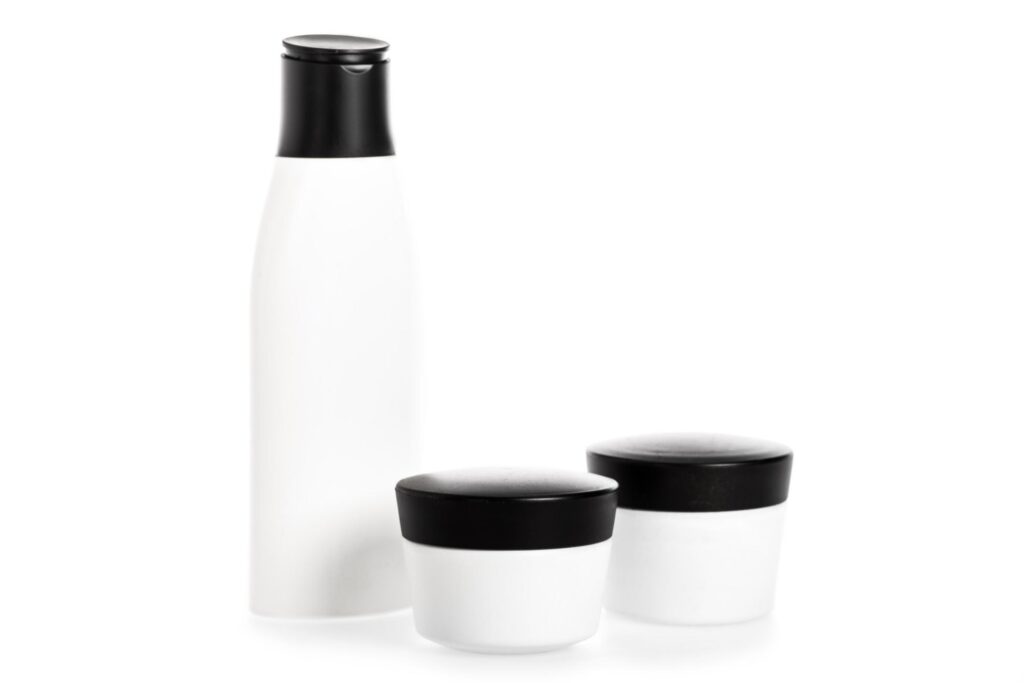
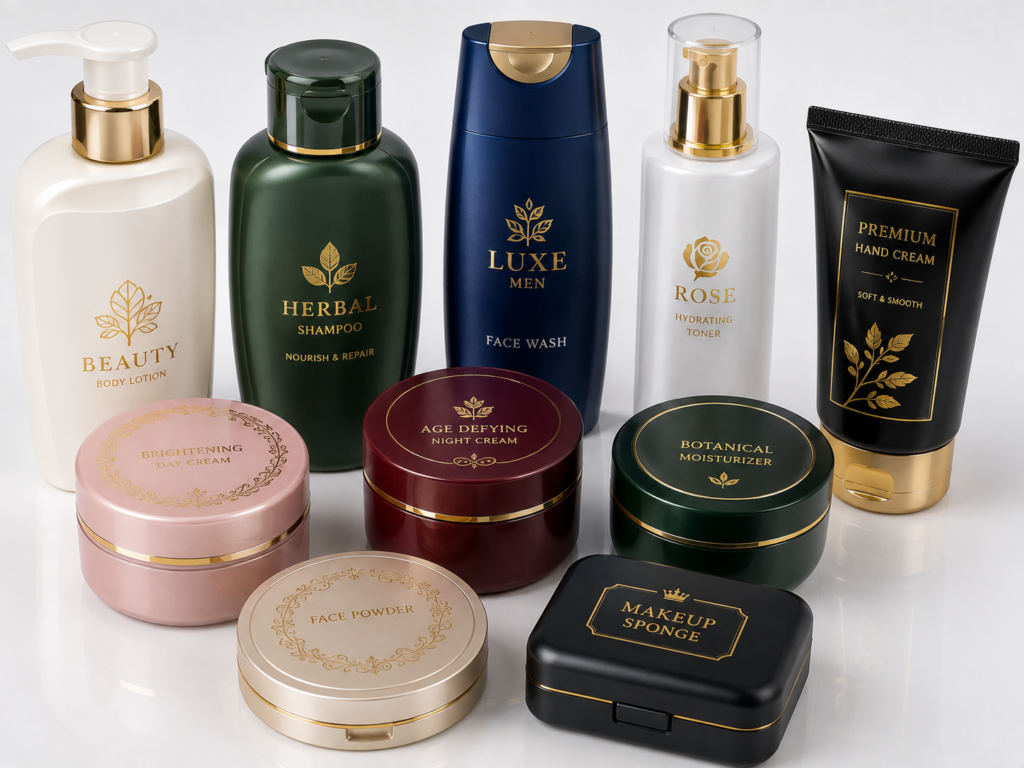
Cosmetic packaging combines functionality with premium aesthetics. Injection molding enables smooth surfaces, glossy finishes, and intricate decorative details.

Common products include:

  • Cosmetic jars
  • Cream lids
  • Compact cases
  • Lip balm containers
  • Pump collars
  • Mascara caps

3. Pharmaceutical Packaging

Medical and pharmaceutical packaging demands high precision, clean manufacturing environments, and excellent dimensional consistency.

Examples include:

  • Pill containers
  • Medical caps
  • Measuring cups
  • Child-resistant closures
  • Syrup bottle caps
  • Dosage accessories

Packaging Applications

صناعةInjection Molded ProductsCommon Materials
Food & BeverageContainers, caps, lidsبي بي, HDPE
CosmeticsCream jars, caps, dispensersPP, إيه بي إس, SAN
PharmaceuticalsClosures, measuring cupsPP, PE
Household ProductsStorage containersPP, PE
Industrial PackagingProtective caps, casesPP, PA

Common Materials for Packaging Injection Molding

Selecting the right material is essential for packaging performance, regulatory compliance, durability, and appearance.

المواد المستخدمة بشكل متكرر

مادةKey Propertiesالapplications النموذجية
بي بيFood-safe, lightweight, chemical resistantFood containers, caps
HDPEToughness, moisture resistanceBottles, closures
LDPEFlexible, impact resistantDispensing caps
PETTransparency, barrier performanceClear packaging
SANHigh gloss, transparencyCosmetic containers
إيه بي إسExcellent appearancePremium packaging
حاسوب شخصيHigh impact strengthReusable packaging

Material Selection Considerations

When designing injection molded packaging, engineers should consider:

  • Food-contact compliance
  • مقاومة كيميائية
  • Transparency requirements
  • Impact resistance
  • UV resistance
  • Recyclability
  • Production efficiency

Design Requirements for Packaging Products

Packaging products must combine functional performance with an attractive appearance while supporting efficient mass production.

Important design considerations include:

  • Uniform wall thickness
  • Proper draft angles
  • Secure sealing features
  • Snap-fit or threaded closures
  • Stackability
  • Easy opening and closing
  • Lightweight construction
  • Moldability for high-speed production

Packaging Design Guidelines

Design FeatureEngineering Objective
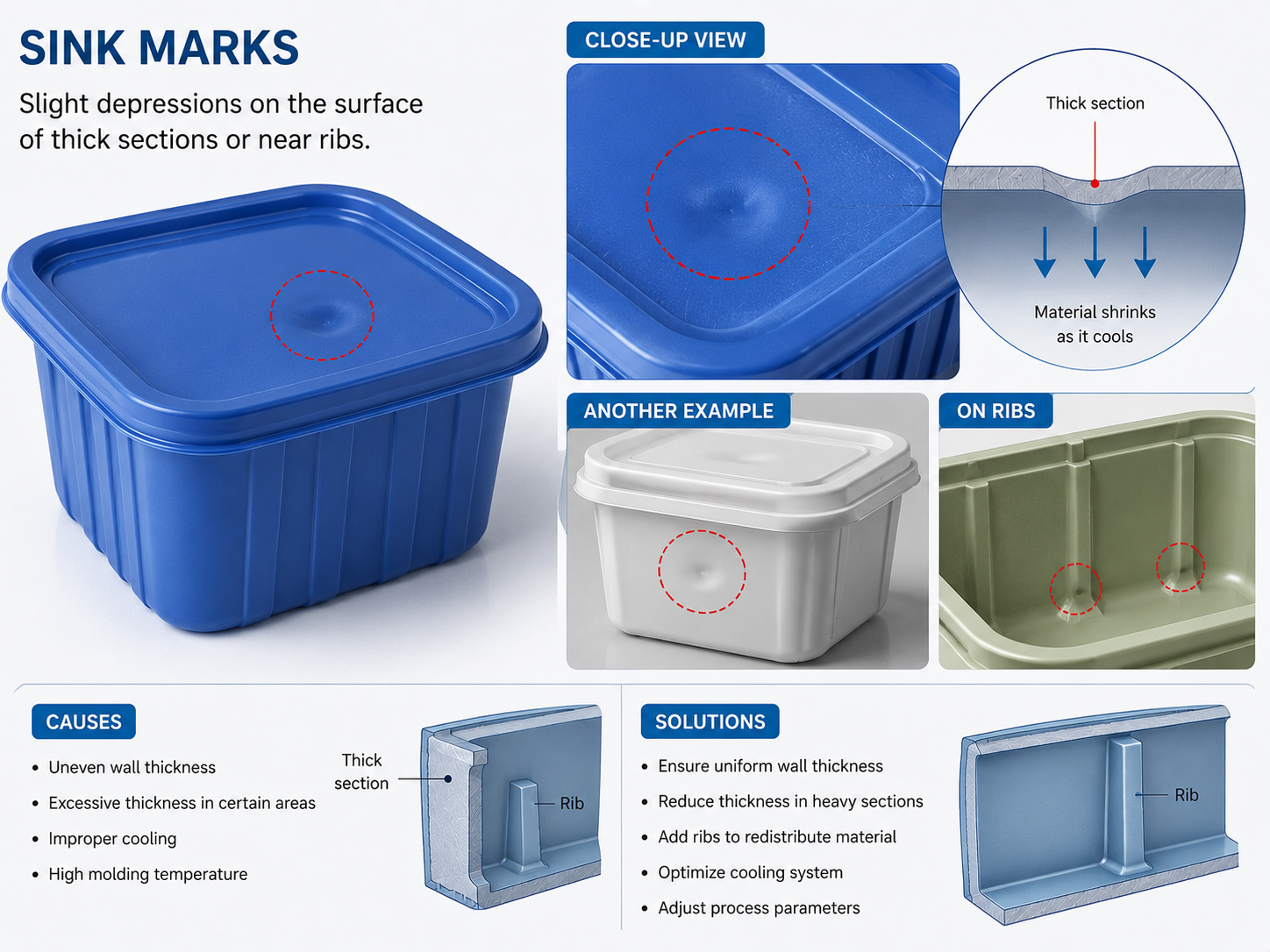
Uniform Wall ThicknessReduce sink marks and warpage
Draft AngleSmooth demolding
Rib ReinforcementImprove stiffness
Sealing StructurePrevent leakage
Thread DesignReliable closure
Stackable GeometryEfficient storage and shipping
إرسال استفسار

Manufacturing Standards for Packaging Injection Molding

Packaging products must comply with strict quality and safety requirements, especially when used for food, cosmetics, pharmaceuticals, and personal care products. Manufacturers must ensure that packaging not only protects the contents but also meets regulatory requirements in target markets.

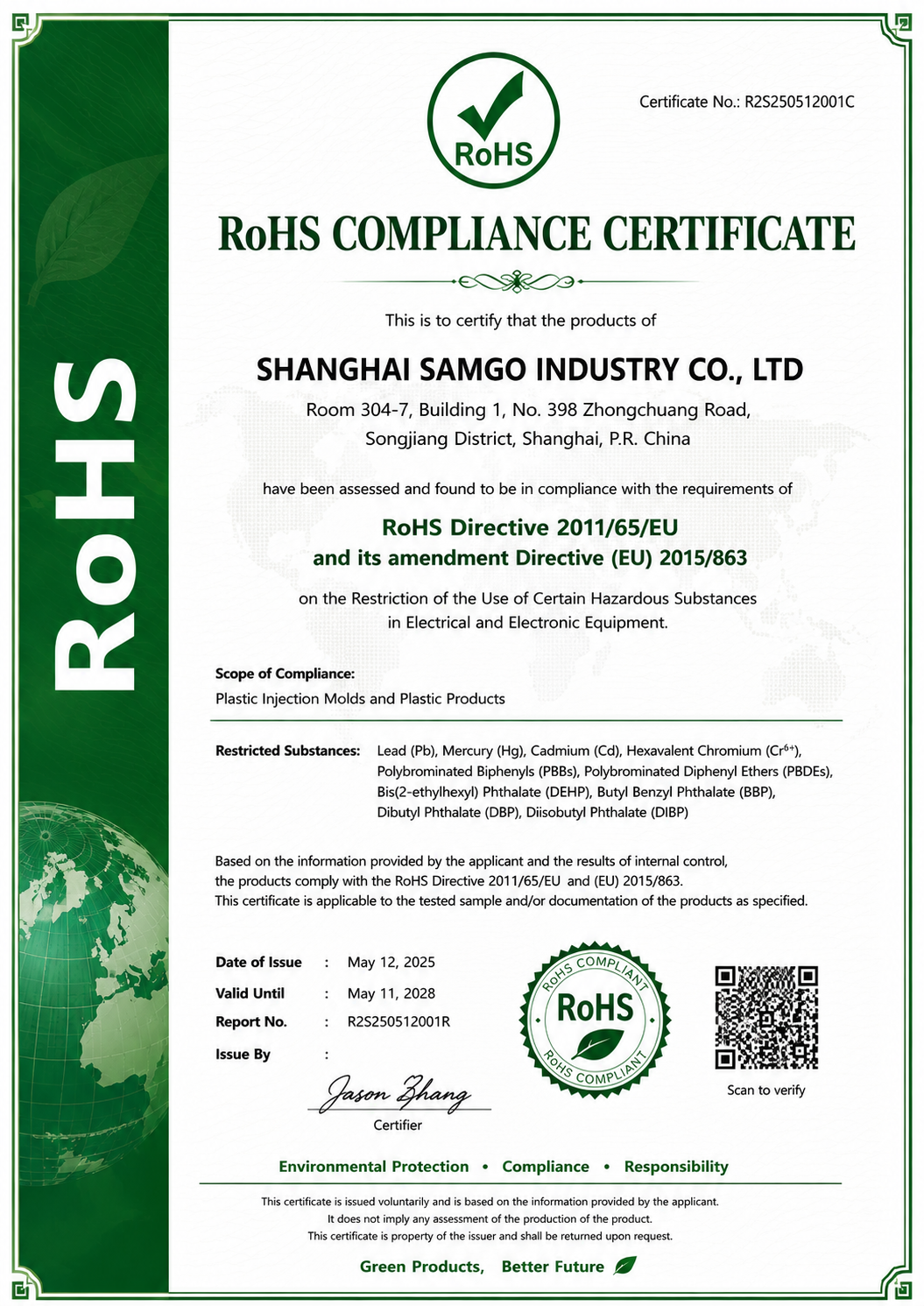
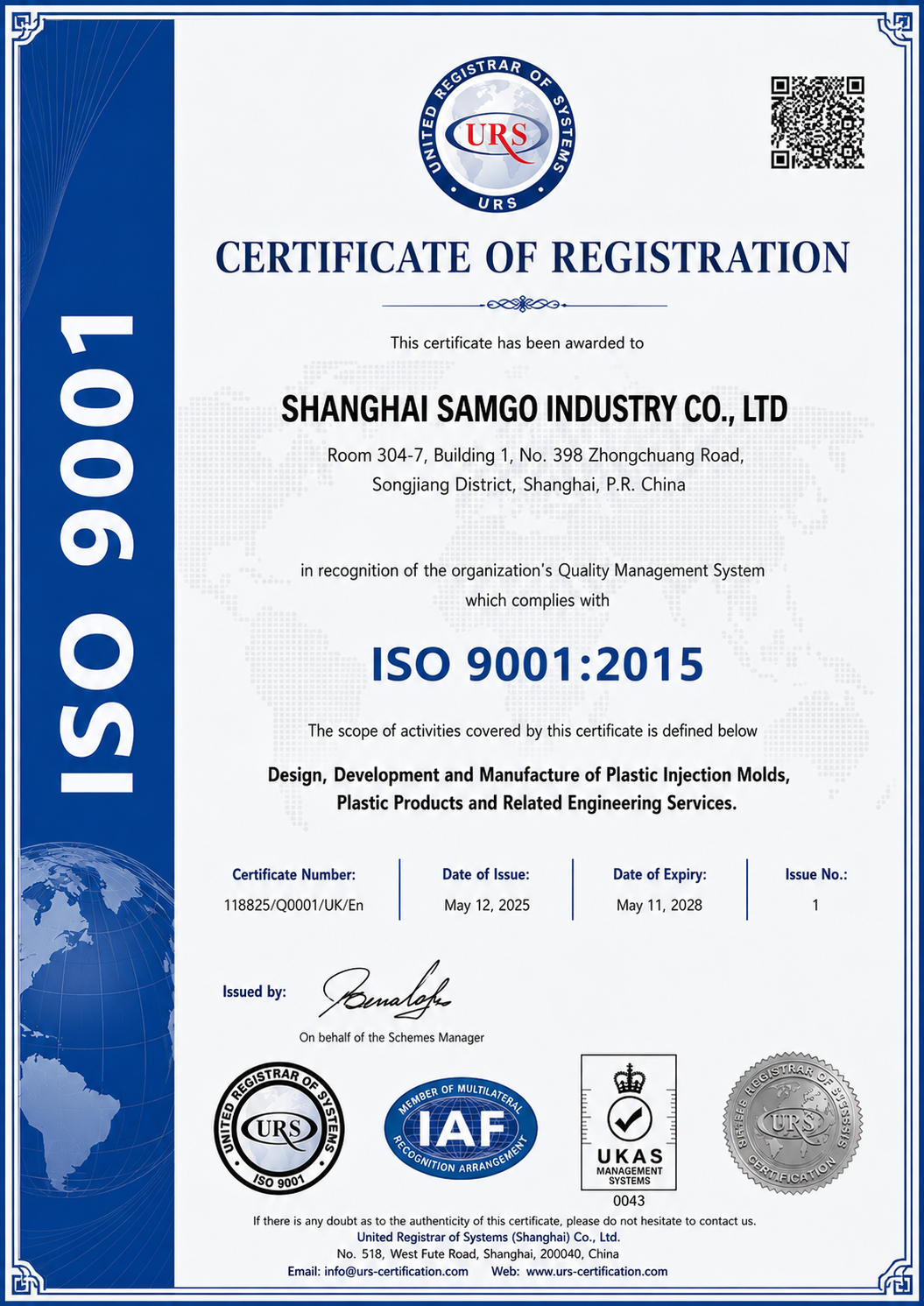
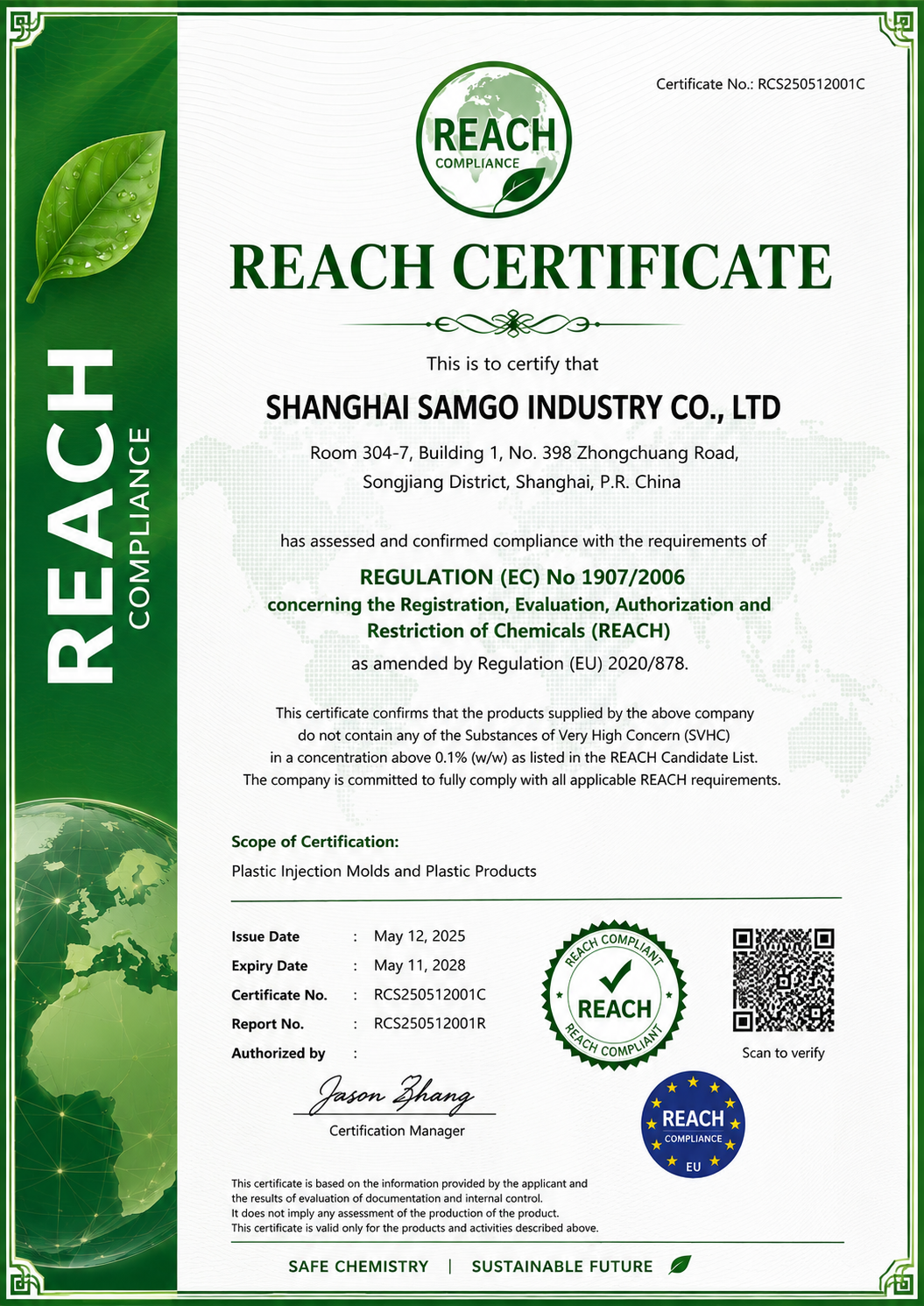
Depending on the application, packaging manufacturers may need to comply with international standards and regulations related to food contact, hygiene, environmental protection, and quality management.

Important Standards

  • FDA Food Contact Regulations (United States)
  • EU Food Contact Regulations
  • ISO 9001 Quality Management
  • ISO 22000 Food Safety Management
  • Good Manufacturing Practices (GMP)
  • REACH Compliance
  • RoHS Compliance (for applicable packaging components)

Early consideration of regulatory requirements helps reduce certification risks and accelerates product commercialization.


Packaging Standards Overview

StandardPrimary PurposeTypical Industry
ISO 9001Quality ManagementAll Packaging
ISO 22000Food SafetyFood Packaging
FDA Food ContactMaterial ComplianceFood & Beverage
EU Food ContactMaterial SafetyEuropean Market
GMPHygienic ManufacturingPharmaceutical & Cosmetics
REACHChemical ComplianceConsumer Products

Surface Finishing and Decoration Technologies

Modern packaging serves not only a protective function but also a marketing role. High-quality surface finishing enhances brand recognition and improves the consumer experience.

Common Decoration Methods

High Gloss Polishing

Creates smooth, premium-looking surfaces commonly used for cosmetic jars and luxury packaging.

Mold Texturing

Produces matte finishes that improve grip while reducing visible scratches and fingerprints.

In-Mold Labeling (IML)

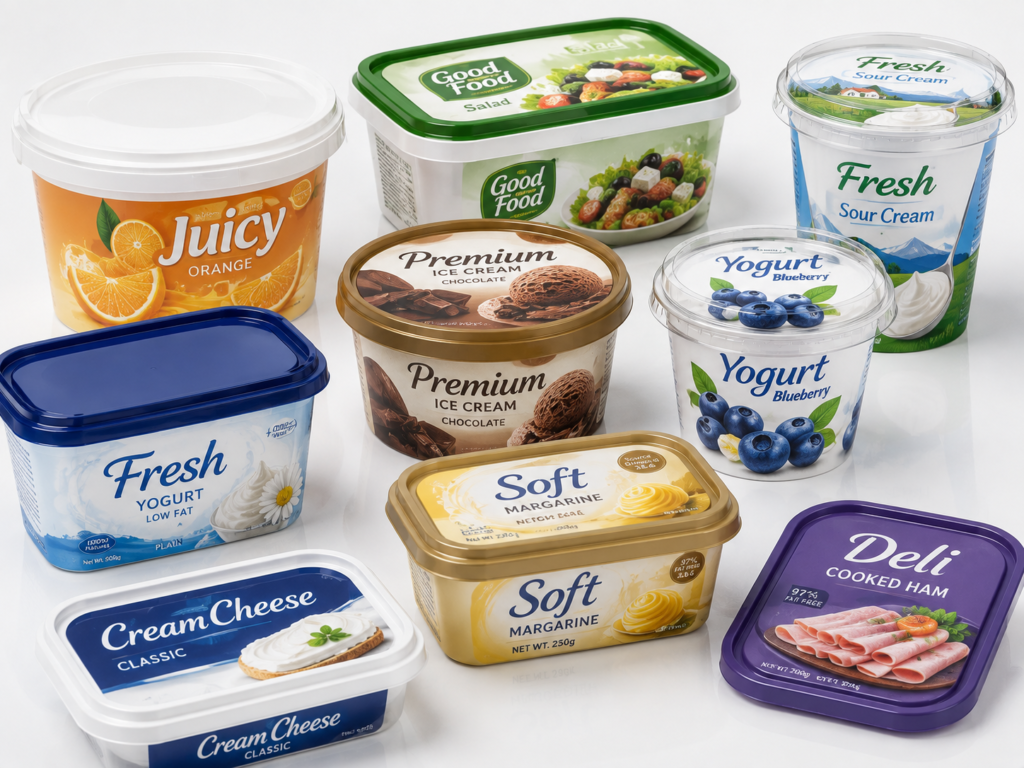
Labels are integrated directly into the molded part during injection molding, providing excellent durability and eliminating secondary labeling operations.

Pad Printing

Ideal for logos, product identification, and batch information.

Hot Stamping

Adds metallic decorative effects for premium cosmetic and personal care packaging.


Decoration Technology Comparison

TechnologyAppearanceDurabilityTypical Application
High GlossPremiumExcellentCosmetic jars
Mold TextureMatteExcellentFood containers
IMLDecorativeExcellentFood tubs
Pad PrintingLogo PrintingGoodBottle caps
Hot StampingMetallic FinishExcellentLuxury packaging
High Gloss
Mold Texture
IML
Pad Printing
Hot stamping

Quality Control and Testing

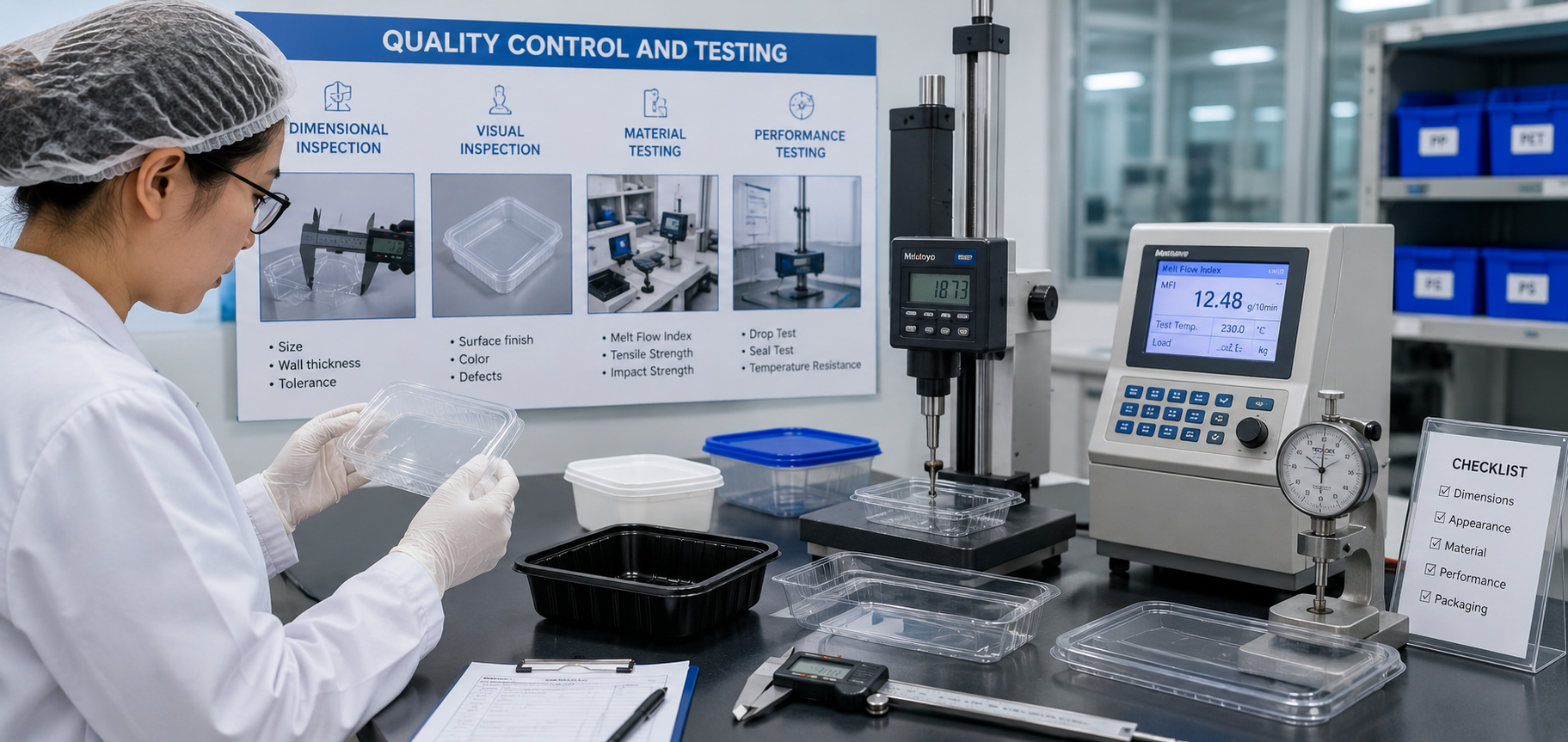
Packaging components are often produced in very high volumes, making robust quality control essential. Automated inspection systems and standardized testing procedures help ensure consistency across millions of parts.

Typical Inspection Items

  • دقة الأبعاد
  • Weight consistency
  • Surface appearance
  • Seal performance
  • Thread engagement
  • Leak testing
  • Drop resistance
  • Color consistency

For food and pharmaceutical packaging, cleanliness and contamination control are also critical.


Packaging Quality Control Process

Inspection StageObjective
Incoming Material InspectionVerify resin quality
First Article InspectionApprove production samples
In-Process InspectionMonitor production stability
Leak TestingEnsure sealing performance
Functional TestingVerify assembly and usability
Final InspectionShipment approval

Common Manufacturing Challenges and Solutions

Packaging products often feature thin walls, fine threads, decorative surfaces, and high production volumes. These characteristics require careful mold design and process optimization.

ChallengePossible CauseRecommended Solution
Sink MarksThick wall sectionsOptimize wall thickness
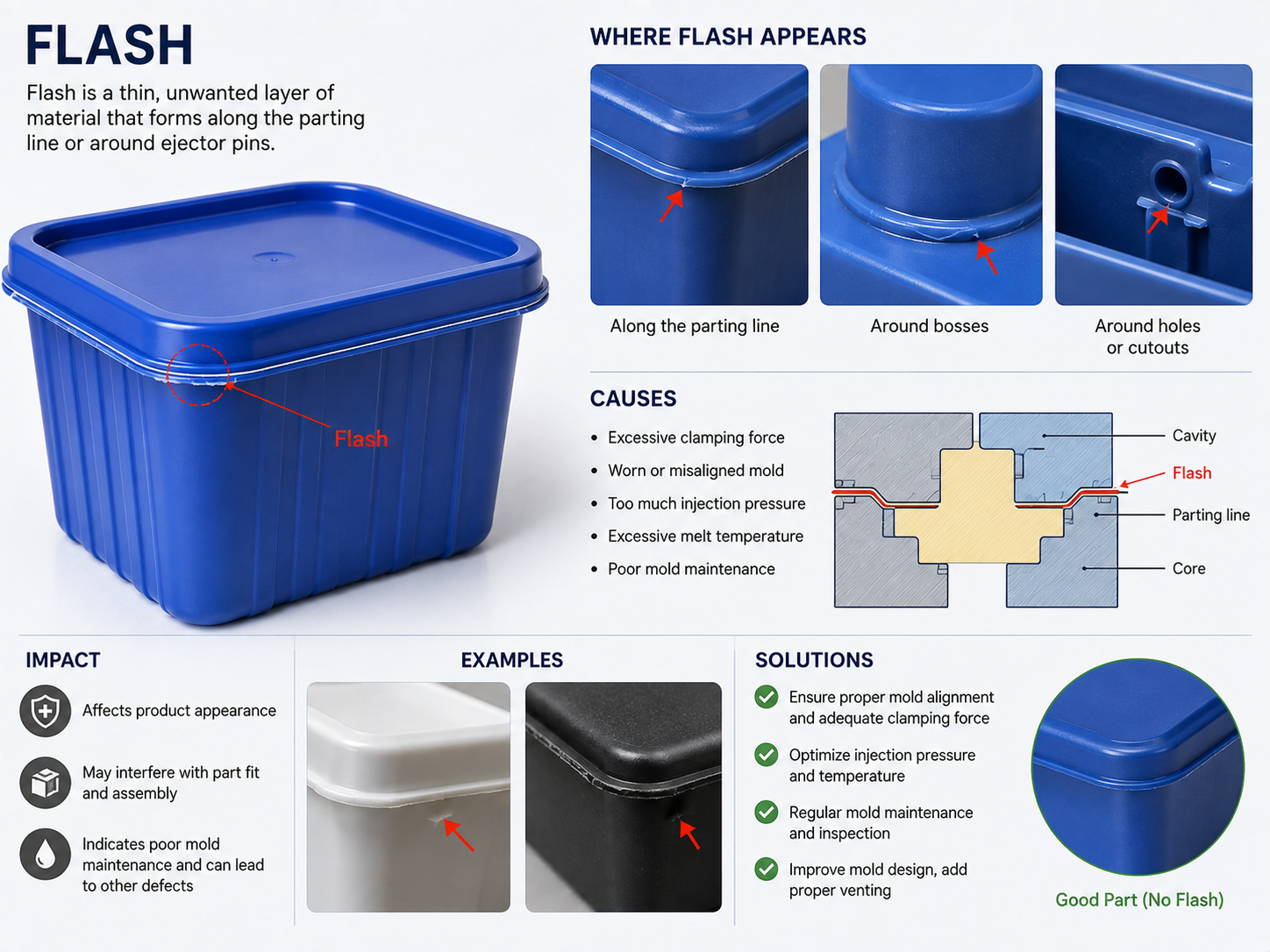
FlashMold wear or poor clampingImprove mold maintenance
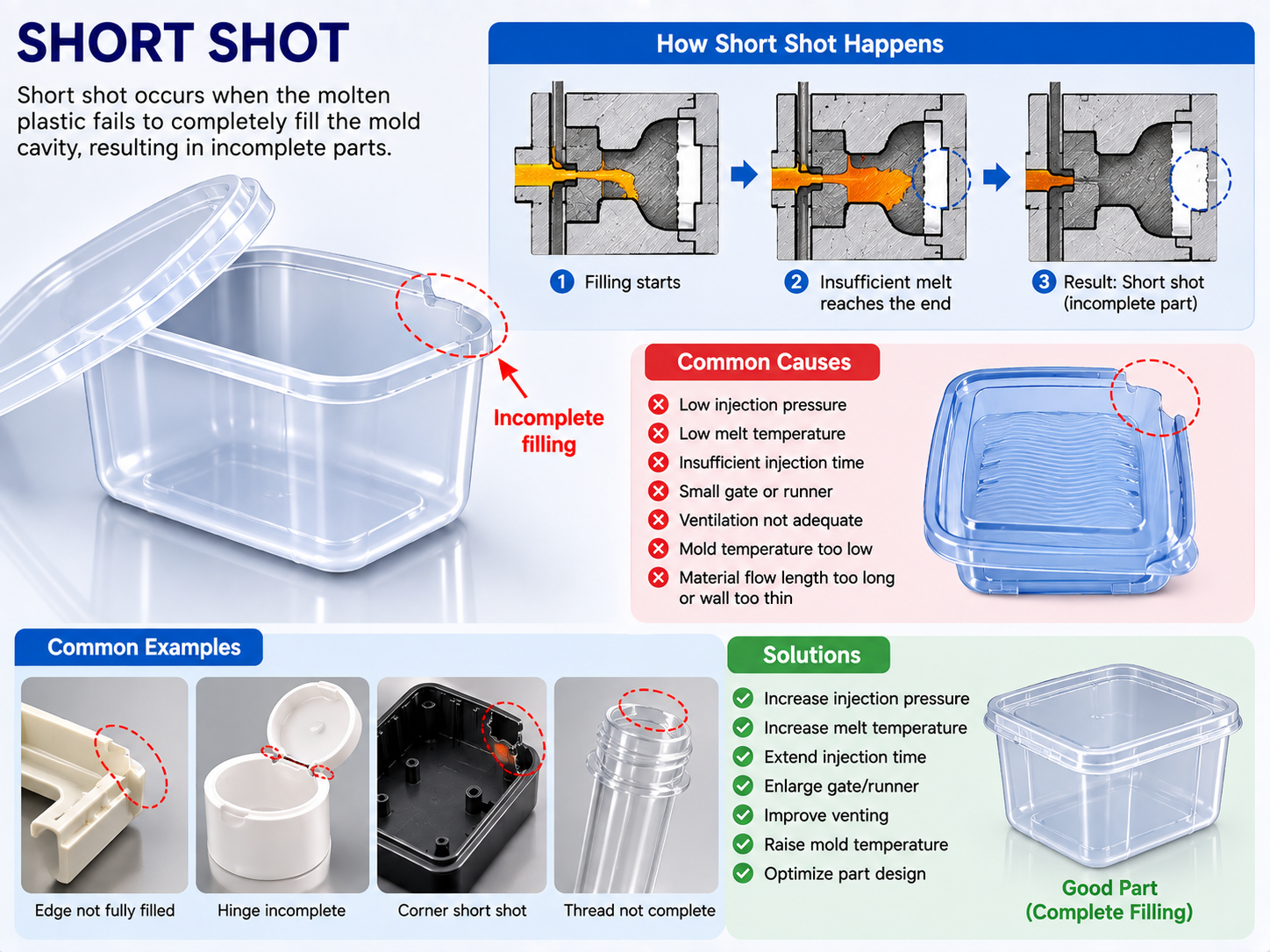
Short ShotInadequate fillingOptimize gate design
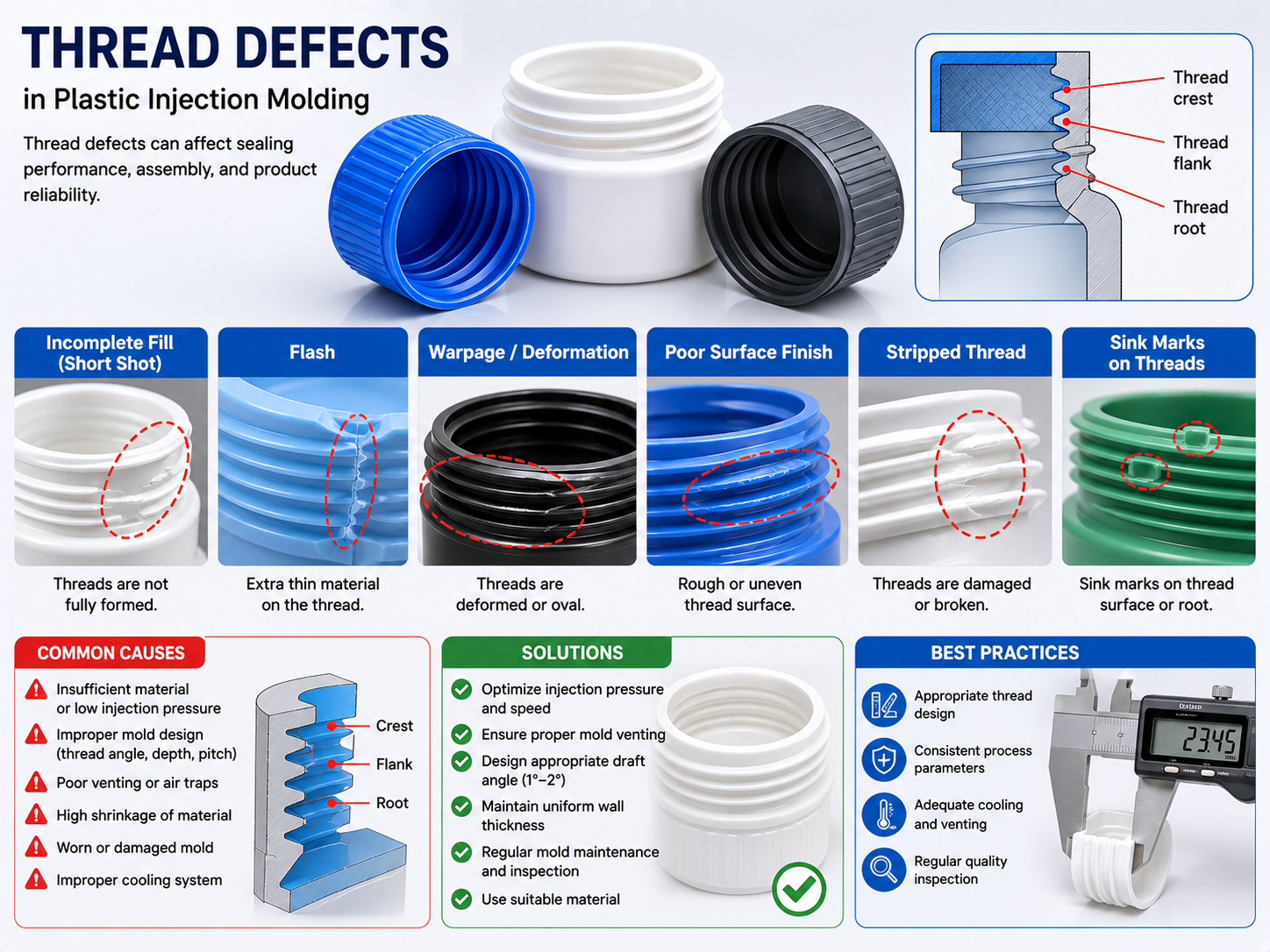
Thread DefectsPoor mold alignmentImprove machining precision
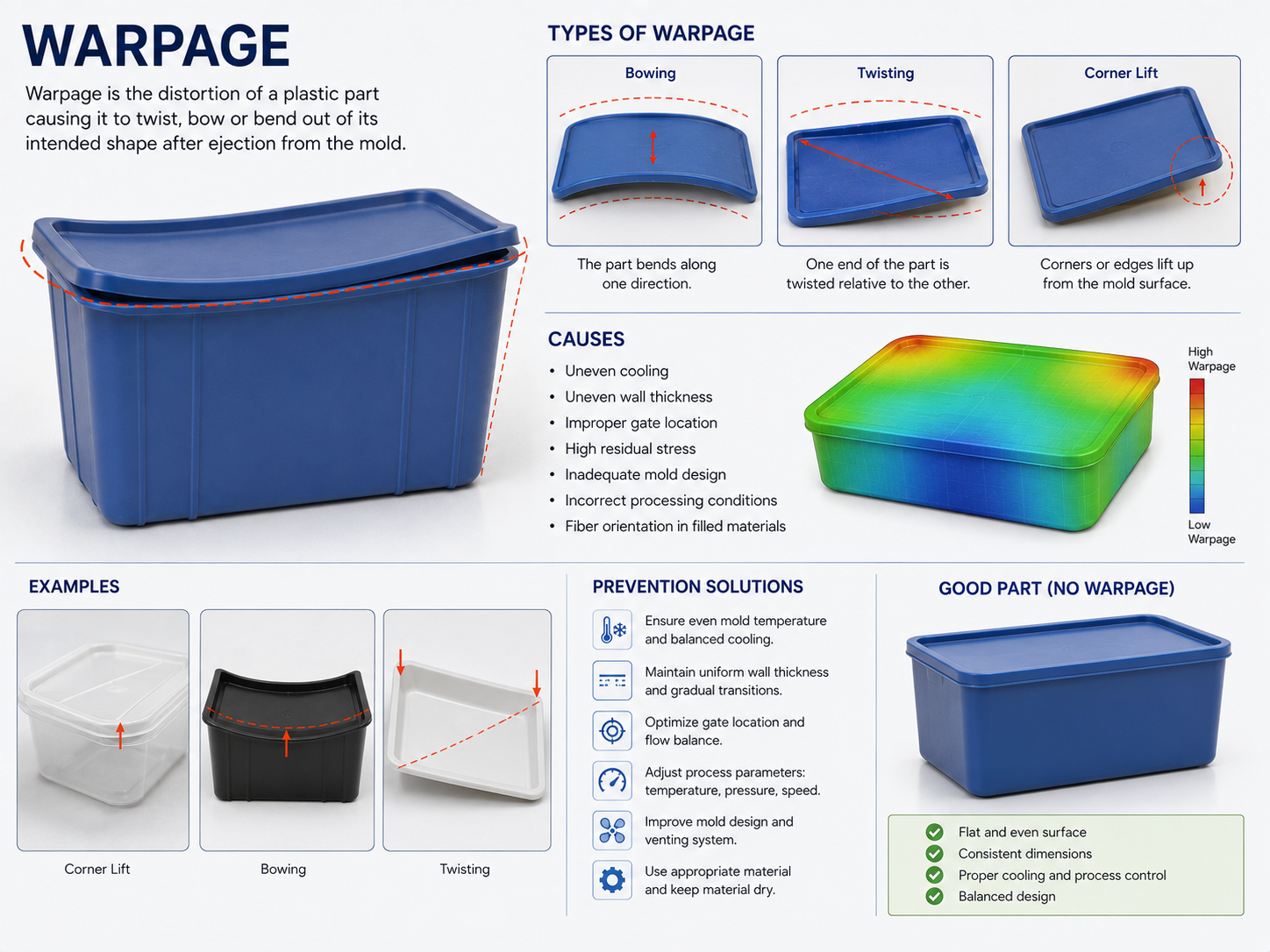
WarpageUneven coolingOptimize cooling channels
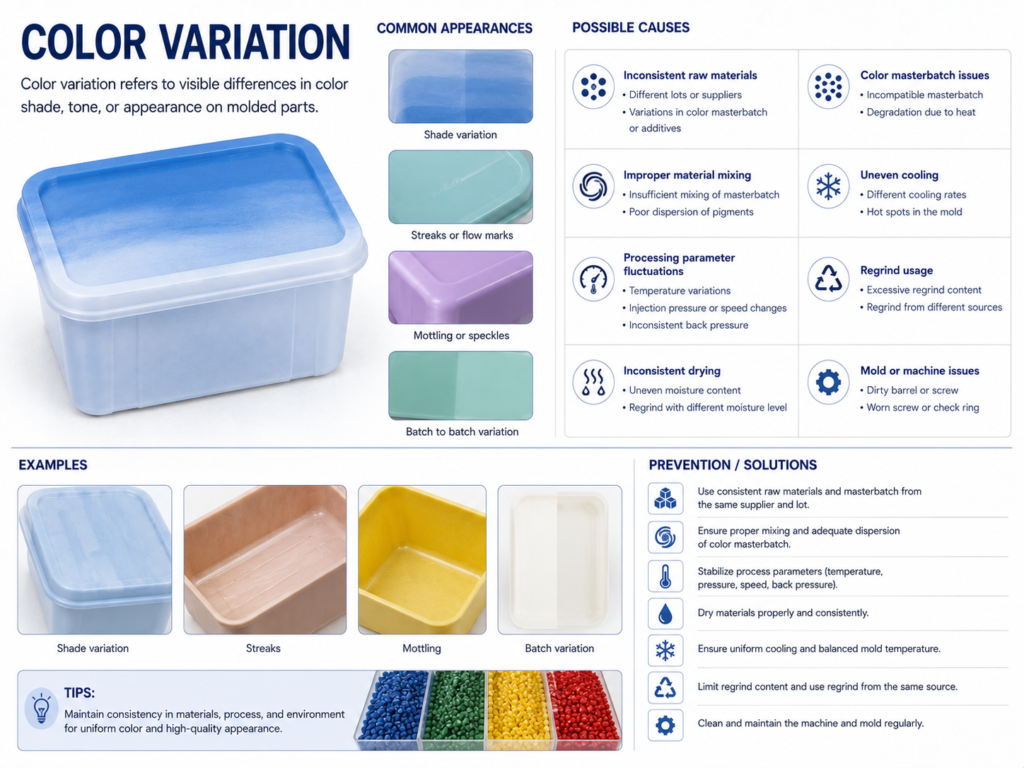
Color VariationMaterial inconsistencyTight material control
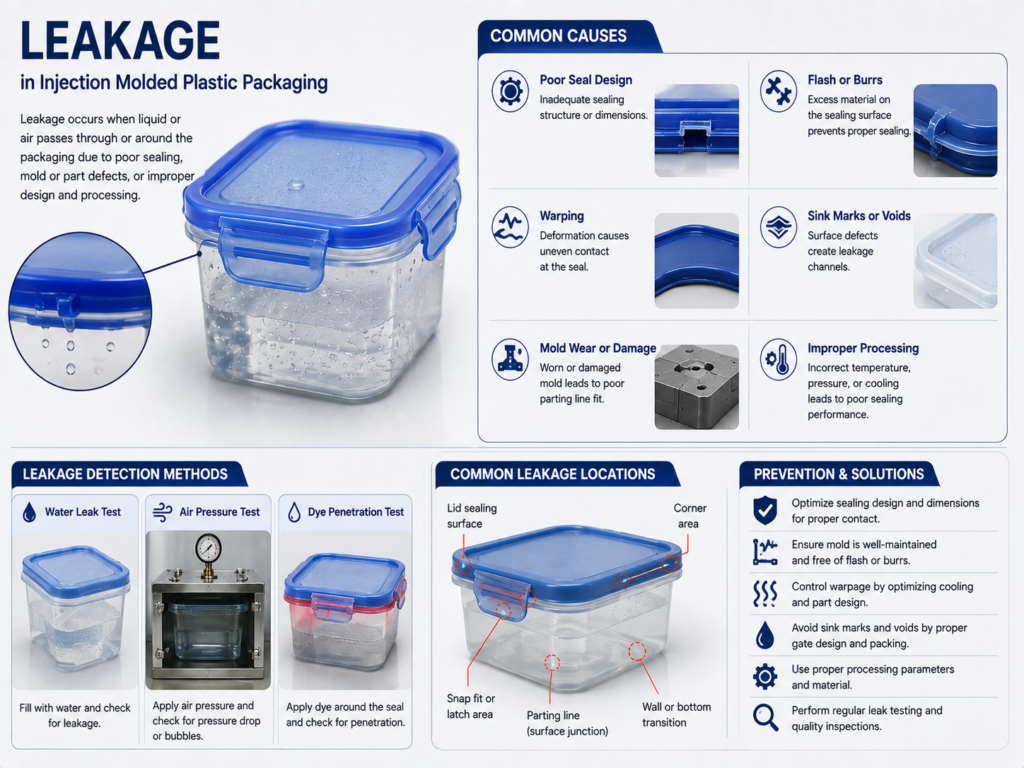
LeakagePoor sealing designOptimize sealing geometry

Using DFM analysis and Moldflow simulation during product development helps identify potential manufacturing issues before tooling begins.

Sustainable Packaging and Recycled Materials

Sustainability has become a major focus in the packaging industry. Many global brands are reducing plastic waste by adopting recyclable materials, lightweight designs, and reusable packaging systems.

Injection molding supports these initiatives through efficient material utilization and compatibility with recycled and bio-based plastics.

Sustainable Solutions

  • Recycled PP (rPP)
  • Recycled HDPE (rHDPE)
  • Bio-based plastics
  • Lightweight structural optimization
  • Reusable packaging
  • Mono-material packaging for easier recycling

Designing for recyclability from the beginning of a project helps improve environmental performance without compromising product quality.


Sustainable Material Comparison

مادةRecyclabilityالapplications النموذجية
بي بيExcellentFood containers
HDPEExcellentBottles
PETExcellentTransparent packaging
rPPExcellentIndustrial packaging
rHDPEExcellentHousehold packaging

Why Choose Samgo for Packaging Injection Molding?

At Samgo, we provide complete tooling and manufacturing solutions for plastic packaging products across food, cosmetics, pharmaceuticals, household goods, and industrial applications.

Our Capabilities

ServiceCustomer Benefit
Product Design الدعمFaster product development
DFM AnalysisImproved manufacturability
Moldflow SimulationReduced tooling risk
Precision Mold ManufacturingLong mold life
High-Volume Injection MoldingStable production
Surface Decoration SupportPremium appearance
Quality InspectionConsistent product quality

Our engineering team works closely with customers to optimize product performance, production efficiency, and manufacturing cost from concept through mass production.


Frequently Asked Questions

Which plastic is most commonly used for food packaging?

Polypropylene (PP) is one of the most widely used materials because it offers excellent chemical resistance, food-contact safety, low cost, and good processing performance.

Can injection molded packaging be recycled?

Yes. Many packaging materials such as PP, HDPE, and PET are recyclable. Packaging designed with mono-material structures is generally easier to recycle than multi-material assemblies.

Why is Moldflow analysis important for packaging?

Packaging products often feature thin walls and complex geometries. Moldflow simulation helps optimize filling balance, reduce warpage, minimize weld lines, and shorten development time.

Does Samgo manufacture custom packaging molds?

Yes. We provide custom injection molds and plastic parts for food packaging, cosmetic containers, pharmaceutical packaging, household products, and industrial packaging applications.

Conclusion

Injection molding is a cornerstone technology for the modern packaging industry, enabling manufacturers to produce high-quality, cost-effective, and visually appealing plastic packaging components at scale. From food containers and cosmetic jars to pharmaceutical closures and industrial protective packaging, the process offers exceptional design flexibility, dimensional accuracy, and production efficiency.

Successful packaging projects depend on selecting suitable materials, complying with international standards, optimizing mold design, and implementing rigorous quality control. As sustainability becomes increasingly important, integrating recyclable materials and environmentally conscious design practices will help manufacturers meet market expectations while supporting long-term business growth.

At Samgo, we combine engineering expertise, precision mold manufacturing, and advanced injection molding capabilities to deliver reliable packaging solutions tailored to your application and production requirements.

احصل على أحدث سعر؟ سنرد عليك في أقرب وقت ممكن (خلال 12 ساعة)

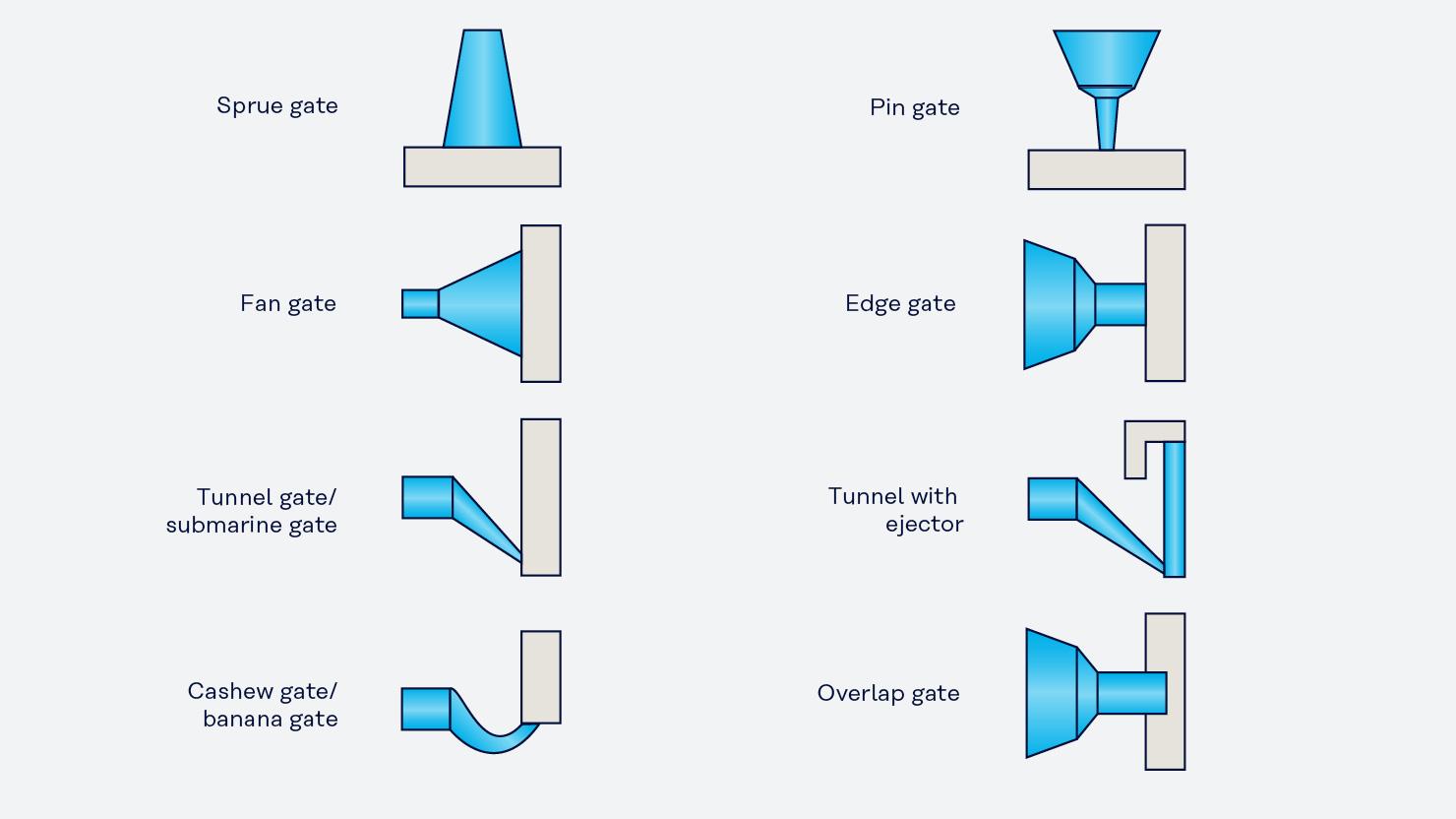
أنواع بوابات القولبة بالحقن البلاستيكي: الاختيار، ومبادئ التصميم، والمزايا، والتطبيقات

تصميم البوابة يُعد أحد أكثر جوانب هندسة قوالب الحقن البلاستيكية أهمية. وعلى الرغم من أن البوابة عادةً ما تكون أصغر معالم نظام التغذية، إلا أن لها تأثيراً كبيراً على تدفق المصهور، وضغط الكبر، وكفاءة التبريد، ومظهر القطعة، وقت الدورة، والجودة الكلية للمنتج.

يمكن أن يتسبب البواب المصمم بشكل سيئ في حدوث العديد من عيوب القولبة، بما في ذلك الحقن الناقص، وعلامات الانكماش، وخطوط اللحام، والتدفق النفاث، وعلامات الحرق، وبقايا البوابة المفرطة، وانهيار الجزء. وفي المقابل، يساعد اختيار نوع البوابة وموقعها المناسب في ضمان التعبئة المتوازنة، ودقة الأبعاد الثابتة، والإنتاج الفعال.
اقرأ المزيد »

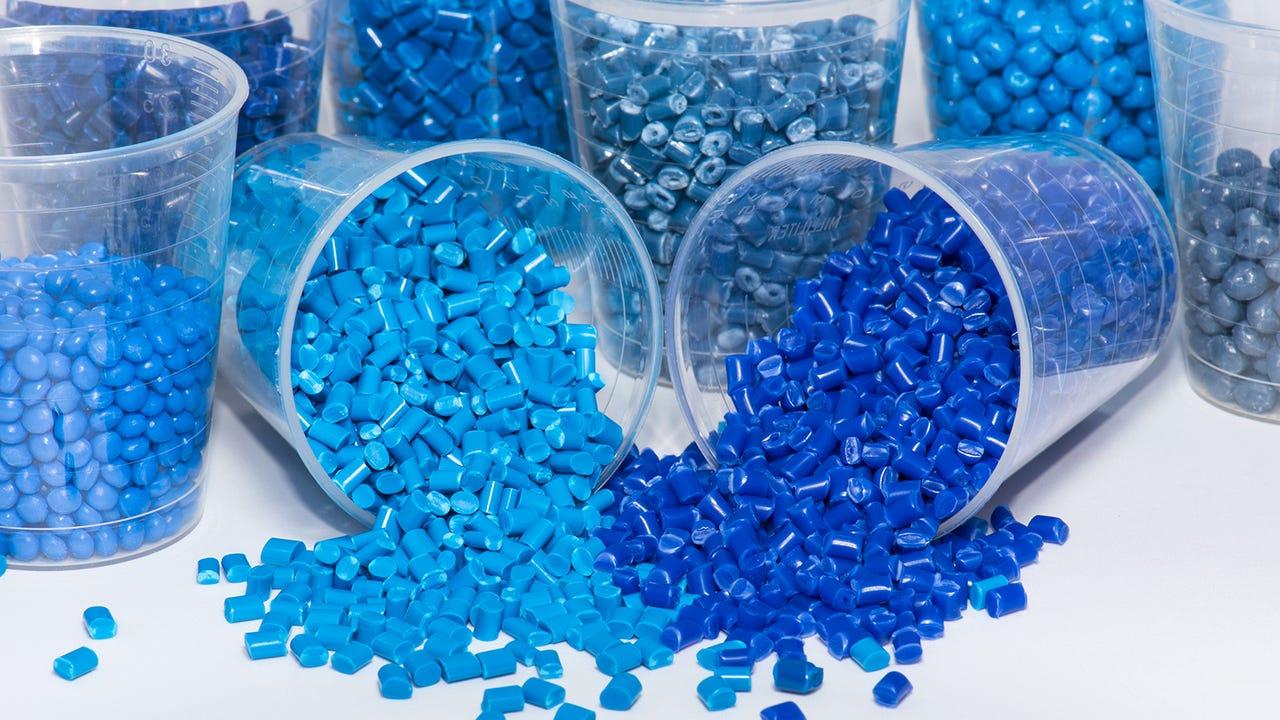
مواد البولي بروبيلين (PP): الأنواع، الدرجات، الخصائص، والتطبيقات

البولي بروبيلين (PP) هو أحد أكثر المواد البلاستيكية الحرارية استخداماً في العالم، حيث يستحوذ على حصة كبيرة من إنتاج البلاستيك العالمي. بفضل توازنه الممتاز بين الخواص الميكانيكية، ومقاومته الكيميائية، وخصائصه خفيفة الوزن، وفعاليته من حيث التكلفة، أصبح البولي بروبيلين المادة المفضلة لعدد لا يحصى من منتجات القولبة بالحقن عبر التطبيقات السيارات، المنزلية، الطبية، التعبئة والتغليف، الكهربائية، والصناعية.

يتوفر البولي بروبيلين الحديث في العديد من الدرجات والتركيبات المختلفة. ويمكن للشركات المصنعة الاختيار من بين البولي بروبيلين متجانس البوليمر، والبولي بروبيلين كوبوليمر عشوائي، والبولي بروبيلين كوبوليمر مقاوم للصدمات، والبولي بروبيلين المقوى بالألياف الزجاجية، والبولي بروبيلين المحشو بالمعادن، والبولي بروبيلين المثبط للهب، والبولي بروبيلين المثبت ضد الأشعة فوق البنفسجية، والبولي بروبيلين المخصص للطعام، وذلك اعتماداً على متطلبات المنتج.
اقرأ المزيد »

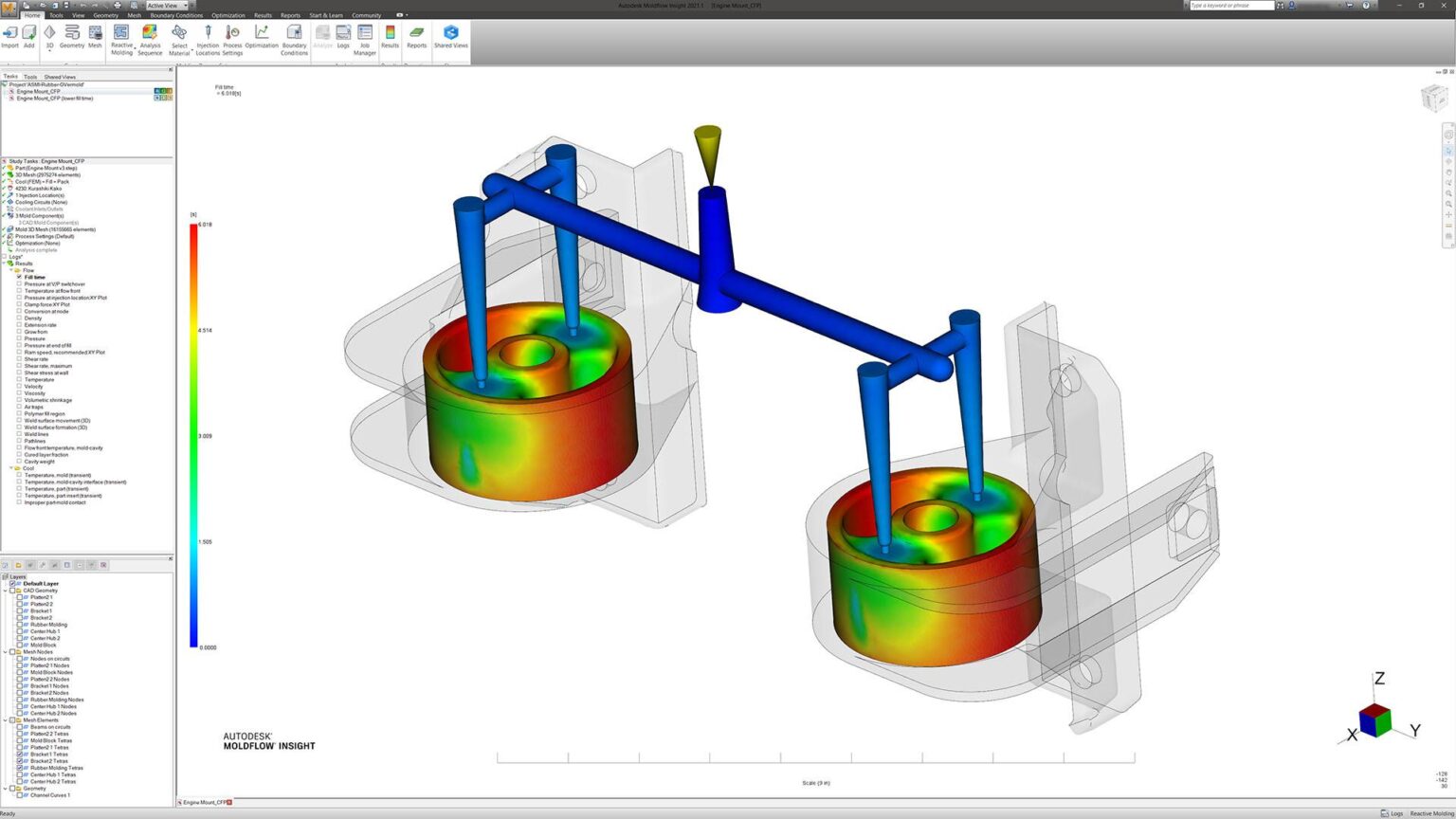
تحليل تدفق القولون بالحقن: الدليل الشامل لمحاكاة مولد فلو للأجزاء البلاستيكية

في تطوير منتجات البلاستيك الحديثة، لم تعد صناعة القوالب تعتمد فقط على الخبرة الهندسية. لقد أصبحت الهندسة بمساعدة الكمبيوتر (CAE) جزءاً أساسياً من عملية القولبة بالحقن، مما يتيح للمهندسين التنبؤ بعيوب القولبة المحتملة قبل تصنيع القالب. ومن بين هذه التقنيات، يُعد تحليل تدفق قوالب الحقن، والذي يُشار إليه غالباً بتحليل "مولد فلو" (Moldflow)، أحد أكثر الأدوات الهندسية قيمة لتقليل مخاطر التطوير، وتقصير أوقات التوريد، وتحسين جودة الأجزاء.
اقرأ المزيد »

شرح هيكل قوالب الحقن: دليل شامل لمكونات وتصميم القوالب البلاستيكية

يعد القولبة بالحقن البلاستيكي أحد أكثر عمليات التصنيع كفاءة إنتاج مكونات بلاستيكية عالية الجودة بدقة استثنائية وإمكانية تكرار. ومع ذلك، فإن جودة كل منتج مصبوب تعتمد بشكل كبير على تصميم وبناء قالب الحقن نفسه. إن القالب المصمم هندسياً بشكل جيد هو أكثر بكثير من مجرد كتلة من الفولاذ - فهو نظام ميكانيكي معقد يتحكم في تدفق البلاستيك المنصهر، والتبريد، وإخراج القطع، والدقة الأبعاد، وكفاءة الإنتاج.

عادةً ما يتكون قالب الحقن من عشرات أو حتى مئات المكونات المصنعة بدقة والتي تعمل معاً طوال كل دورة تشكيل. ول ٍّكل مكون غرض محدد، بدءاً من توجيه البلاستيك المنصهر إلى التجويف وحتى إخراج المنتج النهائي دون تلف. حتى التحسينات البسيطة في هيكل القالب يمكن أن تقلل بشكل كبير من وقت الدورة، وتتحسن جودة المنتج، وتطيل عمر القالب، وتخفض تكاليف التصنيع.
اقرأ المزيد »

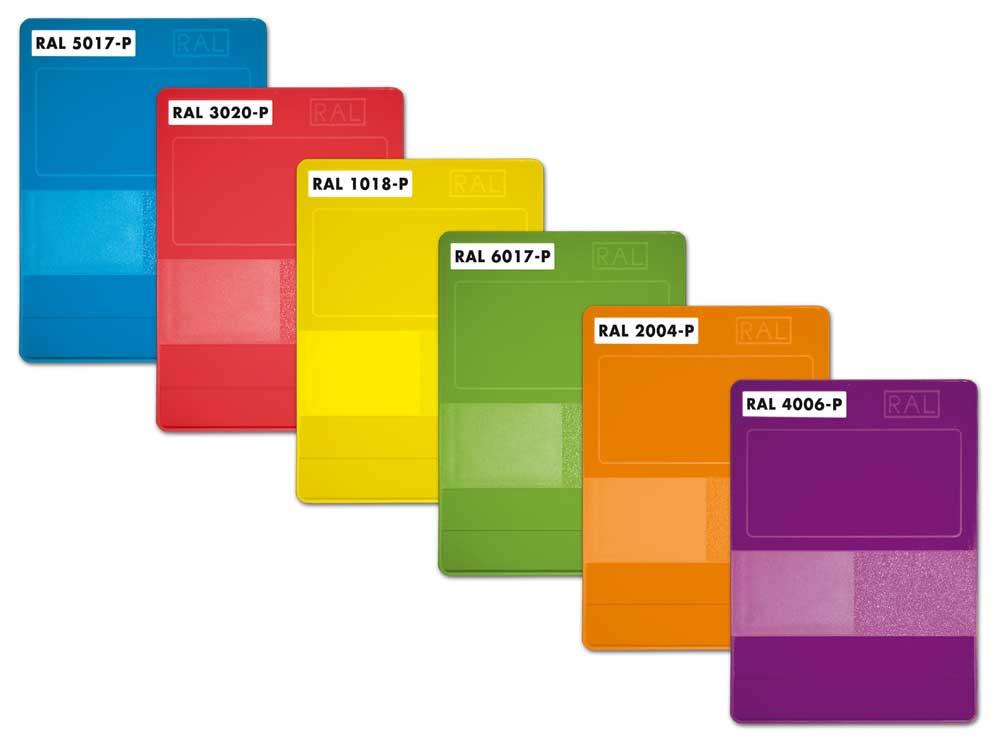
مطابقة ألوان البلاستيك للحقن: الدليل الشامل لألوان رال (RAL)، بانتون (Pantone)، الماسترباتش (Masterbatch)، والألوان المخصصة

اللون ليس مجرد ميزة جمالية في تشكيل حقن البلاستيك، بل يلعب دوراً حاسماً في العلامة التجارية للمنتج، وإدراك العملاء، ومراقبة الجودة، والتميز في السوق. وسواء كان الأمر يتعلق بتصنيع الأجهزة الإلكترونية الاستهلاكية، أو التصميمات الداخلية للسيارات، أو الأجهزة الطبية، أو المعدات الصناعية، أو المنتجات الخارجية، فإن تحقيق مطابقة دقيقة وثابتة للألوان يعد أمرًا ضروريًا لنجاح المنتج.

اقرأ المزيد »