
Packaging Injection Molding: Applications, Materials, Manufacturing Standards, and Industry Solutions
Оглавление
Введение
Packaging plays a vital role in protecting products, extending shelf life, improving transportation efficiency, and enhancing brand identity. As consumer expectations continue to evolve, manufacturers require packaging solutions that are lightweight, durable, cost-effective, and visually appealing.
Plastic injection molding has become one of the most important manufacturing processes for rigid packaging products. It enables the mass production of high-precision components with excellent dimensional consistency, complex geometries, and attractive surface finishes. Compared with traditional manufacturing methods, injection molding offers greater design flexibility, shorter production cycles, and lower unit costs for high-volume production.
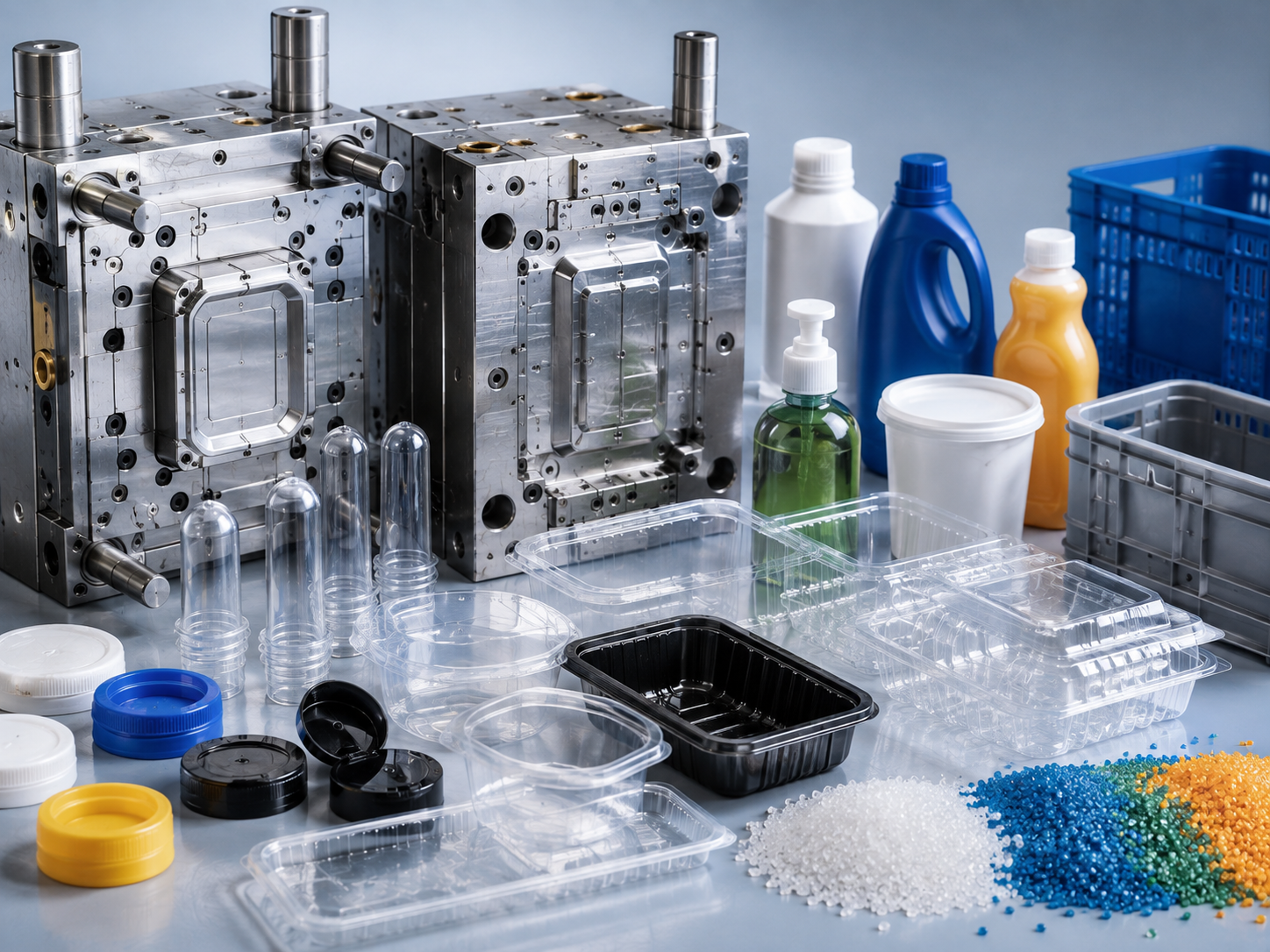
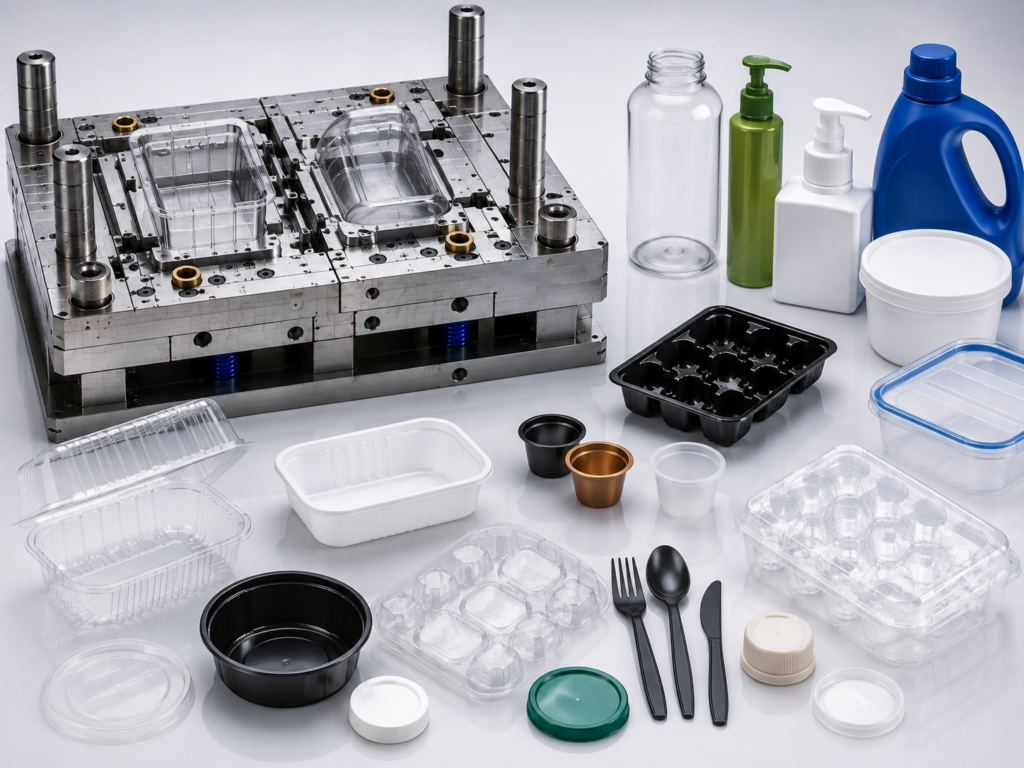
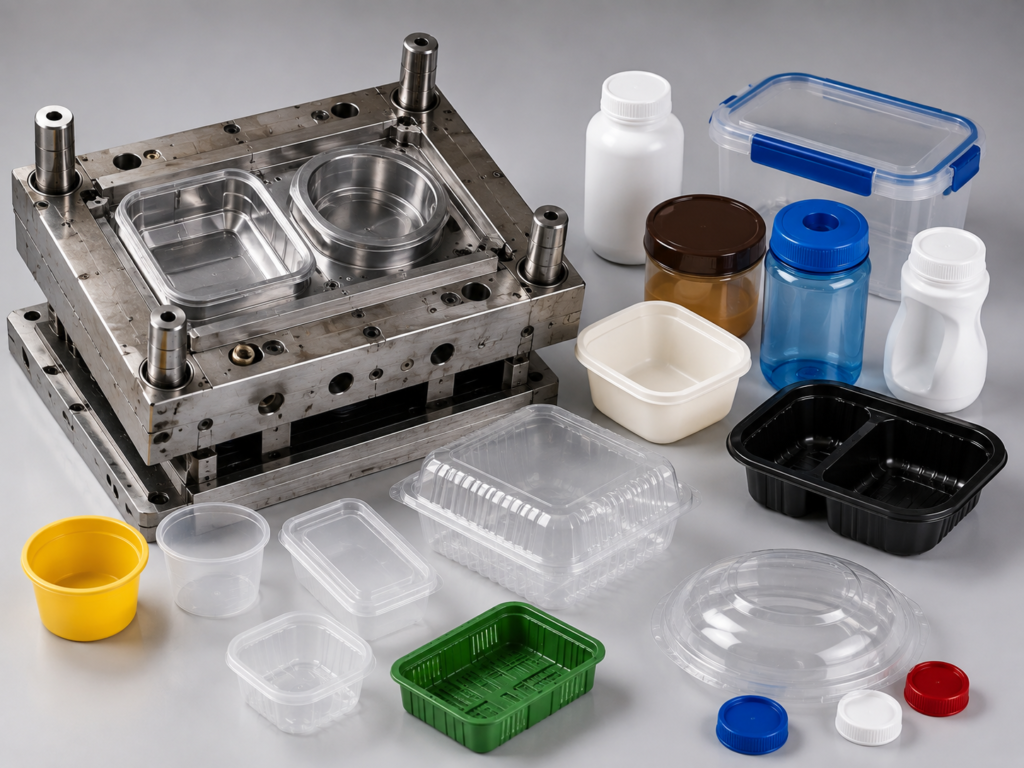
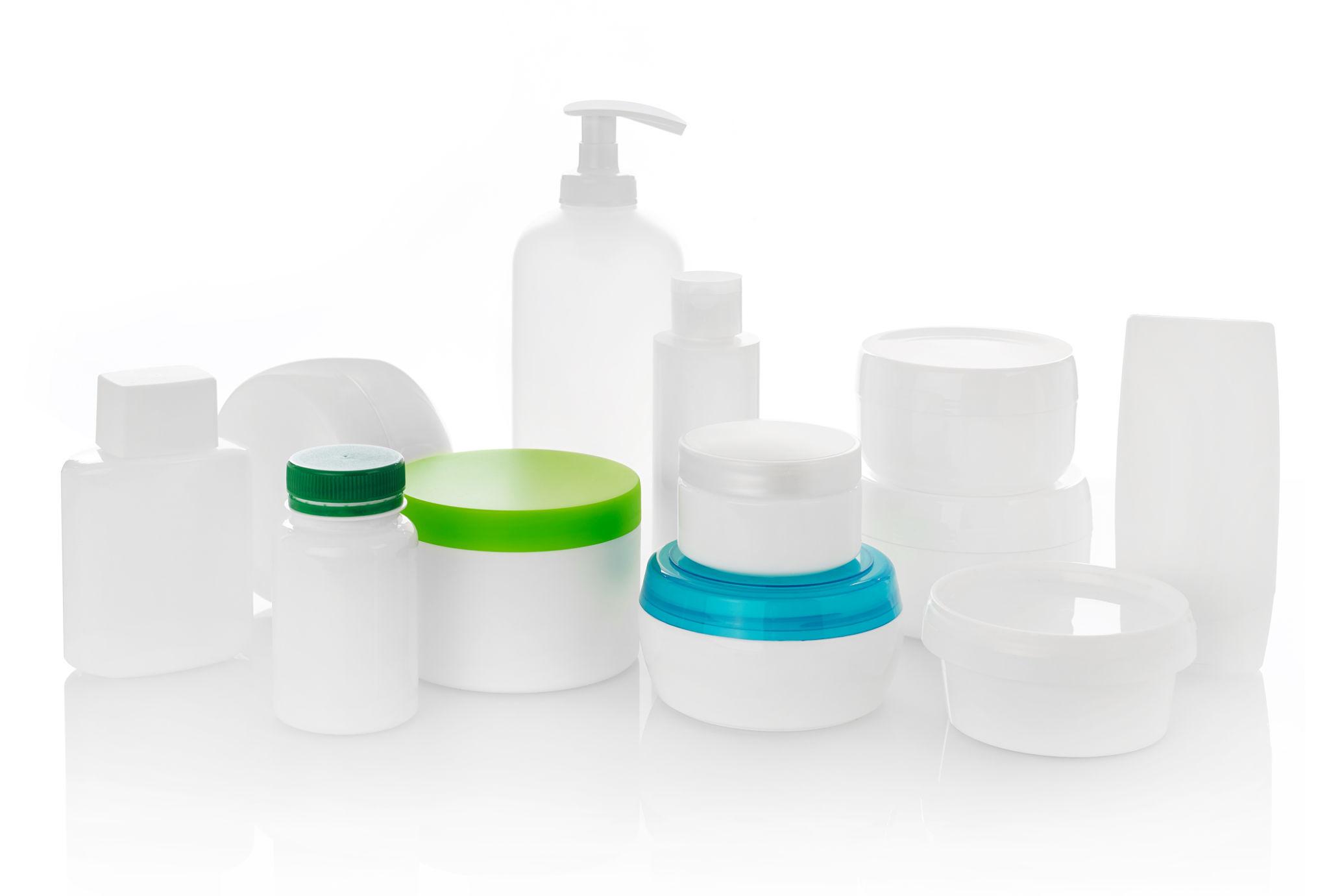
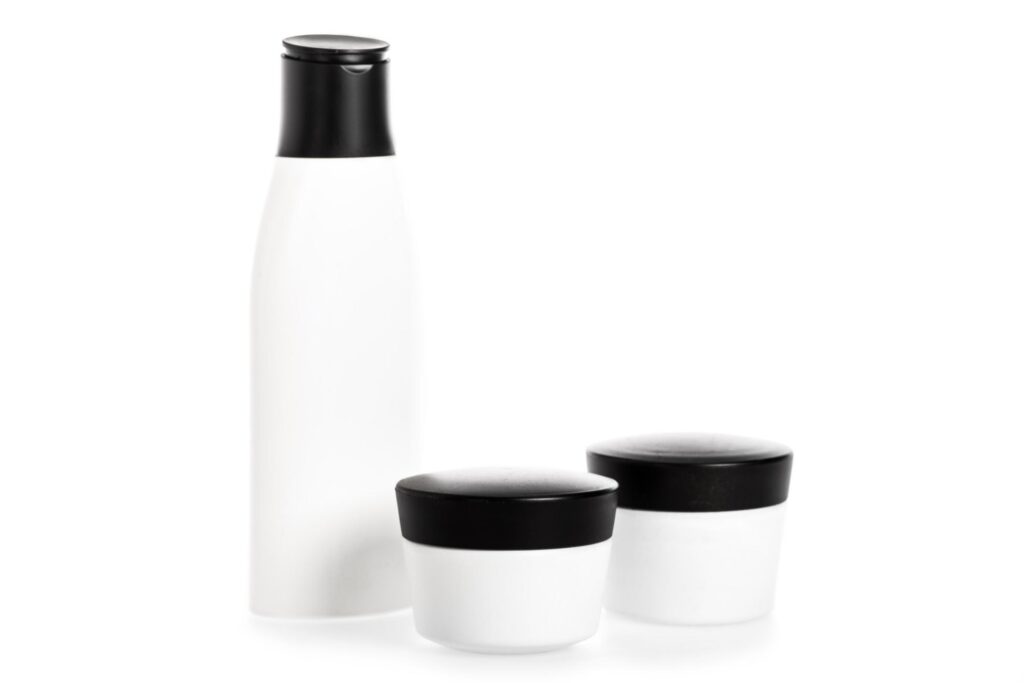
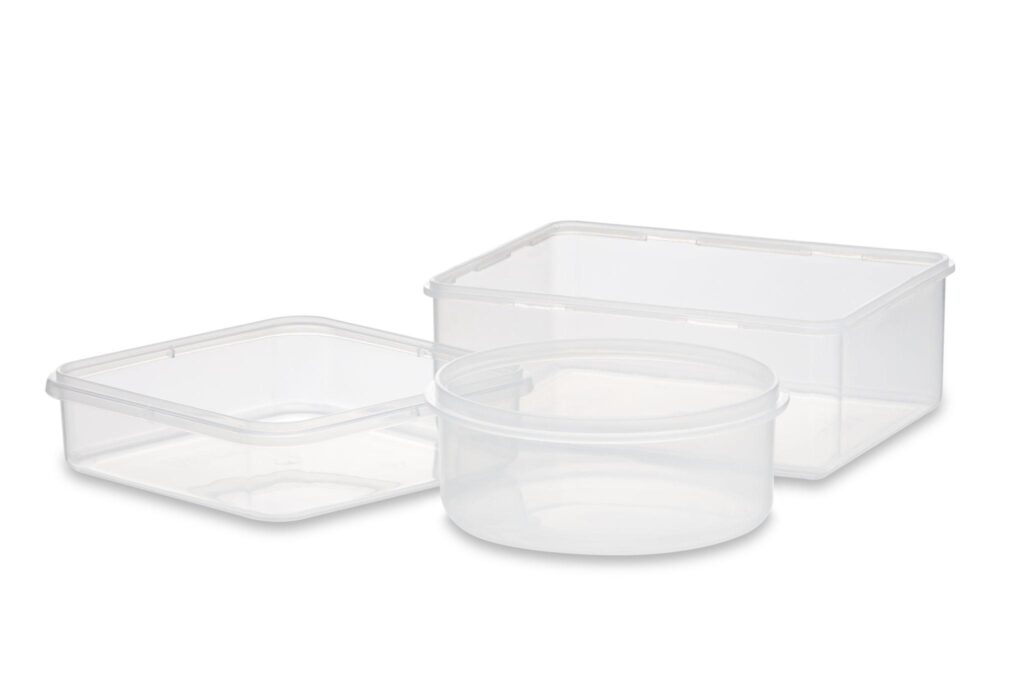
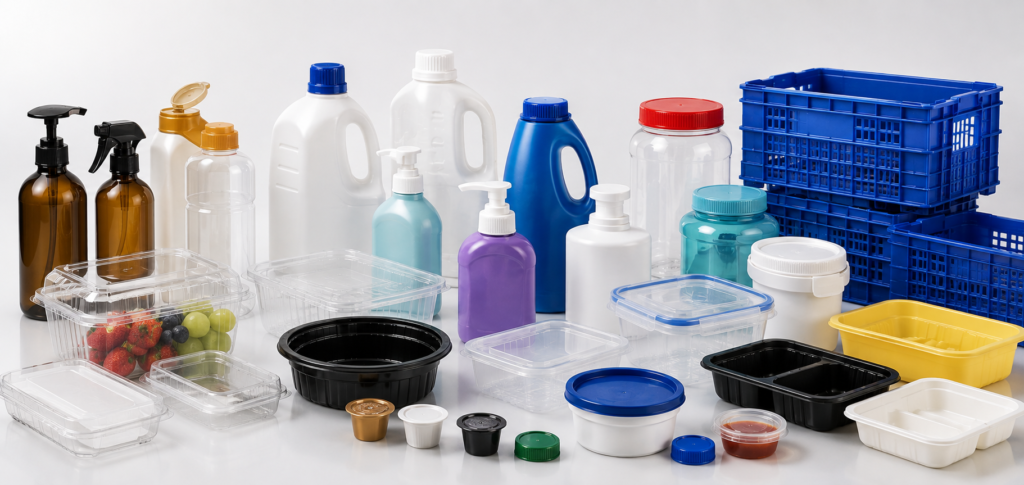
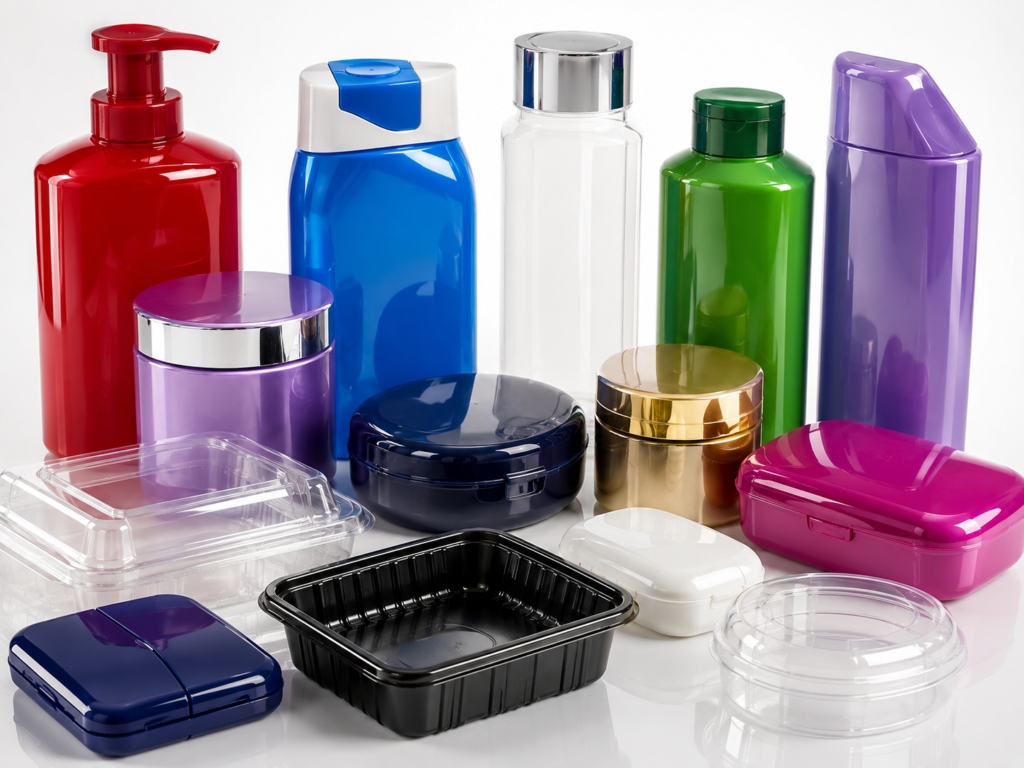
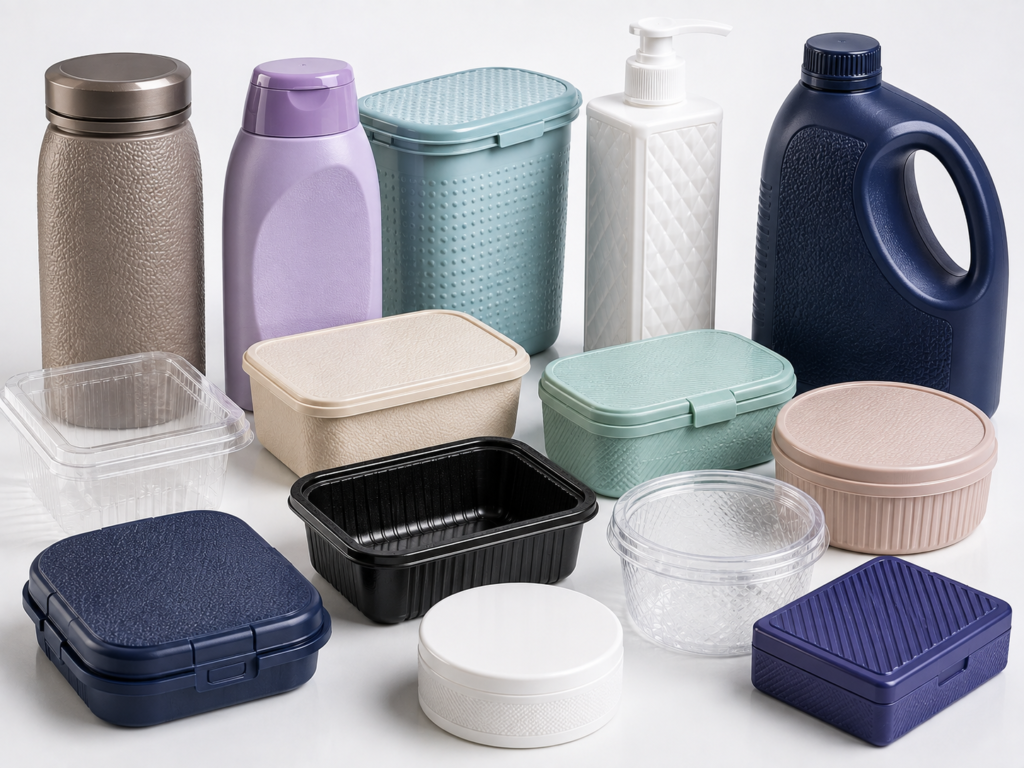
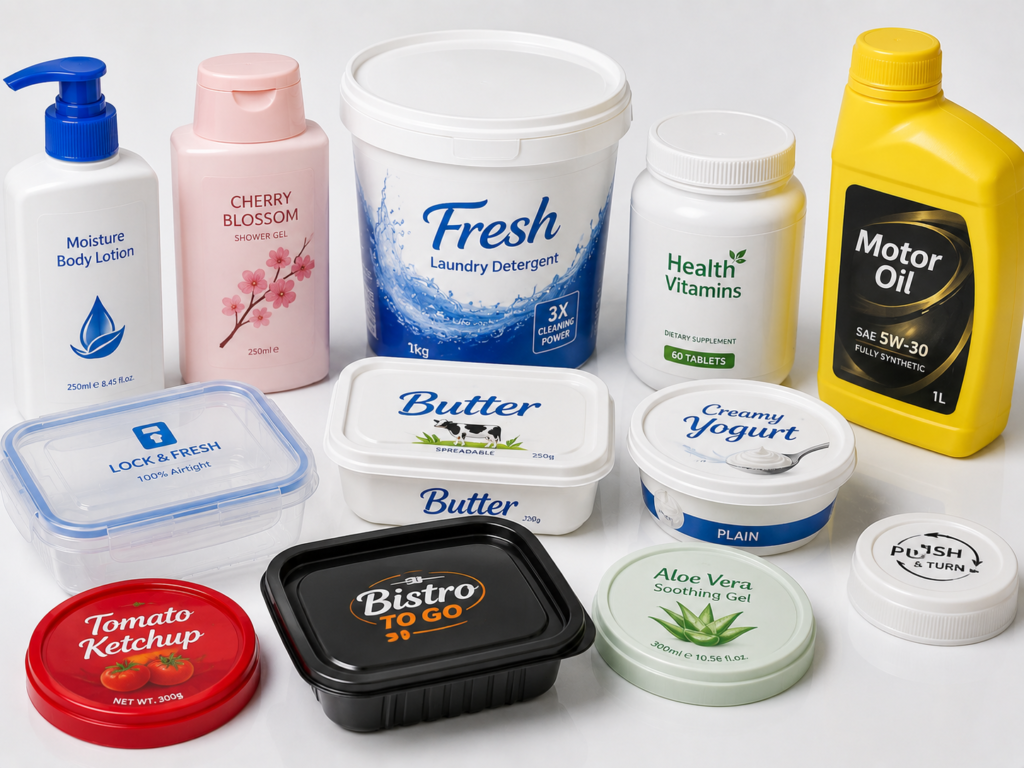
Injection molded packaging is widely used across industries including food and beverage, cosmetics, pharmaceuticals, household chemicals, consumer goods, and industrial products. Common examples include bottle caps, cosmetic jars, measuring cups, closures, dispensers, storage containers, protective cases, and reusable packaging systems.
At Samgo, we provide complete packaging manufacturing solutions, including product design support, DFM analysis, Moldflow simulation, precision mold manufacturing, and high-volume injection molding. This guide explores the applications of injection molding in the packaging industry, material selection, quality standards, and engineering best practices.
Почему Литье под давлением Is Ideal for Packaging
The packaging industry requires consistent quality, rapid production, and cost efficiency. Injection molding fulfills these requirements while supporting a wide variety of product designs and engineering plastics.
Ключевые преимущества
- Высокая эффективность производства
- Превосходная стабильность размеров
- Complex product geometry
- Attractive cosmetic appearance
- Low cost for high-volume manufacturing
- Wide selection of food-grade and engineering plastics
- Recyclable material options
- Compatibility with automation
Benefits of Injection Molding for Packaging
| Польза | Manufacturing Value |
|---|---|
| Высокая производительность | Millions of parts per year |
| Превосходный внешний вид | Premium product presentation |
| Design Flexibility | Complex closures and containers |
| Lightweight | Reduced transportation costs |
| Material Variety | PP, PE, PET, PC, ABS and more |
| Automation Ready | High-speed production lines |


Applications of Injection Molding in Packaging
Injection molding is used to manufacture a wide range of rigid packaging components for consumer and industrial markets.
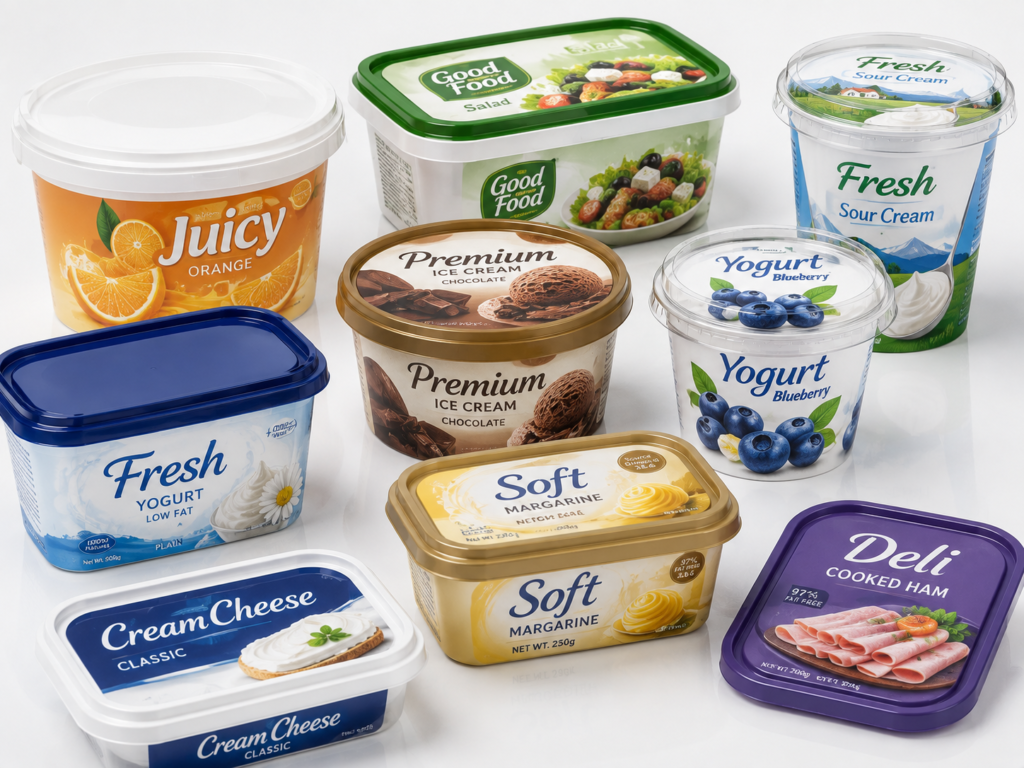
1. Food Packaging
Food packaging requires safe, hygienic, and durable plastic components that comply with food-contact regulations.
К типичным продуктам относятся:
- Food storage containers
- Bottle caps
- Measuring spoons
- Beverage closures
- Yogurt cup lids
- Reusable lunch boxes
Food-grade polypropylene (PP) and polyethylene (PE) are among the most commonly used materials because of their excellent chemical resistance and low moisture absorption.
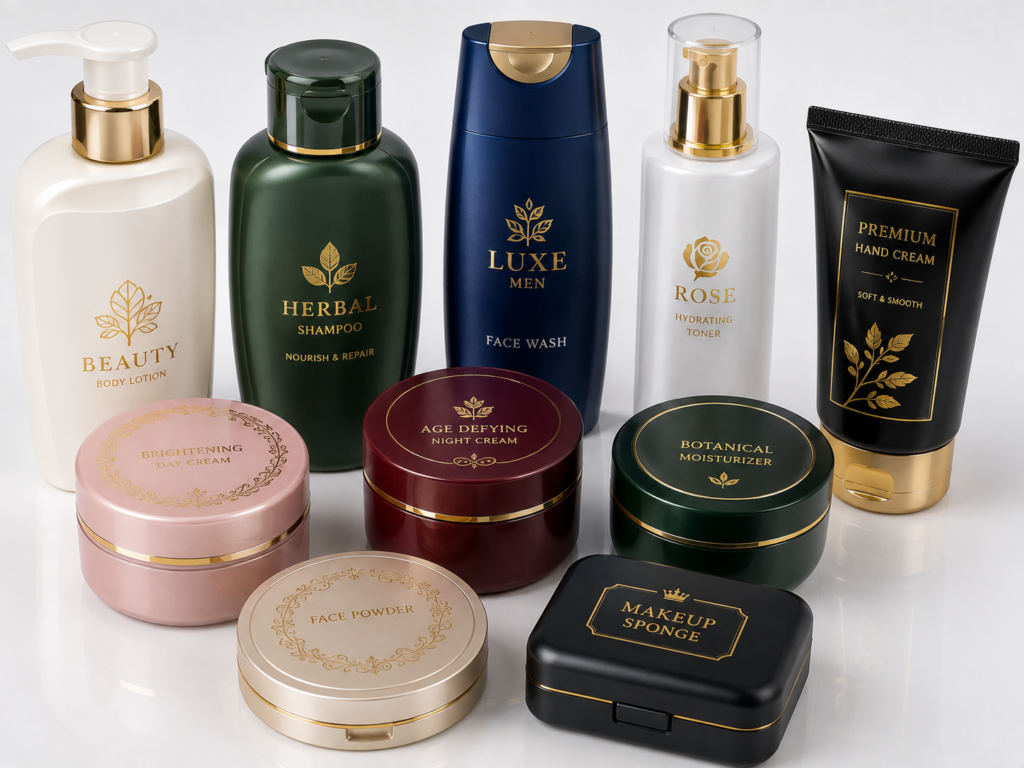
2. Cosmetic Packaging
Cosmetic packaging combines functionality with premium aesthetics. Injection molding enables smooth surfaces, glossy finishes, and intricate decorative details.
Common products include:
- Cosmetic jars
- Cream lids
- Compact cases
- Lip balm containers
- Pump collars
- Mascara caps
3. Pharmaceutical Packaging
Medical and pharmaceutical packaging demands high precision, clean manufacturing environments, and excellent dimensional consistency.
Примеры включают:
- Pill containers
- Medical caps
- Measuring cups
- Child-resistant closures
- Syrup bottle caps
- Dosage accessories
Packaging Applications

Common Materials for Packaging Injection Molding
Selecting the right material is essential for packaging performance, regulatory compliance, durability, and appearance.
Frequently Used Materials
| Материал | Key Properties | Типичные применения |
|---|---|---|
| PP | Food-safe, lightweight, chemical resistant | Food containers, caps |
| HDPE | Toughness, moisture resistance | Bottles, closures |
| LDPE | Flexible, impact resistant | Dispensing caps |
| PET | Transparency, barrier performance | Clear packaging |
| SAN | High gloss, transparency | Cosmetic containers |
| АБС | Excellent appearance | Premium packaging |
| ПК | High impact strength | Reusable packaging |
Material Selection Considerations
When designing injection molded packaging, engineers should consider:
- Food-contact compliance
- Chemical resistance
- Transparency requirements
- Impact resistance
- UV resistance
- Recyclability
- Production efficiency
Design Requirements for Packaging Products
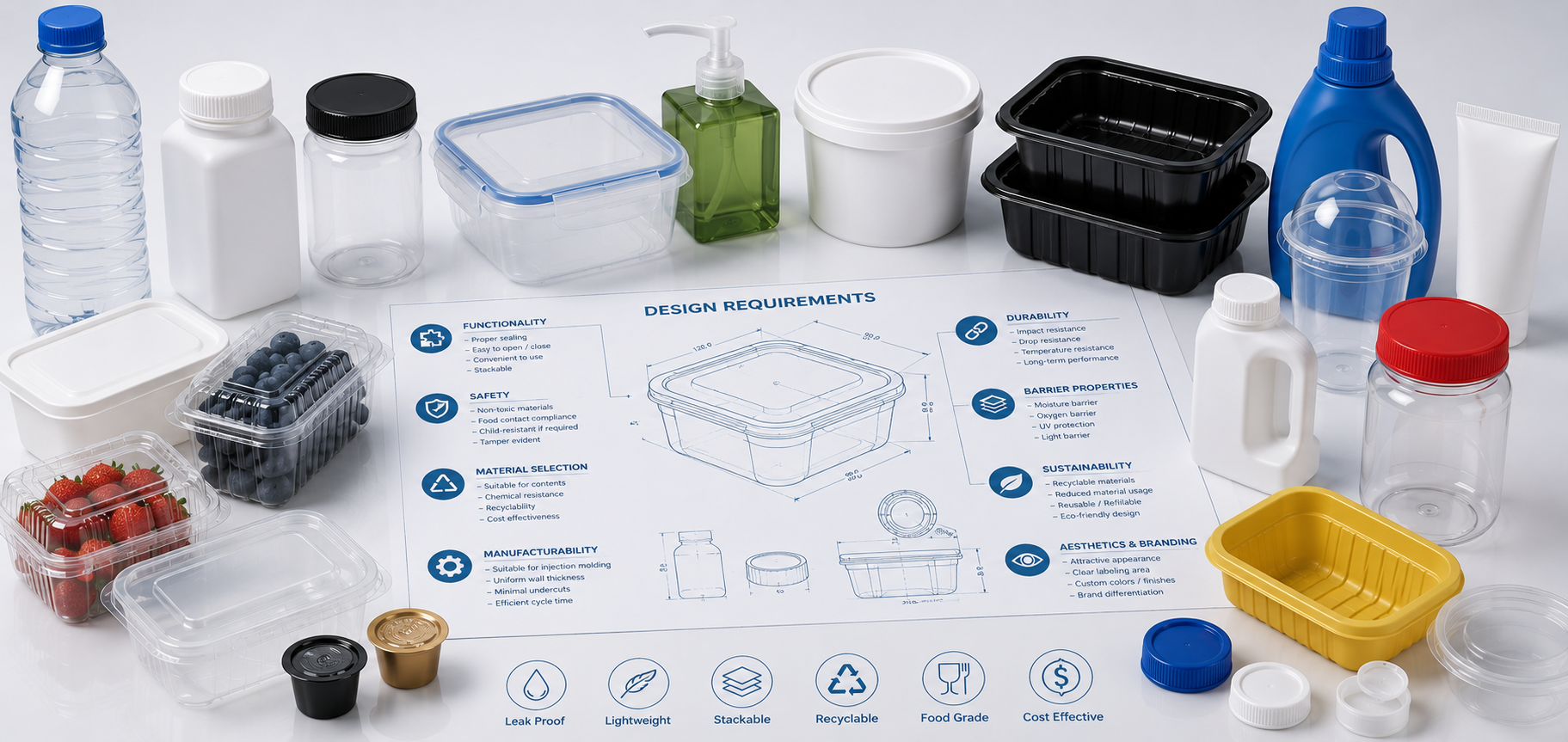
Packaging products must combine functional performance with an attractive appearance while supporting efficient mass production.
Important design considerations include:
- Uniform wall thickness
- Proper draft angles
- Secure sealing features
- Snap-fit or threaded closures
- Stackability
- Easy opening and closing
- Lightweight construction
- Moldability for high-speed production
Packaging Design Guidelines
| Design Feature | Engineering Objective |
|---|---|
| Uniform Wall Thickness | Reduce sink marks and warpage |
| Draft Angle | Smooth demolding |
| Rib Reinforcement | Improve stiffness |
| Sealing Structure | Prevent leakage |
| Thread Design | Reliable closure |
| Stackable Geometry | Efficient storage and shipping |

Manufacturing Standards for Packaging Литье под давлением
Packaging products must comply with strict quality and safety requirements, especially when used for food, cosmetics, pharmaceuticals, and personal care products. Manufacturers must ensure that packaging not only protects the contents but also meets regulatory requirements in target markets.
Depending on the application, packaging manufacturers may need to comply with international standards and regulations related to food contact, hygiene, environmental protection, and quality management.
Important Standards
- FDA Food Contact Regulations (United States)
- EU Food Contact Regulations
- ISO 9001 Quality Management
- ISO 22000 Food Safety Management
- Good Manufacturing Practices (GMP)
- REACH Compliance
- RoHS Compliance (for applicable packaging components)
Early consideration of regulatory requirements helps reduce certification risks and accelerates product commercialization.
Packaging Standards Overview
| Стандартный | Primary Purpose | Typical Industry |
|---|---|---|
| ISO 9001 | Quality Management | All Packaging |
| ISO 22000 | Food Safety | Food Packaging |
| FDA Food Contact | Material Compliance | Food & Beverage |
| EU Food Contact | Material Safety | European Market |
| GMP | Hygienic Manufacturing | Pharmaceutical & Cosmetics |
| REACH | Chemical Compliance | Consumer Products |

Surface Finishing and Decoration Technologies
Modern packaging serves not only a protective function but also a marketing role. High-quality surface finishing enhances brand recognition and improves the consumer experience.
Common Decoration Methods
High Gloss Polishing
Creates smooth, premium-looking surfaces commonly used for cosmetic jars and luxury packaging.
Mold Texturing
Produces matte finishes that improve grip while reducing visible scratches and fingerprints.
In-Mold Labeling (IML)
Labels are integrated directly into the molded part during injection molding, providing excellent durability and eliminating secondary labeling operations.
Pad Printing
Ideal for logos, product identification, and batch information.
Hot Stamping
Adds metallic decorative effects for premium cosmetic and personal care packaging.
Decoration Technology Comparison
| Technology | Внешний вид | Durability | Типичное приложение |
|---|---|---|---|
| High Gloss | Premium | Отлично | Cosmetic jars |
| Mold Texture | Matte | Отлично | Food containers |
| IML | Decorative | Отлично | Food tubs |
| Pad Printing | Logo Printing | Хорошо | Bottle caps |
| Hot Stamping | Metallic Finish | Отлично | Luxury packaging |


Quality Control and Testing
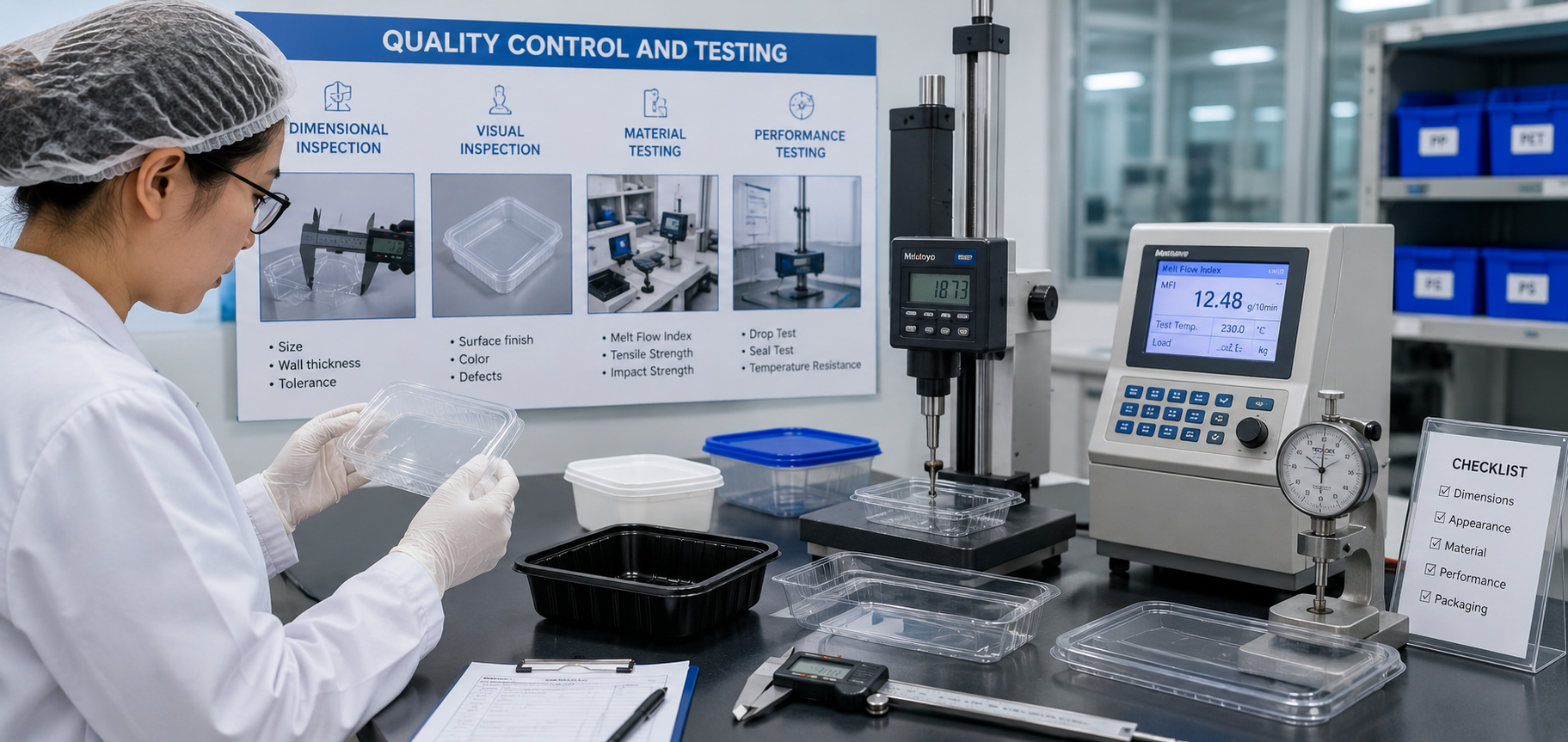
Packaging components are often produced in very high volumes, making robust quality control essential. Automated inspection systems and standardized testing procedures help ensure consistency across millions of parts.
Typical Inspection Items
- Точность размеров
- Weight consistency
- Surface appearance
- Seal performance
- Thread engagement
- Leak testing
- Drop resistance
- Color consistency
For food and pharmaceutical packaging, cleanliness and contamination control are also critical.
Packaging Quality Control Process
| Inspection Stage | Objective |
|---|---|
| Incoming Material Inspection | Verify resin quality |
| First Article Inspection | Approve production samples |
| In-Process Inspection | Monitor production stability |
| Leak Testing | Ensure sealing performance |
| Functional Testing | Verify assembly and usability |
| Final Inspection | Shipment approval |

Common Manufacturing Challenges and Solutions
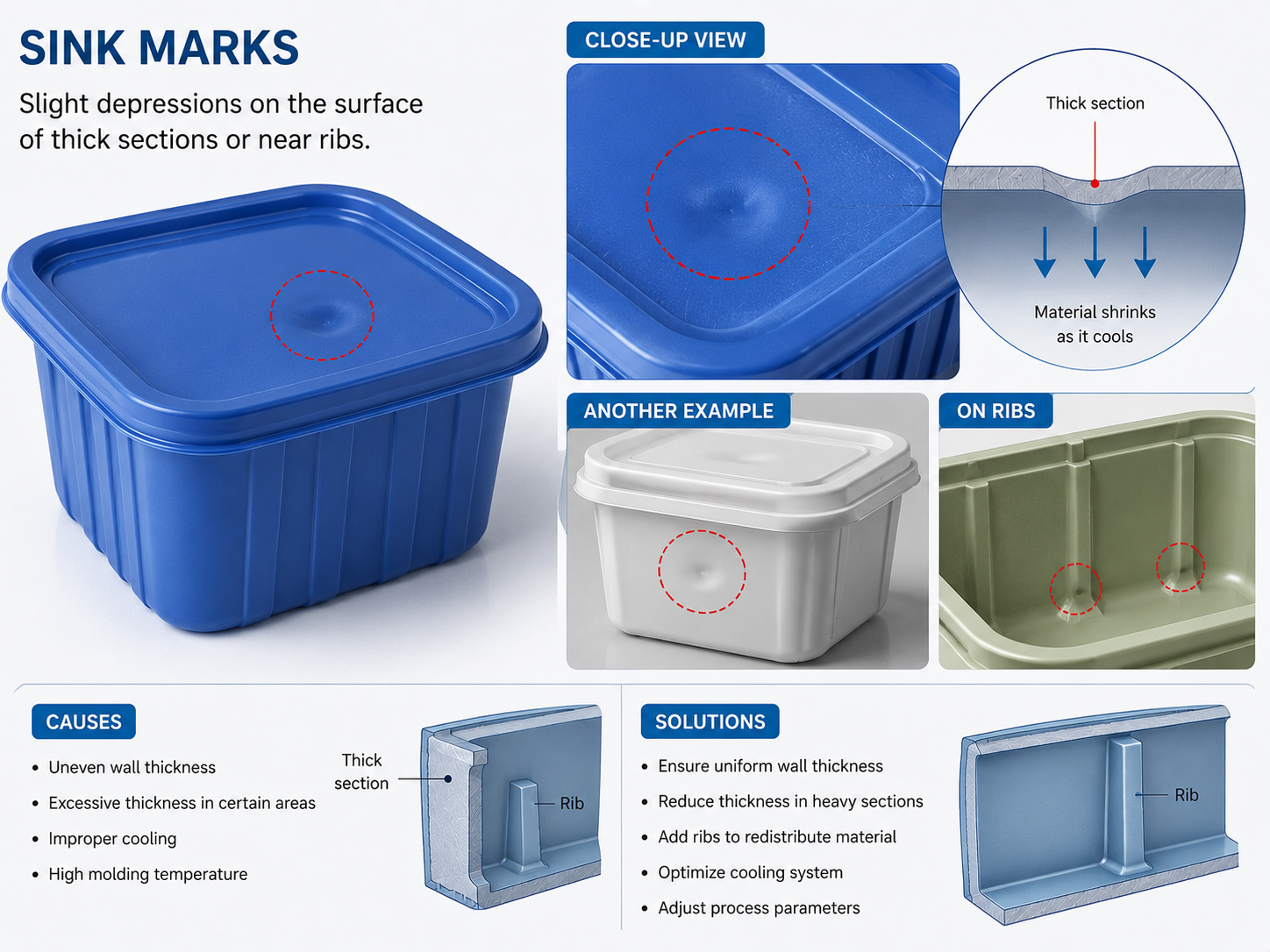
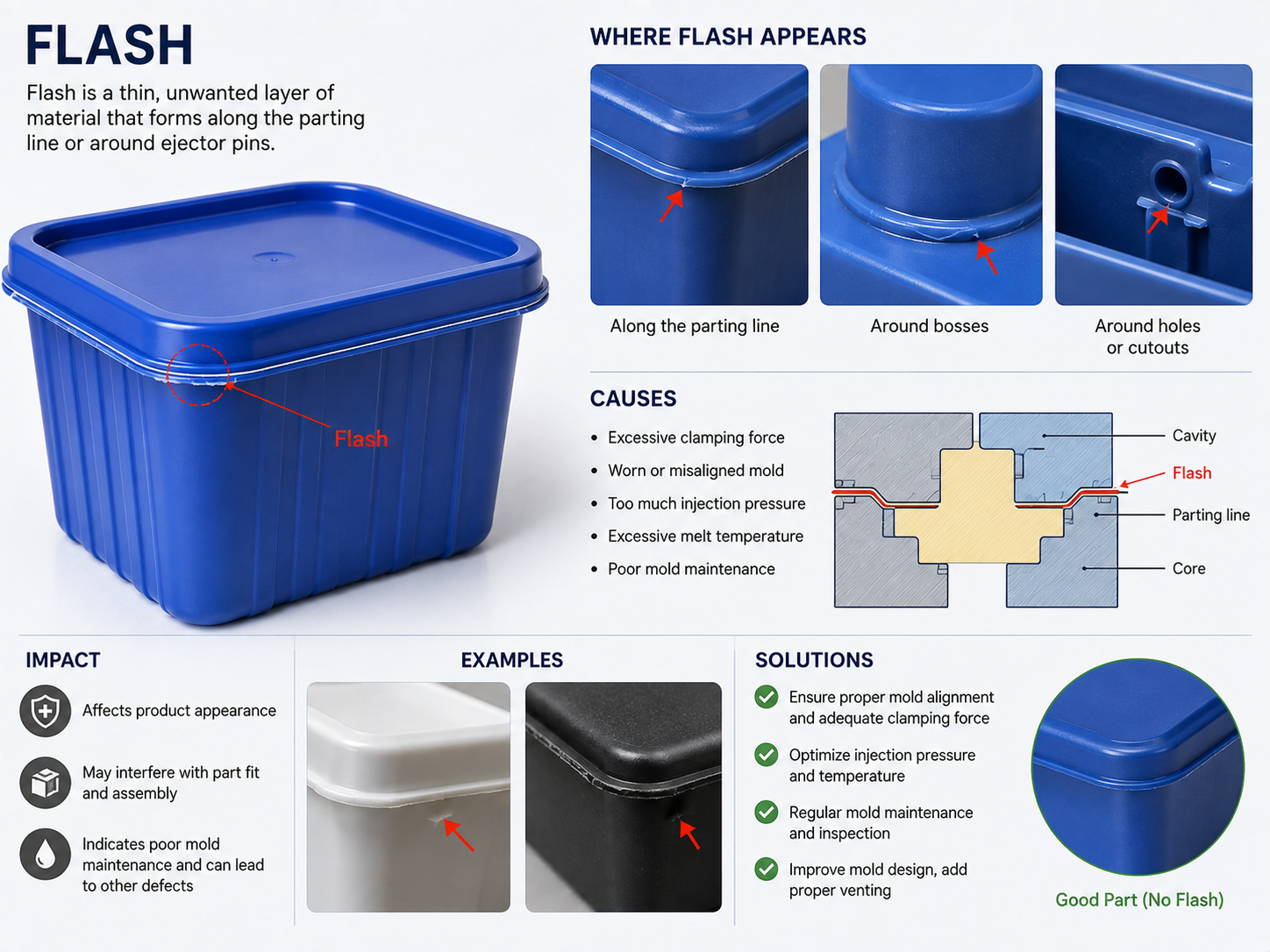
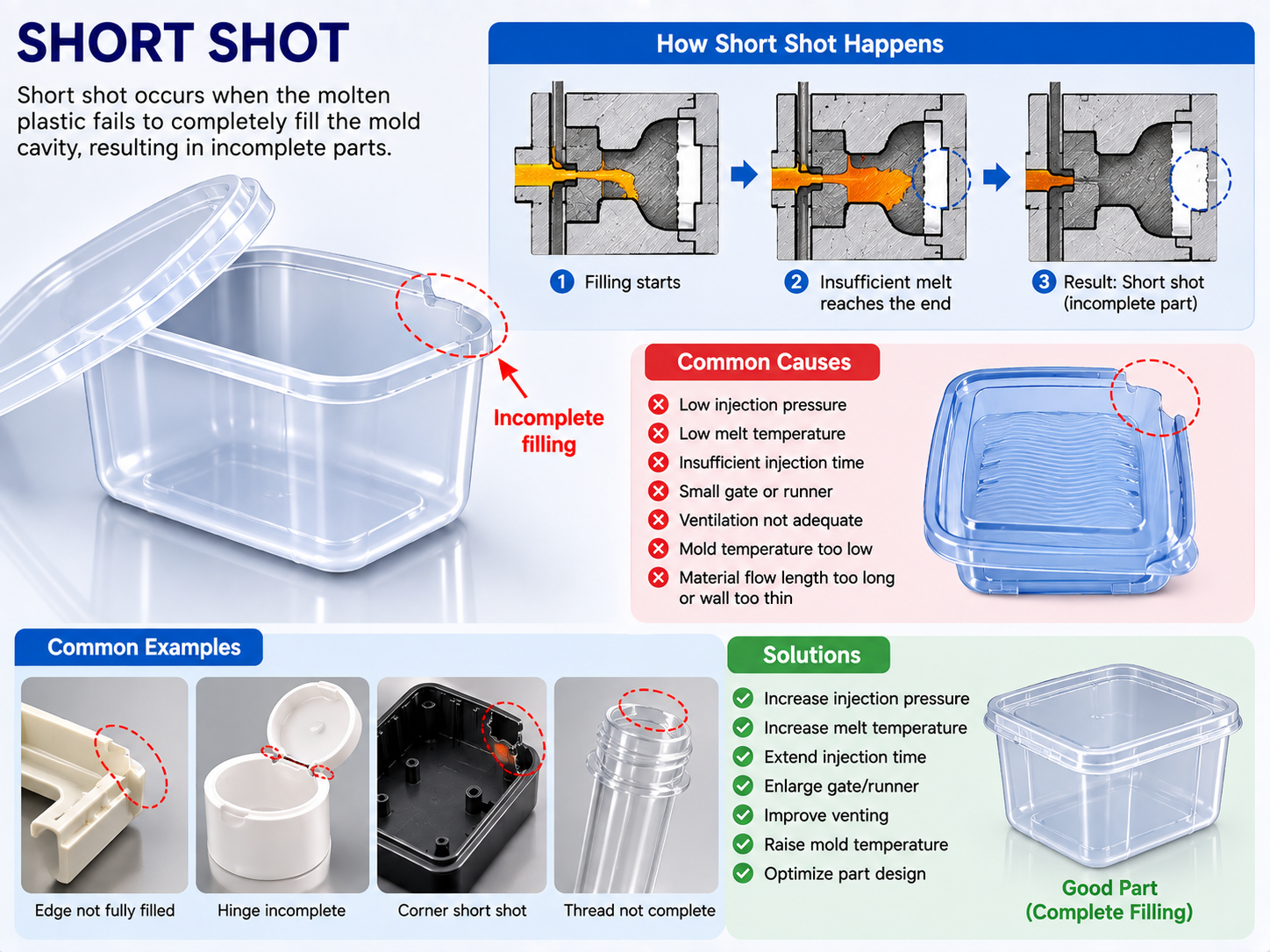
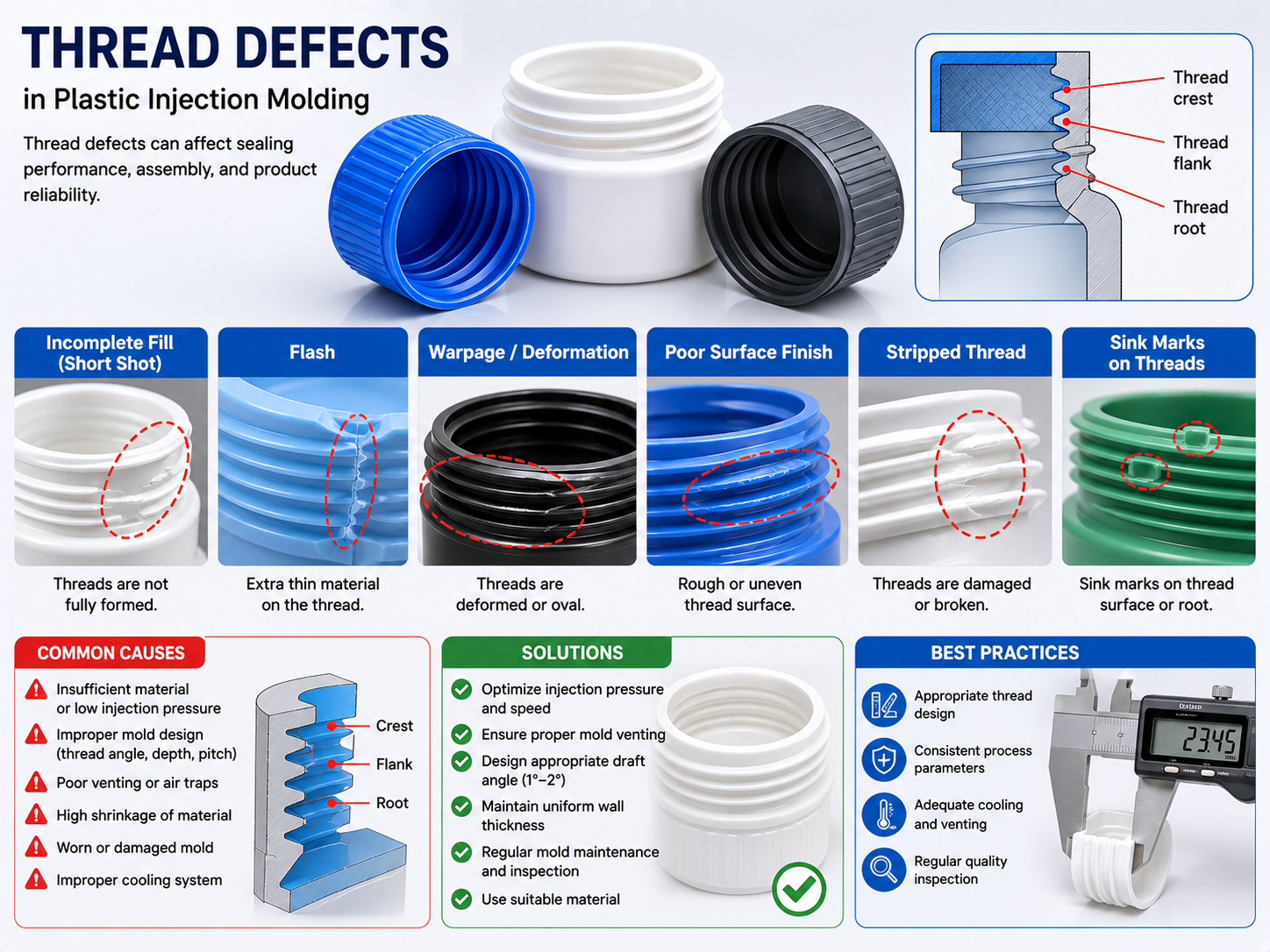
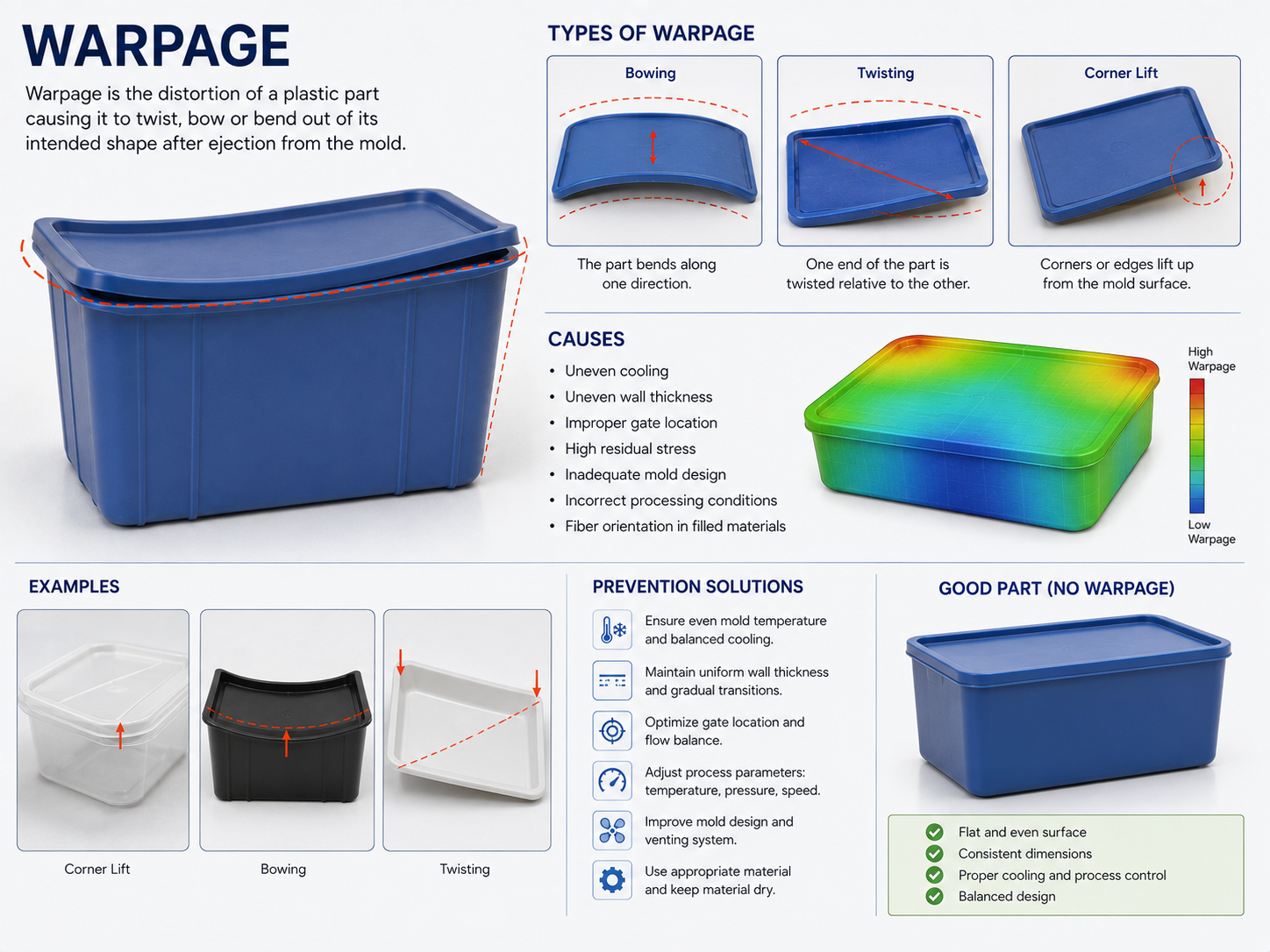
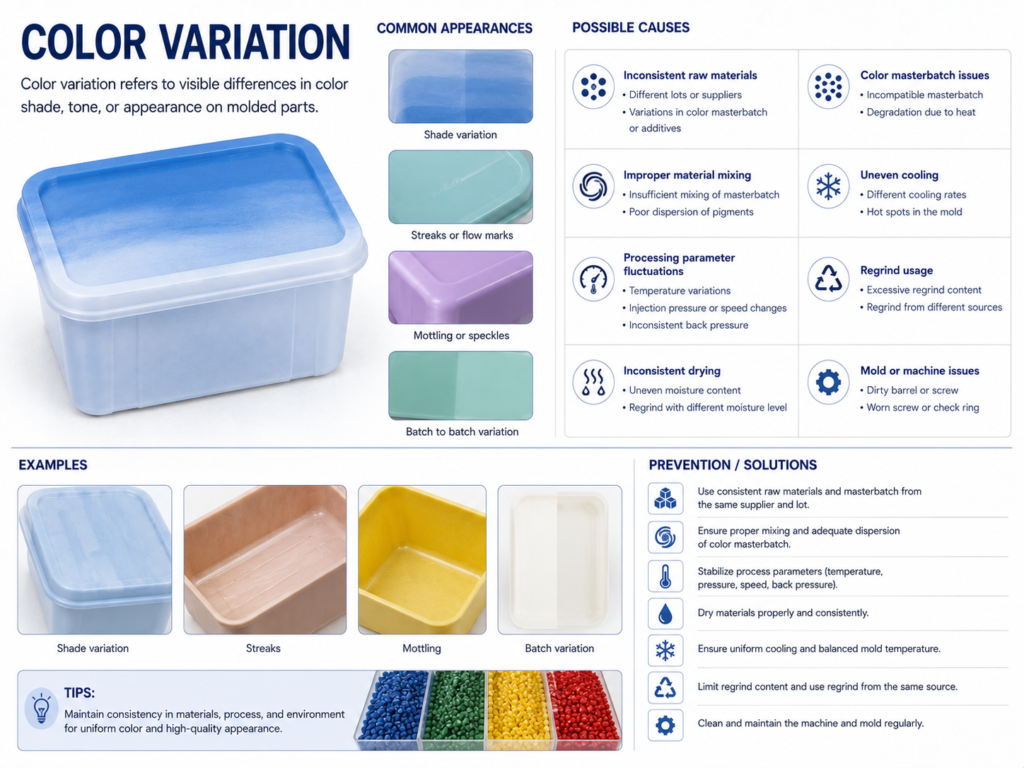
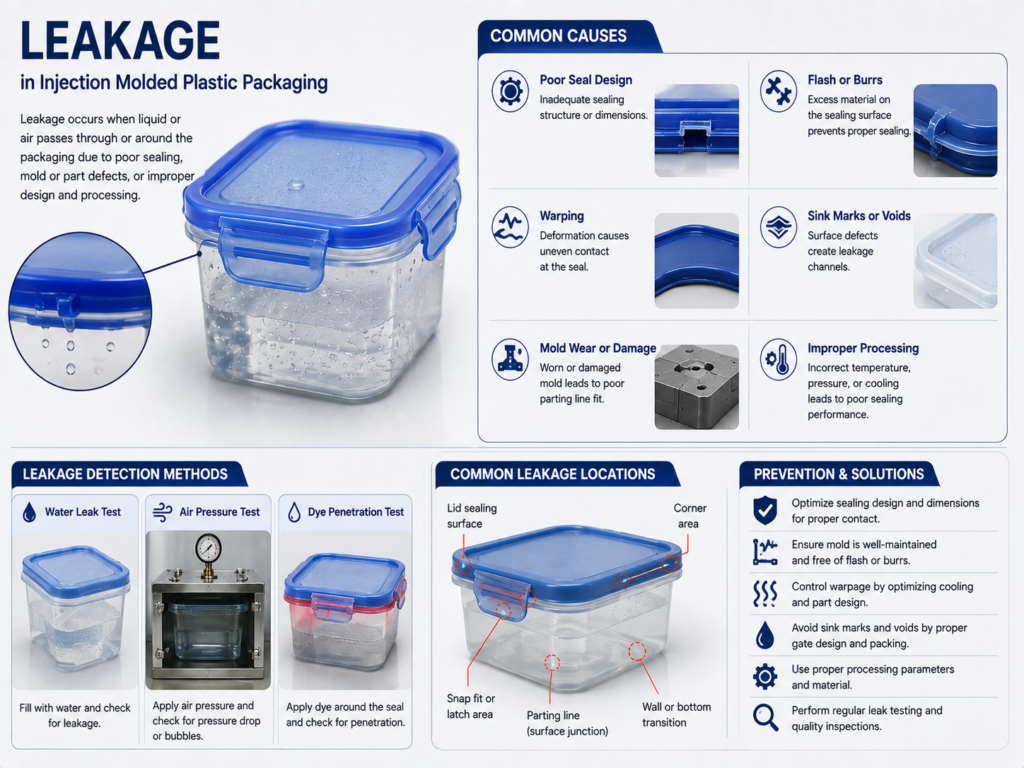
Packaging products often feature thin walls, fine threads, decorative surfaces, and high production volumes. These characteristics require careful mold design and process optimization.
| Challenge | Possible Cause | Recommended Solution |
|---|---|---|
| Sink Marks | Thick wall sections | Optimize wall thickness |
| Flash | Mold wear or poor clamping | Improve mold maintenance |
| Short Shot | Inadequate filling | Optimize gate design |
| Thread Defects | Poor mold alignment | Improve machining precision |
| Warpage | Uneven cooling | Optimize cooling channels |
| Color Variation | Material inconsistency | Tight material control |
| Leakage | Poor sealing design | Optimize sealing geometry |
Using DFM analysis and Moldflow simulation during product development helps identify potential manufacturing issues before tooling begins.


Sustainable Packaging and Recycled Materials
Sustainability has become a major focus in the packaging industry. Many global brands are reducing plastic waste by adopting recyclable materials, lightweight designs, and reusable packaging systems.
Injection molding supports these initiatives through efficient material utilization and compatibility with recycled and bio-based plastics.
Sustainable Solutions
- Recycled PP (rPP)
- Recycled HDPE (rHDPE)
- Bio-based plastics
- Lightweight structural optimization
- Reusable packaging
- Mono-material packaging for easier recycling
Designing for recyclability from the beginning of a project helps improve environmental performance without compromising product quality.
Sustainable Material Comparison
| Материал | Recyclability | Типичные применения |
|---|---|---|
| PP | Отлично | Food containers |
| HDPE | Отлично | Bottles |
| PET | Отлично | Transparent packaging |
| rPP | Отлично | Industrial packaging |
| rHDPE | Отлично | Household packaging |
Why Choose Samgo for Packaging Injection Molding?
At Samgo, we provide complete tooling and manufacturing solutions for plastic packaging products across food, cosmetics, pharmaceuticals, household goods, and industrial applications.
Our Capabilities
| Сервис | Польза для клиента |
|---|---|
| Дизайн продуктов Поддержка | Faster product development |
| Анализ технологичности (DFM) | Improved manufacturability |
| Моделирование методом Moldflow | Reduced tooling risk |
| Производство прецизионных пресс-форм | Долгий срок службы пресс-формы |
| High-Volume Injection Molding | Stable production |
| Surface Decoration Support | Premium appearance |
| Quality Inspection | Стабильное качество продукции |
Our engineering team works closely with customers to optimize product performance, production efficiency, and manufacturing cost from concept through mass production.
Frequently Asked Questions
Which plastic is most commonly used for food packaging?
Polypropylene (PP) is one of the most widely used materials because it offers excellent chemical resistance, food-contact safety, low cost, and good processing performance.
Can injection molded packaging be recycled?
Yes. Many packaging materials such as PP, HDPE, and PET are recyclable. Packaging designed with mono-material structures is generally easier to recycle than multi-material assemblies.
Why is Moldflow analysis important for packaging?
Packaging products often feature thin walls and complex geometries. Moldflow simulation helps optimize filling balance, reduce warpage, minimize weld lines, and shorten development time.
Does Samgo manufacture custom packaging molds?
Yes. We provide custom injection molds and plastic parts for food packaging, cosmetic containers, pharmaceutical packaging, household products, and industrial packaging applications.
Conclusion
Injection molding is a cornerstone technology for the modern packaging industry, enabling manufacturers to produce high-quality, cost-effective, and visually appealing plastic packaging components at scale. From food containers and cosmetic jars to pharmaceutical closures and industrial protective packaging, the process offers exceptional design flexibility, dimensional accuracy, and production efficiency.
Successful packaging projects depend on selecting suitable materials, complying with international standards, optimizing mold design, and implementing rigorous quality control. As sustainability becomes increasingly important, integrating recyclable materials and environmentally conscious design practices will help manufacturers meet market expectations while supporting long-term business growth.
At Samgo, we combine engineering expertise, precision mold manufacturing, and advanced injection molding capabilities to deliver reliable packaging solutions tailored to your application and production requirements.
Узнать актуальную цену? Мы ответим как можно скорее (в течение 12 часов)

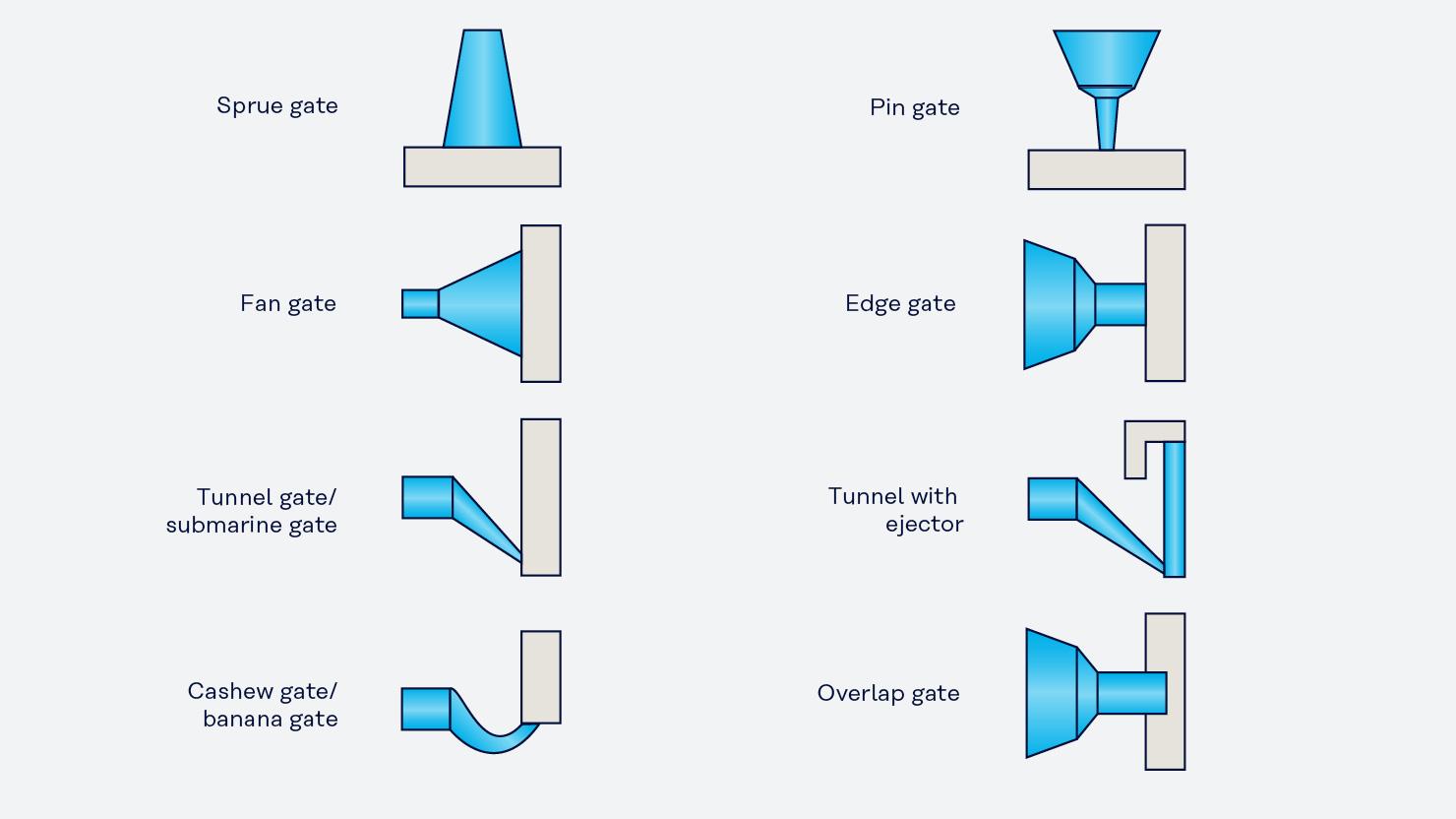
Типы литников для литья пластмасс под давлением: выбор, принципы проектирования, преимущества и области применения
Конструкция впускного литника — один из наиболее критических аспектов проектирования пресс-форм для литья пластмасс под давлением. Несмотря на то, что литник обычно является наименьшим элементом литниковой системы, он оказывает существенное влияние на течь расплава, давление выдержки, эффективность охлаждения, внешний вид детали, время цикла и общее качество продукта.
Плохо спроектированный литник может стать причиной многочисленных дефектов литья, включая недолив, утяжины, линии спая, струйное течение, следы ожогов, избыточный литниковый остаток и коробление детали. И наоборот, выбор подходящего типа и расположения литника помогает обеспечить сбалансированное заполнение, стабильную точность размеров и эффективное производство.
Материалы из полипропилена (ПП): виды, марки, свойства и применение
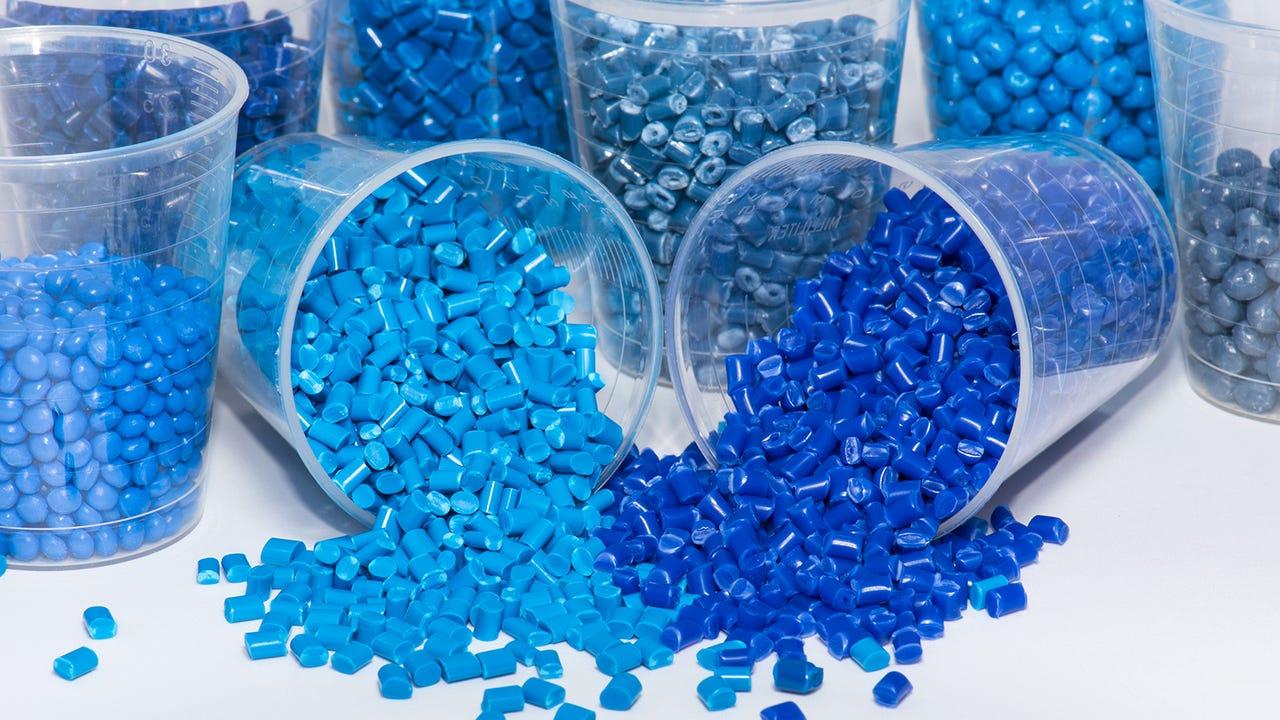
Полипропилен (ПП) является одним из самых широко используемых термопластов в мире, на долю которого приходится значительная часть мирового производства пластика. Благодаря прекрасному балансу механических свойств, химической стойкости, легкости и экономической эффективности, ПП стал предпочтительным материалом для бесчисленных изделий, получаемых методом литья под давлением, в автомобильной, бытовой, медицинской, упаковочной, электротехнической и промышленной отраслях.
Современный полипропилен выпускается во множестве различных марок и рецептур. Производители могут выбирать между гомополимером ПП, статичным сополимером ПП, блок-сополимером ПП, армированным стекловолокном ПП, наполненным минералами ПП, огнестойким ПП, УФ-стабилизированным ПП и пищевым ПП в зависимости от требований к изделию.
Анализ течения расплава при литье под давлением: Полное руководство по симуляции Moldflow для пластиковых деталей
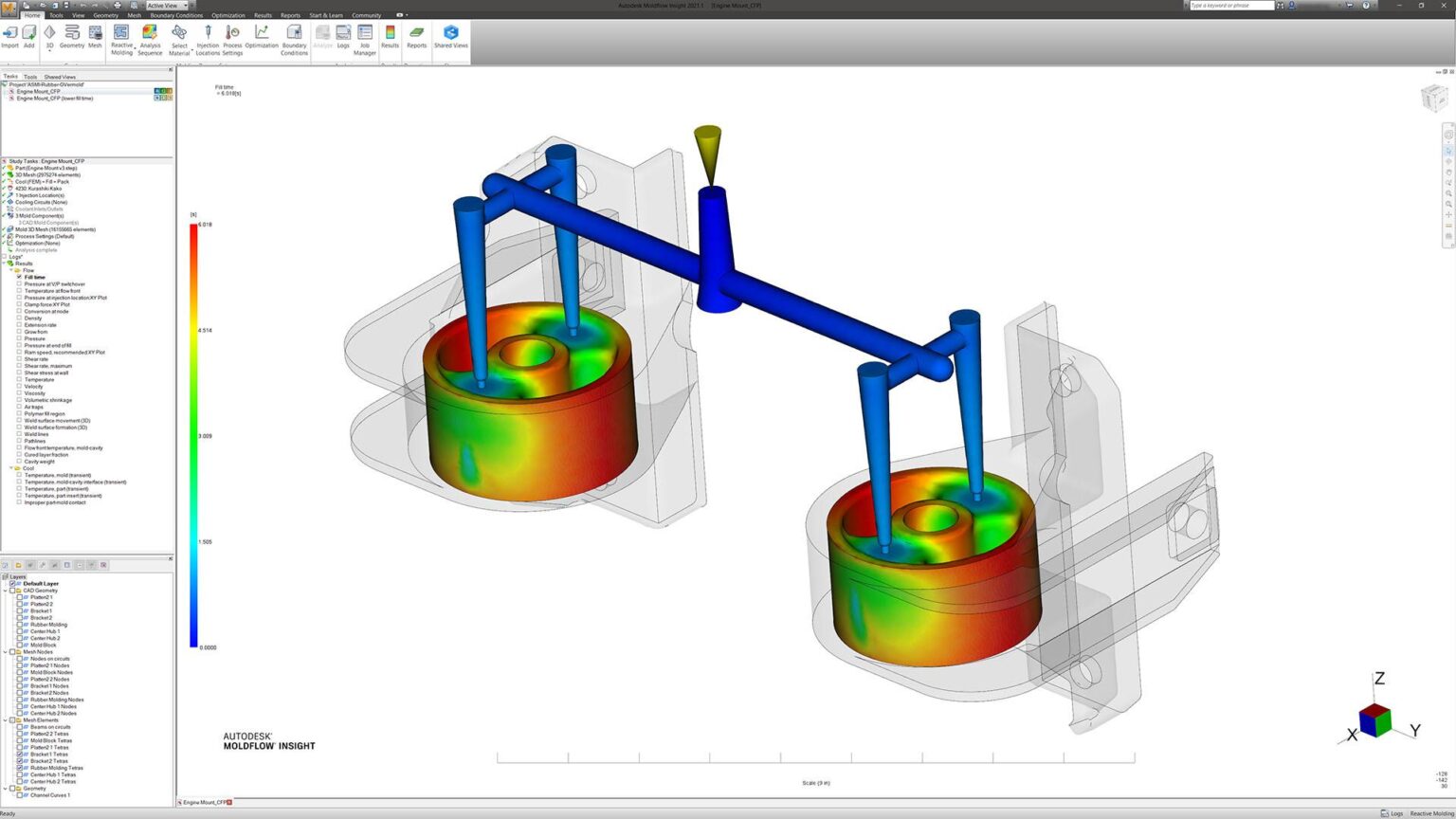
В современной разработке пластиковых изделий производство пресс-форм больше не опирается исключительно на инженерный опыт. Компьютерное проектирование (CAE) стало неотъемлемой частью процесса литья под давлением, позволяя инженерам прогнозировать потенциальные дефекты формования до изготовления пресс-формы. Среди этих технологий анализ течения расплава при литье под давлением, часто называемый анализом Moldflow, является одним из наиболее ценных инженерных инструментов для снижения рисков разработки, сокращения сроков выполнения заказов и повышения качества деталей.
Логотипы методом литья под давлением: полное руководство по дизайну логотипов, методам производства и лучшим практикам для пластиковых деталей
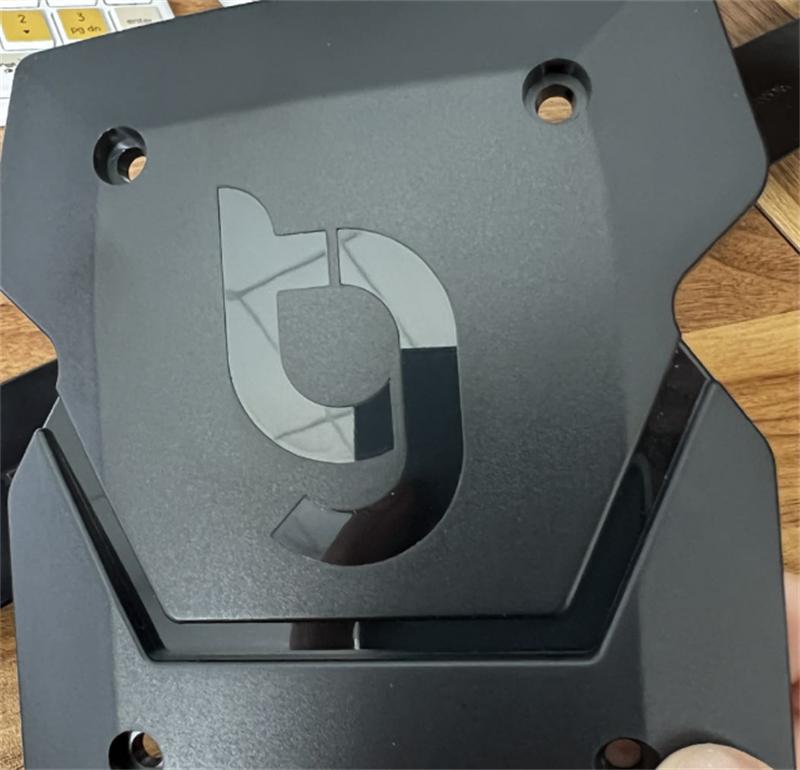
Идентичность бренда — один из самых ценных активов любой компании. Независимо от того, производит ли предприятие бытовую электронику, медицинские приборы, автомобильные компоненты, промышленное оборудование или товары для активного отдыха, размещение профессионального логотипа на изделии повышает узнаваемость бренда, укрепляет доверие клиентов и выделяет продукцию на конкурентном рынке.
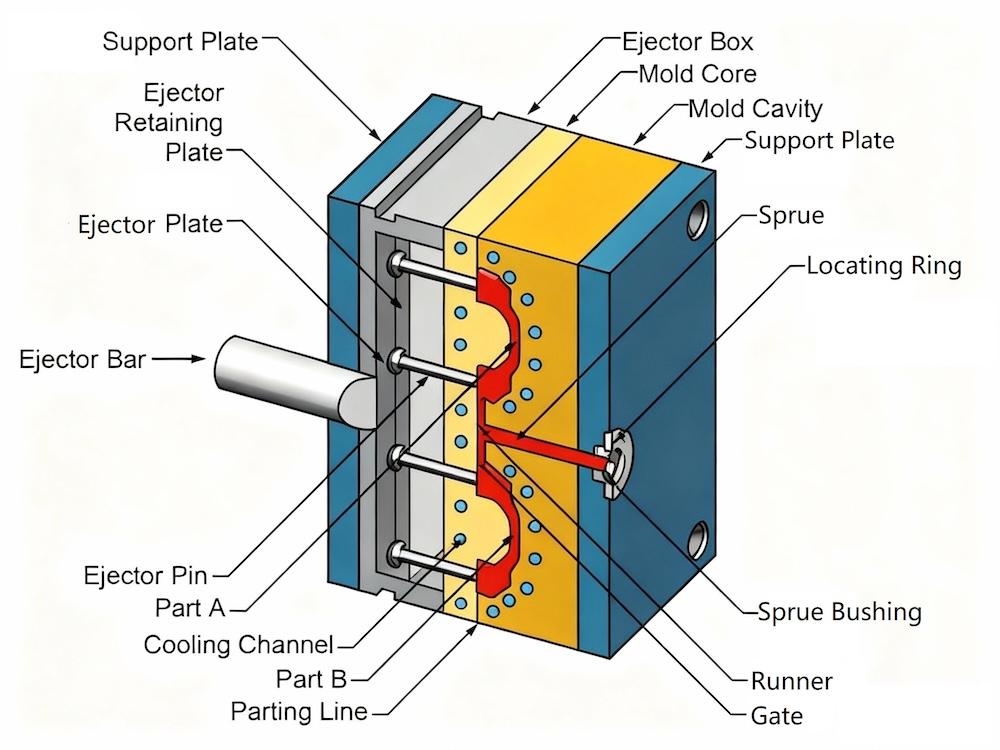
Конструкция литьевой формы: Полное руководство по компонентам и проектированию пластиковых пресс-форм
Литье пластмасс под давлением является одним из наиболее эффективных производственных процессов для изготовления высококачественных пластиковых деталей с исключительной точностью и повторяемостью. Тем не менее, качество каждого сформованного изделия во многом зависит от конструкции и изготовления самой литьевой формы. Хорошо спроектированная пресс-форма — это гораздо больше, чем просто стальной блок: это сложная механическая система, которая управляет потоком расплавленного пластика, охлаждением, извлечением деталей, точностью размеров и эффективностью производства.
Литьевая форма обычно состоит из десятков или даже сотен прецизионно обработанных компонентов, слаженно работающих на протяжении каждого цикла литья. Каждый компонент имеет определенное назначение: от направления расплавленного пластика в полость формы до извлечения готовой детали без повреждений. Даже незначительные улучшения в конструкции формы могут существенно сократить время цикла, улучшить качество продукции, продлить срок службы формы и снизить производственные затраты.
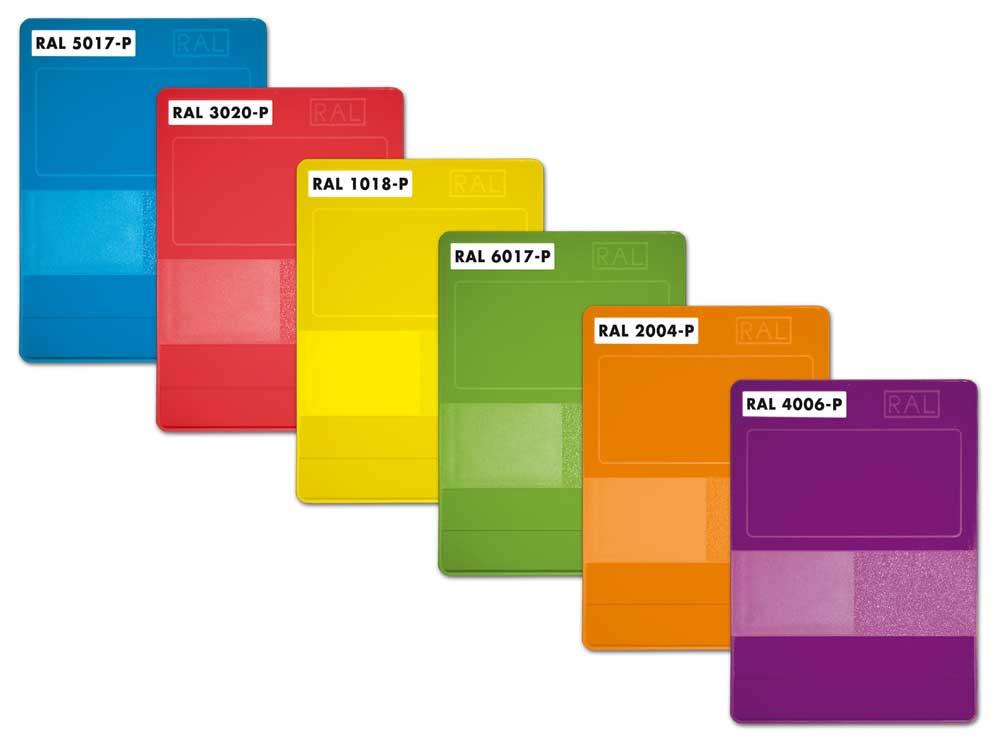
Подбор цвета пластика для литья под давлением: Полное руководство по RAL, Pantone, мастербатчам и заказным цветам
Цвет в литье пластмасс под давлением — это гораздо больше, чем просто эстетическая особенность: он играет важнейшую роль в брендинге продукции, восприятии потребителей, контроле качества и дифференциации на рынке. Независимо от того, производится ли бытовая электроника, автомобильные интерьеры, медицинские приборы, промышленное оборудование или товары для улицы, достижение точного и стабильного подбора цвета имеет решающее значение для успеха продукта.


