Введение

In modern product development, speed, accuracy, and risk reduction are critical to success. Before investing in expensive production tooling and large-scale manufacturing, companies need to verify product designs, test functionality, evaluate assembly processes, and validate market acceptance. This is where industrial prototyping plays a vital role.

Industrial prototyping bridges the gap between digital design and mass production. By creating physical models and functional samples early in the development process, engineers can identify design flaws, improve performance, optimize manufacturability, and significantly reduce development costs.

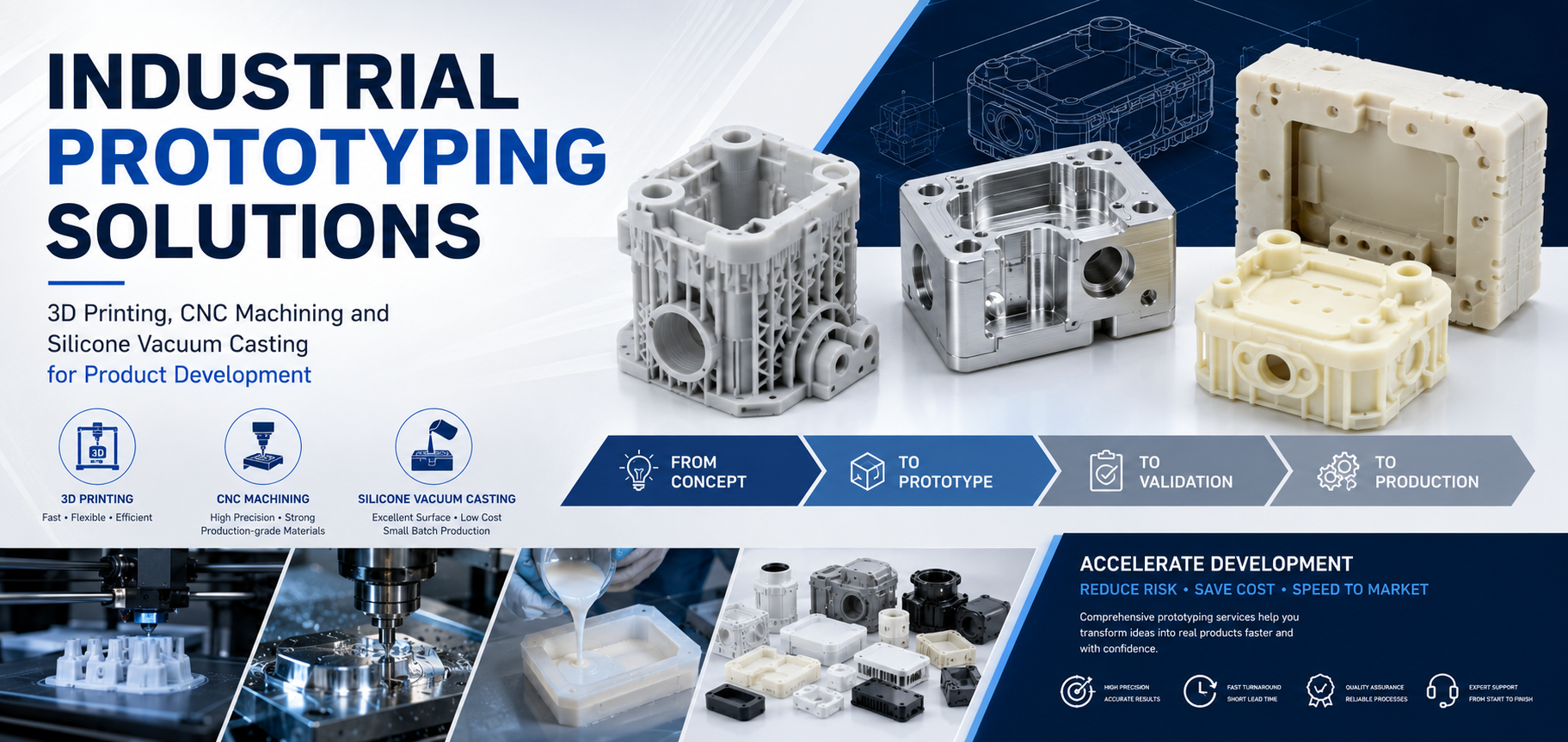
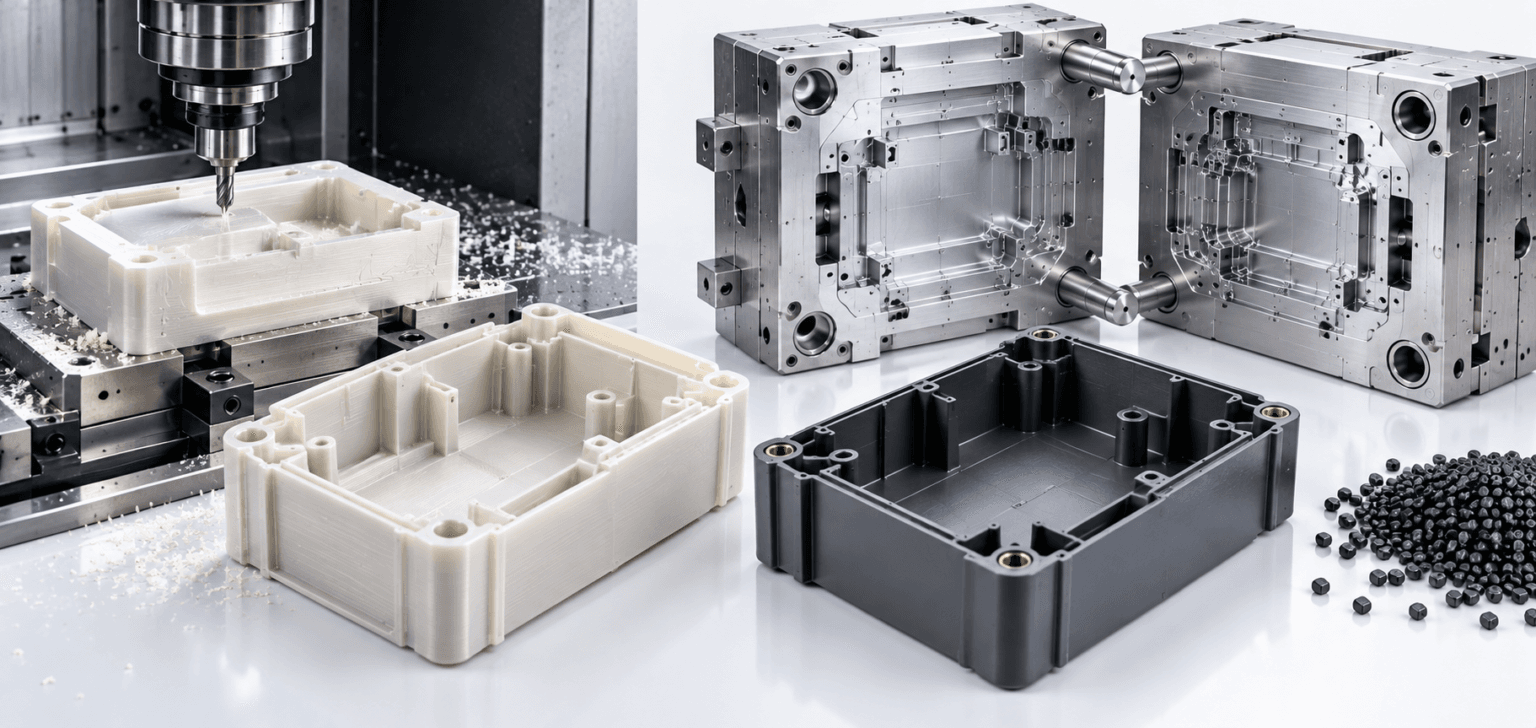
Today, the most widely used prototyping technologies include 3D Printing, CNC Machining, and Silicone Vacuum Casting. Each process offers unique advantages and serves different stages of product development. From concept models and engineering verification to low-volume production, these technologies help companies bring innovative products to market faster and more efficiently.

This article explores the key prototyping technologies, their benefits, applications, and how they contribute to successful product development.

Why Prototyping Is Essential

Before production tooling is manufactured, prototypes allow engineers to evaluate critical aspects of a product.

Key Benefits of Prototyping

  • Validate product appearance
  • Test functionality
  • Verify assembly processes
  • Evaluate ergonomics
  • Identify design issues early
  • Reduce development risks
  • Accelerate product launch

Without prototyping, design errors often remain hidden until mold manufacturing begins, leading to expensive modifications and production delays.

Prototype Development Benefits

ПользаОписание
Faster Product DevelopmentReduce engineering iterations
Lower RiskIdentify problems early
Cost SavingsMinimize mold modifications
Better QualityImprove product performance
Market ValidationObtain customer feedback

The Product Development Workflow

Most successful products follow a structured development process.

Typical Workflow

  1. Product Concept
  2. Industrial Design
  3. 3D CAD Modeling
  4. Prototype Manufacturing
  5. Функциональное тестирование
  6. Design Optimization
  7. Tooling Development
  8. Массовое производство

Prototyping serves as the critical bridge between digital design and manufacturing.


prototype-661
prototype-663

3D Printing Technology

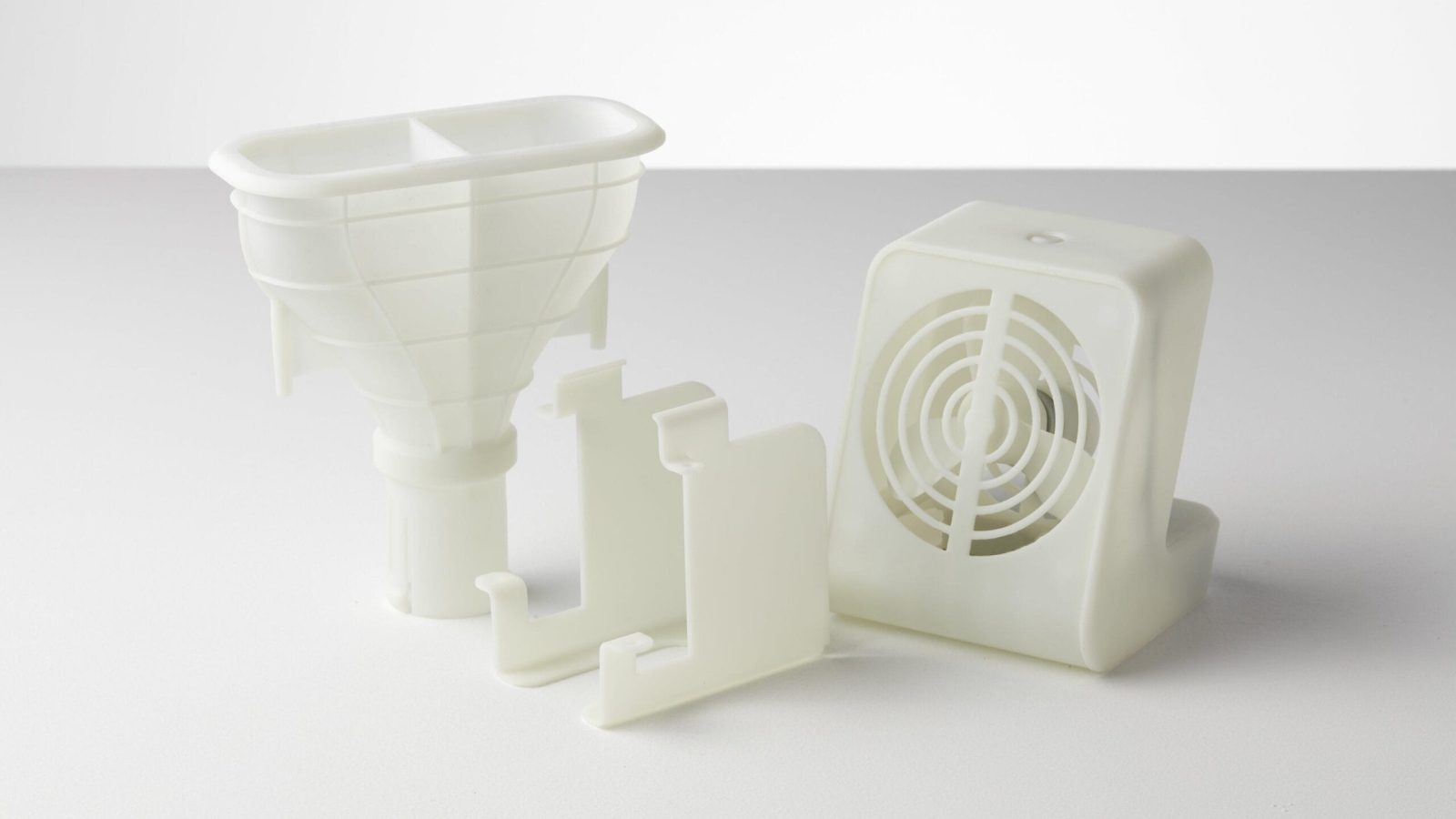
3D printing has transformed modern product development by enabling rapid creation of physical parts directly from CAD models.

Unlike traditional manufacturing methods, 3D printing builds components layer by layer without requiring molds or tooling.

Advantages of 3D Printing

  • Extremely fast turnaround
  • No tooling investment
  • Complex geometry capability
  • Low-cost design validation
  • Rapid design iteration

Common 3D Printing Technologies

ТехнологияХарактеристики
SLAHigh precision, smooth surface
SLSStrong engineering parts
FDMEconomical prototypes
MJFExcellent mechanical properties

Типичные применения

3D printing is commonly used for:

  • Appearance models
  • Concept verification
  • Engineering evaluation
  • Functional prototypes
  • Customer presentations

Because no tooling is required, engineers can quickly modify designs and produce updated prototypes within days.

CNC Machining Prototypes

When precision and production-grade materials are required, CNC machining becomes the preferred solution.

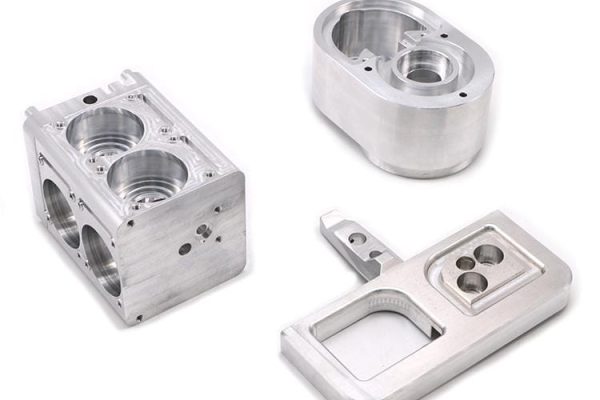
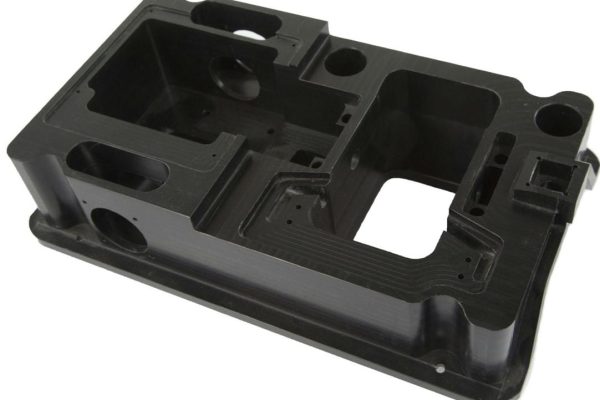
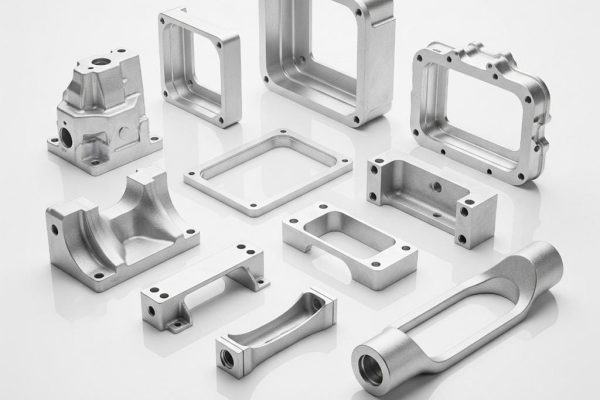
CNC machining uses computer-controlled cutting tools to remove material from solid blocks of plastic or metal.

Advantages of CNC Machining

  • Exceptional dimensional accuracy
  • Tight tolerances
  • Superior surface finish
  • Production-grade materials
  • Excellent mechanical properties

Common Prototype Materials

МатериалТипичное приложение
АБСЭлектронные корпуса
ПКOptical products
ПОММеханические компоненты
AluminumФункциональное тестирование
BrassPrecision assemblies
Stainless SteelIndustrial applications

Типичные применения

  • Функциональное тестирование
  • Mechanical validation
  • Engineering assemblies
  • Production simulation
  • Low-volume manufacturing

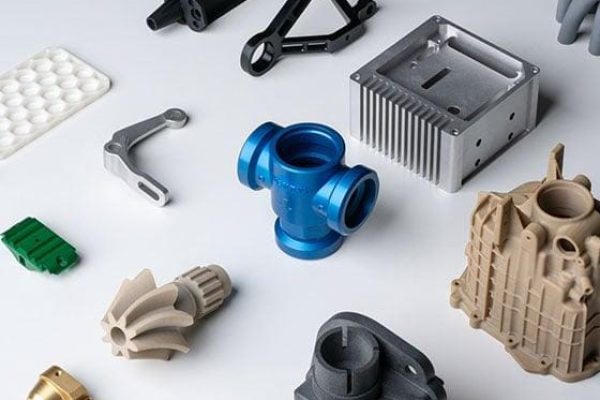
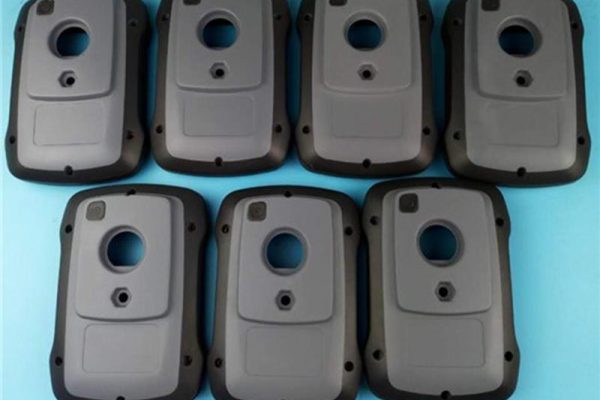
CNC-machined prototypes often closely resemble final production parts, making them ideal for engineering evaluation.


CNC-1
CNC-3
CNC-4

Silicone Vacuum Casting

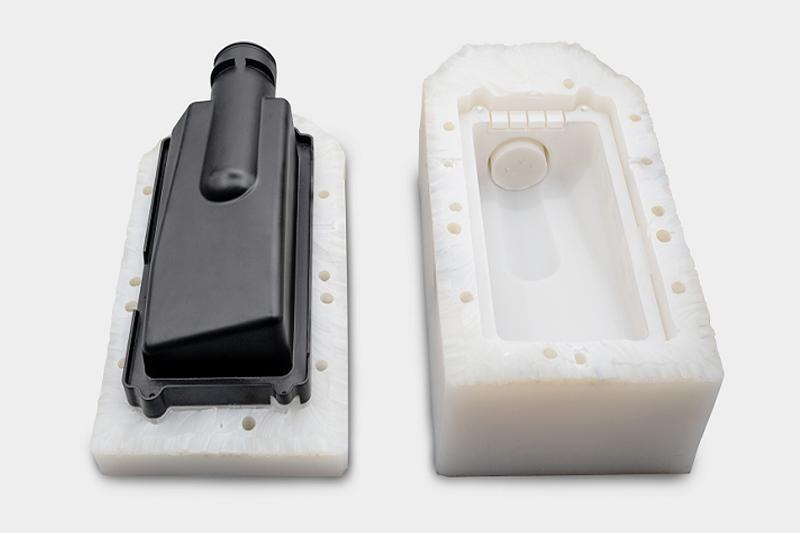
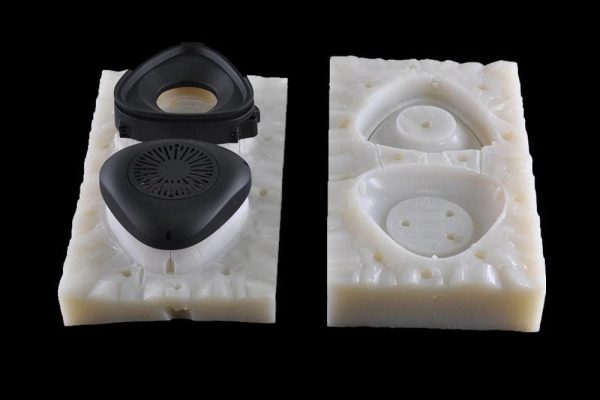
Silicone vacuum casting is widely used when customers require small batches of production-quality prototype parts.

The process begins with a master model produced through 3D printing or CNC machining. A silicone mold is created around the master model, and polyurethane resin is cast under vacuum conditions.

Advantages of Vacuum Casting

  • Low tooling investment
  • Excellent surface finish
  • Production-like appearance
  • Fast turnaround
  • Suitable for multiple parts

Production Quantities

QuantityRecommended Process
1-5 pcs3D Printing
5-20 pcsЧПУ-обработка
20-100 pcsVacuum Casting
100+ pcsЛитье под давлением

Приложения

Vacuum casting is ideal for:

  • Product demonstrations
  • Marketing samples
  • Functional evaluation
  • Customer approval
  • Pilot production

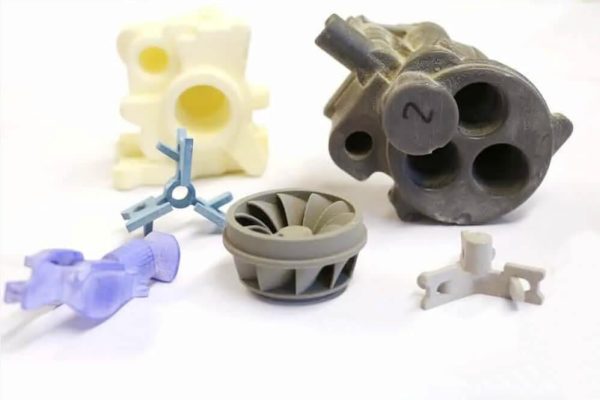
Because silicone molds replicate fine details extremely well, vacuum cast parts often look nearly identical to injection molded products.


silicone prototype-3
silicone prototype-1

Comparing Prototype Technologies

Each prototyping method offers different advantages.

Функция3D PrintingЧПУ-обработкаVacuum Casting
Lead TimeОтличноХорошоХорошо
PrecisionПриветОтличноПривет
Surface FinishХорошоОтличноОтлично
Выбор материаловModerateОтличноХорошо
Mechanical PerformanceModerateОтличноХорошо
Production QuantityНизкийLow-MediumСредний
Экономическая эффективностьОтличноModerateОтлично

Selecting the correct process depends on project requirements, performance needs, budget, and timeline.


Industries That Use Industrial Prototyping

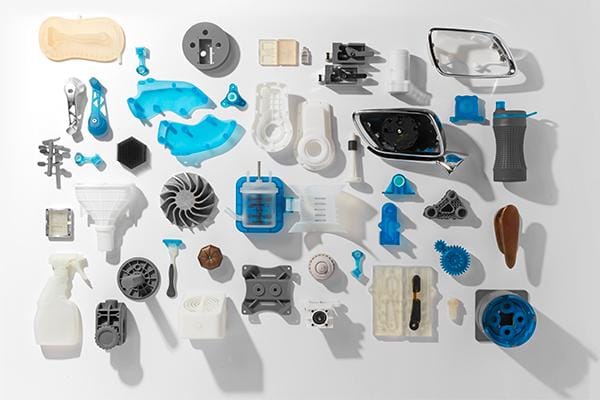
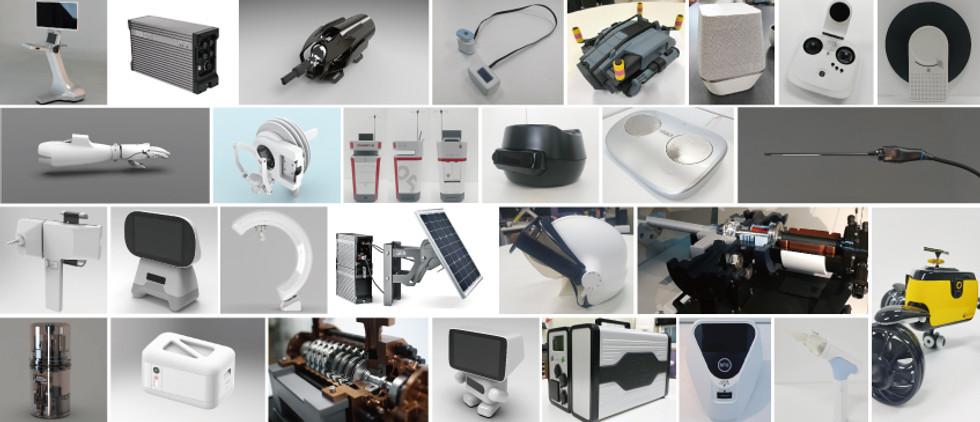
Industrial prototyping supports nearly every manufacturing industry.

Бытовая электроника

Области применения:

  • Smart devices
  • Корпусы роутеров
  • Power supplies
  • Portable electronics

Медицинские изделия

Области применения:

  • Diagnostic equipment
  • Laboratory instruments
  • Monitoring systems

Промышленное оборудование

Области применения:

  • Control systems
  • Корпуса машин
  • Automation products

Товары для активного отдыха

Области применения:

  • Outdoor lighting
  • Solar products
  • Electrical enclosures
  • Communication equipment

Prototyping helps ensure these products meet both performance and manufacturing requirements.


From Prototype to Production

Once prototype validation is completed, the project can move confidently into production.

Next Development Stages

  1. Design Optimization
  2. Анализ технологичности (DFM)
  3. Проектирование пресс-форм
  4. Производство литьевых форм
  5. Injection Molding Production

At Samgo, our engineering team supports customers throughout the entire development cycle, ensuring a smooth transition from concept to production.

Complete Development Services

СервисЦель
Дизайн продуктовEngineering development
3D PrintingConcept verification
ЧПУ-обработкаФункциональное тестирование
Vacuum CastingSmall batch production
Mold ManufacturingProduction tooling
Литье под давлениемМассовое производство

Why Choose Samgo for Industrial Prototyping?

Samgo provides complete product development support under one roof.

Наши возможности

✓ Product Design

✓ Industrial 3D Modeling

✓ SLA/SLS/MJF Printing

✓ CNC Machining

✓ Silicone Vacuum Casting

✓ Injection Mold Manufacturing

✓ Plastic Injection Molding

Industries Served

  • Бытовая электроника
  • Медицинские изделия
  • Товары для активного отдыха
  • Промышленное оборудование
  • Автомобильные компоненты
  • Электротехнические шкафы

By integrating design, prototyping, tooling, and manufacturing services, we help customers shorten development cycles and reduce project risks.


Заключение

Industrial prototyping is an essential step in transforming innovative ideas into successful products. Whether through rapid 3D printing, precision CNC machining, or production-quality silicone vacuum casting, prototyping enables engineers to verify designs, improve product performance, and reduce manufacturing risks before mass production begins.

Choosing the right prototyping technology at the right stage of development can significantly improve efficiency, reduce costs, and accelerate time to market. With professional engineering support and advanced manufacturing capabilities, companies can move from concept to production with greater confidence and success.

For businesses seeking reliable product development solutions, industrial prototyping remains one of the most valuable investments in the entire product development process.

Узнать актуальную цену? Мы ответим как можно скорее (в течение 12 часов)

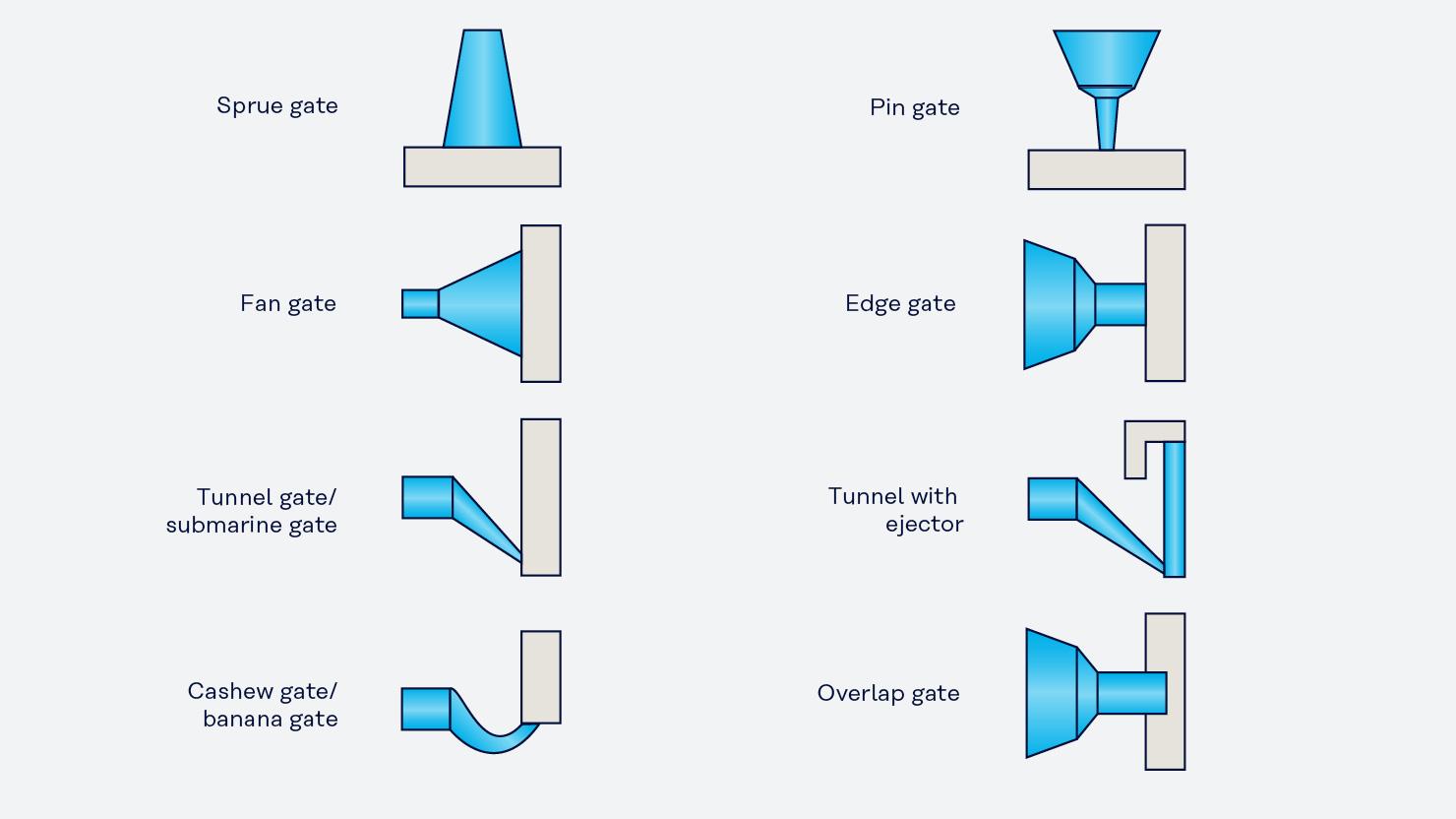
Типы литников для литья пластмасс под давлением: выбор, принципы проектирования, преимущества и области применения

Конструкция впускного литника — один из наиболее критических аспектов проектирования пресс-форм для литья пластмасс под давлением. Несмотря на то, что литник обычно является наименьшим элементом литниковой системы, он оказывает существенное влияние на течь расплава, давление выдержки, эффективность охлаждения, внешний вид детали, время цикла и общее качество продукта.

Плохо спроектированный литник может стать причиной многочисленных дефектов литья, включая недолив, утяжины, линии спая, струйное течение, следы ожогов, избыточный литниковый остаток и коробление детали. И наоборот, выбор подходящего типа и расположения литника помогает обеспечить сбалансированное заполнение, стабильную точность размеров и эффективное производство.
Читать далее »

Материалы из полипропилена (ПП): виды, марки, свойства и применение

Полипропилен (ПП) является одним из самых широко используемых термопластов в мире, на долю которого приходится значительная часть мирового производства пластика. Благодаря прекрасному балансу механических свойств, химической стойкости, легкости и экономической эффективности, ПП стал предпочтительным материалом для бесчисленных изделий, получаемых методом литья под давлением, в автомобильной, бытовой, медицинской, упаковочной, электротехнической и промышленной отраслях.

Современный полипропилен выпускается во множестве различных марок и рецептур. Производители могут выбирать между гомополимером ПП, статичным сополимером ПП, блок-сополимером ПП, армированным стекловолокном ПП, наполненным минералами ПП, огнестойким ПП, УФ-стабилизированным ПП и пищевым ПП в зависимости от требований к изделию.

Читать далее »