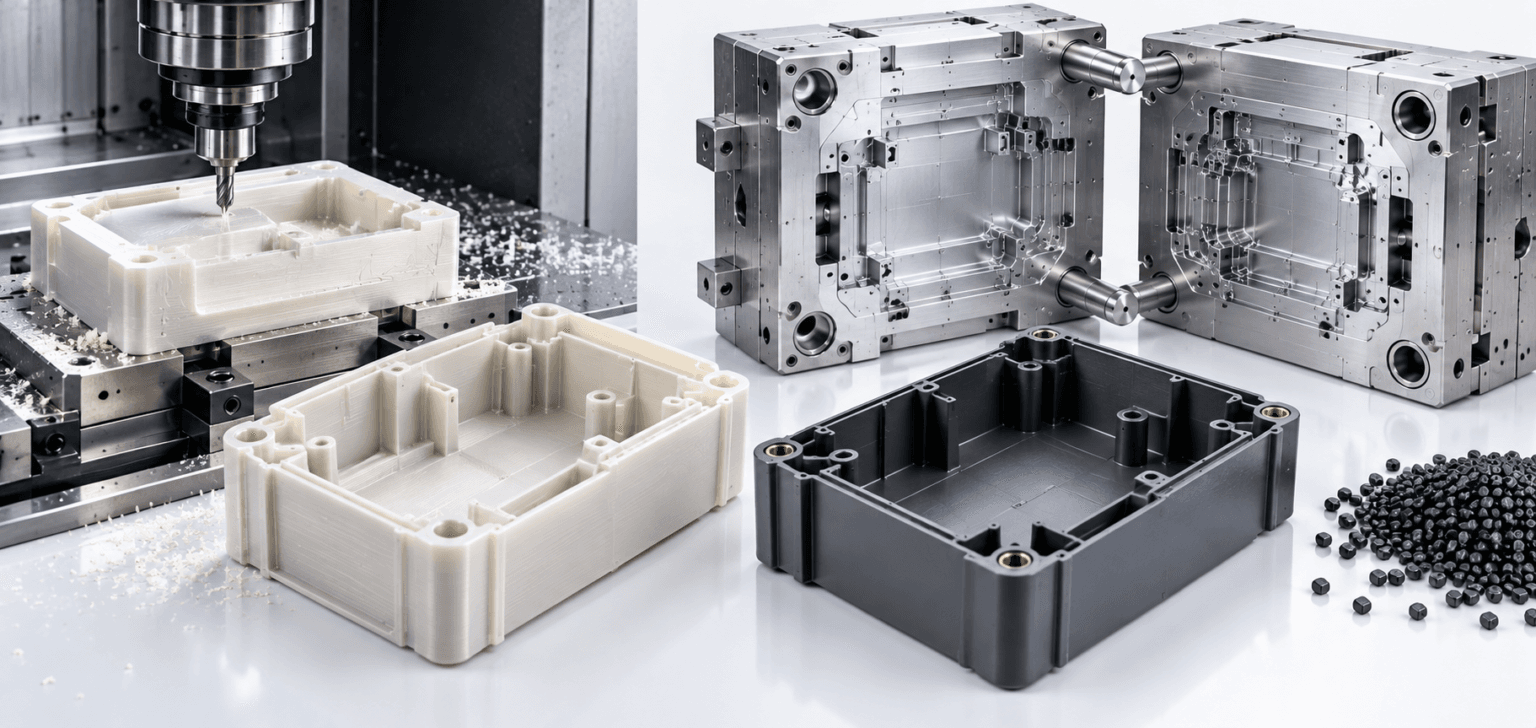
Packaging Injection Molding: Applications, Materials, Manufacturing Standards, and Industry Solutions

Table des matières

Introduction

Packaging plays a vital role in protecting products, extending shelf life, improving transportation efficiency, and enhancing brand identity. As consumer expectations continue to evolve, manufacturers require packaging solutions that are lightweight, durable, cost-effective, and visually appealing.

Plastic injection molding has become one of the most important manufacturing processes for rigid packaging products. It enables the mass production of high-precision components with excellent dimensional consistency, complex geometries, and attractive surface finishes. Compared with traditional manufacturing methods, injection molding offers greater design flexibility, shorter production cycles, and lower unit costs for high-volume production.

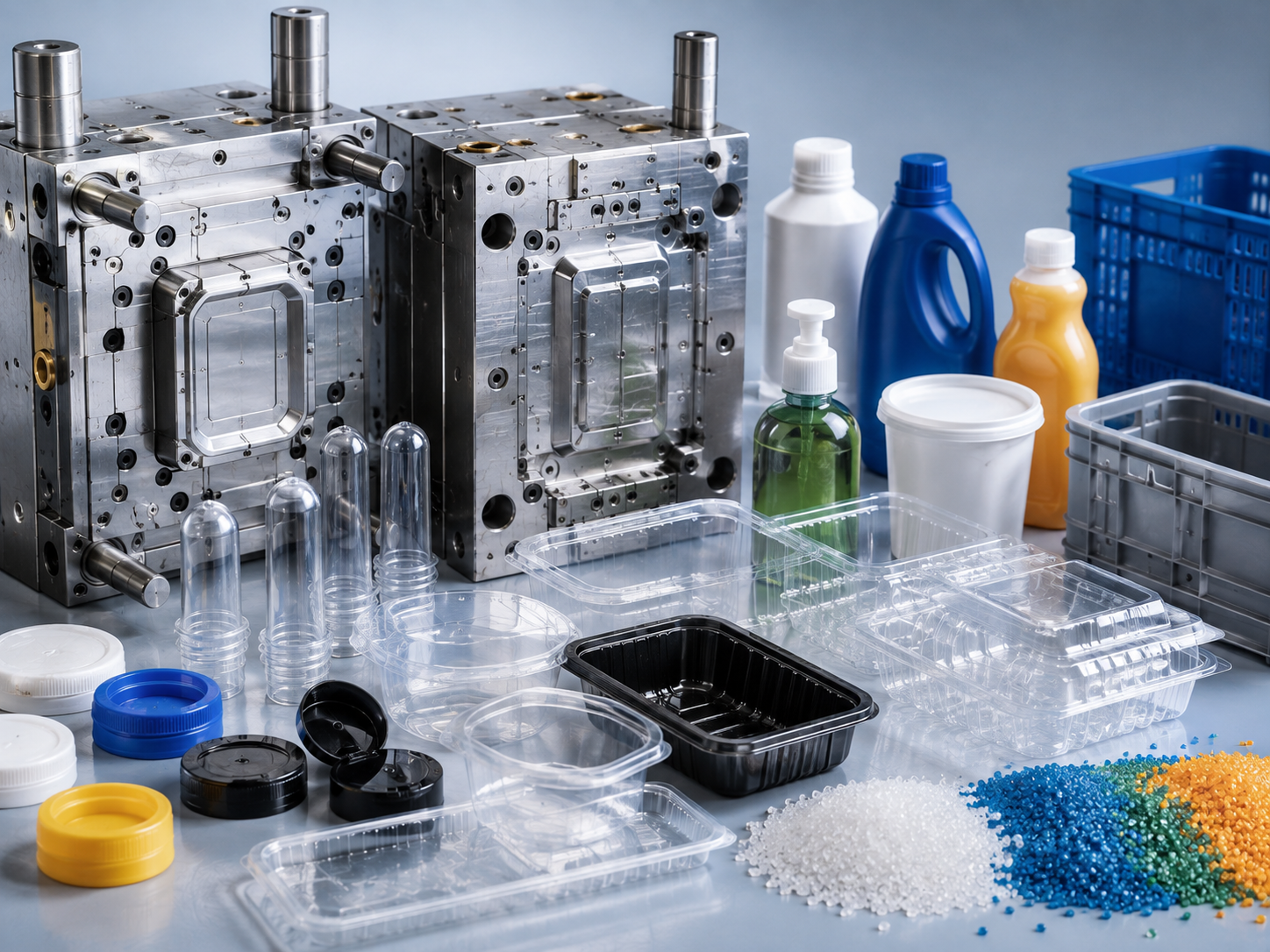
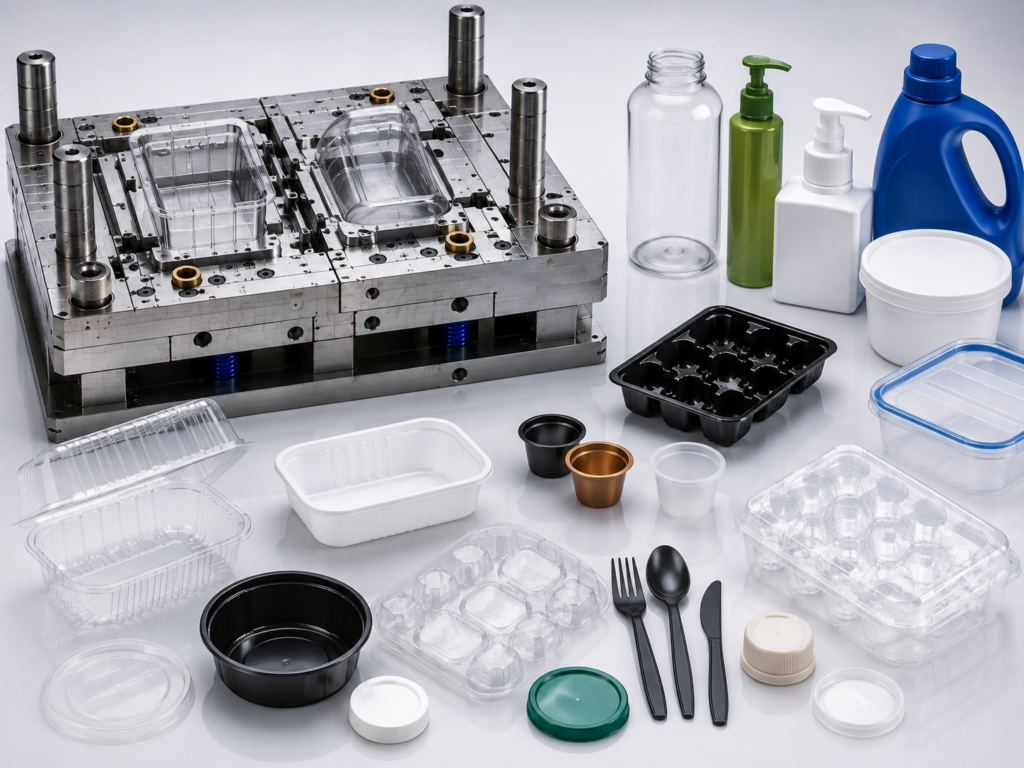
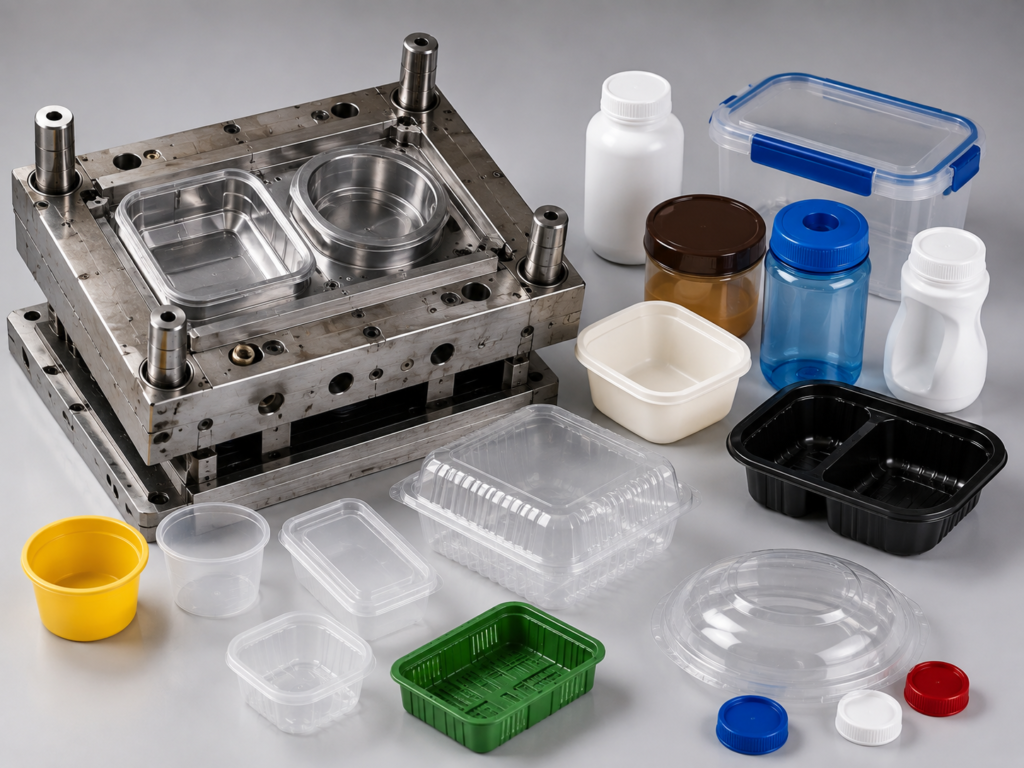
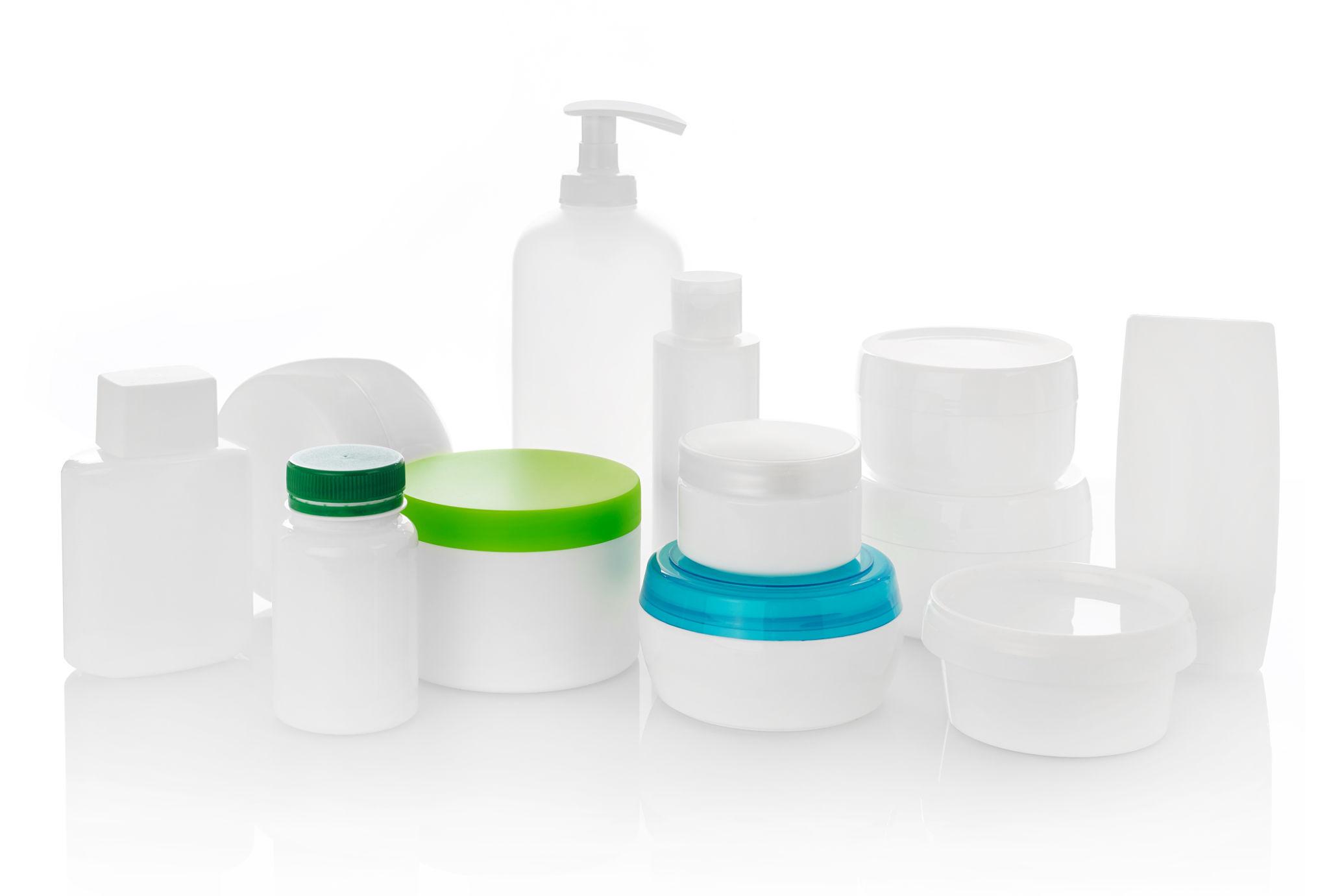
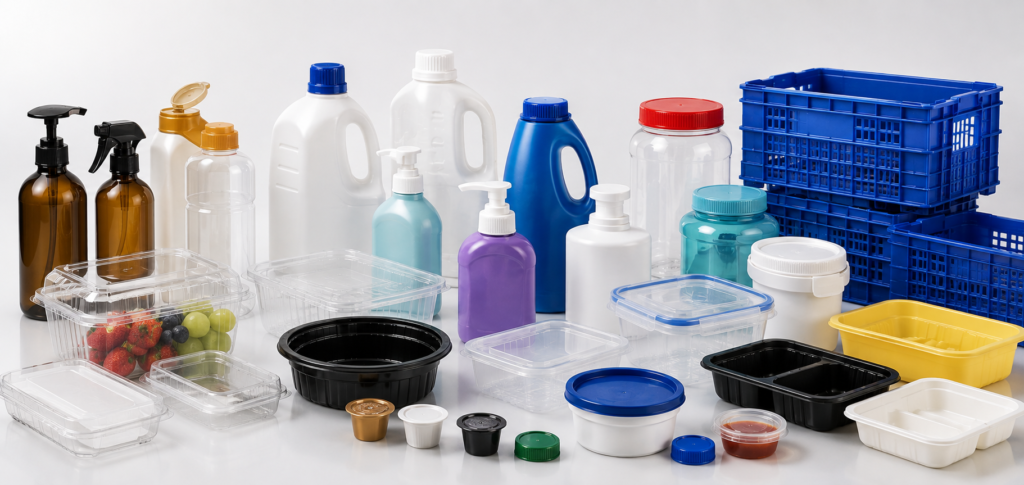
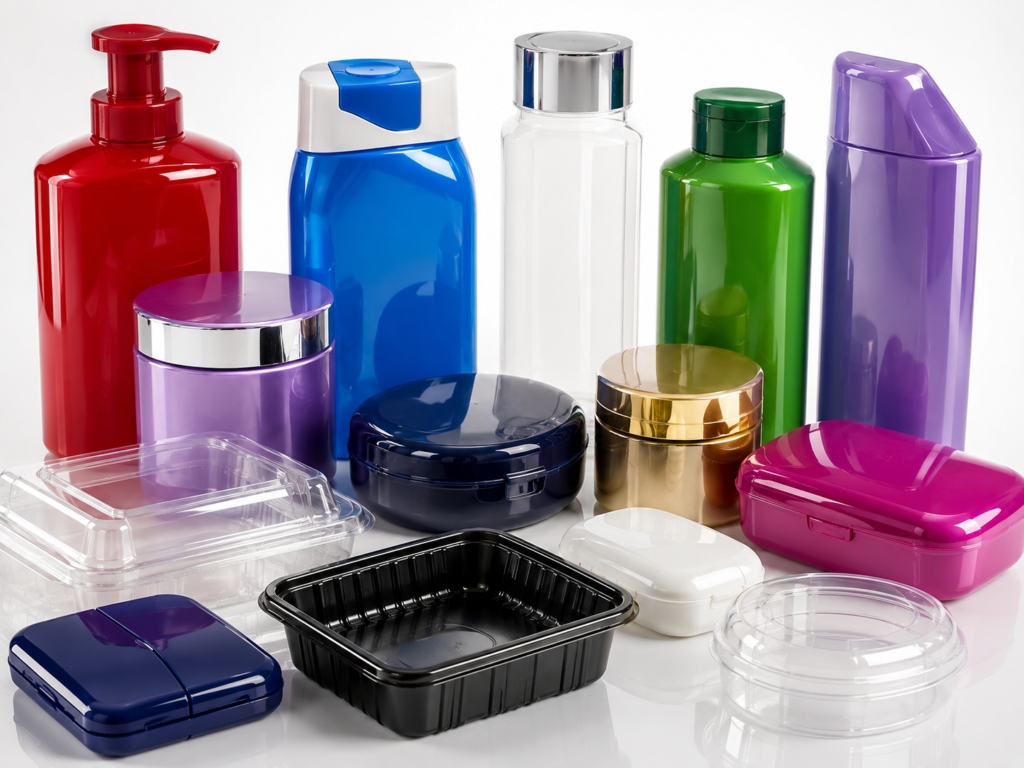
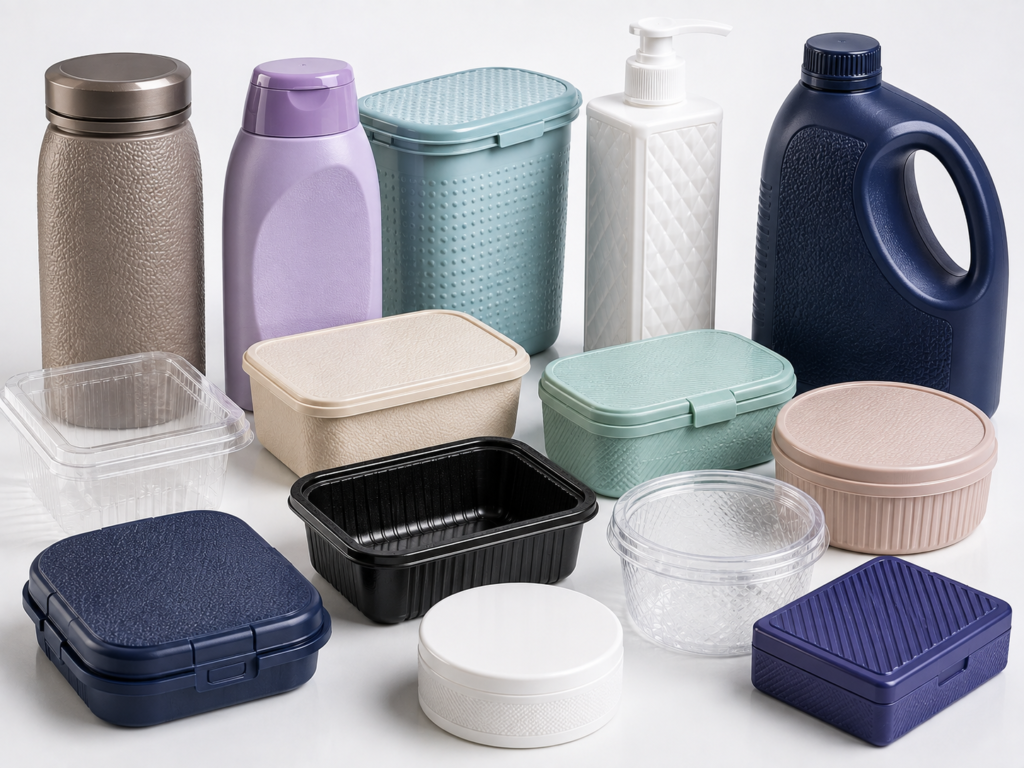
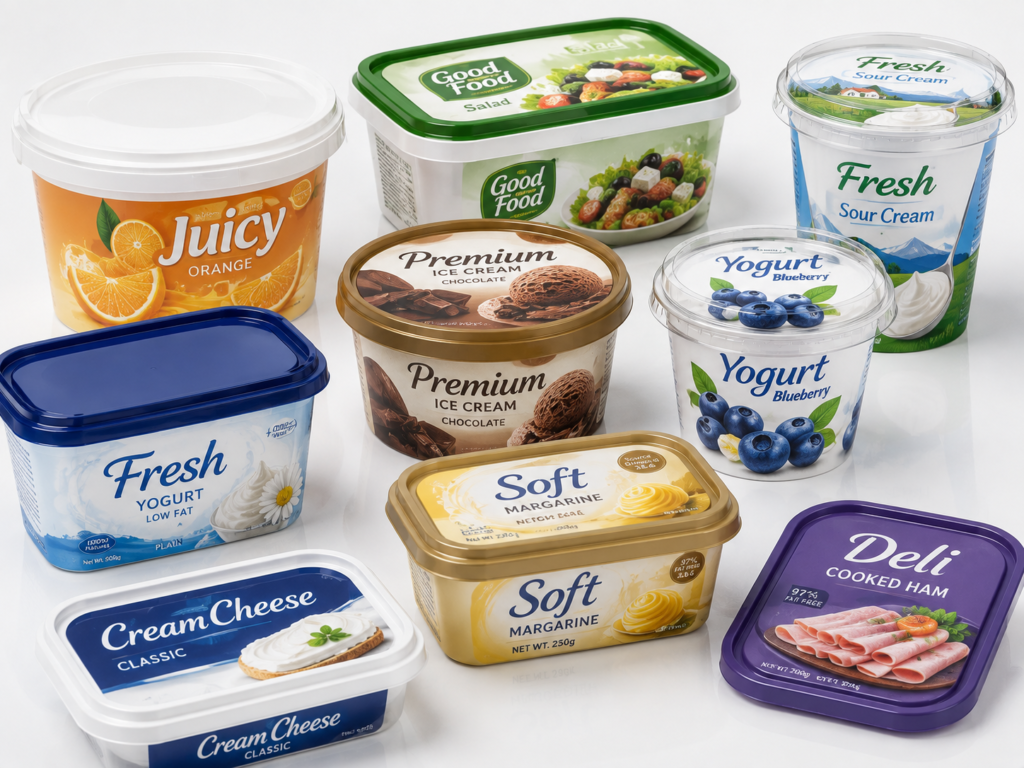
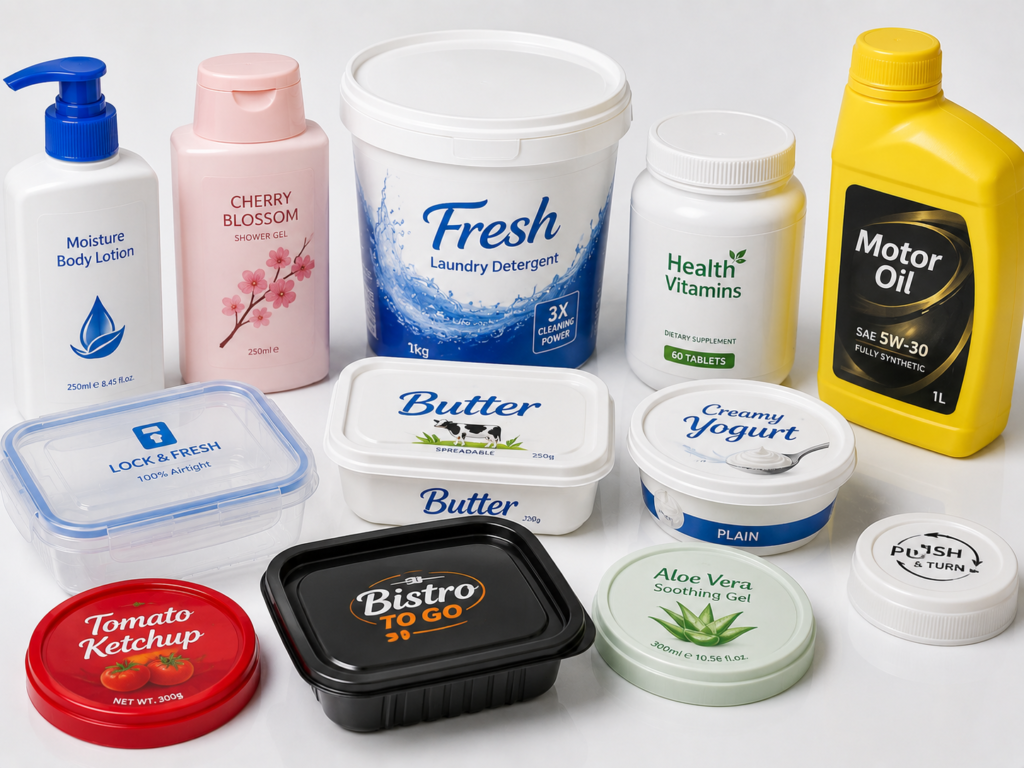
Injection molded packaging is widely used across industries including food and beverage, cosmetics, pharmaceuticals, household chemicals, consumer goods, and industrial products. Common examples include bottle caps, cosmetic jars, measuring cups, closures, dispensers, storage containers, protective cases, and reusable packaging systems.

At Samgo, we provide complete packaging manufacturing solutions, including product design support, DFM analysis, Moldflow simulation, precision mold manufacturing, and high-volume injection molding. This guide explores the applications of injection molding in the packaging industry, material selection, quality standards, and engineering best practices.


Pourquoi Moulage par injection Is Ideal for Packaging

The packaging industry requires consistent quality, rapid production, and cost efficiency. Injection molding fulfills these requirements while supporting a wide variety of product designs and engineering plastics.

Principaux avantages

  • Haute efficacité de production
  • Excellent dimensional consistency
  • Complex product geometry
  • Attractive cosmetic appearance
  • Low cost for high-volume manufacturing
  • Wide selection of food-grade and engineering plastics
  • Recyclable material options
  • Compatibility with automation

Benefits of Injection Molding for Packaging

AvantageManufacturing Value
Haute productivitéMillions of parts per year
Excellente apparencePremium product presentation
Design FlexibilityComplex closures and containers
LightweightReduced transportation costs
Material VarietyPP, PE, PET, PC, ABS and more
Automation ReadyHigh-speed production lines

Applications of Injection Molding in Packaging

Injection molding is used to manufacture a wide range of rigid packaging components for consumer and industrial markets.

1. Food Packaging

Food packaging requires safe, hygienic, and durable plastic components that comply with food-contact regulations.

Les produits typiques comprennent :

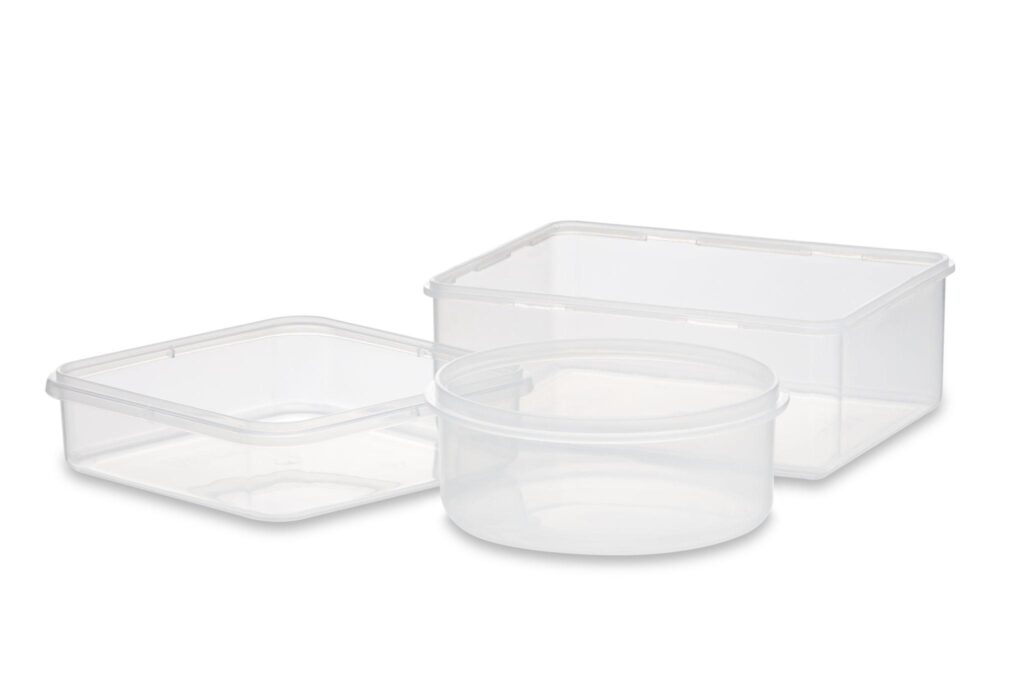
  • Food storage containers
  • Bottle caps
  • Measuring spoons
  • Beverage closures
  • Yogurt cup lids
  • Reusable lunch boxes

Food-grade polypropylene (PP) and polyethylene (PE) are among the most commonly used materials because of their excellent chemical resistance and low moisture absorption.


2. Cosmetic Packaging

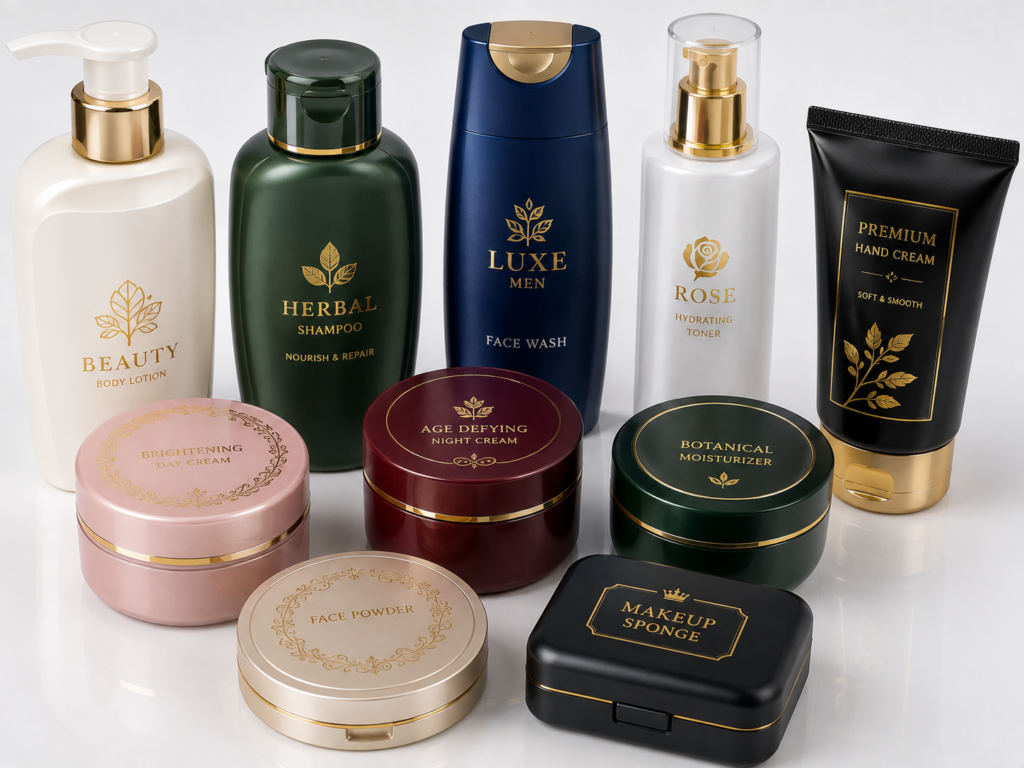
Cosmetic packaging combines functionality with premium aesthetics. Injection molding enables smooth surfaces, glossy finishes, and intricate decorative details.

Common products include:

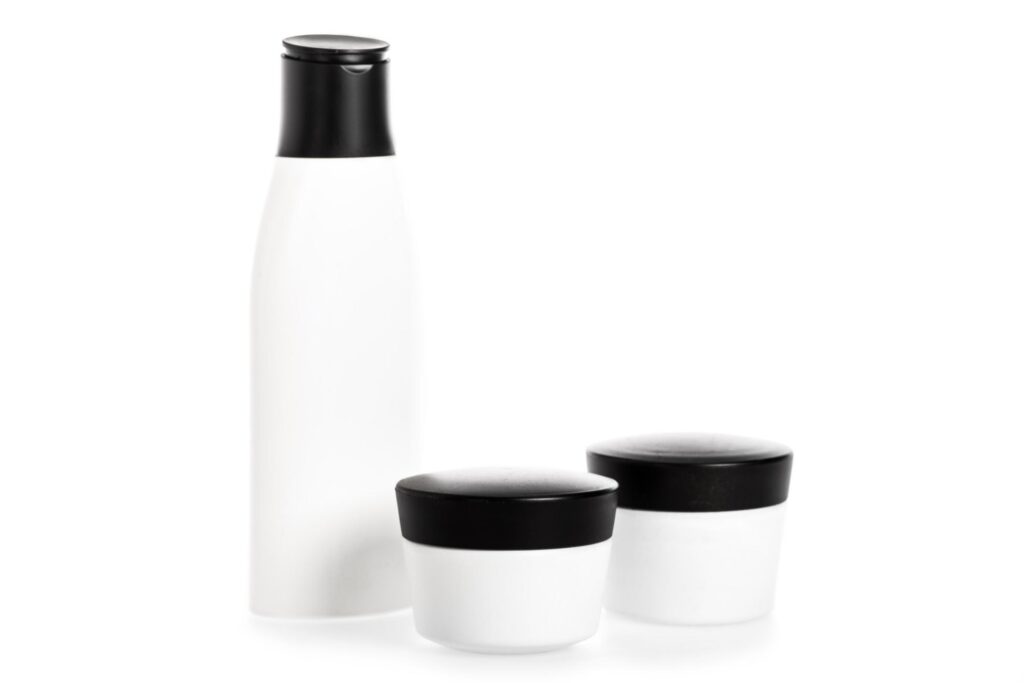
  • Cosmetic jars
  • Cream lids
  • Compact cases
  • Lip balm containers
  • Pump collars
  • Mascara caps

3. Pharmaceutical Packaging

Medical and pharmaceutical packaging demands high precision, clean manufacturing environments, and excellent dimensional consistency.

Les exemples incluent :

  • Pill containers
  • Medical caps
  • Measuring cups
  • Child-resistant closures
  • Syrup bottle caps
  • Dosage accessories

Packaging Applications

IndustrieInjection Molded ProductsCommon Materials
Food & BeverageContainers, caps, lidsPP, HDPE
CosmeticsCream jars, caps, dispensersPP, ABS, SAN
PharmaceuticalsClosures, measuring cupsPP, PE
Household ProductsStorage containersPP, PE
Industrial PackagingProtective caps, casesPP, PA

Common Materials for Packaging Injection Molding

Selecting the right material is essential for packaging performance, regulatory compliance, durability, and appearance.

Matériaux fréquemment utilisés

MatérielKey PropertiesApplications types
PPFood-safe, lightweight, chemical resistantFood containers, caps
HDPEToughness, moisture resistanceBottles, closures
LDPEFlexible, impact resistantDispensing caps
PETTransparency, barrier performanceClear packaging
SANHigh gloss, transparencyCosmetic containers
ABSExcellent appearancePremium packaging
PCHigh impact strengthReusable packaging

Material Selection Considerations

When designing injection molded packaging, engineers should consider:

  • Food-contact compliance
  • Chemical resistance
  • Transparency requirements
  • Impact resistance
  • UV resistance
  • Recyclability
  • Production efficiency

Design Requirements for Packaging Products

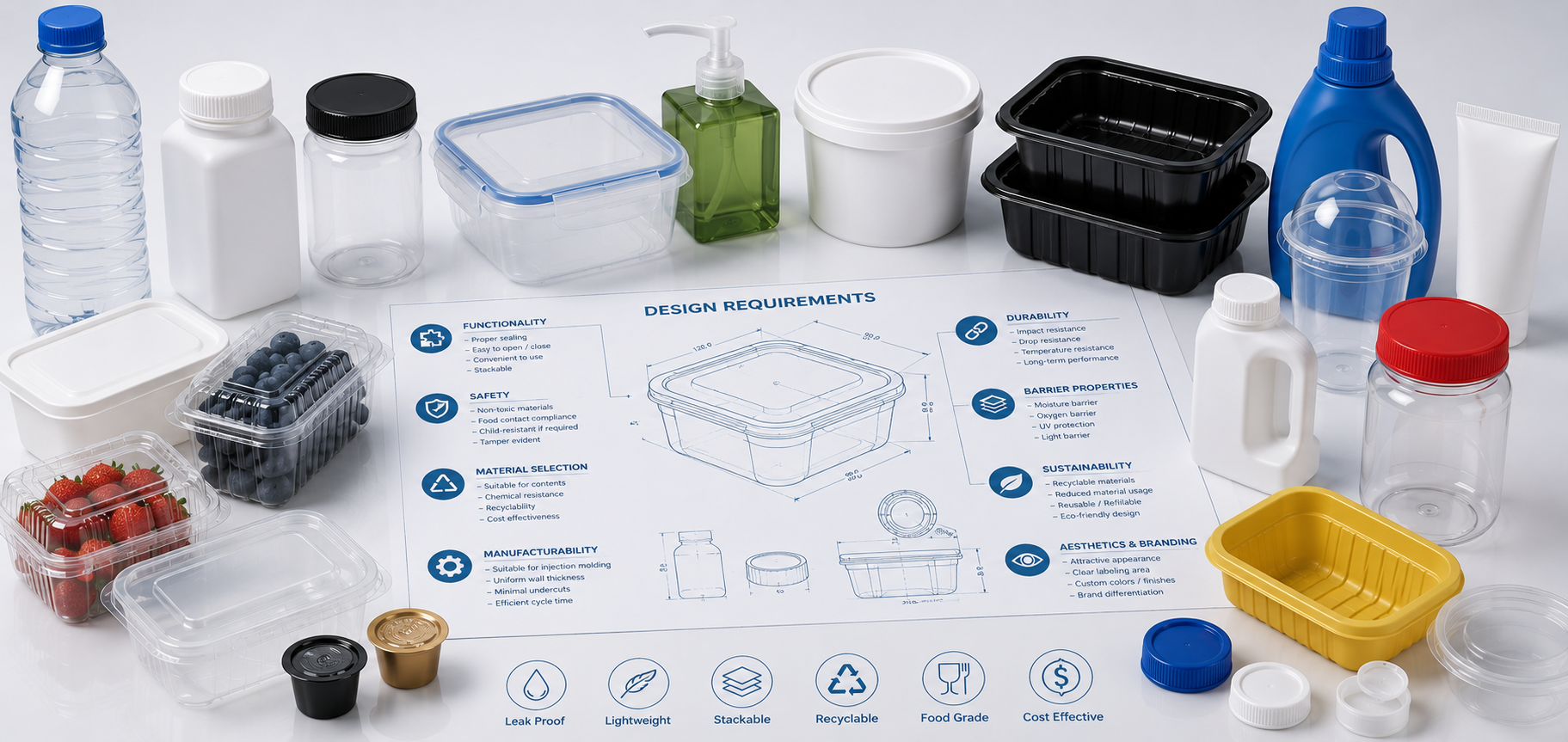
Packaging products must combine functional performance with an attractive appearance while supporting efficient mass production.

Important design considerations include:

  • Uniform wall thickness
  • Proper draft angles
  • Secure sealing features
  • Snap-fit or threaded closures
  • Stackability
  • Easy opening and closing
  • Lightweight construction
  • Moldability for high-speed production

Packaging Design Guidelines

Design FeatureObjectif d'ingénierie
Uniform Wall ThicknessReduce sink marks and warpage
DépouilleSmooth demolding
Rib ReinforcementImprove stiffness
Sealing StructurePrevent leakage
Thread DesignReliable closure
Stackable GeometryEfficient storage and shipping
Envoyer une demande

Manufacturing Standards for Packaging Moulage par injection

Packaging products must comply with strict quality and safety requirements, especially when used for food, cosmetics, pharmaceuticals, and personal care products. Manufacturers must ensure that packaging not only protects the contents but also meets regulatory requirements in target markets.

Depending on the application, packaging manufacturers may need to comply with international standards and regulations related to food contact, hygiene, environmental protection, and quality management.

Important Standards

  • FDA Food Contact Regulations (United States)
  • EU Food Contact Regulations
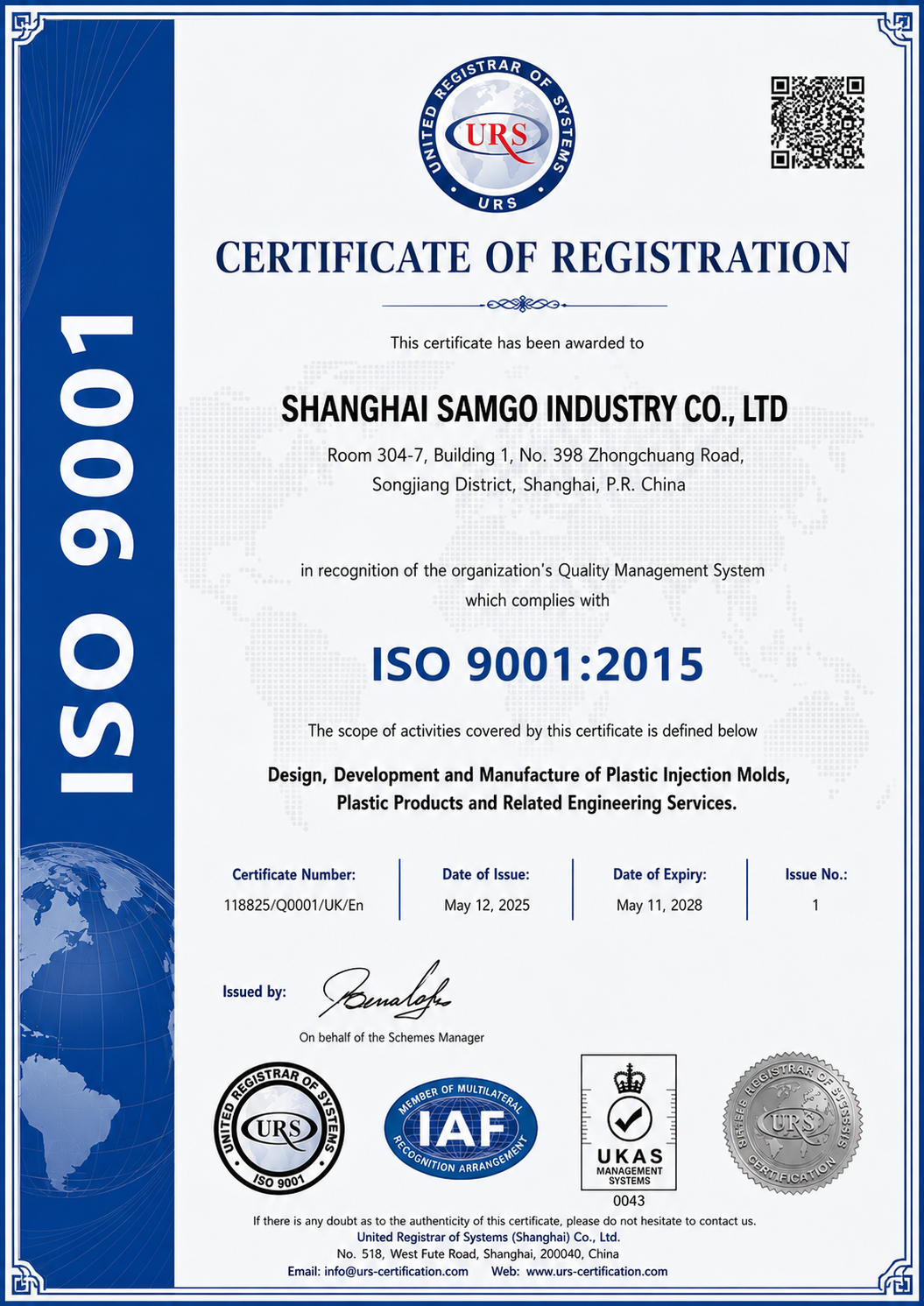
  • ISO 9001 Quality Management
  • ISO 22000 Food Safety Management
  • Good Manufacturing Practices (GMP)
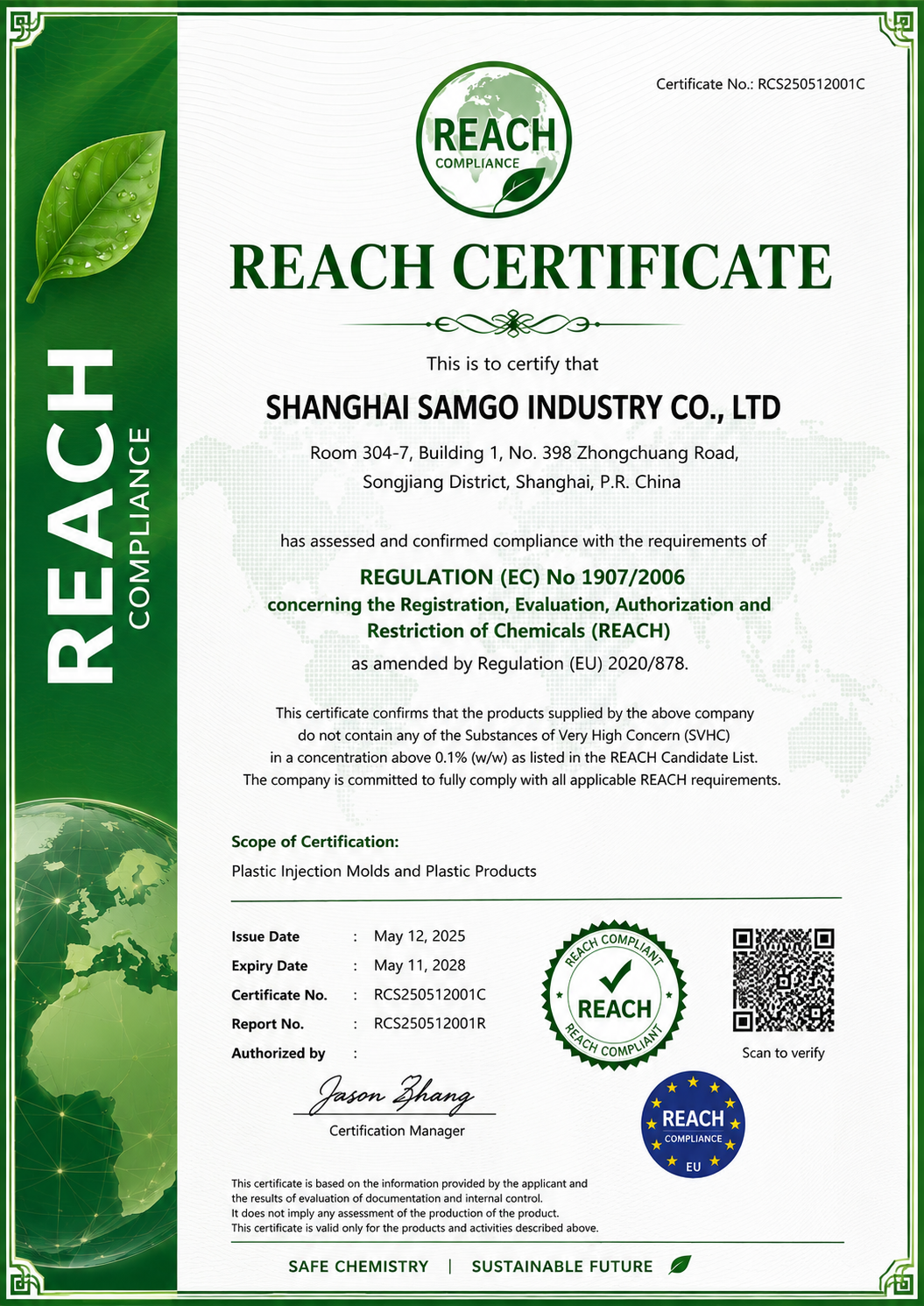
  • REACH Compliance
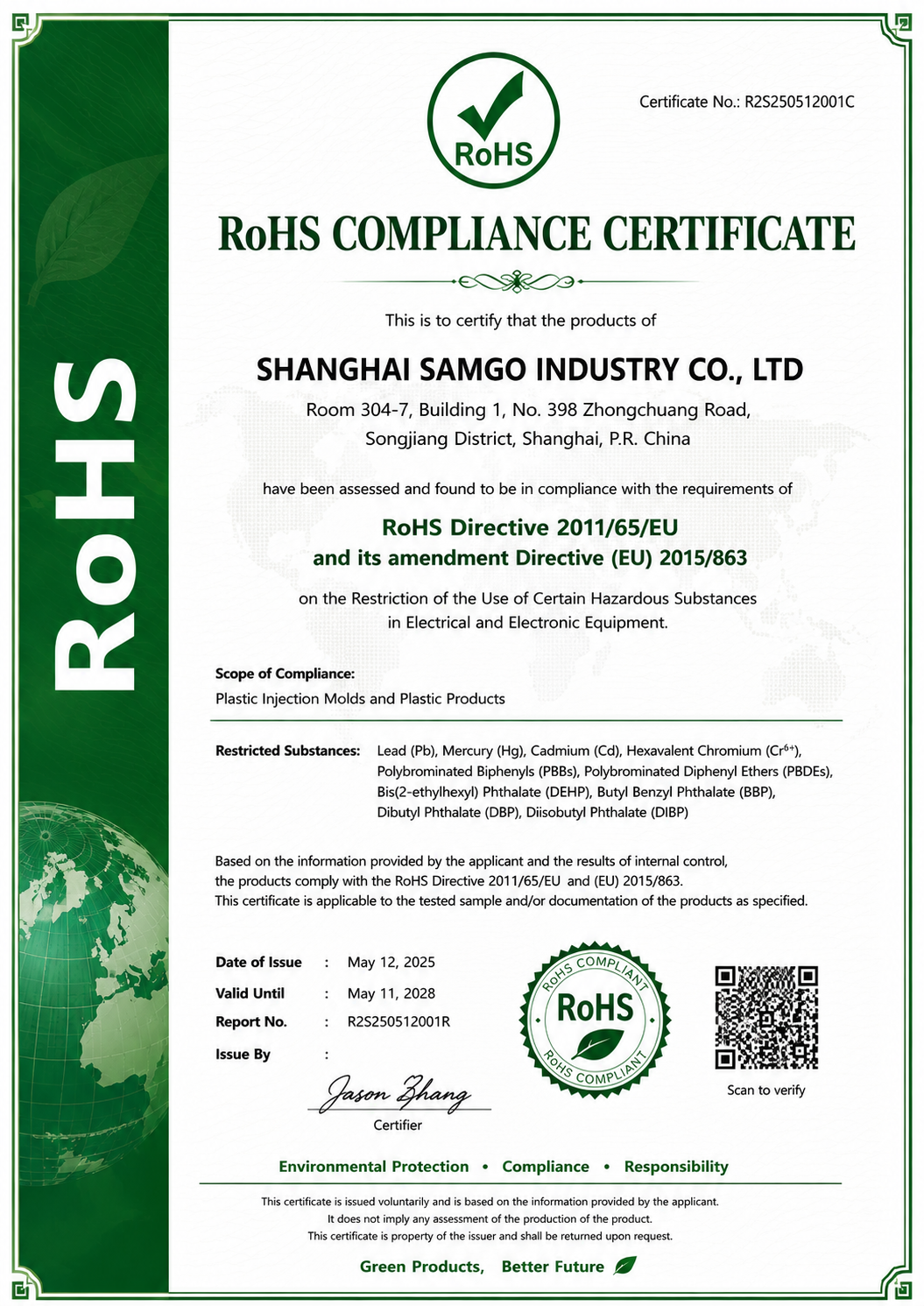
  • RoHS Compliance (for applicable packaging components)

Early consideration of regulatory requirements helps reduce certification risks and accelerates product commercialization.


Packaging Standards Overview

StandardPrimary PurposeTypical Industry
ISO 9001Quality ManagementAll Packaging
ISO 22000Food SafetyFood Packaging
FDA Food ContactMaterial ComplianceFood & Beverage
EU Food ContactMaterial SafetyEuropean Market
GMPHygienic ManufacturingPharmaceutical & Cosmetics
REACHChemical ComplianceBiens de consommation

Surface Finishing and Decoration Technologies

Modern packaging serves not only a protective function but also a marketing role. High-quality surface finishing enhances brand recognition and improves the consumer experience.

Common Decoration Methods

Polissage haute brillance

Creates smooth, premium-looking surfaces commonly used for cosmetic jars and luxury packaging.

Mold Texturing

Produces matte finishes that improve grip while reducing visible scratches and fingerprints.

Étiquetage dans le moule (IML)

Labels are integrated directly into the molded part during injection molding, providing excellent durability and eliminating secondary labeling operations.

Tampographie

Ideal for logos, product identification, and batch information.

Hot Stamping

Adds metallic decorative effects for premium cosmetic and personal care packaging.


Decoration Technology Comparison

TechnologieAspectDurabilitéApplication typique
BrillantPremiumExcellentCosmetic jars
Mold TextureMatteExcellentFood containers
IMLDécoratifExcellentFood tubs
TampographieLogo PrintingBienBottle caps
Hot StampingMetallic FinishExcellentLuxury packaging
Brillant
Mold Texture
IML
Tampographie
Hot stamping

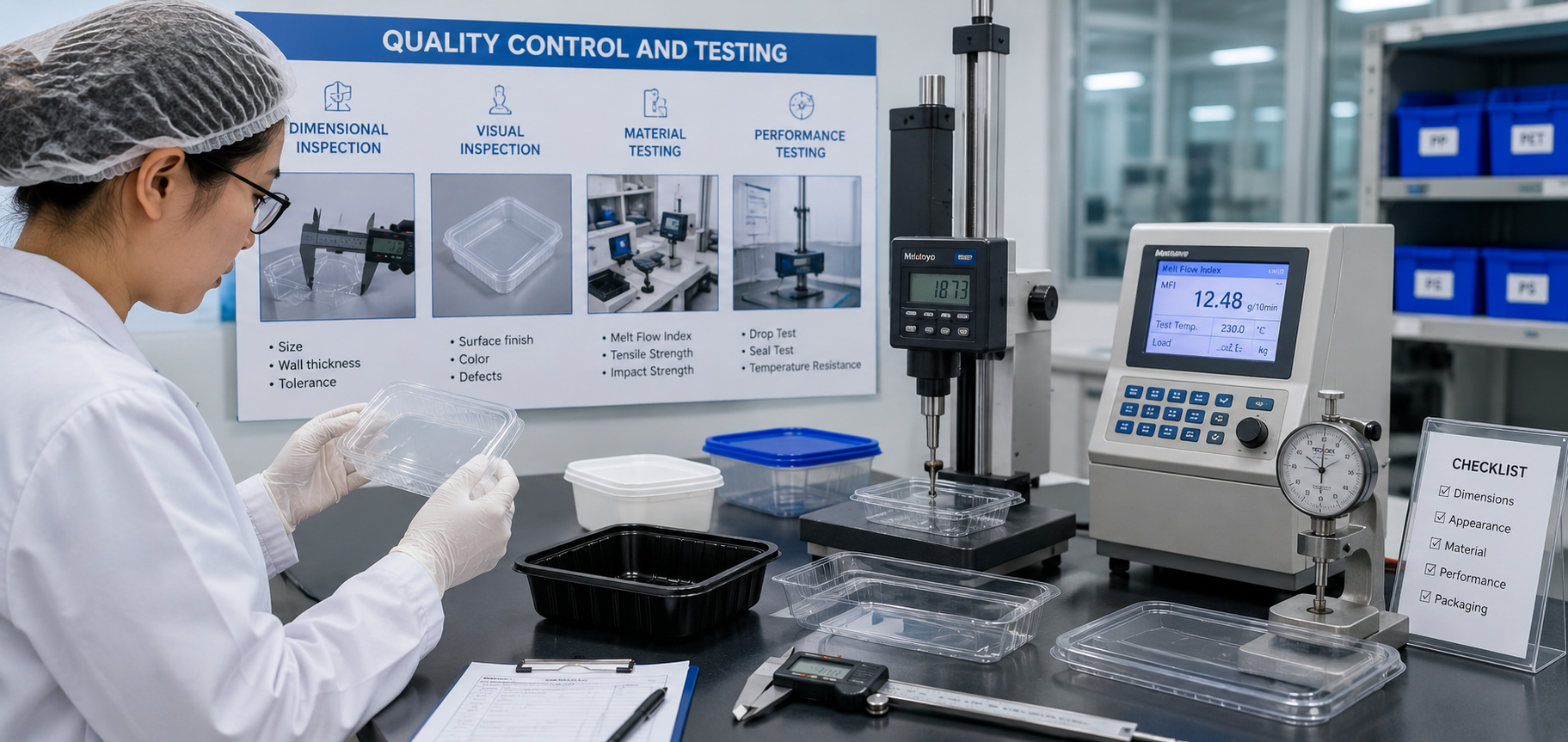
Contrôle qualité et tests

Packaging components are often produced in very high volumes, making robust quality control essential. Automated inspection systems and standardized testing procedures help ensure consistency across millions of parts.

Typical Inspection Items

  • Dimensional accuracy
  • Weight consistency
  • Surface appearance
  • Seal performance
  • Thread engagement
  • Leak testing
  • Drop resistance
  • Color consistency

For food and pharmaceutical packaging, cleanliness and contamination control are also critical.


Packaging Quality Control Process

Étape d'inspectionObjective
Incoming Material InspectionVerify resin quality
Premier contrôle articleApprove production samples
Contrôle en cours de fabricationMonitor production stability
Leak TestingEnsure sealing performance
Test fonctionnelVerify assembly and usability
Inspection finaleApprobation de l'expédition

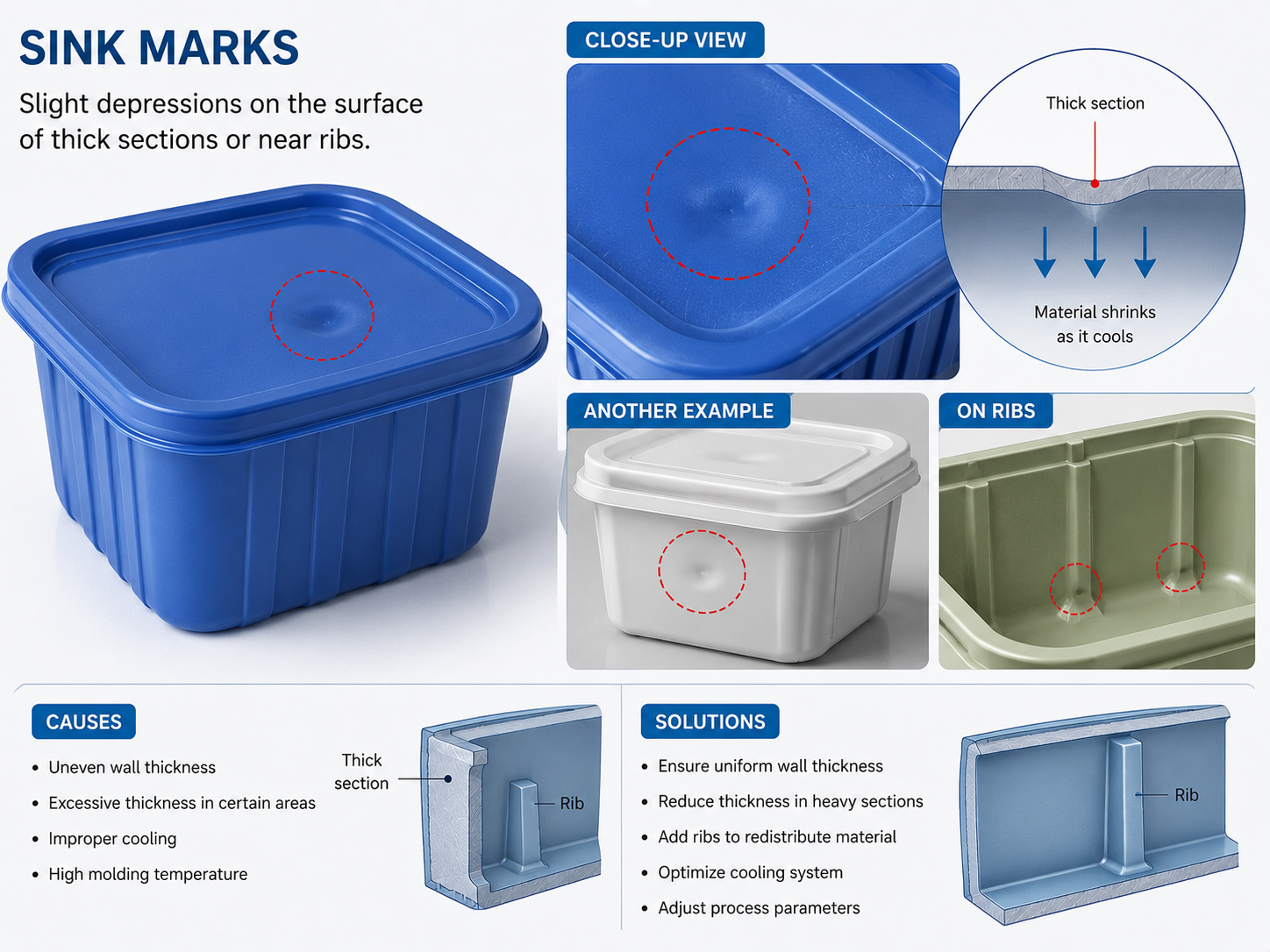
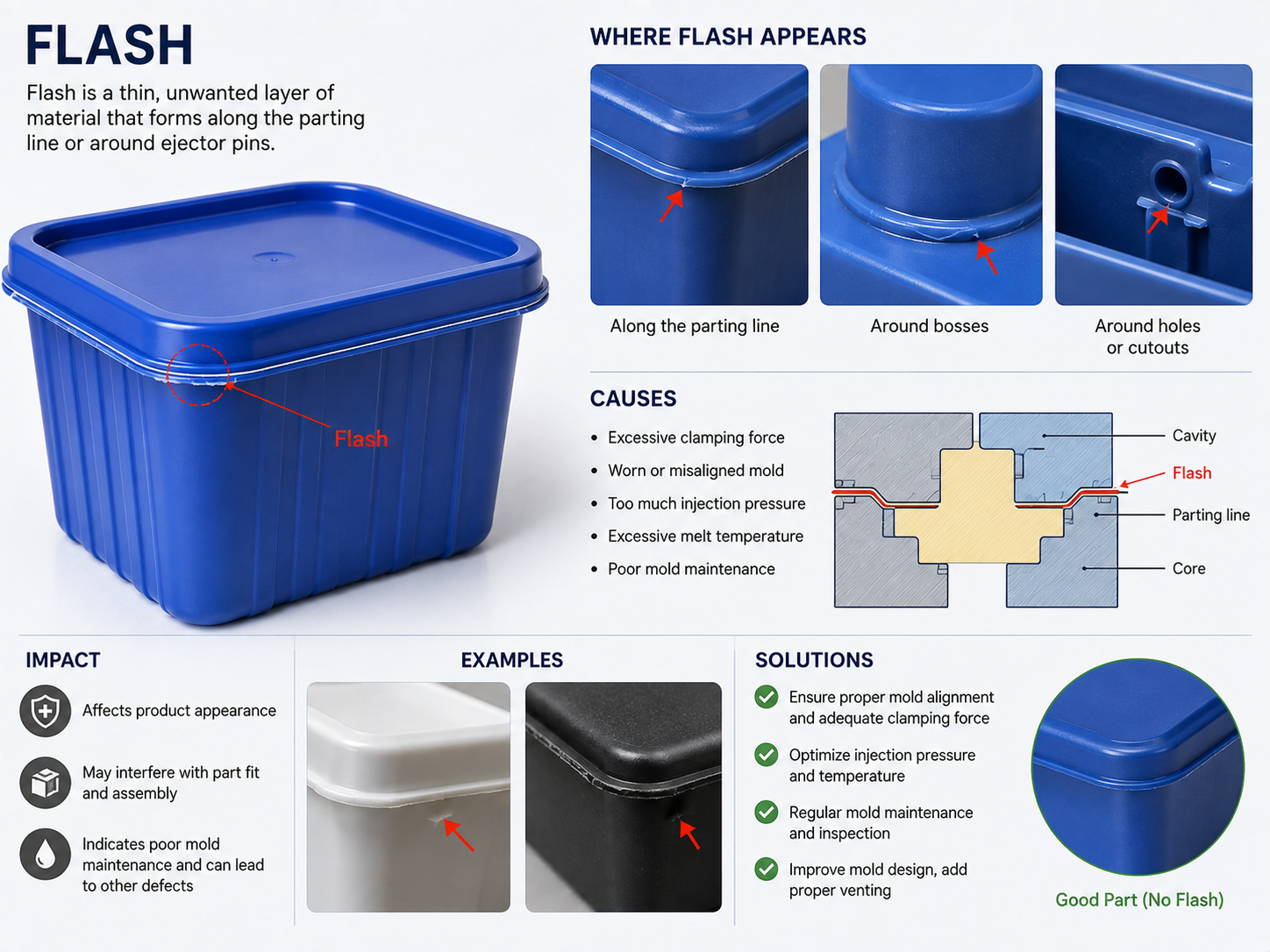
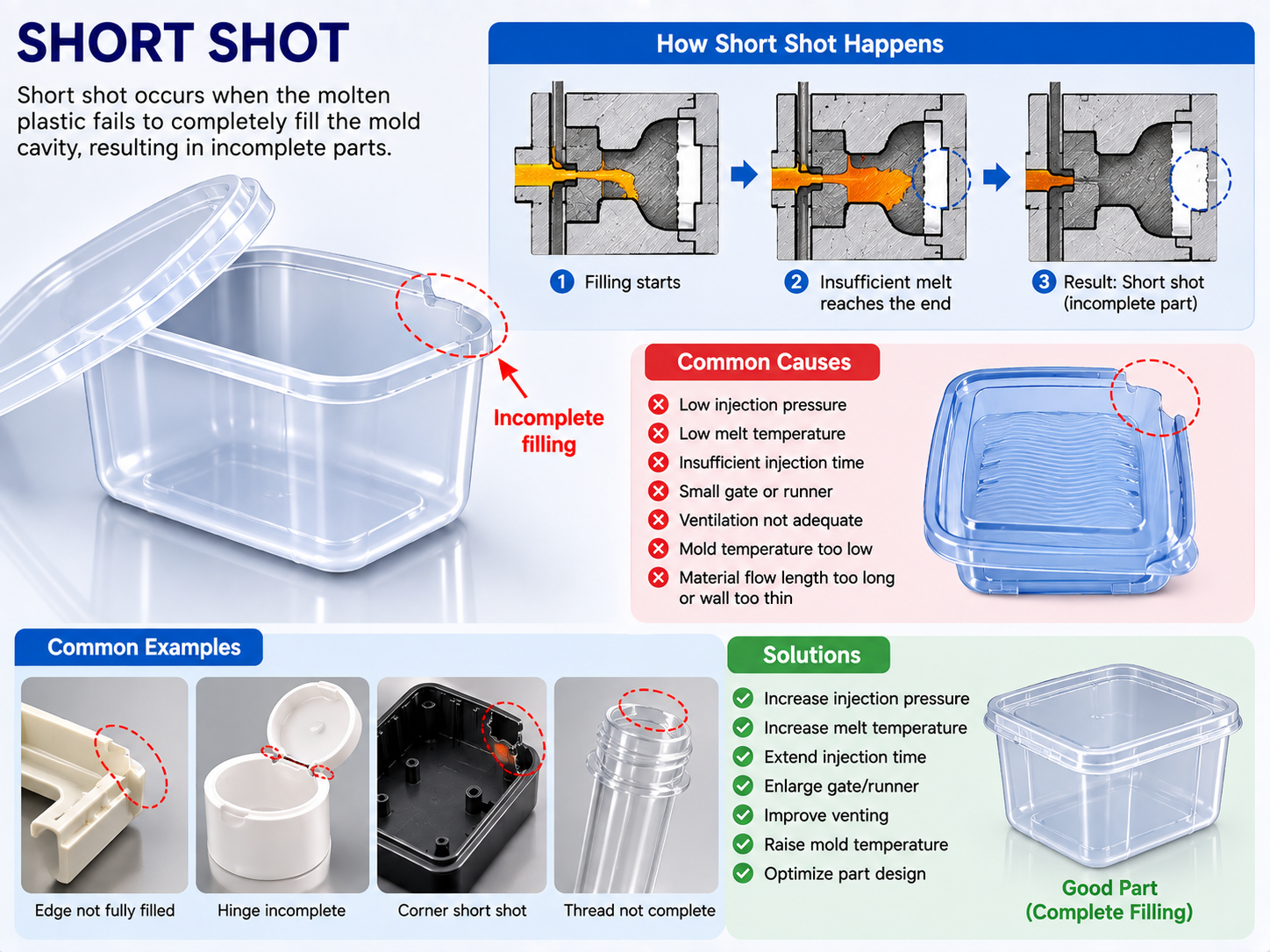
Défis et solutions courants dans la fabrication

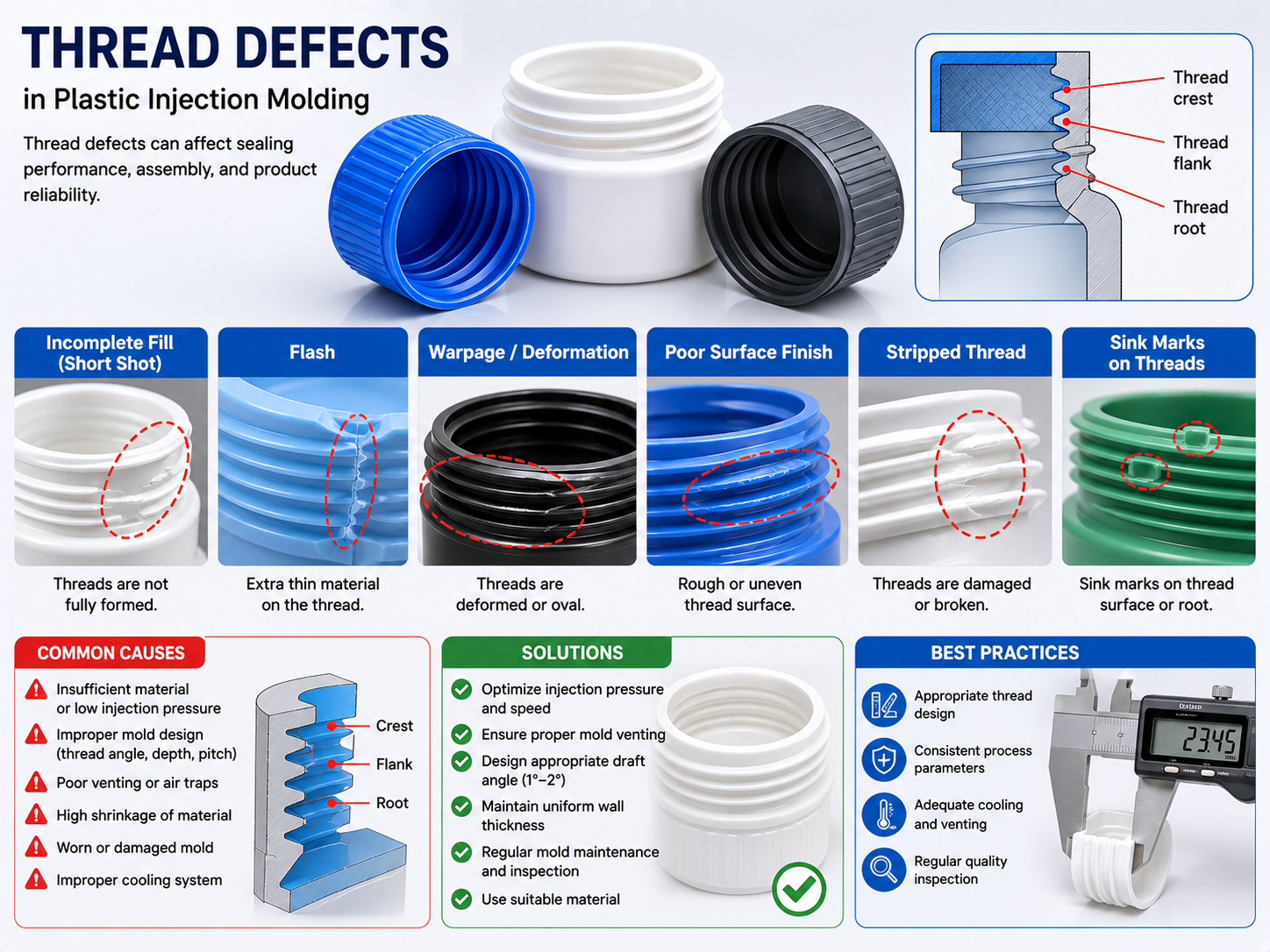
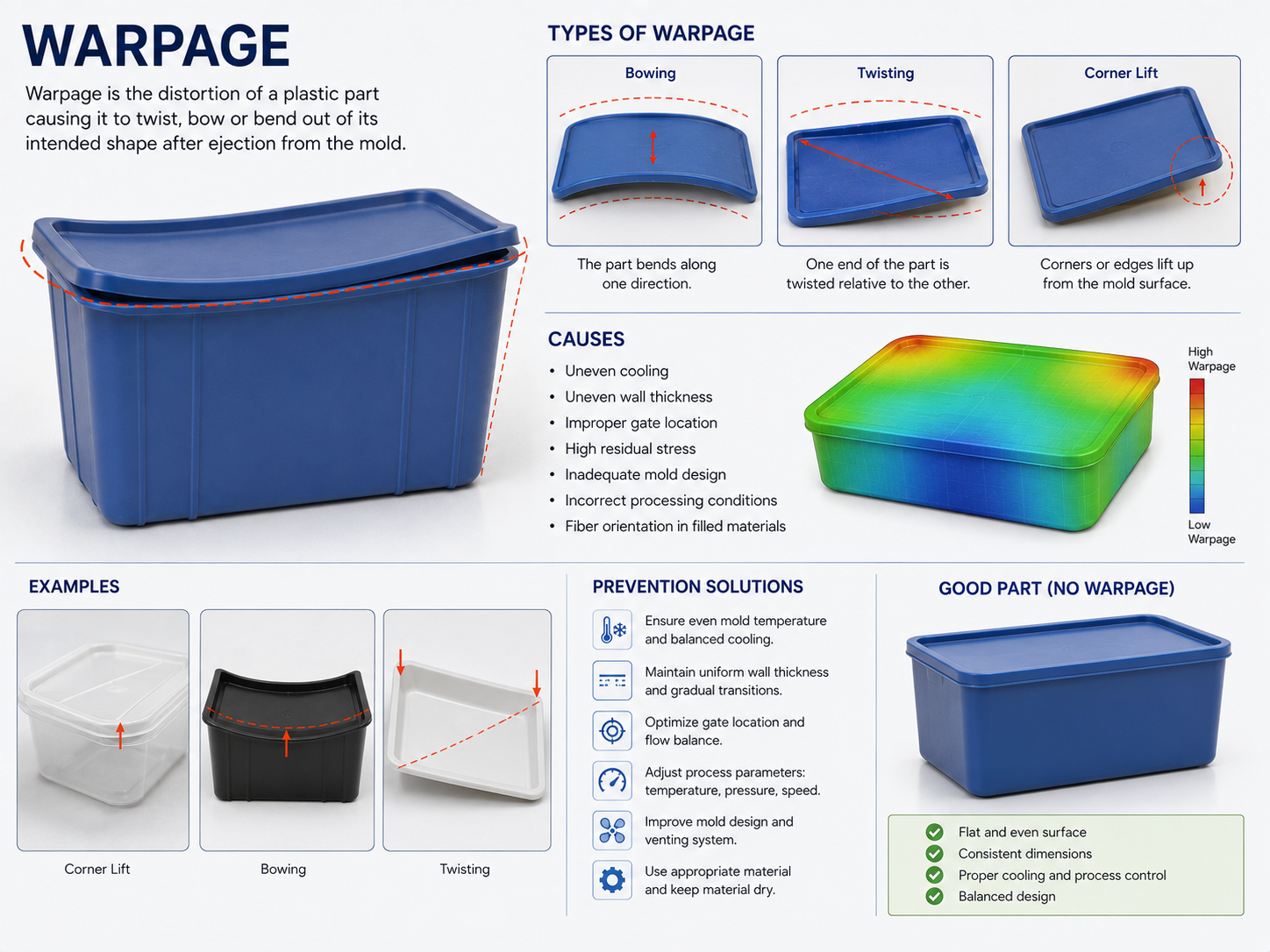
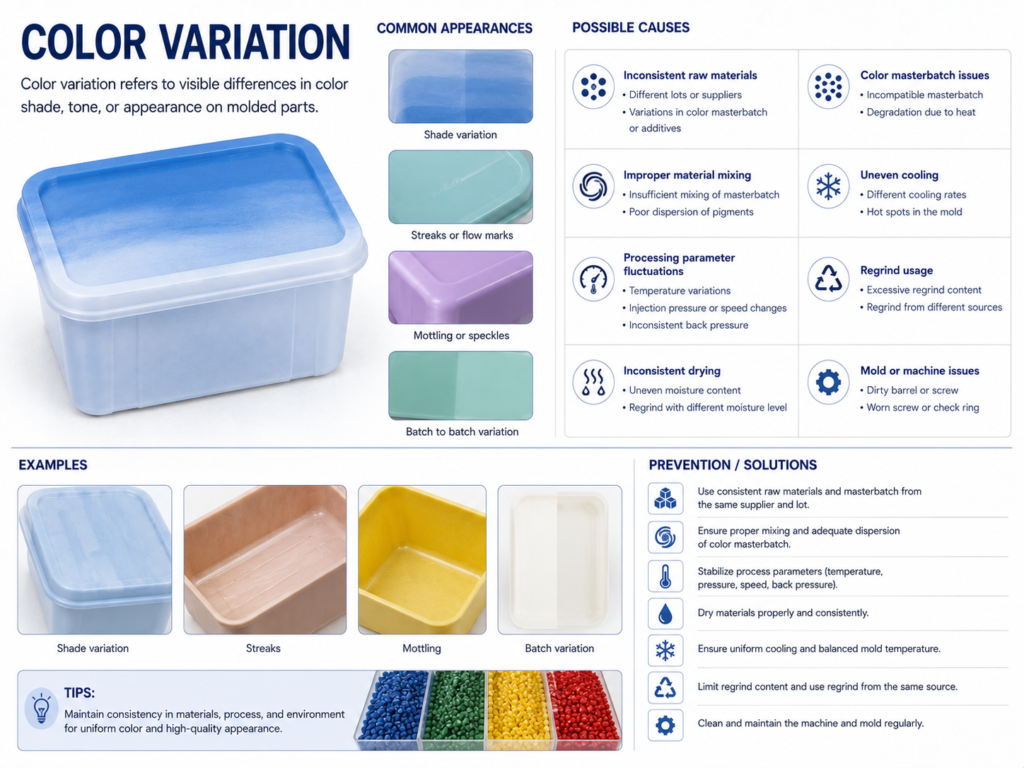
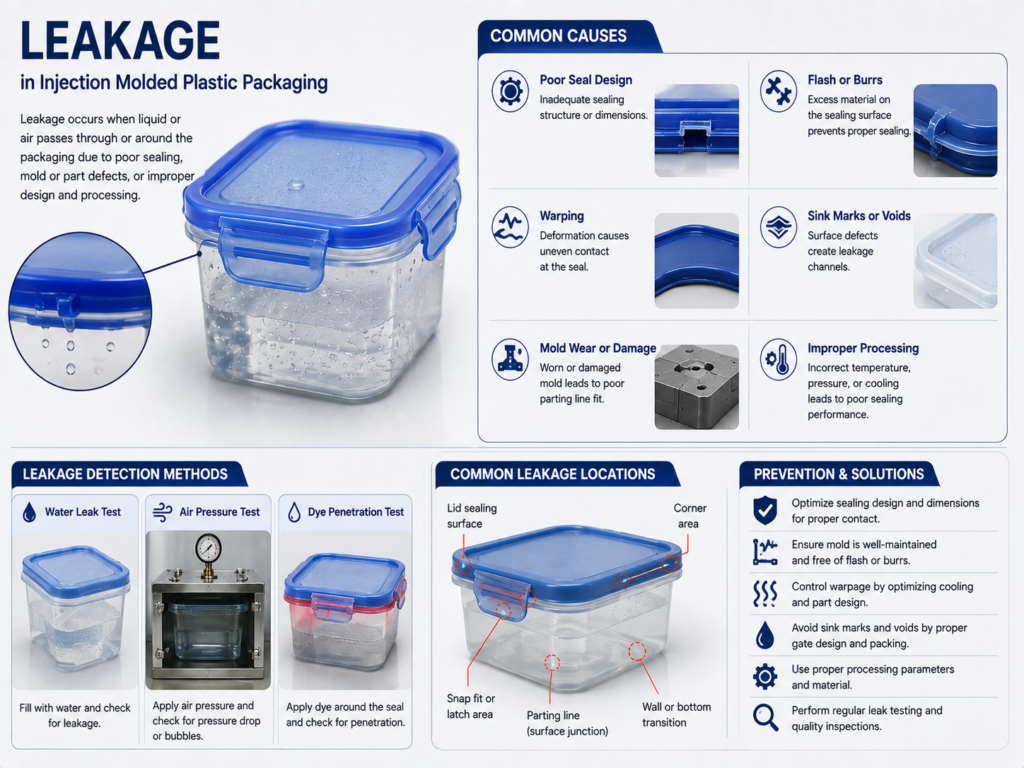
Packaging products often feature thin walls, fine threads, decorative surfaces, and high production volumes. These characteristics require careful mold design and process optimization.

DéfiCause possibleRecommended Solution
RetassuresSections à parois épaissesOptimize wall thickness
FlashMold wear or poor clampingImprove mold maintenance
Short ShotInadequate fillingOptimize gate design
Thread DefectsPoor mold alignmentImprove machining precision
GauchissementRefroidissement inégalOptimize cooling channels
Variation de couleurMaterial inconsistencyTight material control
LeakagePoor sealing designOptimize sealing geometry

Using DFM analysis and Moldflow simulation during product development helps identify potential manufacturing issues before tooling begins.

Sustainable Packaging and Recycled Materials

Sustainability has become a major focus in the packaging industry. Many global brands are reducing plastic waste by adopting recyclable materials, lightweight designs, and reusable packaging systems.

Injection molding supports these initiatives through efficient material utilization and compatibility with recycled and bio-based plastics.

Sustainable Solutions

  • Recycled PP (rPP)
  • Recycled HDPE (rHDPE)
  • Bio-based plastics
  • Lightweight structural optimization
  • Reusable packaging
  • Mono-material packaging for easier recycling

Designing for recyclability from the beginning of a project helps improve environmental performance without compromising product quality.


Sustainable Material Comparison

MatérielRecyclabilityApplications types
PPExcellentFood containers
HDPEExcellentBottles
PETExcellentTransparent packaging
rPPExcellentIndustrial packaging
rHDPEExcellentHousehold packaging

Why Choose Samgo for Packaging Injection Molding?

At Samgo, we provide complete tooling and manufacturing solutions for plastic packaging products across food, cosmetics, pharmaceuticals, household goods, and industrial applications.

Nos capacités

ServiceAvantage client
Product Design SupportDéveloppement de produits plus rapide
Analyse DFMAImproved manufacturability
Simulation MoldflowReduced tooling risk
Fabrication de moules de précisionLongue durée de vie du moule
Moulage par injection à grande cadenceProduction stable
Surface Decoration SupportApparence haut de gamme
Contrôle qualitéQualité de produit constante

Our engineering team works closely with customers to optimize product performance, production efficiency, and manufacturing cost from concept through mass production.


Foire aux questions

Which plastic is most commonly used for food packaging?

Polypropylene (PP) is one of the most widely used materials because it offers excellent chemical resistance, food-contact safety, low cost, and good processing performance.

Can injection molded packaging be recycled?

Yes. Many packaging materials such as PP, HDPE, and PET are recyclable. Packaging designed with mono-material structures is generally easier to recycle than multi-material assemblies.

Why is Moldflow analysis important for packaging?

Packaging products often feature thin walls and complex geometries. Moldflow simulation helps optimize filling balance, reduce warpage, minimize weld lines, and shorten development time.

Does Samgo manufacture custom packaging molds?

Yes. We provide custom injection molds and plastic parts for food packaging, cosmetic containers, pharmaceutical packaging, household products, and industrial packaging applications.

Conclusion

Injection molding is a cornerstone technology for the modern packaging industry, enabling manufacturers to produce high-quality, cost-effective, and visually appealing plastic packaging components at scale. From food containers and cosmetic jars to pharmaceutical closures and industrial protective packaging, the process offers exceptional design flexibility, dimensional accuracy, and production efficiency.

Successful packaging projects depend on selecting suitable materials, complying with international standards, optimizing mold design, and implementing rigorous quality control. As sustainability becomes increasingly important, integrating recyclable materials and environmentally conscious design practices will help manufacturers meet market expectations while supporting long-term business growth.

At Samgo, we combine engineering expertise, precision mold manufacturing, and advanced injection molding capabilities to deliver reliable packaging solutions tailored to your application and production requirements.

Obtenir le dernier prix ? Nous répondrons dès que possible (dans les 12 heures)

Types de seuils de moulage par injection plastique : sélection, principes de conception, avantages et applications

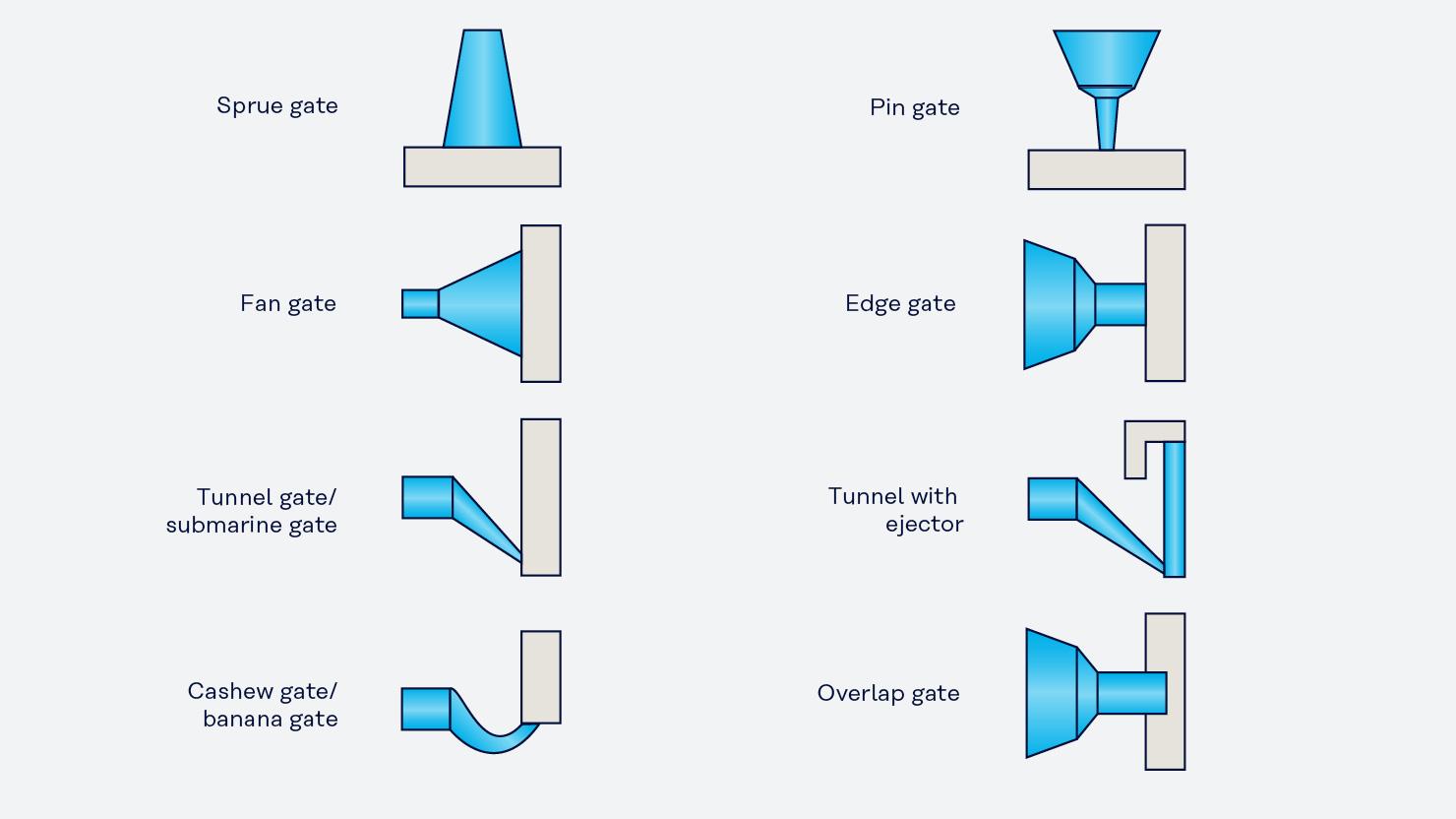
La conception du seuil est l'un des aspects les plus critiques de l'ingénierie des moules d'injection plastique. Bien que le seuil soit généralement le plus petit élément du système de canaux, il a une influence significative sur l'écoulement de la matière fondue, la pression de compactage, l'efficacité du refroidissement, l'aspect de la pièce, le temps de cycle et la qualité globale du produit.

Un seuil mal conçu peut provoquer de nombreux défauts de moulage, notamment des remplissages incomplets, des retassures, des lignes de soudure, des jets, des brûlures, un vestige de seuil excessif et un gauchissement des pièces. Inversement, le choix du type et de l'emplacement de seuil appropriés contribue à garantir un remplissage équilibré, une précision dimensionnelle constante et une production efficace.
En savoir plus »

Matériaux en polypropylène (PP) : types, nuances, propriétés et applications

Le polypropylène (PP) est l'un des thermoplastiques les plus utilisés au monde, représentant une part importante de la production mondiale de plastique. Grâce à son excellent équilibre de propriétés mécaniques, sa résistance chimique, sa légèreté et sa rentabilité, le PP est devenu le matériau de prédilection pour d'innombrables produits moulés par injection dans les secteurs de l'automobile, de l'électroménager, de la médecine, de l'emballage, de l'électricité et de l'industrie.

Le polypropylène moderne est disponible dans de nombreuses qualités et formulations différentes. Les fabricants peuvent choisir entre le PP homopolymère, le PP co-polymère statistique, le PP co-polymère bloc, le PP renforcé de fibres de verre, le PP chargé de minéraux, le PP ignifuge, le PP stabilisé aux UV et le PP de qualité alimentaire, selon les exigences du produit.

En savoir plus »

Analyse d'écoulement par moulage par injection : Un guide complet de la simulation Moldflow pour les pièces en plastique

Dans le développement moderne des produits en plastique, la fabrication des moules ne repose plus uniquement sur l'expérience en ingénierie. L'ingénierie assistée par ordinateur (IAO) est devenue un élément essentiel du processus de moulage par injection, permettant aux ingénieurs de prédire les défauts de moulage potentiels avant qu'un moule ne soit fabriqué. Parmi ces technologies, l'analyse de l'écoulement des moules d'injection, souvent appelée analyse Moldflow, est l'un des outils d'ingénierie les plus précieux pour réduire les risques de développement, raccourcir les délais et améliorer la qualité des pièces.

En savoir plus »

Explication de la structure des moules d'injection : Guide complet des composants et de la conception des moules en plastique

Le moulage par injection plastique est l'un des procédés de fabrication les plus efficaces pour produire des composants en plastique de haute qualité avec une précision et une répétabilité exceptionnelles. Cependant, la qualité de chaque produit moulé dépend grandement de la conception et de la construction du moule d'injection lui-même. Un moule bien conçu est bien plus qu'un bloc d'acier : c'est un système mécanique sophistiqué qui contrôle l'écoulement du plastique fondu, le refroidissement, l'éjection des pièces, la précision dimensionnelle et l'efficacité de la production.

Un moule d'injection se compose généralement de dizaines, voire de centaines de composants usinés avec précision qui fonctionnent ensemble tout au long de chaque cycle de moulage. Chaque composant a un rôle spécifique, qu'il s'agisse de guider le plastique fondu dans l'empreinte ou d'extraire la pièce finie sans l'endommager. Même des améliorations mineures de la structure du moule peuvent réduire considérablement le temps de cycle, améliorer la qualité du produit, prolonger la durée de vie du moule et réduire les coûts de fabrication.

En savoir plus »

Correspondance des couleurs plastiques pour le moulage par injection : un guide complet sur le RAL, le Pantone, le masterbatch et les couleurs personnalisées

La couleur est bien plus qu'un simple attribut esthétique dans le moulage par injection plastique : elle joue un rôle essentiel dans l'image de marque, la perception des clients, le contrôle qualité et la différenciation sur le marché. Qu'il s'agisse de fabriquer de l'électronique grand public, des intérieurs automobiles, des dispositifs médicaux, des équipements industriels ou des produits d'extérieur, l'obtention d'une correspondance des couleurs précise et cohérente est essentielle à la réussite du produit.

En savoir plus »