Introduction

Color is far more than an aesthetic feature in plastic injection molding—it plays a critical role in product branding, customer perception, quality control, and market differentiation. Whether manufacturing consumer electronics, automotive interiors, medical devices, industrial equipment, or outdoor products, achieving accurate and consistent color matching is essential for product success.

Unlike painted metal parts, most injection molded plastic components obtain their final color directly from the resin or color masterbatch during the molding process. This approach improves durability, reduces secondary operations, and ensures long-term color consistency.

However, producing a plastic part that perfectly matches a customer’s desired shade is more complex than simply adding pigment. Material type, processing temperature, wall thickness, surface texture, lighting conditions, and color standards all influence the final appearance.

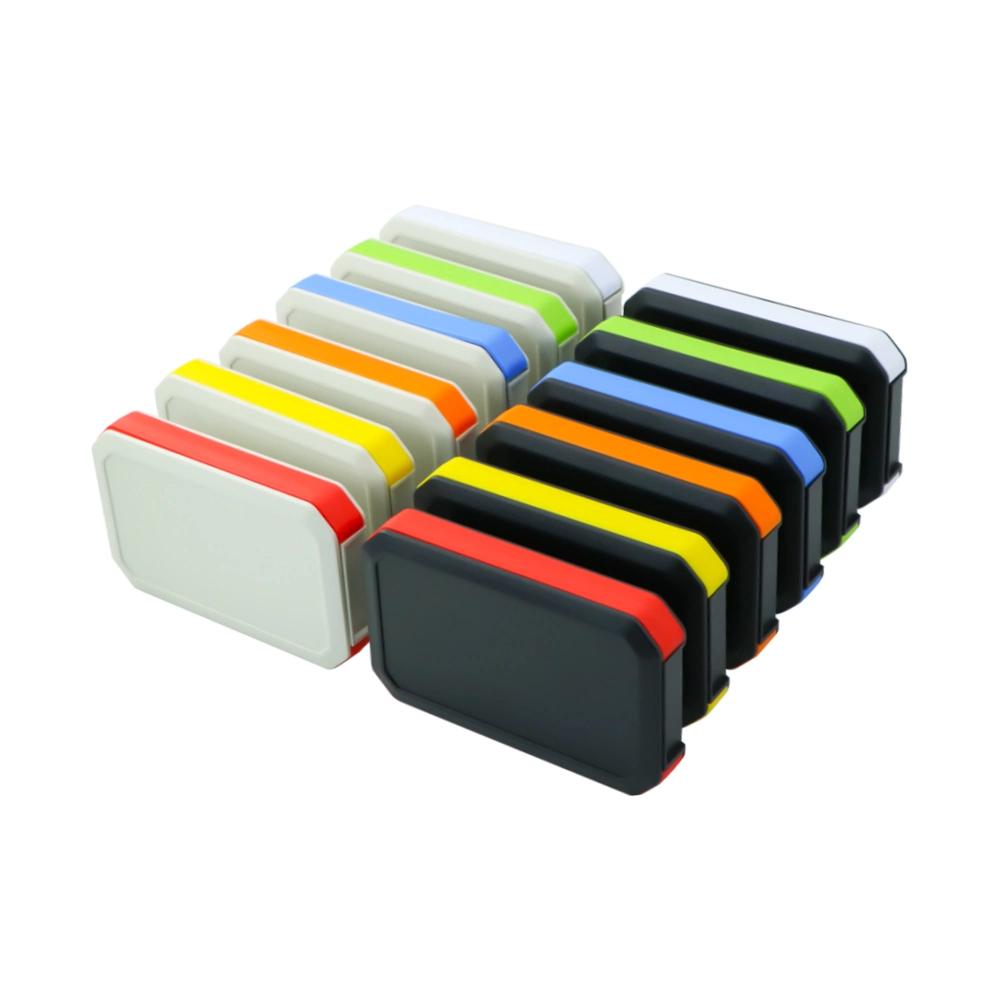
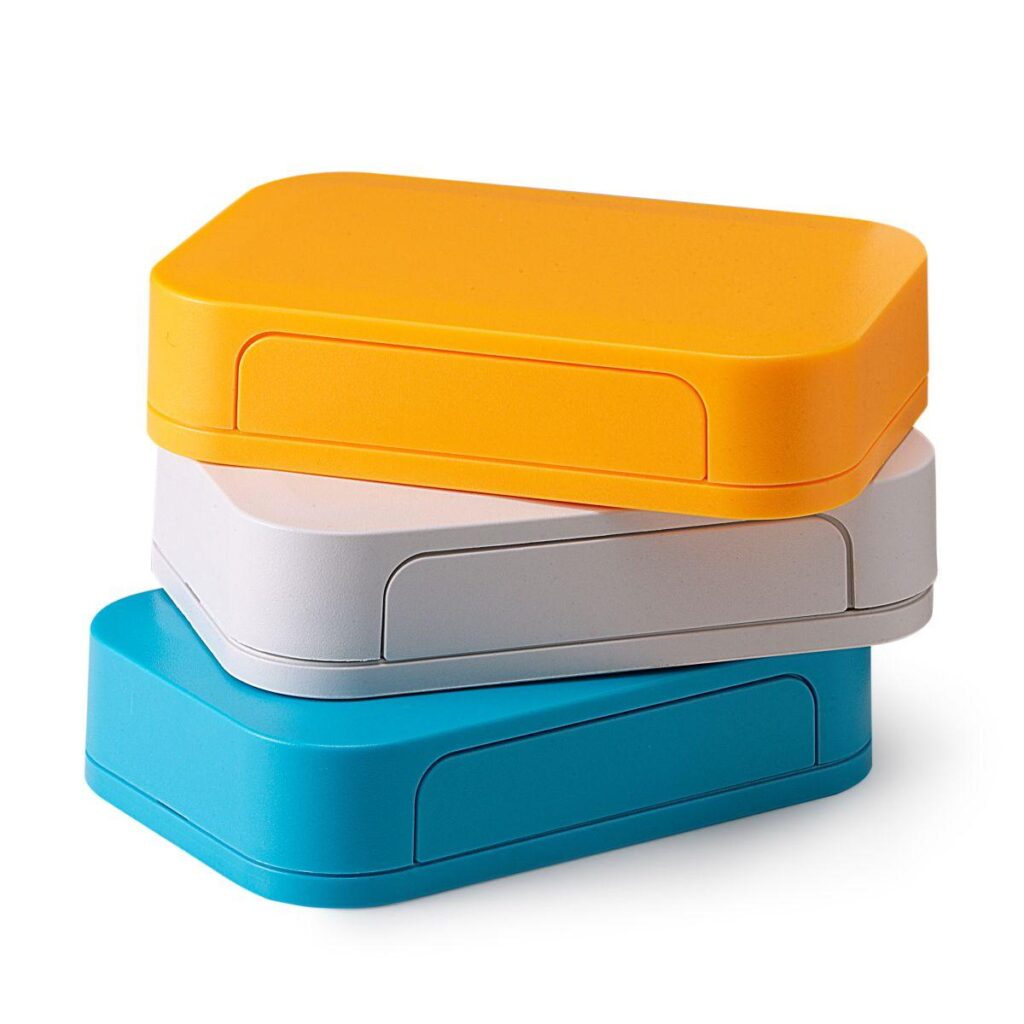
At Samgo, we support customers with custom color matching services, helping them achieve precise color consistency using RAL, Pantone, and custom masterbatch solutions. Combined with DFM analysis, mold design, and controlled injection molding processes, we ensure that every production batch meets demanding visual and quality requirements.

This guide explains the fundamentals of plastic color matching, international color standards, color masterbatch technology, processing considerations, and quality inspection methods.

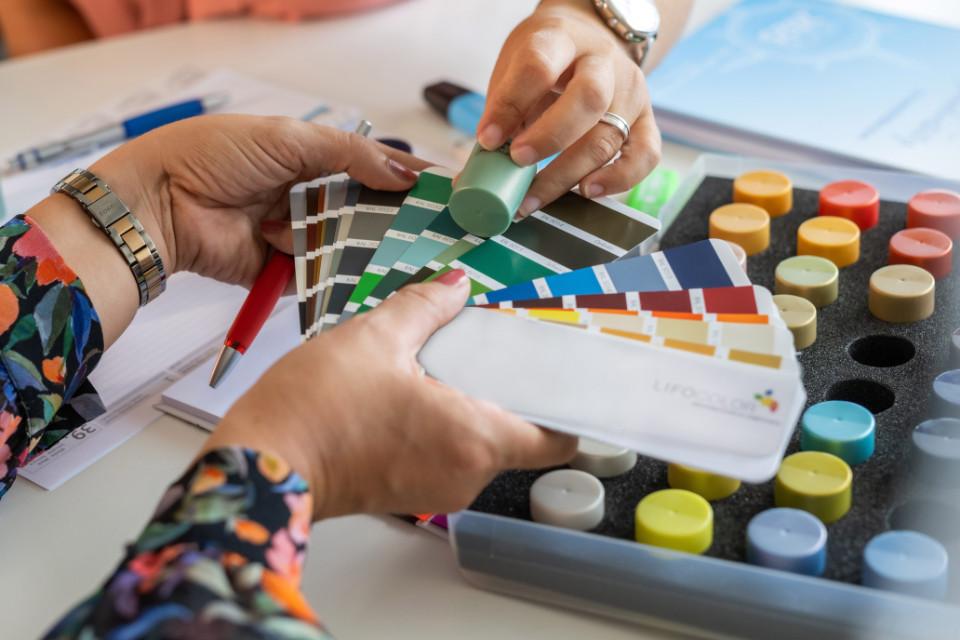
Why Color Matters in Plastic Products

Color influences how customers perceive quality, functionality, and brand identity.

For many industries, consistent color is just as important as dimensional accuracy.

Benefits of Accurate Color Matching

  • Stronger brand recognition
  • Premium product appearance
  • Consistent production quality
  • Easier product identification
  • Improved customer satisfaction
  • Reduced rejection rates

Color Requirements by Industry

IndustryColor ImportanceTypical Requirement
Consumer ElectronicsVery HighBrand consistency
AutomotiveVery HighInterior color harmony
MedicalHighProduct identification
Industrial EquipmentMediumSafety and function
Outdoor ProductsHighUV color stability
Home AppliancesHighDecorative appearance

Color standard of plastic parts

Achieve Consistent Color Quality for Custom Plastic Parts

Why Color Matters in Plastic Products

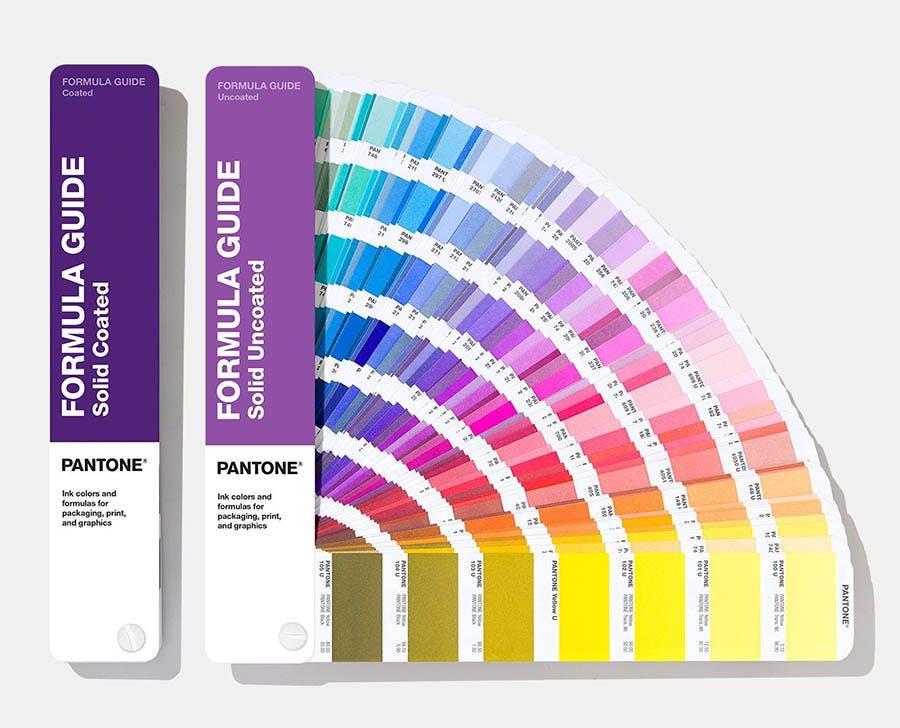
RAL&Pantone color
Send an inquiry

Understanding Plastic Color Standards

International color systems help manufacturers communicate color requirements accurately.

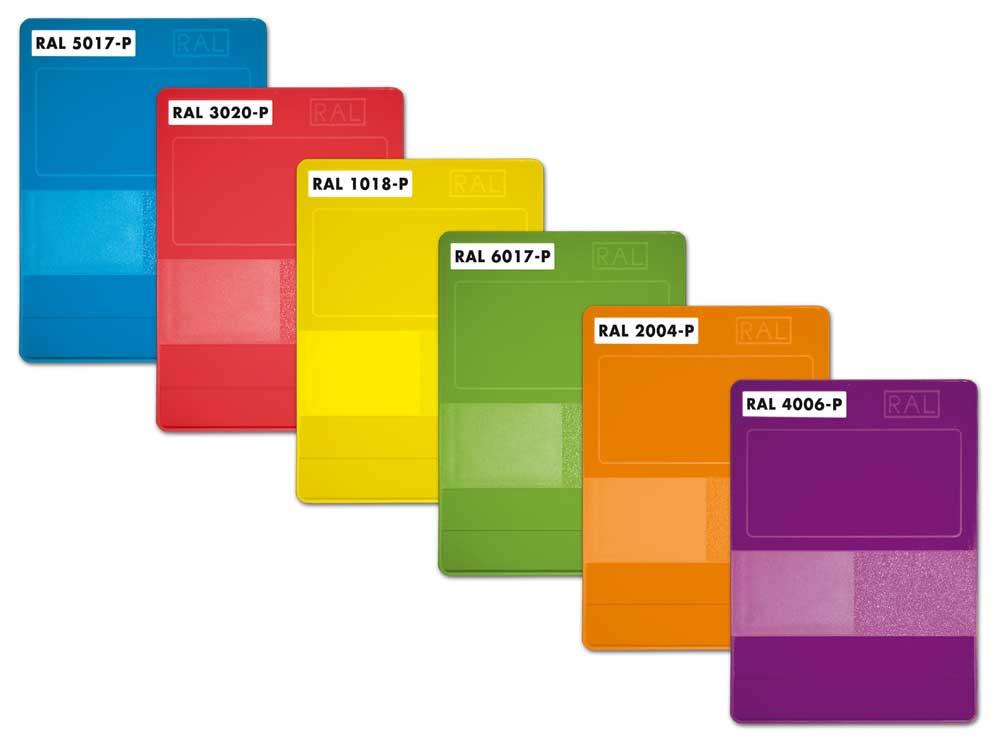
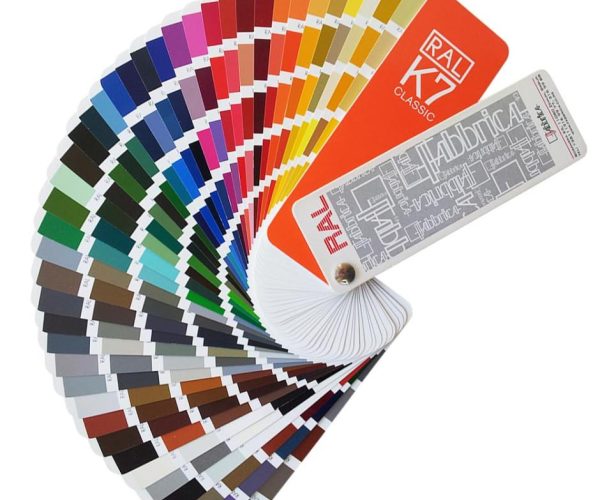
RAL Color System

The RAL system is widely used in Europe for industrial products.

Popular examples include:

  • RAL 9005 – Jet Black
  • RAL 9016 – Traffic White
  • RAL 7016 – Anthracite Grey
  • RAL 3020 – Traffic Red
  • RAL 5015 – Sky Blue

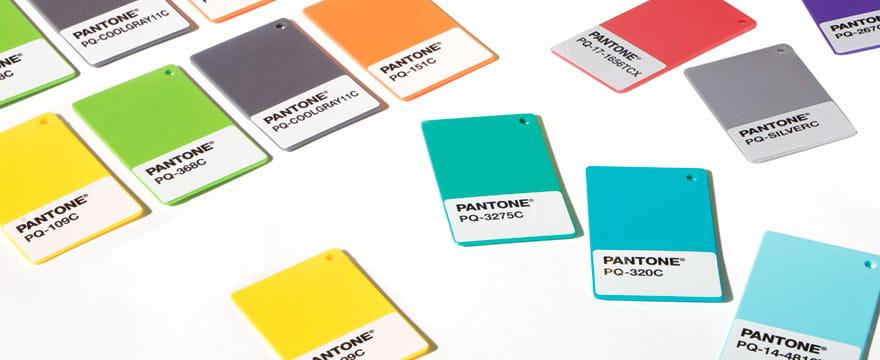
Pantone Color System

Pantone is commonly used for consumer products and branding.

It provides standardized color references for:

  • Consumer electronics
  • Packaging
  • Promotional products
  • Lifestyle products

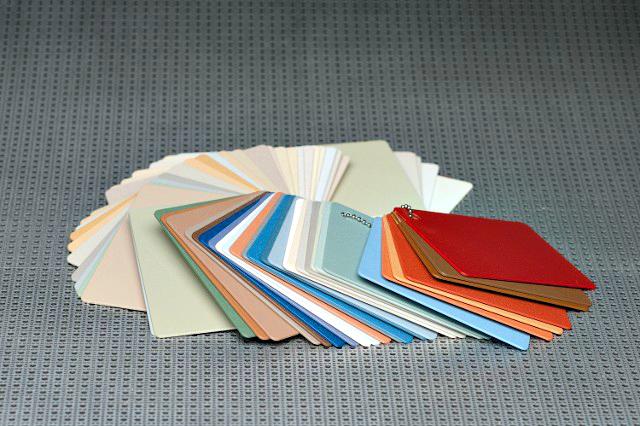
Custom Color Matching

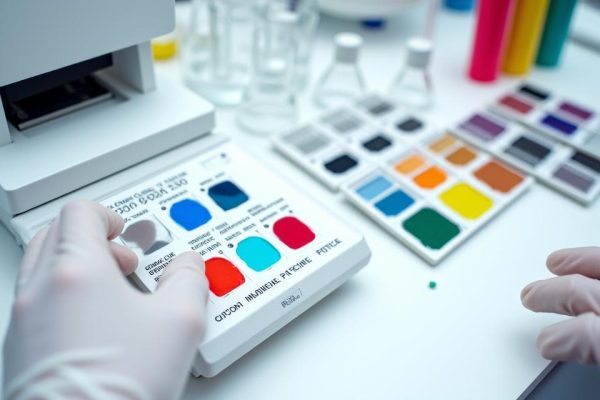
Many OEM customers require proprietary brand colors that cannot be matched directly using standard color libraries. In these cases, spectrophotometers and custom masterbatch formulations are used to achieve precise color reproduction.


Comparison of Color Standards

StandardMain ApplicationsAdvantages
RALIndustrial productsWidely recognized in Europe
PantoneConsumer productsExcellent branding consistency
Custom SampleOEM productsExact customer-specific colors
color book-1
color book-3

Color Masterbatch Technology

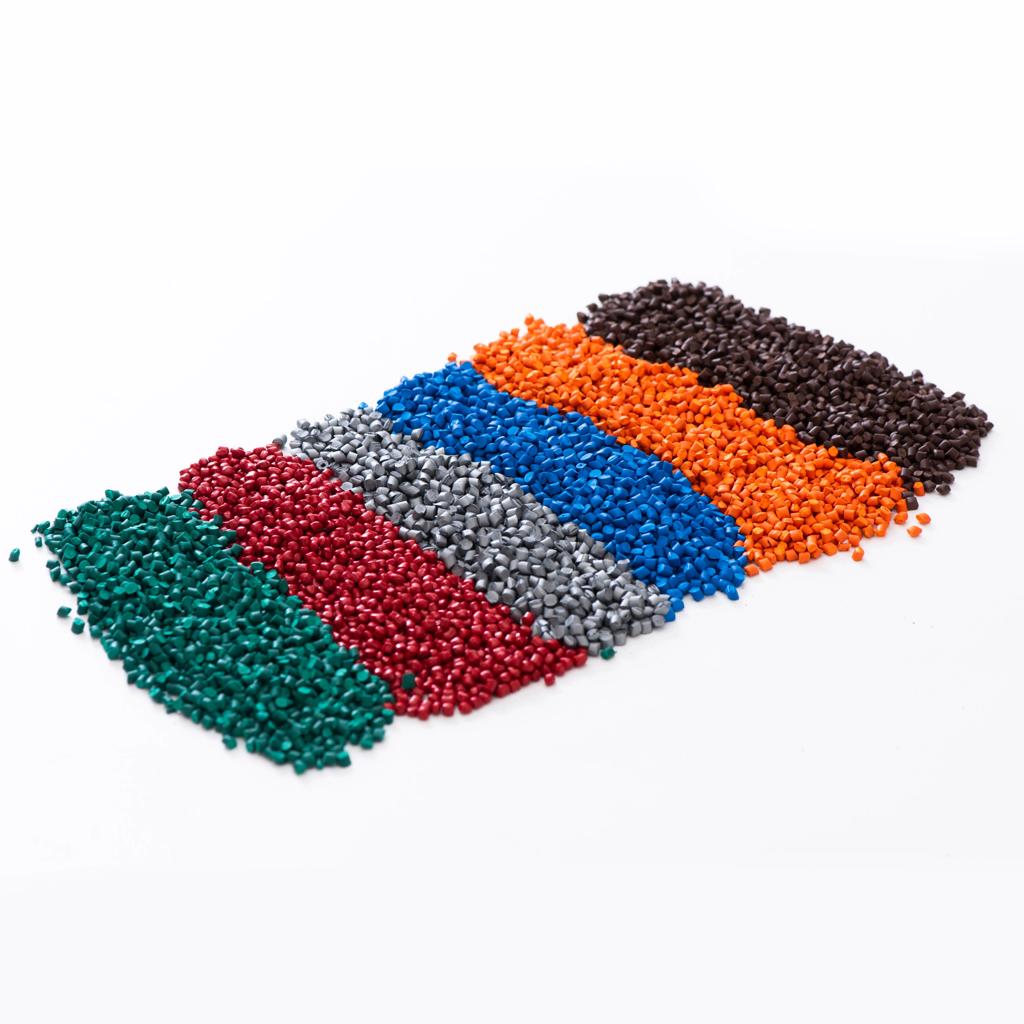
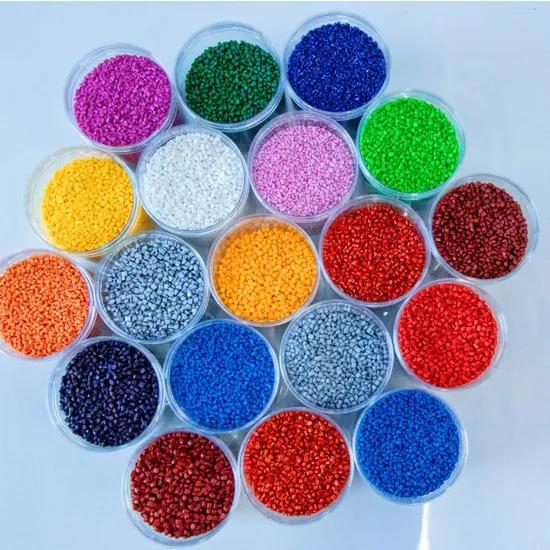
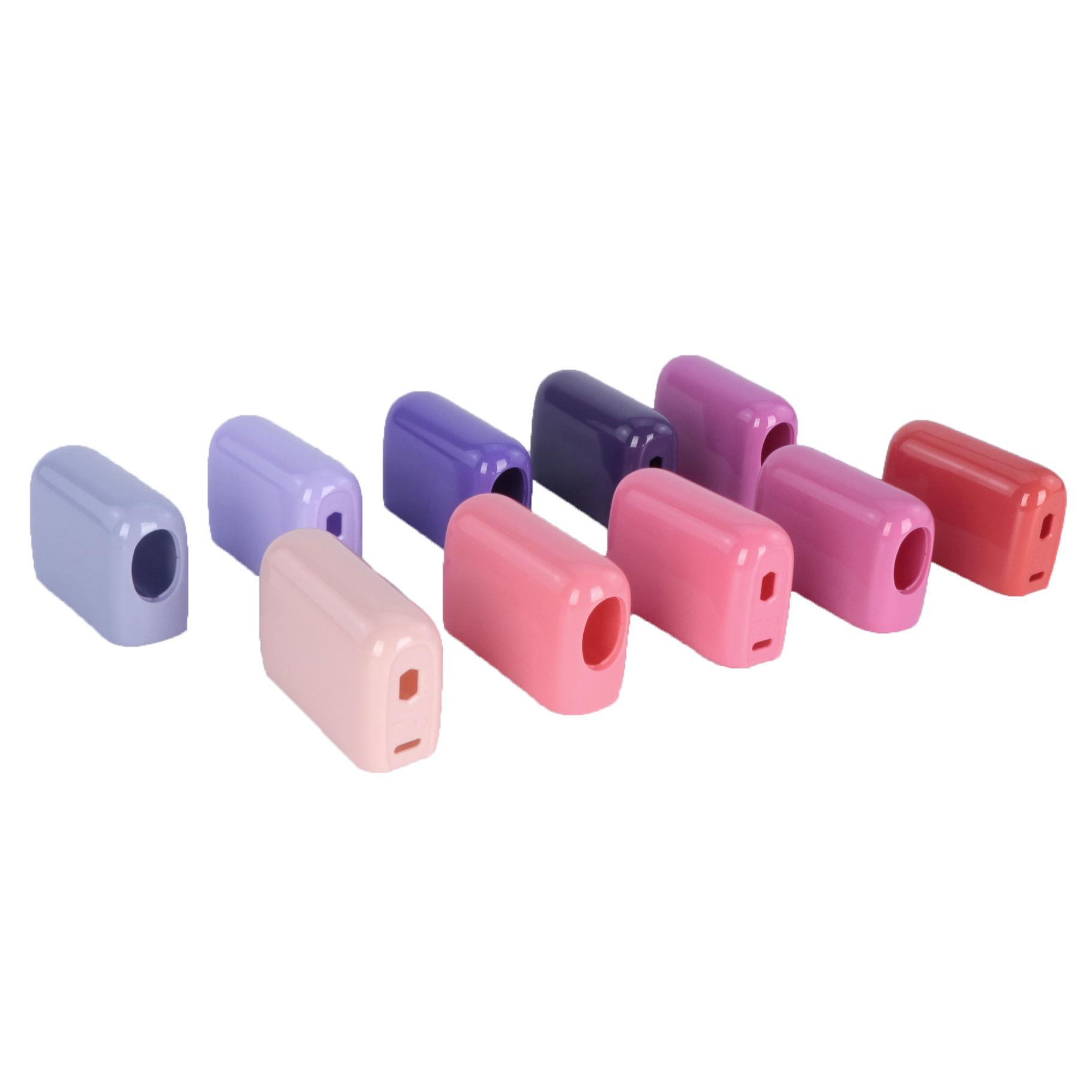
Color masterbatch is the most common method for coloring injection molded plastic parts.

A masterbatch consists of concentrated pigments dispersed in a compatible carrier resin. During molding, the masterbatch is blended with natural resin at a controlled ratio to achieve the target color.

Advantages

  • Excellent color consistency
  • Efficient processing
  • Low material waste
  • Easy color changes
  • High production efficiency

Masterbatch Types

TypeTypical Application
Standard ColorGeneral consumer products
UV ResistantOutdoor products
Food GradeFood-contact applications
Medical GradeHealthcare products
Anti-StaticElectronic components
Flame RetardantElectrical enclosures

Factors Affecting Final Color

Several variables influence the appearance of injection molded parts.

Material Type

Different polymers absorb pigments differently.

For example:

  • ABS provides vivid colors.
  • PC may appear slightly darker.
  • PP often requires higher pigment loading.

Wall Thickness

Thicker sections may appear darker due to increased light absorption.

Surface Finish

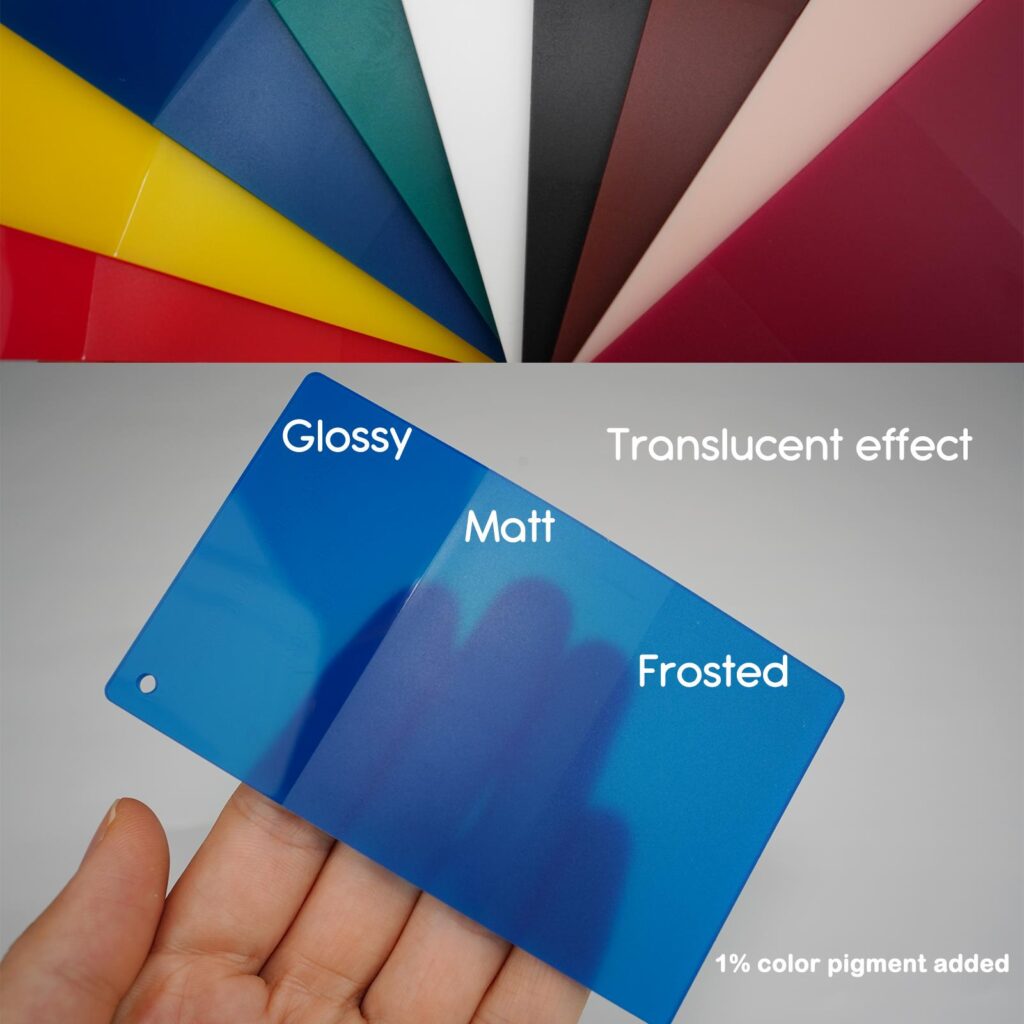
  • Glossy surfaces enhance color brightness.
  • Textured surfaces appear slightly darker.
  • Matte finishes reduce reflections.

Processing Conditions

Processing temperature, residence time, and cooling rate can also influence color stability.


Process Variables

VariableInfluence
Melt TemperaturePigment stability
Mold TemperatureSurface appearance
Injection PressureColor uniformity
Cooling RateGloss consistency
Wall ThicknessVisual depth

Color Quality Inspection

Consistent color production requires systematic quality control.

Common inspection methods include:

  • Visual comparison under standardized lighting
  • Spectrophotometer measurement
  • ΔE color difference analysis
  • First article approval
  • Batch-to-batch verification

Typical Color Tolerance

Inspection MethodAcceptance Criteria
Visual InspectionCustomer approved sample
SpectrophotometerΔE ≤ 1.0–2.0 (project dependent)
Production SampleMatches approved master sample

Using objective color measurement helps minimize subjective interpretation and ensures repeatable production.

Color Matching for Outdoor Products

Outdoor products require pigments and additives that resist ultraviolet radiation and weathering.

Recommended materials include:

  • ASA
  • UV-stabilized PC
  • UV-resistant PP
  • HDPE

These materials maintain color stability and reduce fading during long-term outdoor exposure.

https://images.openai.com/static-rsc-4/ro2vbTdJhOVUivQ0dbmB067pJZWjEImrZyouOhyCd-sWqhK3aXBSBYM35GWt6C04M7TFgFy6MiRtXML8MPP1PljV88s-QG4DE7c1Ghyov9jlY9GZouU7g8OwPya-FCwgrvEX0-b6u1Cx2I1IFFC39klQh1P_cZx0QwJFWJ6D7OKiVKw8fz95PtyGxHYvRkV4?purpose=fullsize
https://images.openai.com/static-rsc-4/BUeWIAMzbv3cY1gHWqp2qdMf_L-CglD4IlWQcuyAblvqxlFx4EKD3lc1Ux62t22Gph51wMRfP7lE1j4vX4hAYWzVruqCIoaee3Qa4NhClnZtyUCUsWGoF4AFcrXqLzOPWj8dFq-kE3ea7pTDPvQuPUA1sXnUQYGAvX-vUKYFFVfV-RxLB2Xu4ktgrPtdZYrA?purpose=fullsize
https://images.openai.com/static-rsc-4/66_xEr7mUL9ZgS4tVa_qIqSTHT9O13dEQkVAqXpjuRkug-uxc5XI-4OPrwX0dE7s6ZQqd9-Y5ABrjXXt4T69A1jo-PzyqMwwWruCXiFoJFUOAA7mYSwwM2qhKy-nc4ubb4Z0T2u2mtH9qCXYQeLvcPmrEh-PplQMxJZLeeGcBJXnHHZXPxzwyT2ZidmhQRfR?purpose=fullsize
 

Common Color Matching Challenges

ProblemPossible CauseSolution
Color variationInconsistent masterbatch ratioImprove dosing accuracy
Dark spotsPoor pigment dispersionUse high-quality masterbatch
Color fadingUV exposureAdd UV stabilizers
Batch inconsistencyMaterial changesStandardize raw materials
Uneven appearancePoor mixingOptimize processing parameters

Why Choose Samgo?

Samgo provides complete engineering support for custom-colored plastic components.

Our Capabilities

ServiceCustomer Benefit
Custom Color MatchingAccurate brand colors
RAL & Pantone SupportInternational color standards
Material SelectionOptimized appearance and performance
DFM AnalysisImproved manufacturability
Precision Mold ManufacturingStable part quality
Injection MoldingConsistent batch production

Whether you require a standard industrial color or a unique corporate identity color, our engineering team works closely with material suppliers and customers to achieve reliable, repeatable results.


Conclusion

Color matching is an essential part of modern plastic injection molding, influencing product appearance, brand identity, and customer satisfaction. By understanding international color standards such as RAL and Pantone, selecting the appropriate masterbatch, controlling molding parameters, and implementing robust color inspection procedures, manufacturers can consistently produce high-quality plastic parts that meet demanding visual specifications.

At Samgo, we combine engineering expertise, precision tooling, and advanced injection molding processes to deliver custom-colored plastic components with reliable batch-to-batch consistency. Whether your project requires a standard industrial shade or a fully customized corporate color, we help ensure that every molded part reflects the quality and professionalism of your brand.