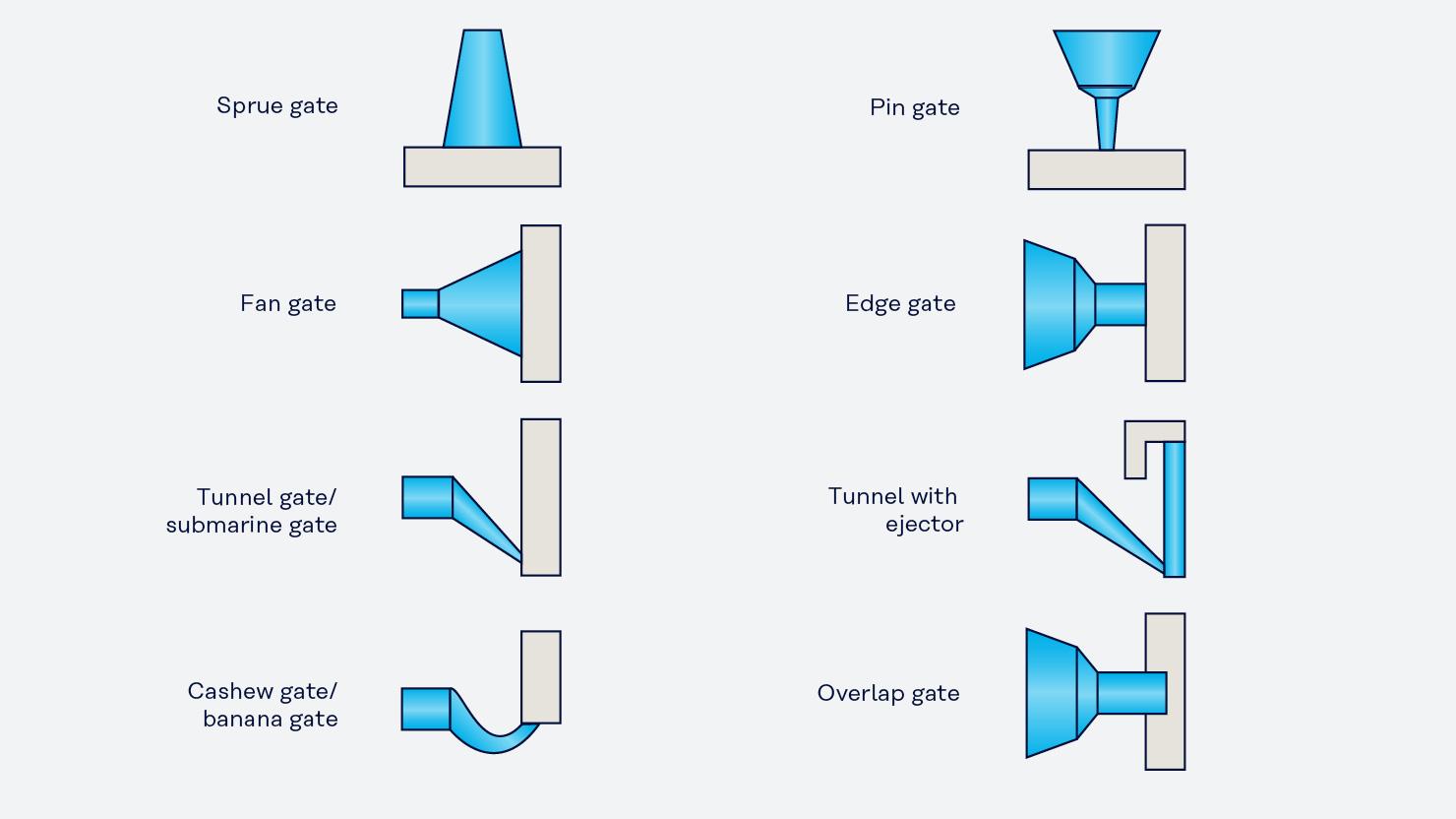
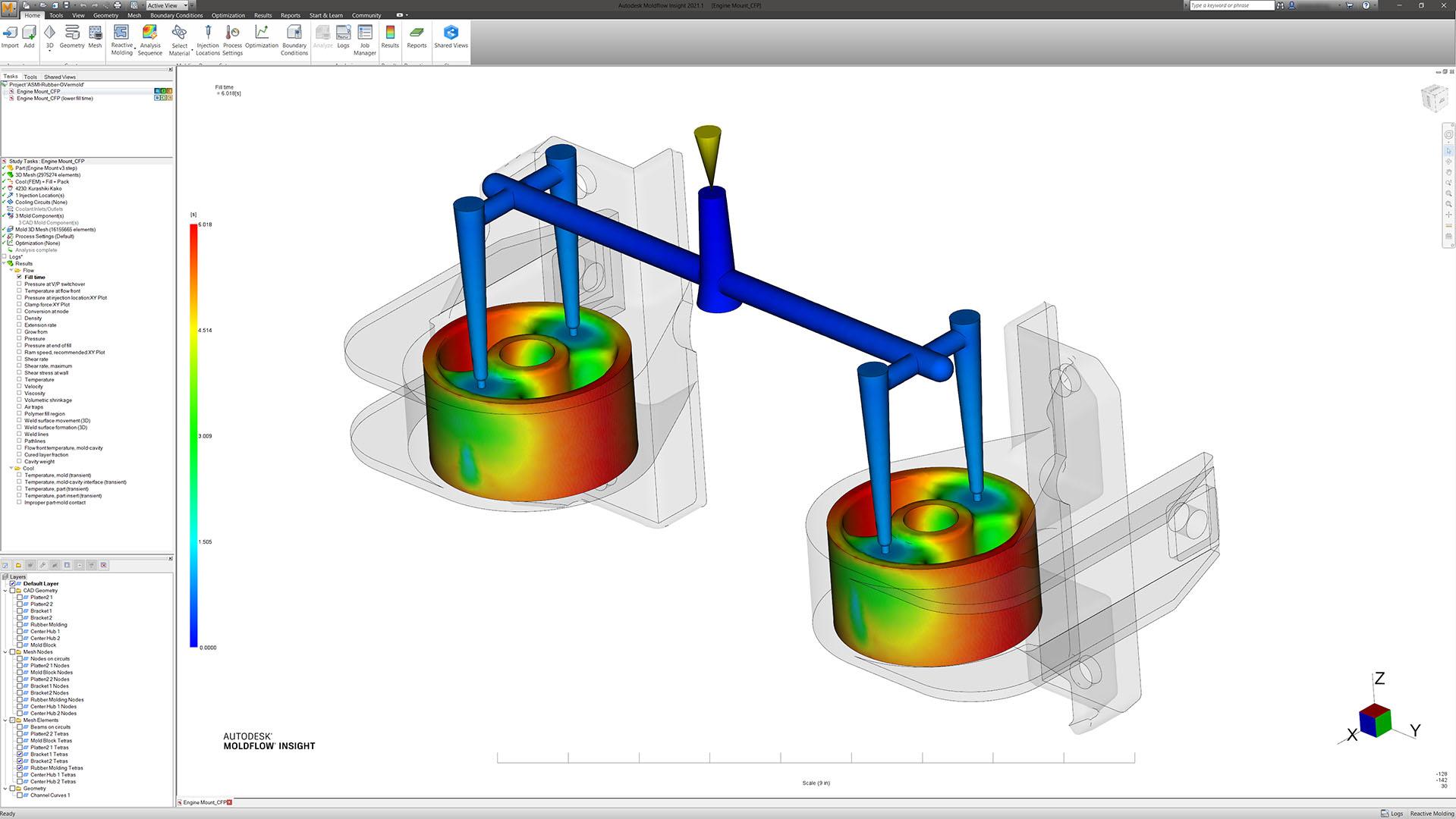
Die Angusstgestaltung ist einer der kritischsten Aspekte des Spritzgießwerkzeugbaus. Obwohl der Anguss meist das kleinste Merkmal im Angusssystem ist, hat er einen erheblichen Einfluss auf den Schmelzfluss, den Nachdruck, die Kühleffizienz, das Bauteilbild, die Zykluszeit und die gesamte Produktqualität.
Ein schlecht gestalteter Anguss kann zahlreiche Formfehler verursachen, darunter unvollständige Füllungen (Short Shots), Einfallstellen, Bindenähte, Schlierenbildung (Jetting), Brandflecken, übermäßige Angussreste und Bauteilverzug. Umgekehrt trägt die Auswahl des geeigneten Angusstyps und der passenden Angussstelle dazu bei, eine ausgewogene Füllung, gleichmäßige Maßhaltigkeit und eine effiziente Produktion sicherzustellen.