


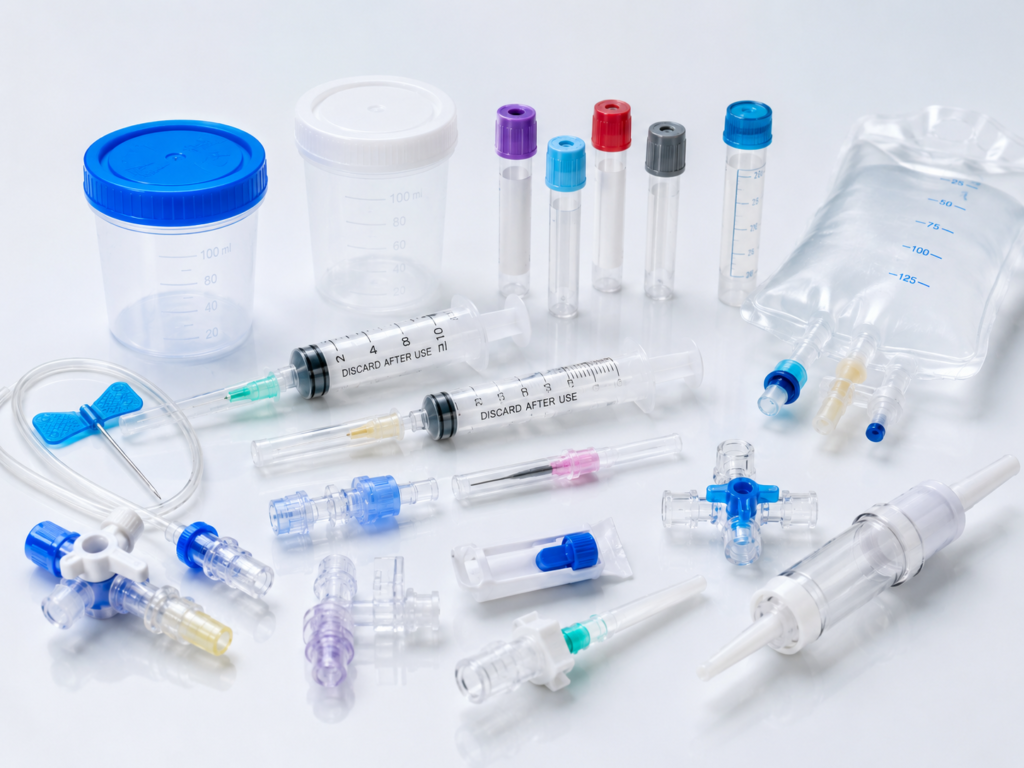
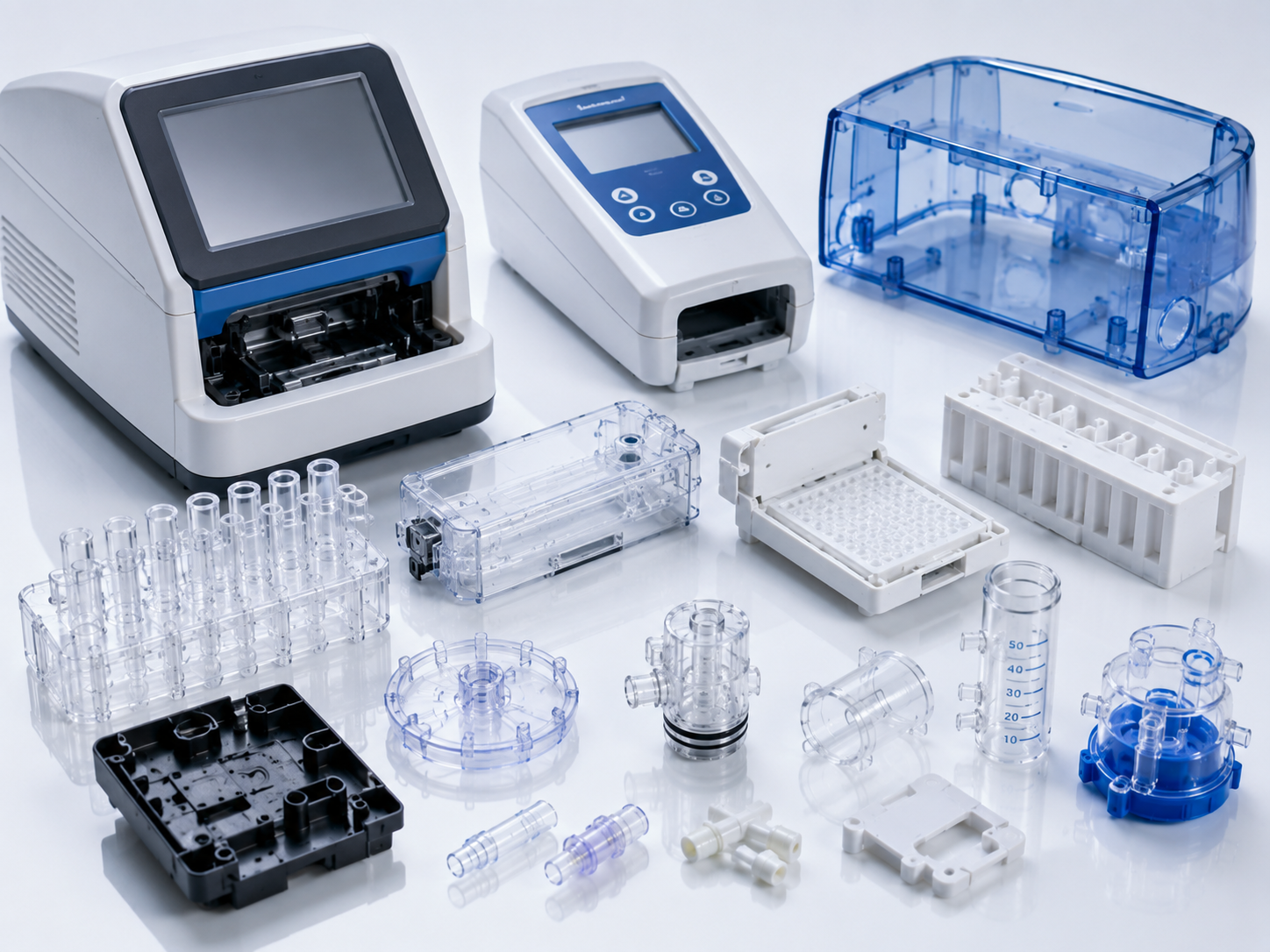
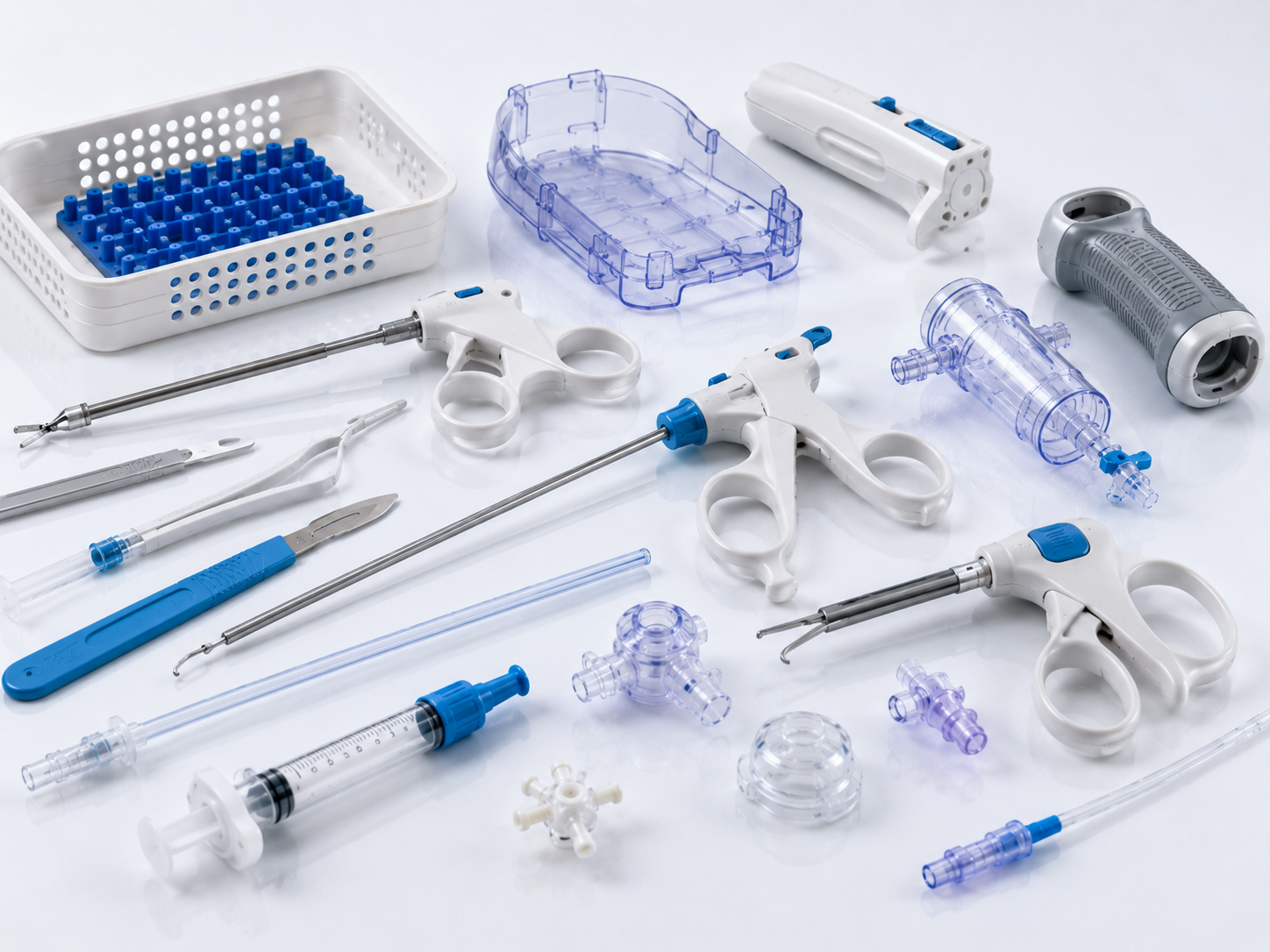
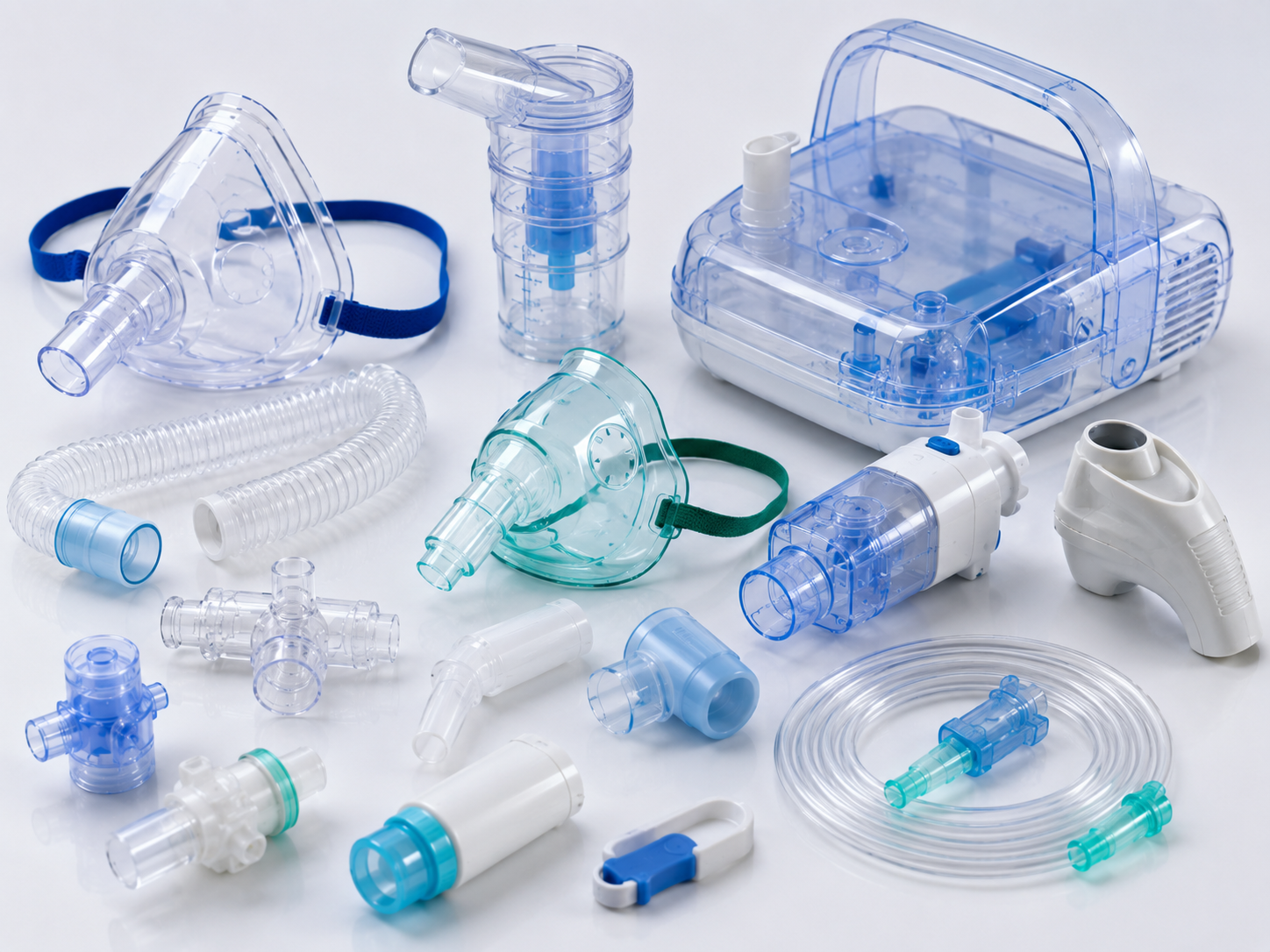
Cleanroom Injection Molding Requirements
Medical plastic components often come into direct or indirect contact with patients, medications, or biological samples. Therefore, controlling contamination during manufacturing is just as important as maintaining dimensional accuracy.
Cleanroom injection molding minimizes airborne particles, microbial contamination, and foreign matter, helping manufacturers meet stringent healthcare requirements.
Typical cleanroom production combines automated injection molding, robotic part handling, and sealed packaging to reduce human intervention.
Common Cleanroom Classifications
| ISO Cleanroom Class | Typical Medical Applications |
|---|---|
| ISO Class 8 | Disposable medical products |
| ISO Class 7 | Diagnostic devices and laboratory consumables |
| ISO Class 6 | High-precision medical components |
| ISO Class 5 | Critical sterile manufacturing processes |
Besides air cleanliness, manufacturers should also monitor:
- Temperature and humidity
- Air pressure differentials
- HEPA filtration performance
- Personnel gowning procedures
- Material traceability
- Equipment maintenance
Proper cleanroom management improves product quality while reducing contamination risks throughout production.
Mold Design Considerations for Medical Products
Medical molds require significantly higher precision than standard industrial molds. In addition to dimensional accuracy, engineers must consider sterilization compatibility, surface finish, ease of cleaning, and long-term production stability.
Key Design Considerations
- High-precision mold machining
- Balanced cooling channels
- Proper venting to eliminate burn marks
- Optimized gate location for cosmetic surfaces
- Mirror polishing for transparent components
- Corrosion-resistant mold steels
- Multi-cavity balance for mass production
- Easy maintenance and validation
For transparent medical components such as fluid reservoirs and diagnostic cartridges, polished cavity surfaces are essential to achieve high optical clarity.
Recommended Mold Materials
| ชิ้นส่วนแม่พิมพ์ | วัสดุที่แนะนำ |
|---|---|
| แกนและเบ้าพิมพ์ | S136 Stainless Steel |
| Inserts | H13 Tool Steel |
| ฐานแม่พิมพ์ | P20 / 1.2311 |
| Wear Components | SKD61 |
Stainless mold steels such as S136 are widely used because they offer excellent corrosion resistance and can withstand repeated cleaning and sterilization cycles.


Sterilization Compatibility
Medical plastic components frequently require sterilization before use. Material selection should therefore consider compatibility with the intended sterilization method.
The most common sterilization methods include:
Ethylene Oxide (EtO)
Ethylene oxide sterilization operates at relatively low temperatures and is suitable for many heat-sensitive plastic materials.
Typical compatible materials include:
- พีพี
- พีซี
- PE
- ABS (grade dependent)
Gamma Irradiation
Gamma sterilization uses high-energy radiation to eliminate microorganisms. Some plastics may experience discoloration or property changes after repeated exposure.
Common compatible materials:
- พีพี
- PE
- Certain medical-grade PC
- COC/COP
Steam Sterilization (Autoclave)
Autoclaving exposes components to high-temperature saturated steam, requiring materials with excellent thermal stability.
Typical materials:
- PPSU
- PSU
- PEEK
- Selected high-temperature PC grades
Sterilization Compatibility Comparison
| วัสดุ | EtO | Gamma | Steam |
|---|---|---|---|
| พีพี | ✓ | ✓ | Limited |
| PE | ✓ | ✓ | ✗ |
| พีซี | ✓ | Grade Dependent | Limited |
| PPSU | ✓ | ✓ | ✓ |
| PEEK | ✓ | ✓ | ✓ |
Selecting the appropriate polymer early in product development helps avoid degradation during sterilization and extends product service life.


Quality Control and Validation
Medical injection molding requires a documented quality management system to ensure product consistency, traceability, and regulatory compliance.
Typical quality control activities include:
- Incoming material inspection
- Mold qualification
- การตรวจสอบชิ้นงานตัวอย่างชิ้นแรก
- In-process dimensional inspection
- CMM verification
- Functional testing
- Visual inspection
- Packaging validation
Process validation commonly includes:
- IQ (Installation Qualification)
- OQ (Operational Qualification)
- PQ (Performance Qualification)
Quality Control Workflow
| Inspection Stage | Objective |
|---|---|
| Raw Material Verification | Confirm resin conformity |
| Mold Qualification | Validate tooling performance |
| First Article Inspection | Approve initial production samples |
| In-Process Inspection | Monitor production stability |
| Final Inspection | Verify product compliance |
| Packaging Inspection | Ensure sterile packaging integrity |
Documented traceability throughout production improves quality assurance and simplifies regulatory audits.

Common Manufacturing Challenges and Solutions
Although injection molding is highly repeatable, manufacturers may encounter technical challenges during medical production.
| Challenge | Possible Cause | Engineering Solution |
|---|---|---|
| Flash | Poor mold fit | Improve mold precision |
| Short Shot | Inadequate filling | Optimize gate and process parameters |
| Sink Marks | Thick wall sections | Redesign wall thickness and packing |
| การโก่งตัว | Uneven cooling | Improve cooling channel layout |
| Bubbles | Moisture in resin | Proper material drying |
| Contamination | Poor cleanroom control | Strengthen environmental management |
| Optical Defects | Mold surface imperfections | Mirror polish mold cavities |
Addressing these issues during product development reduces production costs and improves manufacturing reliability.


Why Choose Samgo for Medical Injection Molding?
At Samgo, we support customers from concept development to mass production with comprehensive engineering services tailored to medical plastic components.
Our Capabilities
| Service | Customer Benefit |
|---|---|
| Product Design Optimization | Improved manufacturability |
| DFM Analysis | Reduced tooling risk |
| Moldflow Simulation | Optimized filling and cooling |
| Precision Mold Manufacturing | Long mold life and dimensional stability |
| Medical Plastic Injection Molding | Consistent production quality |
| Quality Inspection | Reliable dimensional verification |
| Project Management | Efficient communication and delivery |
Our engineering team focuses on delivering precision, consistency, and manufacturing efficiency for medical device manufacturers worldwide.
Frequently Asked Questions
What materials are most commonly used for medical injection molding?
Medical-grade PP, PC, PE, ABS, PPSU, PEEK, COC, and COP are among the most commonly used materials, depending on the product’s mechanical, chemical, and sterilization requirements.
Is cleanroom molding always required?
Not necessarily. The required cleanroom classification depends on the product’s intended use, regulatory requirements, and contamination risk.
Can transparent medical components be injection molded?
Yes. Materials such as optical-grade polycarbonate and cyclic olefin polymers (COC/COP) are widely used for transparent medical devices and diagnostic cartridges.
What quality standards are important for medical injection molding?
Manufacturers typically implement quality systems aligned with ISO 13485, while material biocompatibility may be evaluated according to ISO 10993. Regulatory requirements vary by market and device classification.
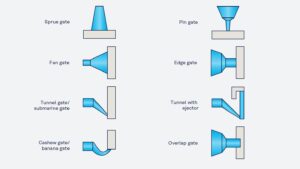
ประเภทของประตูฉีดขึ้นรูปพลาสติก: การเลือก หลักการออกแบบ ข้อดี และการใช้งาน
การออกแบบเกตเป็นหนึ่งในแง่มุมที่สำคัญที่สุดของวิศวกรรมแม่พิมพ์ฉีดพลาสติก แม้ว่าเกตมักจะเป็นส่วนประกอบที่เล็กที่สุดในระบบรันเนอร์ แต่ก็มีอิทธิพลอย่างมากต่อการไหลของพลาสติกหลอมเหลว แรงดันอัด ประสิทธิภาพการหล่อเย็น ความ วามงามของชิ้นงาน เวลาในรอบการผลิต และคุณภาพโดยรวมของผลิตภัณฑ์.
ประตูฉีดที่ออกแบบมาไม่ดีอาจทำให้เกิดข้อบกพร่องในการขึ้นรูปจำนวนมาก รวมถึงรอยเติมไม่เต็ม รอยยุบ แนวประสาน รอยเจ็ทติ้ง รอยไหม้ ติ่งประตูฉีดที่,มากเกินไป และการบิดงอของชิ้นงาน ในทางกลับกัน การเลือกประเภทและตำแหน่งของประตูฉีดที่เหมาะสมจะช่วยให้มั่นใจได้ถึงการไหลเติมที่สมดุล ความแม่นยำด้านมิติที่สม่ำเสมอ และการผลิตที่มีประสิทธิภาพ.
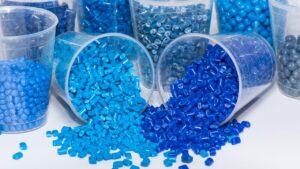
วัสดุโพลีโพรพีลีน (PP): ประเภท เกรด คุณสมบัติ และการใช้งาน
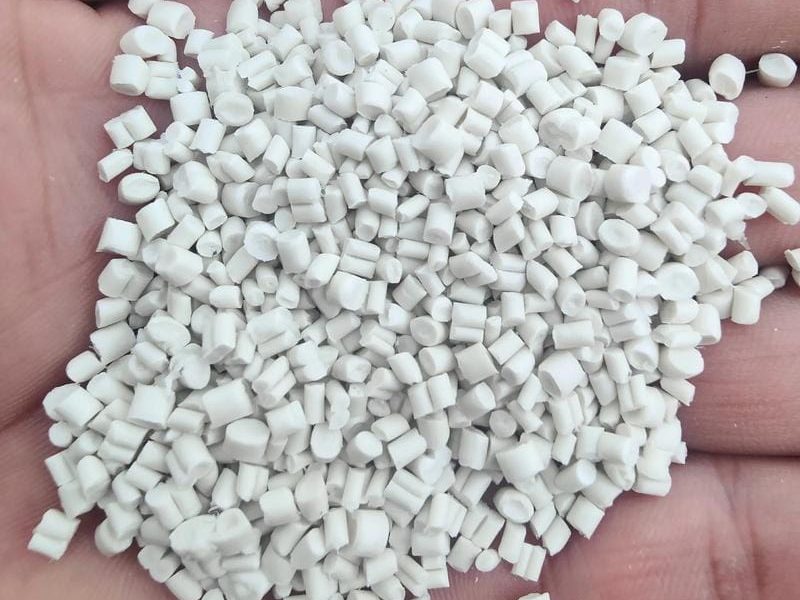
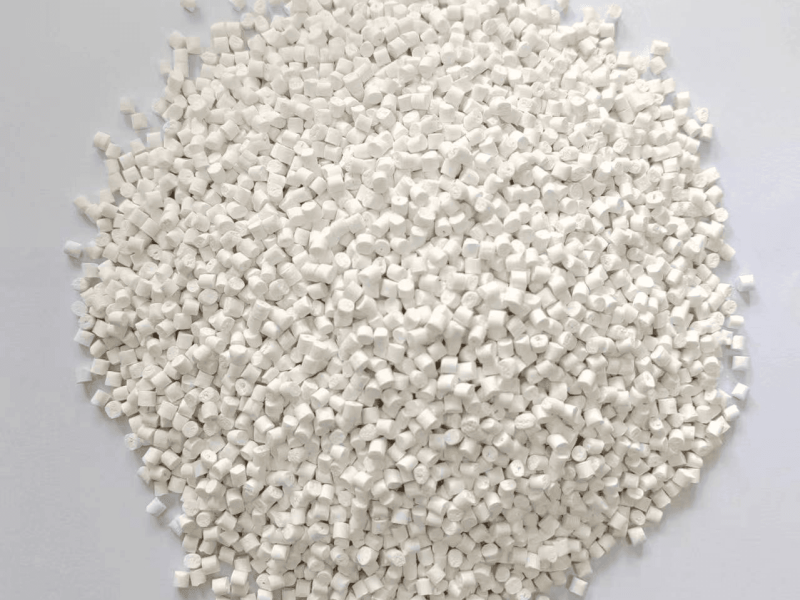
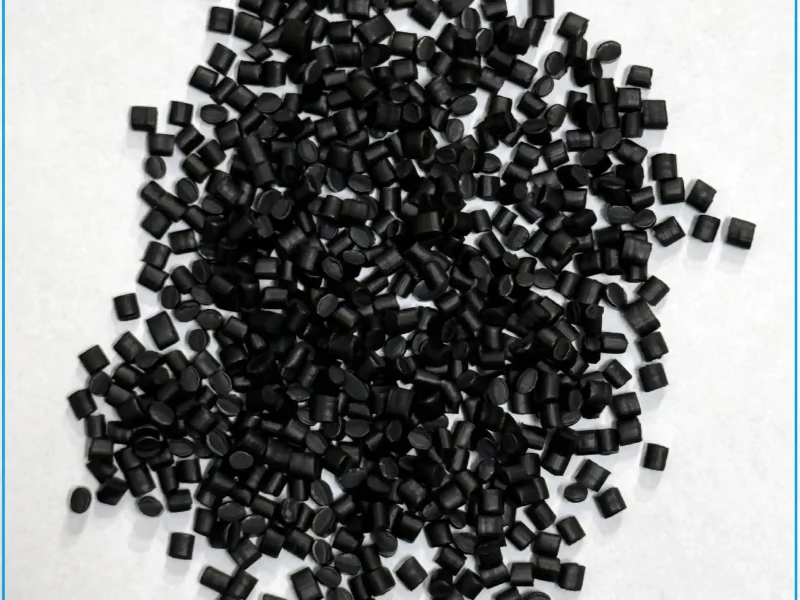
โพลีโพรพีลีน (PP) เป็นหนึ่งในเทอร์โมพลาสติกที่มีการใช้งานมากที่สุดในโลก โดยคิดเป็นสัดส่วนสำคัญของการผลิตพลาสติกทั่วโลก ด้วยความสมดุลที่ยอดเยี่ยมของสมบัติเชิงกล ความทนทานต่อสารเคมี ลักษณะที่มีน้ำหนักเบา และความคุ้มค่าด้านต้นทุน ทำให้ PP กลายเป็นวัสดุที่ได้รับความนิยมสำหรับผลิตภัณฑ์ขึ้นรูปด้วยการฉีดนับไม่ถ้วนในอุตสาหกรรมยานยนต์ ของEใช้ในครัวเรือน การแพทย์ บรรจุภัณฑ์ เครื่องใช้ไฟฟ้า และงานอุตสาหกรรม.
โพลีโพรพีลีนสมัยใหม่มีจำหน่ายในเกรดและสูตรที่หลากหลาย ผู้ผลิตสามารถเลือกใช้โฮโมพอลิเมอร์ PP, แรนดอมโคพอลิเมอร์ PP, อิมแพคโคพอลิเมอร์ PP, PP เสริมใยแก้ว, PP ผสมแร่, PP หน่วงไฟ, PP ทนรังสียูวี และ PP เกรดอาหาร ขึ้นอยู่กับความต้องการของผลิตภัณฑ์.
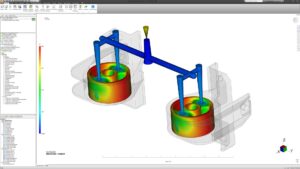
การวิเคราะห์การไหลของแม่พิมพ์ฉีดพลาสติก: คู่มือฉบับสมบูรณ์สำหรับการจำลองโมลด์โฟลสำหรับชิ้นส่วนพลาสติก
ในการพัฒนาผลิตภัณฑ์พลาสติกสมัยใหม่ การผลิตแม่พิมพ์ไม่ได้อาศัยเพียงแค่ประสบการณ์ทางวิศวกรรมอีกต่อไป วิศวกรรมโดยใช้คอมพิวเตอร์เป็นสื่อ (CAE) ได้กลายเป็นส่วนสำคัญของกระบวนการฉีดขึ้นรูป ซึ่งช่วยให้วิศวกรสามารถคาดการณ์ข้อบกพร่องในการขึ้นรูปที่อาจเกิดขึ้นได้ก่อนที่จะมีการผลิตแม่พิมพ์ขึ้นมา ในบรรดาเทคโนโลยีเหล่านี้ การวิเคราะห์การไหลของแม่พิมพ์ฉีด ซึ่งมักเรียกว่า การวิเคราะห์ Moldflow เป็นหนึ่งในเครื่องมือทางวิศวกรรมที่มีคุณค่ามากที่สุดในการช่วยลดความเสี่ยงในการพัฒนา ย่นระยะเวลาดำเนินการ และปรับปรุงคุณภาพของชิ้นงาน.