
การฉีดขึ้นรูปพลาสติกสำหรับใช้ในครัวเรือน: การใช้งาน, วัสดุ, การออกแบบแม่พิมพ์, และโซลูชันการผลิต
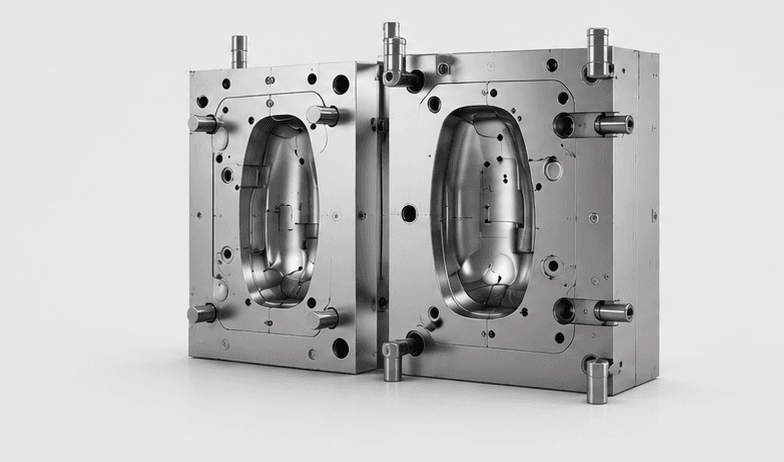
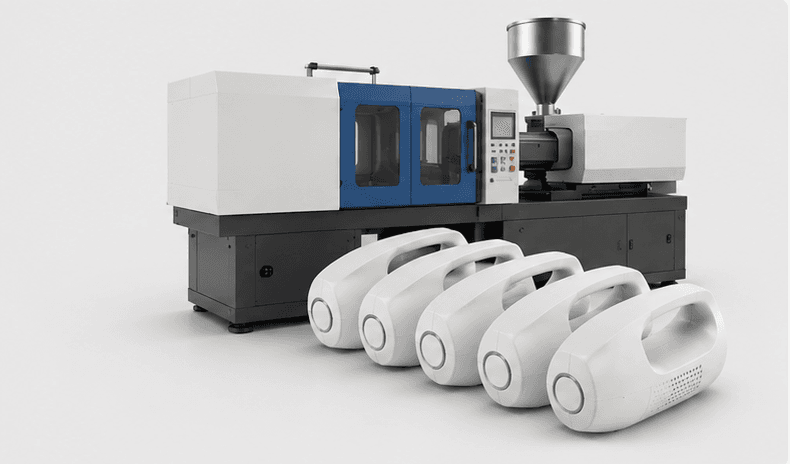
บทนำ
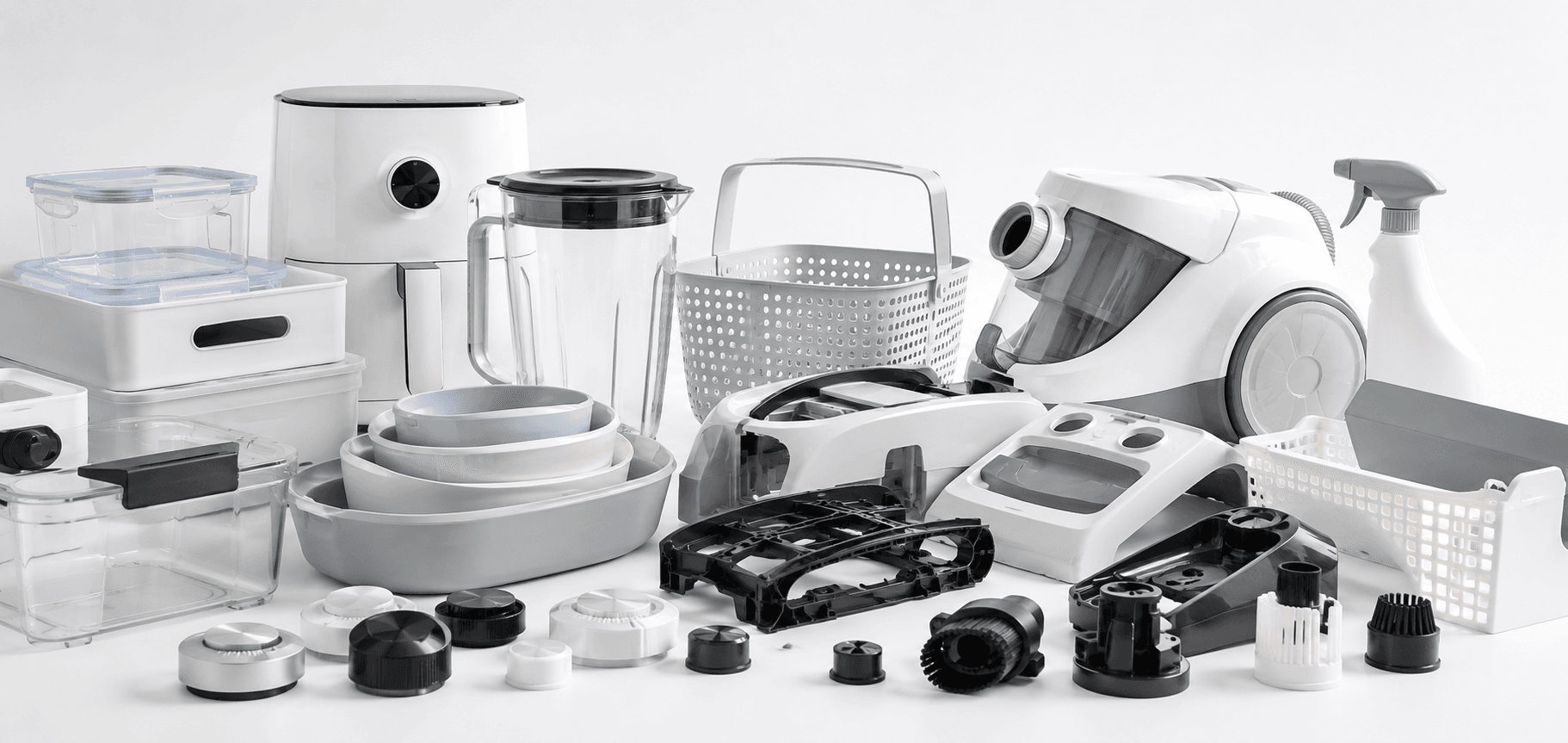
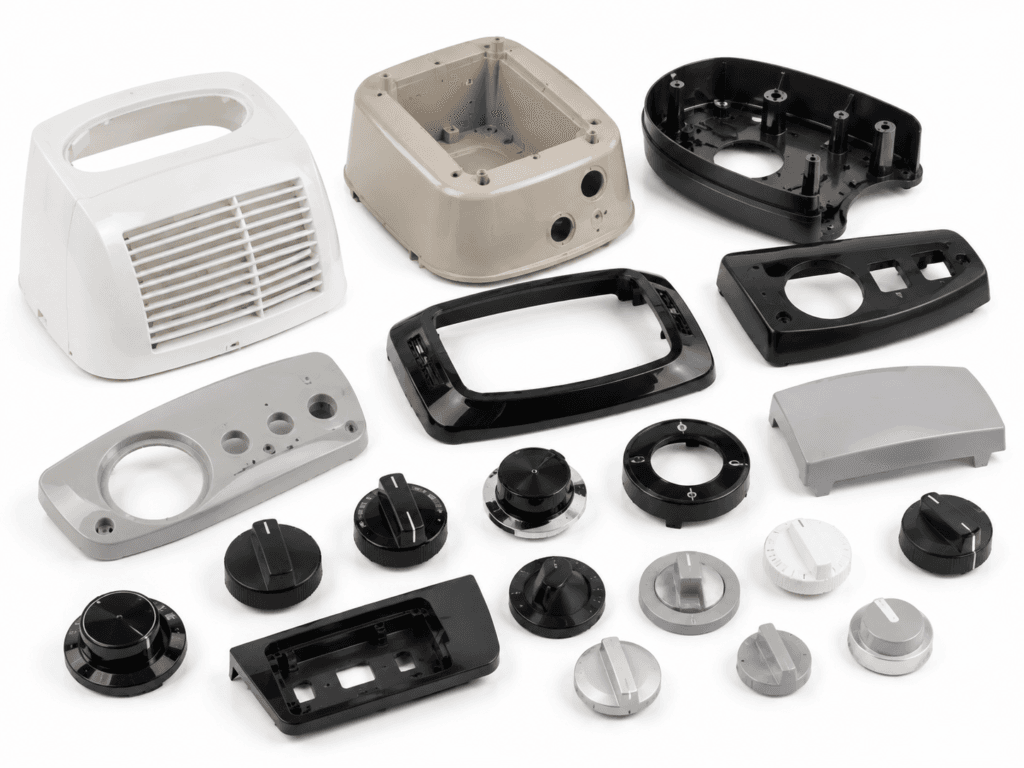
การฉีดขึ้นรูปพลาสติก เป็นหนึ่งในกระบวนการผลิตที่สำคัญที่สุดที่ใช้ในอุตสาหกรรมผลิตภัณฑ์ในครัวเรือน ตั้งแต่อุปกรณ์ในครัวและภาชนะเก็บของ ไปจนถึงผลิตภัณฑ์ทำความสะอาด อุปกรณ์ในห้องน้ำ ส่วนประกอบเฟอร์นิเจอร์ และตัว I-เครื่องใช้ไฟฟ้า พลาสติกขึ้นรูปด้วยการฉีดมีอยู่เกือบทุกบ้านในยุค modern.
กระบวนการนี้มีความเหมาะสมเป็นพิเศษสำหรับผลิตภัณฑ์ในครัวเรือน เนื่องจากผู้ผลิตมักต้องการปริมาณการผลิตสูง ขนาดที่สม่ำเสมอ พื้นผิวที่สวยงาม เรขาคณิตที่ซับซ้อน และต้นทุนต่อหน่วยที่แข่งขันได้ การฉีดขึ้นรูปยังช่วยให้สามารถรวมฟังก์ชันต่างๆ เช่น ซี่โครง คลิป บอสสกรู ด้ามจับ บานพับ คุณสมบัติการซีล และลวดลายตกแต่ง เข้าไว้ในชิ้นส่วนที่ขึ้นรูปได้โดยตรง.
ผู้ผลิตเม็ดพลาสติกวิศวกรรมรายใหญ่ระบุอย่างเจาะจงว่า เครื่องใช้ไฟฟ้าภายในบ้านทั้งขนาดใหญ่และขนาดเล็ก ภาชนะใส่อาหารและเครื่องดื่ม เฟอร์นิเจอร์ เครื่องครัว และสินค้าในครัวเรือนอื่นๆ เป็นการใช้งานที่สำคัญสำหรับเทอร์โมพลาสติก.
อย่างไรก็ตาม การฉีดขึ้นรูปพลาสติกภายในครัวเรือนให้ประสบความสำเร็จนั้น ต้องคำนึงถึงมากกว่าการเลือกพลาสติกราคาประหยัด ประสิทธิภาพของวัสดุ รูปลักษณ์ ข้อกำหนดการสัมผัสดาอาหาร ความทนทานต่อความร้อน ความปลอดภัยทางไฟฟ้า การออกแบบแม่พิมพ์ การประกอบ และความทนทานในระยะยาว ล้วนต้องได้รับการพิจารณาทั้งสิ้นในระหว่างการพัฒนาผลิตภัณฑ์.
1. ชิ้นส่วนขึ้นรูปด้วยการฉีดพลาสติกในเครื่องใช้ไฟฟ้าภายในบ้าน
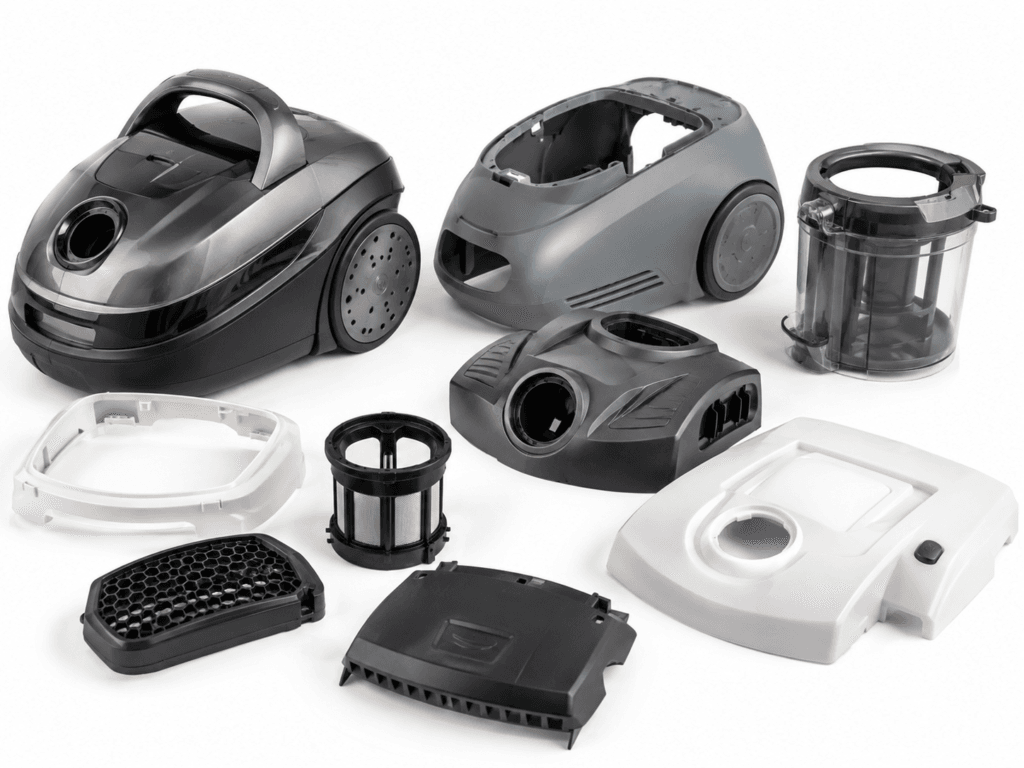
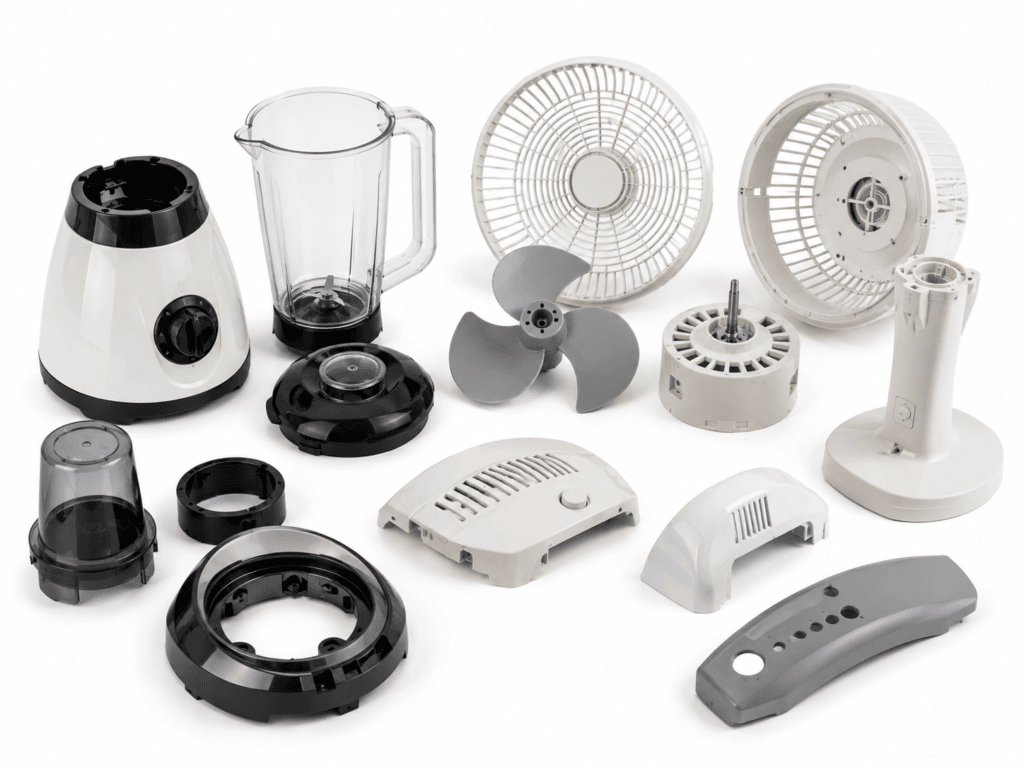
เครื่องใช้ไฟฟ้าภายในบ้านทั้งขนาดใหญ่และขนาดเล็กประกอบด้วยชิ้นส่วนพลาสติกขึ้นรูปด้วยการฉีดจำนวนมาก.
การใช้งานทั่วไปประกอบด้วย:
- ตัวเครื่องดูดฝุ่น
- ส่วนประกอบของเครื่องชงกาแฟ
- ตัวเครื่องกาต้มน้ำไฟฟ้า
- ฐานเครื่องปั่น
- ใบพัดลมและตะแกรงครอบ
- ส่วนประกอบของเครื่องซักผ้า
- ชิ้นส่วนภายในตู้เย็น
- ตัวเครื่องฟอกอากาศ
- ปุ่มควบคุม
- ตัวเรือนสวิตช์
- วงเล็บด้านใน
พลาสติกวิศวกรรมมีคุณค่าเนื่องจากสามารถผสมผสานโครงสร้างที่มีน้ำหนักเบา ฉนวนไฟฟ้า ความเสถียรของมิติ รูปลักษณ์ และความยืดหยุ่นในการออกแบบเข้าด้วยกัน ทั้ง SABIC และ Celanese ระบุว่าเครื่องใช้ในบ้านและในครัวเป็นการใช้งานที่เป็นที่ยอมรับสำหรับเทอร์โมพลาสติกเชิงวิศวกรรม.
สำหรับเครื่องใช้ไฟฟ้าภายในบ้าน ต้องคำนึงถึงข้อกำหนดด้านความปลอดภัยด้วย ตระกูลมาตรฐาน IEC 60335 ครอบคลุมถึงความปลอดภัยของเครื่องใช้ไฟฟ้าภายในบ้านและเครื่องใช้ไฟฟ้าที่คล้ายกัน โดยมีส่วนเฉพาะที่ครอบคลุมประเภทอุปกรณ์ที่แตกต่างกัน.
แอปพลิเคชันเครื่องใช้ภายในบ้าน
| ส่วนประกอบ | ข้อกำหนดหลัก | วัสดุที่มีศักยภาพ |
|---|---|---|
| ตัวเครื่องใช้ไฟฟ้า | รูปลักษณ์ + ความต้านทานแรงกระแทก | ABS / PC+ABS |
| ขายึดด้านใน | ความแข็งแรง + ความเสถียรของมิติ | PA-GF |
| ตัวเรือนสวิตช์ | ฉนวนไฟฟ้า | PBT / PC |
| ส่วนประกอบพัดลม | แข็งแกร่ง + น้ำหนักเบา | PP / PA |
| ปุ่มควบคุม | รูปลักษณ์ภายนอกและความแม่นยำด้านมิติ | ABS / POM |
2. เครื่องครัวและผลิตภัณฑ์พลาสติกที่สัมผัสอาหาร
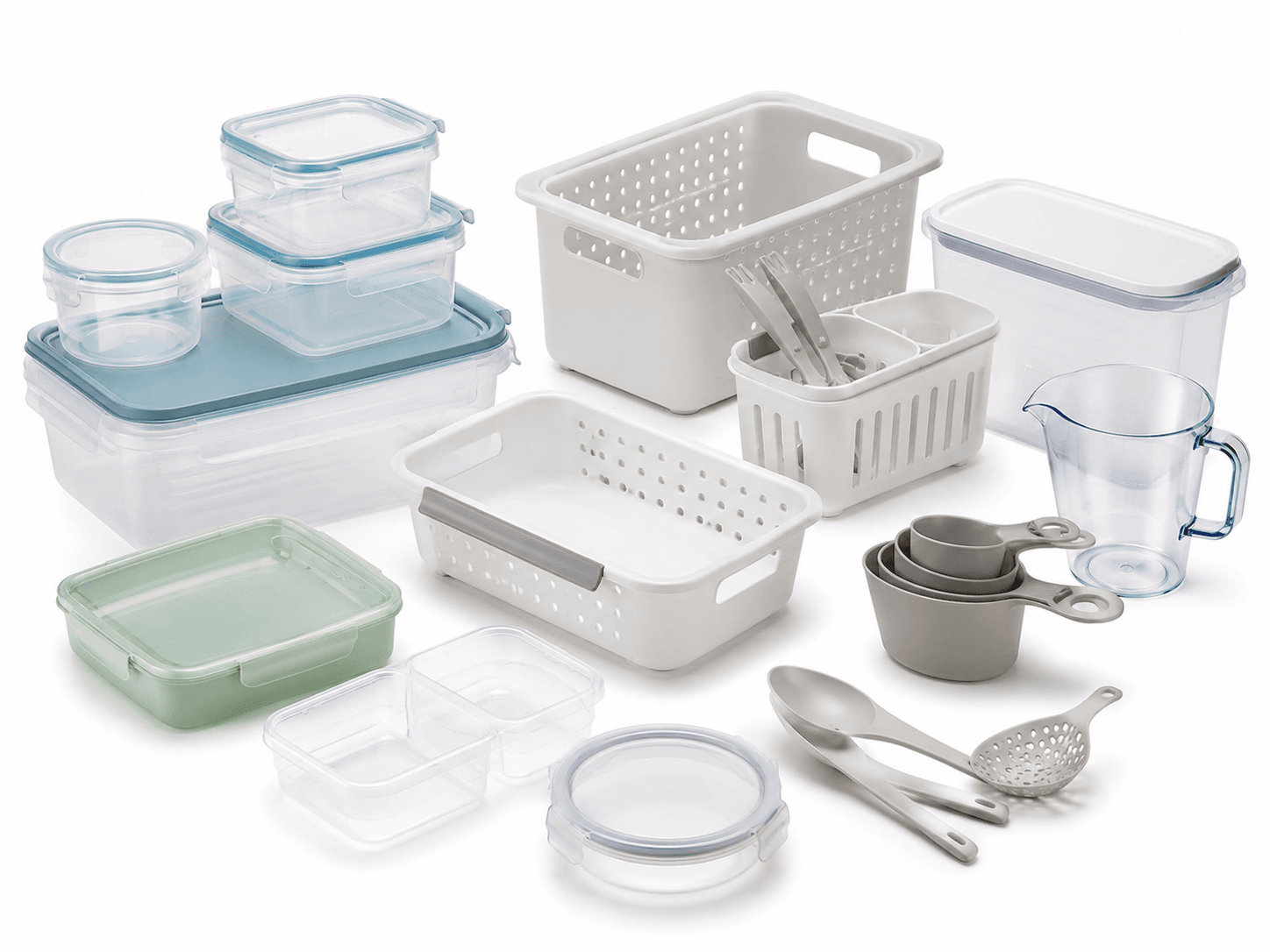
เครื่องครัวเป็นอีกหนึ่งการใช้งานหลักของการฉีดขึ้นรูป.
ผลิตภัณฑ์ขึ้นรูปทั่วไป ได้แก่:
- ภาชนะเก็บอาหาร
- ถ้วยตวง
- ที่จัดระเบียบในครัว
- ด้ามจับเครื่องครัว
- กล่องใช้ซ้ำได้
- ถาดจัดเก็บในตู้เย็น
- ส่วนประกอบของเครื่องชงกาแฟ
- อุปกรณ์เตรียมอาหาร
การเลือกใช้วัสดุมีความสำคัญเป็นพิเศษเมื่อผลิตภัณฑ์สำเร็จรูปต้องสัมผัสกับอาหารโดยตรง.
ในสหรัฐอเมริกา กฎระเบียบของ FDA ครอบคลุมถึงสารที่ใช้ในบรรจุภัณฑ์อาหาร เครื่องครัว พื้นผิวที่เตรียมอาหาร อุปกรณ์แปรรูป และการใช้งานอื่นๆ ที่วัสดุสัมผัสกับอาหาร การอนุญาตให้ใช้ขึ้นอยู่กับสารเฉพาะและเงื่อนไขของการใช้งาน.
ในทำนองเดียวกัน วัสดุที่สัมผัสกับอาหารของสหภาพยุโรปอยู่ภายใต้กรอบข้อบังคับที่มีวัตถุประสงค์เพื่อควบคุมการแพร่กระจายของสารเข้าไปในอาหาร โดยมีข้อกำหนดเฉพาะเจาะจงที่ใช้กับวัสดุที่สัมผัสกับอาหารที่เป็นพลาสติก.
พลาสติก PP มักถูกนำมาพิจารณาใช้สำหรับภาชนะบรรจุอาหารในครัวเรือนหลายชนิด เนื่องจากมีคุณสมบัติเด่นในด้านความง่ายในการขึ้นรูป ความทนทานต่อสารเคมี และต้นทุนที่เหมาะสม ในขณะที่การใช้งานอื่นๆ อาจต้องใช้วัสดุวิศวกรรมที่มีความใสหรือทนความร้อนได้สูงกว่า.
3. ผลิตภัณฑ์จัดเก็บและจัดระเบียบ
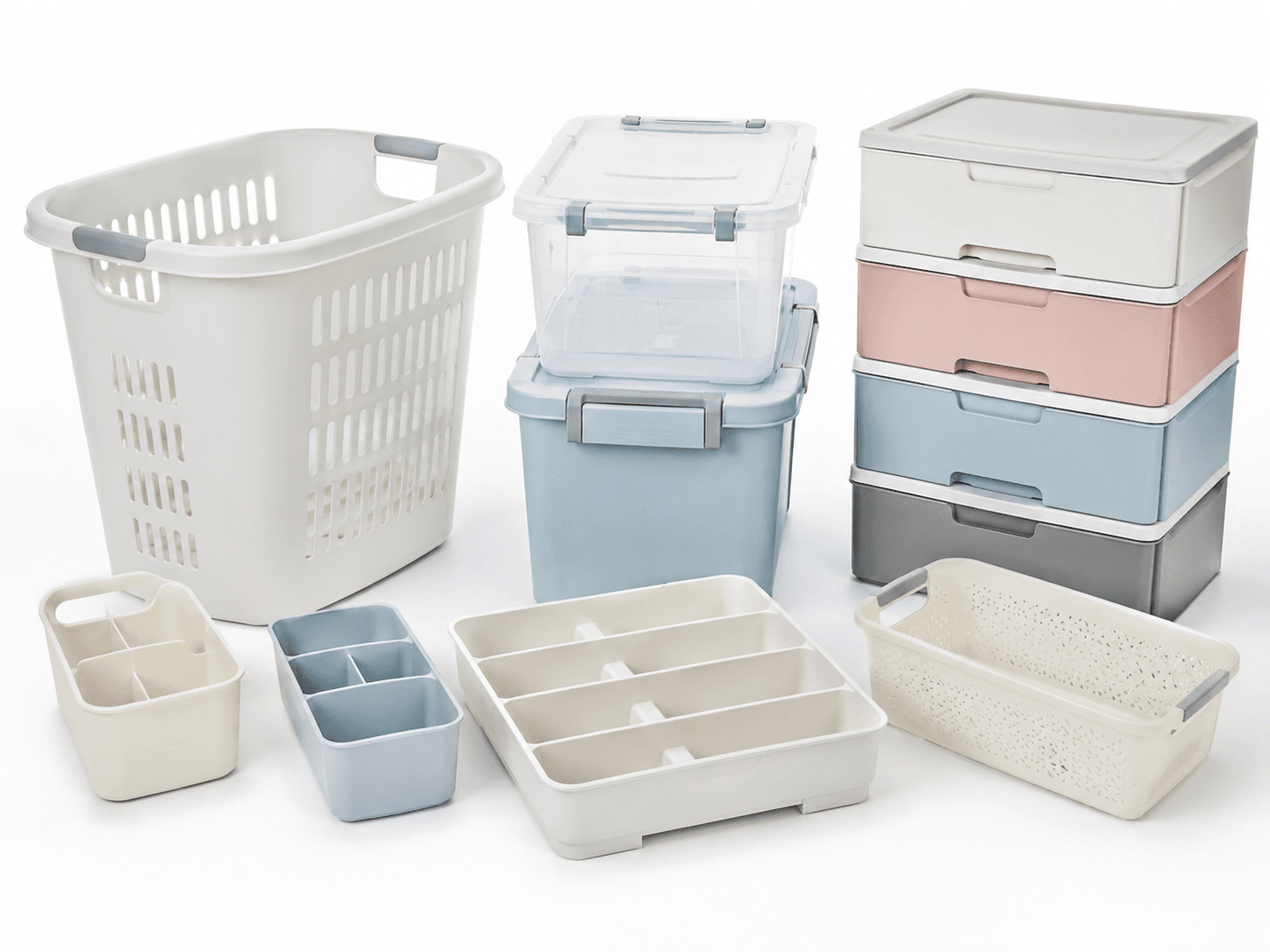
ผลิตภัณฑ์จัดเก็บมักผลิตในปริมาณที่สูงมาก และอาจมีตั้งแต่ ภาชนะจัดเก็บขนาดเล็ก ไปจนถึงกล่องพลาสติกขนาดค่อนข้างใหญ่.
การใช้งานทั่วไปประกอบด้วย:
- กล่องเก็บของ
- ที่จัดระเบียบลิ้นชัก
- ที่จัดระเบียบเสื้อผ้า
- ตะกร้าผ้า
- ภาชนะใช้งานอเนกประสงค์
- อุปกรณ์เสริมสำหรับชั้นวาง
- ที่จัดระเบียบเครื่องมือ
- ถังขยะในครัวเรือน
ผลิตภัณฑ์เหล่านี้อาจดูเรียบง่าย แต่ชิ้นส่วนขึ้นรูปด้วยการฉีดขนาดใหญ่อาจสร้างความท้าทายทางวิศวกรรมที่สำคัญได้.
ผนังแบนยาวมีแนวโน้มที่จะเกิดการโก่งงอได้ง่ายเป้นพิเศษ ซี่โครงขนาดใหญ่อาจทำให้เกิดรอยยุบ ในขณะที่ความแข็งไม่เพียงพออาจทำให้ภาชนะรู้สึกว่าไม่แข็งแรงหรือดูราคาถูก.
นักออกแบบมักใช้โครงสร้างแบบครีบ ขอบม้วน รัศมีมุม และรูปทรงเรขาคณิตเชิงโครงสร้าง เพื่อเพิ่มความแข็งเกร็งโดยไม่ต้องเพิ่มความหนาของผนังเพียงอย่างเดียว.
ข้อควรพิจารณาในการออกแบบโครงสร้าง
| คุณลักษณะการออกแบบ | วัตถุประสงค์ทางวิศวกรรม |
| ริบ เน็ตเวิร์ก | เพิ่มความแข็ง |
| มุมโค้งมน | ลดการกระจุกตัวของความเค้น |
| ความหนาของผนังเท่ากัน | ลดรอยยุบและอาการบิดงอ |
| มุมถอดแบบ | ปรับปรุงการถอดแบบแม่พิมพ์ |
| เรขาคณิตที่ซ้อนกันได้ | ปรับปรุงประสิทธิภาพการจัดเก็บข้อมูล |
| ด้ามจับเสริมความแข็งแรง | เพิ่มความสามารถในการรับน้ำหนัก |
ผลิตภัณฑ์ทำความสะอาดและซักรีด
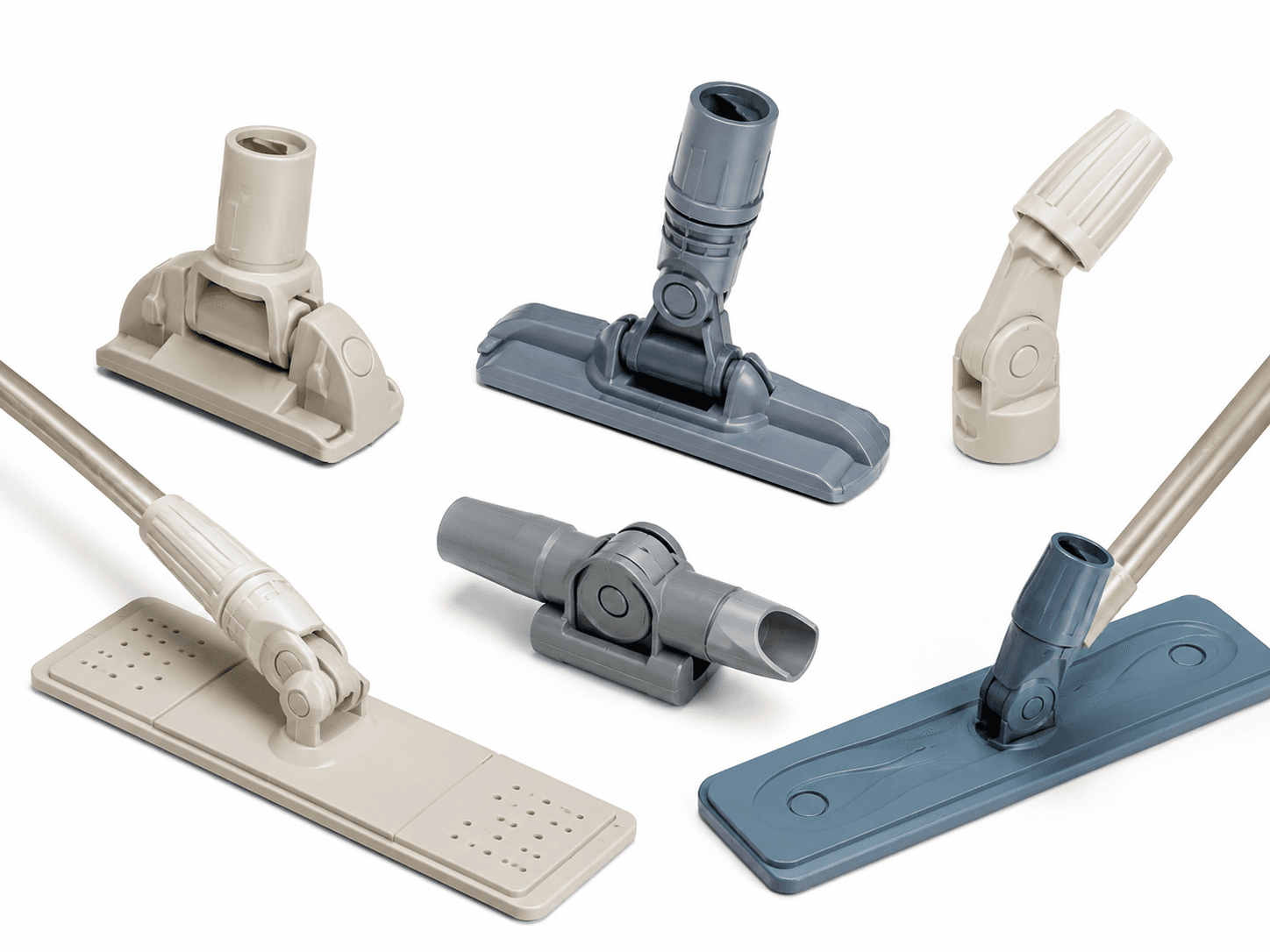
การฉีดขึ้นรูปถูกนำมาใช้อย่างแพร่หลายสำหรับผลิตภัณฑ์ทำความสะอาดและผลิตภัณฑ์ซักรีด เนื่องจากชิ้นส่วนเหล่านี้มักต้องการความทนทานต่อสารเคมีที่ดี ความเหนียว และการผลิตจำนวนมากที่มีความคุ้มค่าทางเศรษฐกิจ.
การใช้งานประกอบด้วย:
- ชิ้นส่วนของไม้ถูพื้น
- หูถัง
- ตัวเรือนแปรงถ่าน
- ส่วนประกอบของขวดสเปรย์
- ทำความสะอาดข้อต่อเครื่องมือ
- อุปกรณ์เสริมเครื่องดูดฝุ่น
- อุปกรณ์ซักผ้า
- ชิ้นส่วนจ่ายผงซักฟอก
ผลิตภัณฑ์เหล่านี้อาจสัมผัสกับผงซักฟอก สารทำความสะอาด น้ำ และสารเคมีในครัวเรือนซ้ำแล้วซ้ำอีก.
จึงต้องประเมินความเข้ากันได้ของวัสดุกับสารเคมีจริงที่จะใช้ในการใช้งานจริง การแตกร้าวจากความเค้นสามารถเกิดขึ้นได้เมื่อโพลิเมอร์ที่มีสมบัติเชิงกลที่ดีเยี่ยมต้องสัมผัสกับสารเคมีที่ไม่เข้ากันภายใต้แรงกดดัน.
การเชื่อมต่อแบบสแนปฟิต หน้าสัมผัสแบบเกลียว และพื้นที่จับแบบนุ่มที่ขึ้นรูปทับซ้อนกัน ก็พบได้ทั่วไปในผลิตภัณฑ์ทำความสะอาดเช่นกัน.
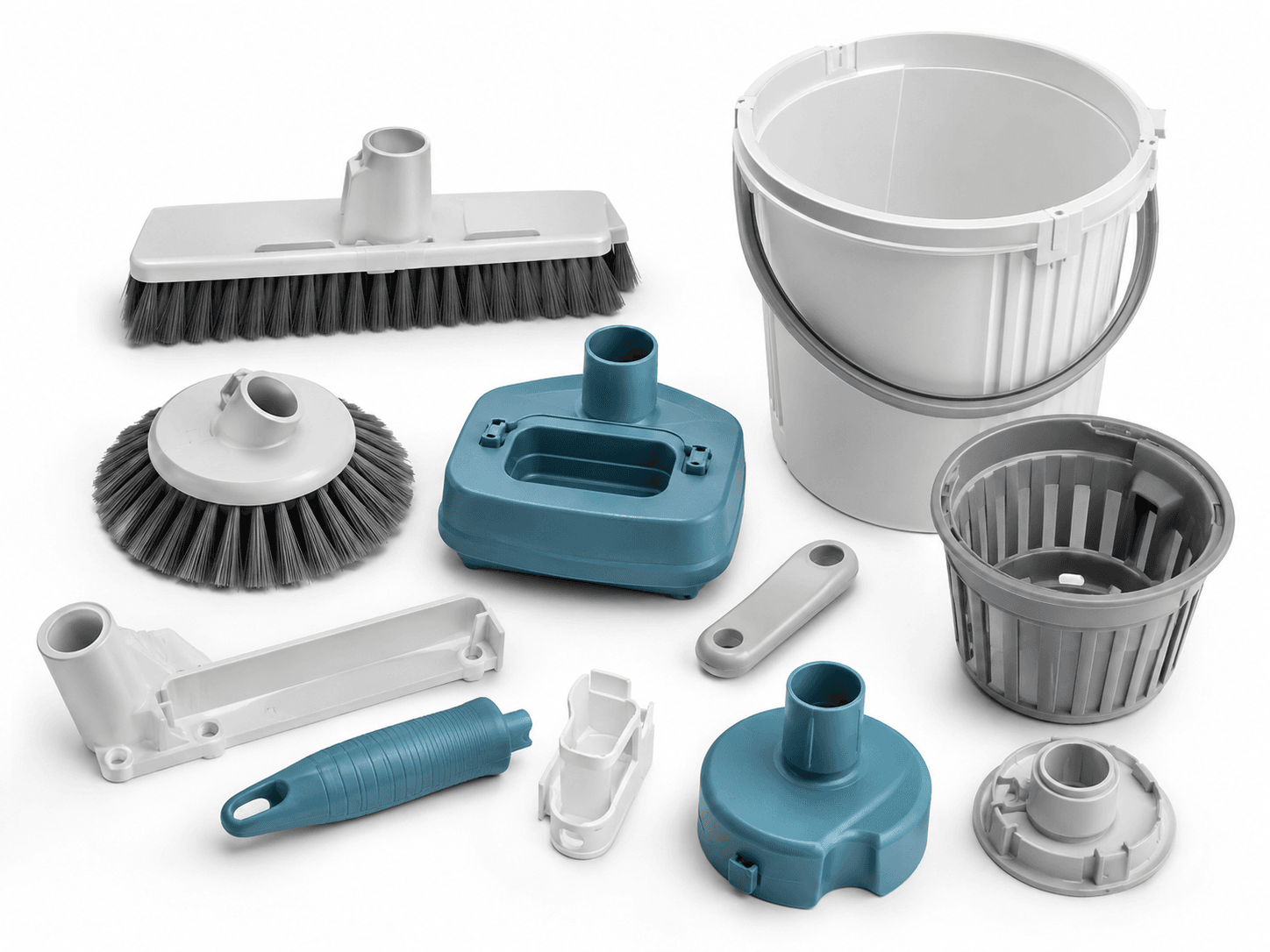
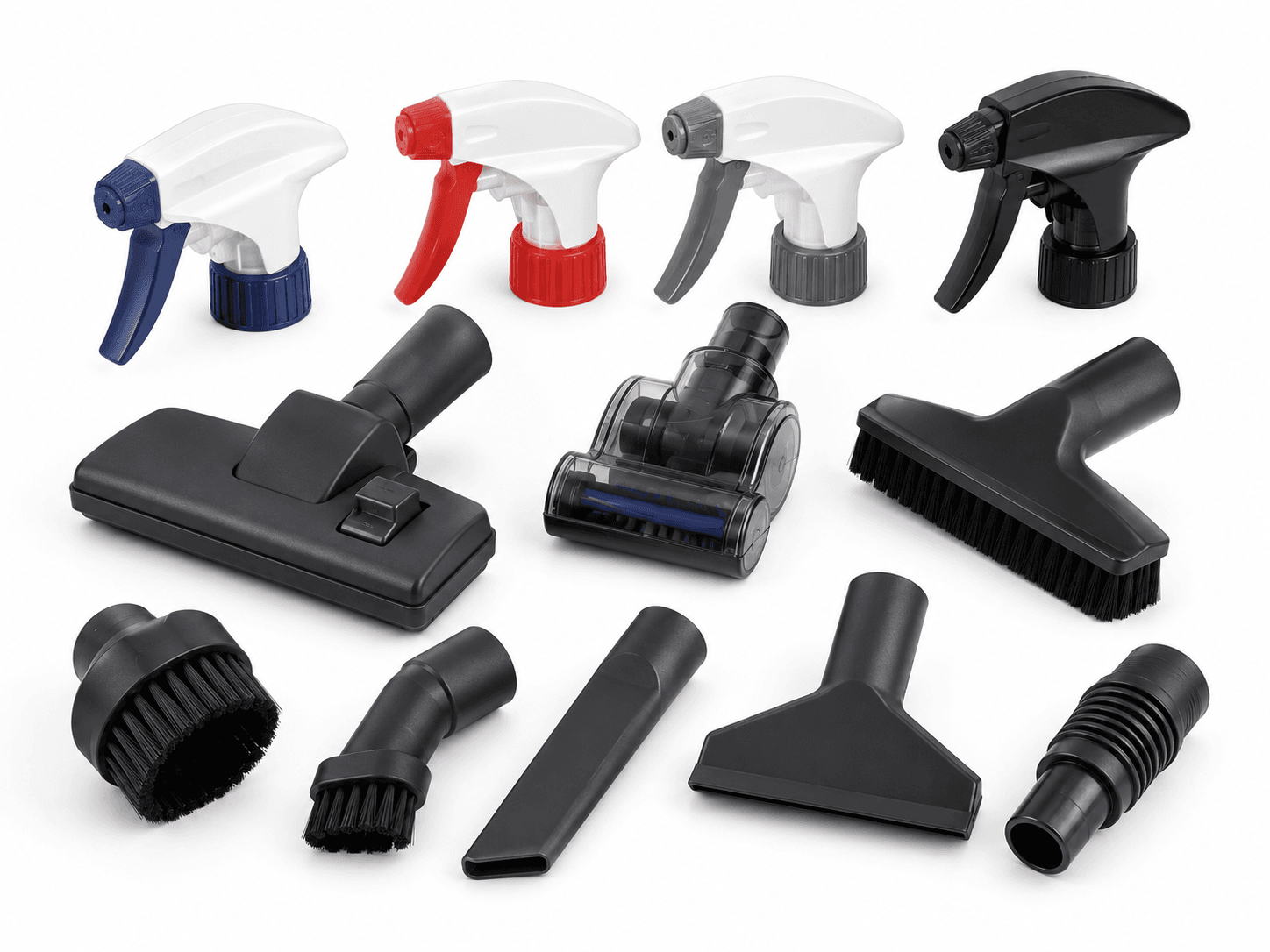
5. อุปกรณ์ห้องน้ำและเครื่องใช้ในครัวเรือน
ห้องน้ำและพื้นที่อเนกประสงค์ประกอบด้วยผลิตภัณฑ์ขึ้นรูปด้วยการฉีดจำนวนมากที่ต้องเผชิญกับความชื้น น้ำ สารเคมีทำความสะอาด และการหยิบจับบ่อยครั้ง.
ตัวอย่างเช่น
- ตัวจ่ายสบู่เหลว
- ที่ใส่แปรงสีฟัน
- อุปกรณ์อาบน้ำ
- ส่วนประกอบของท่อระบายน้ำ
- ฮุกยูทิลิตี้
- ที่จัดระเบียบในห้องน้ำ
- อุปกรณ์ในห้องน้ำ
- ตัวเรือนควบคุมน้ำ
ชิ้นส่วนเหล่านี้มักต้องการพื้นผิวที่เรียบเนียนและทำความสะอาดได้ง่าย พร้อมทั้งต้องทนทานต่อความชื้นและสารเคมีทำความสะอาดด้วย.
สำหรับผลิตภัณฑ์ห้องน้ำที่มองเห็นได้ คุณภาพพื้นผิวอาจมีความสำคัญไม่แพ้ประสิทธิภาพทางโครงสร้าง การขัดเงาแม่พิมพ์ระดับสูง พื้นผิวแบบด้าน การจับคู่สี และลวดลายตกแต่งที่ขึ้นรูปมาด้วย ล้วนสามารถนำมาใช้เพื่อให้ได้รูปลักษณ์ที่ต้องการโดยไม่ต้องผ่านกระบวนการตกแต่งขั้นที่สองเพิ่มเติม.
6. การคัดเลือกวัสดุสำหรับการฉีดขึ้นรูปในครัวเรือน
ผลิตภัณฑ์ในครัวเรือนครอบคลุมการใช้งานที่หลากหลายมากจนไม่มีพอลิเมอร์เพียงชนิดเดียวที่เหมาะสมกับทุกชิ้นส่วน.
วัสดุที่เป็นตัวเลือกทั่วไปประกอบด้วย:
| วัสดุ | ลักษณะสำคัญ | การใช้งานในครัวเรือนทั่วไป |
| พีพี | ทนทานต่อสารเคมี, ประหยัดค่าใช้จ่าย | ที่จัดเก็บสินค้า, เครื่องครัว, ผลิตภัณฑ์ทำความสะอาด |
| เอบีเอส | รูปลักษณ์ภายนอกที่ดีและความเหนียวแน่น | โครงเครื่องใช้ไฟฟ้า |
| พีซี/เอบีเอส | ทนต่อแรงกระแทก + ความเสถียรของมิติ | ตัวเรือนเครื่องใช้ไฟฟ้าระดับพรีเมียม |
| พีซี | ประสิทธิภาพสูงและส่งผลกระทบอย่างมาก | ส่วนประกอบใสที่ทนทาน |
| ปอม | แรงเสียดทานต่ำ ทนทานต่อการสึกหรอ | เฟืองและกลไก |
| PA-GF | ความแข็งแรงและความแข็งเกร็ง | ชิ้นส่วนโครงสร้างเครื่องใช้ไฟฟ้า |
| PBT | สมบัติทางไฟฟ้า, ความเสถียรของมิติ | สวิตช์และอุปกรณ์ไฟฟ้า |
| ทีพีอี | สัมผัสนุ่มและยืดหยุ่น | มือจับและซีล |
ผู้จำหน่ายวัสดุวิศวกรรมมีพลาสติก ABS, PBT และเทอร์โมพลาสติกอื่น ๆ โดยเฉพาะสำหรับการใช้งานด้านเครื่องใช้ไฟฟ้าและอิเล็กทรอนิกส์ โดยการเลือกใช้วัสดุจะขึ้นอยู่กับข้อกำหนดด้านประสิทธิภาพ.
การเลือกใช้วัสดุควรพิจารณาถึงสภาพแวดล้อมการทำงานทั้งหมด ซึ่งรวมถึงอุณหภูมิ แรงกระแทก การสัมผัสสารเคมี การสัมผัสอาหาร ข้อกำหนดทางไฟฟ้า รูปลักษณ์ และอายุการใช้งานของผลิตภัณฑ์ที่คาดหวัง.
7. การฉีดขึ้นรูปทับซ้อนและผลิตภัณฑ์ของใช้ในครัวเรือนแบบสัมผัสนุ่ม
ผลิตภัณฑ์ในครัวเรือนระดับพรีเมียมจำนวนมากใช้วัสดุมากกว่าหนึ่งชนิด.
การขึ้นรูปแบบ overmolding ด้วย TPE สามารถให้:
- ที่จับผิวสัมผัสนุ่ม
- การยึดเกาะที่ดีขึ้น
- การลดการสั่นสะเทือน
- การซีล
- การป้องกันการกระแทก
- ปรับปรุงรูปลักษณ์
ตัวอย่างทั่วไป ได้แก่ ด้ามจับอุปกรณ์ในครัว เครื่องมือทำความสะอาด ที่จับเครื่องใช้ไฟฟ้า ชิ้นส่วนแปรงสีฟัน และเครื่องมือชิ้นใช้ภายในบ้าน.
วัสดุซับสเตรตและวัสดุโอเวอร์โมลดิ้งต้องมีคุณสมบัติการยึดเกาะที่เหมาะสม การออกแบบแม่พิมพ์ยังต้องควบคุมตำแหน่งของวัสดุ พื้นผิวปิดกั้น (shut-off) และค่าความเผื่อทางมิติ เพื่อป้องกันครีบส่วนเกิน (flash) หรือการขึ้นรูปที่ไม่สมบูรณ์.
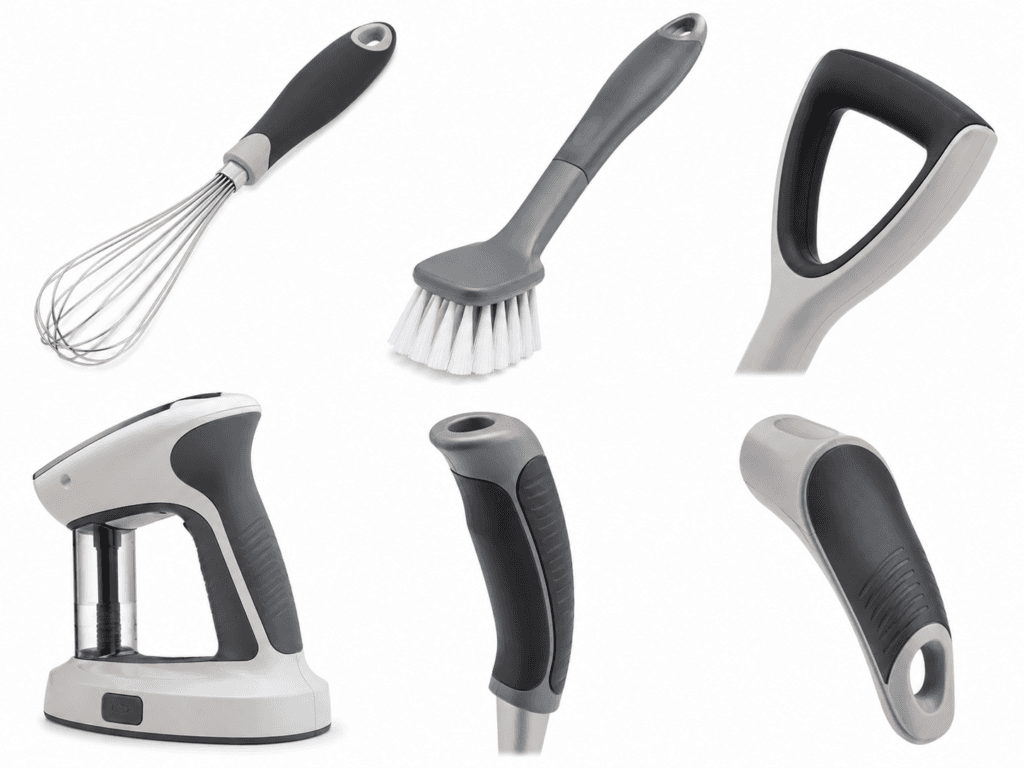
8. การออกแบบแม่พิมพ์สำหรับชิ้นส่วนพลาสติกในครัวเรือน
ผลิตภัณฑ์ของใช้ในครัวเรือน spesso มักมีเป้าหมายด้านต้นทุนที่เข้มงวด ซึ่งทำให้การออกแบบแม่พิมพ์ที่มีประสิทธิภาพมีความสำคัญเป็นพิเศษ.
ข้อควรพิจารณาหลัก ได้แก่:
แม่พิมพ์หลายโพรง
ชิ้นส่วนขนาดเล็ก เช่น คลิป ปุ่ม ฝาปิด และข้อต่อ มักจะใช้แม่พิมพ์แบบหลายโพรงเพื่อเพิ่มผลผลิต.
ระบบฮอตทัรเนอร์
สำหรับผลิตภัณฑ์ปริมาณมากที่เหมาะสม ฮ็อตสปรูสามารถลดของเสียจากสปรูและสนับสนุนการผลิตแบบอัตโนมัติได้.
การเพิ่มประสิทธิภาพการทำความเย็น
การทำความเย็นมักคิดเป็นสัดส่วนที่สำคัญของรอบการขึ้นรูป การทำความเย็นที่สมดุลช่วยลดเวลาในแต่ละรอบในขณะที่ควบคุมการหดตัวและการบิดงอ.
สไลด์และลิฟเตอร์
ผลิตภัณฑ์ในครัวเรือนอาจมีช่องเปิดด้านข้าง ขอเกี่ยวล็อก ที่จับ หรือชิ้นส่วนแบบล็อกประกบที่ต้องใช้กลไกอันเดอร์คัท.
พื้นผิววัสดุ
การขัดเงาและทำลวดลายแม่พิมพ์เป็นตัวกำหนดรูปลักษณ์ขั้นสุดท้ายของผลิตภัณฑ์ในครัวเรือนที่มองเห็นได้หลายชนิด.
9. ความต้านทานเปลวไฟและความปลอดภัยทางไฟฟ้า
ชิ้นส่วนพลาสติกที่ใช้ใกล้กับอุปกรณ์ไฟฟ้า ระบบทำความร้อน มอเตอร์ หรือแหล่งจ่ายไฟ อาจต้องมีการพิจารณาความปลอดภัยเพิ่มเติม.
มาตรฐาน UL 94 ถูกใช้อย่างแพร่หลายเพื่อระบุพฤติกรรมการติดไฟของวัสดุพลาสติกที่ใช้ในส่วนประกอบและชิ้นส่วนของอุปกรณ์และเครื่องใช้ไฟฟ้า สิ่งสำคัญคือ การจัดระดับนี้เกี่ยวข้องกับเงื่อนไขการทดสอบที่กำหนดและความหนาของวัสดุ จึงไม่ควรปฏิบัติเสมือนเป็นหลักประกันสากลสำหรับความปลอดภัยจากอัคคีภัยของผลิตภัณฑ์อย่างสมบูรณ์.
สำหรับเครื่องใช้ไฟฟ้าภายในบ้าน จะต้องพิจารณามาตรฐานผลิตภัณฑ์สำเร็จรูปที่เกี่ยวข้องควบคู่ไปกับคุณสมบัติของวัสดุ เรขาคณิตของชิ้นส่วน ระยะทางทางไฟฟ้า การสัมผัสความร้อน และสภาวะการทำงาน.
10. ข้อบกพร่องทั่วไปของการฉีดขึ้นรูปพลาสติกในครัวเรือน
ผลิตภัณฑ์ใช้ในครัวเรือนที่มีปริมาณการผลิตสูงจำเป็นต้องมีรูปลักษณ์และขนาดที่เสถียร.
| ข้อบกพร่อง | สาเหตุร่วม | โซลูชันทางวิศวกรรม |
| รอยยุบตัว | ความหนาเฉพาะที่มากเกินไป | ปรับแต่งครีบและดุมรับแรง |
| การโก่งตัว | การทำความเย็น/การหดตัวที่ไม่สม่ำเสมอ | ปรับปรุงระบบทำความเย็นและการบรรจุ |
| รอยประสาน | แนวหน้าของการไหลหลายแนวหน้า | เพิ่มประสิทธิภาพตำแหน่งประตู |
| แฟลช | การกำจัดเชื้อราหรือแรงดันสูง | ปรับปรุงเครื่องมือ/กระบวนการทำงาน |
| ช็อตสั้น | การบรรจุไม่เพียงพอ | เพิ่มประสิทธิภาพเส้นทางการไหล |
| รูปแบบสี | ความไม่สอดคล้องของวัสดุ/กระบวนการผลิต | ปรับปรุงการควบคุมวัสดุ |
| รอยบนพื้นผิว | เงื่อนไขแม่พิมพ์/กระบวนการผลิต | ปรับแต่งเครื่องมือให้เสร็จสมบูรณ์ |
การตรวจสอบ DFM และการจำลองการไหลของพลาสติก (mold-flow simulation) สามารถระบุความเสี่ยงเหล่านี้ได้มากมายก่อนที่จะมีการผลิตแม่พิมพ์.
11. การควบคุมคุณภาพสำหรับชิ้นส่วนพลาสติกในครัวเรือน
ผลิตภัณฑ์ของใช้ในครัวเรือนอาจมีราคาไม่แพงเมื่อซื้อแยกชิ้น แต่ปริมาณการผลิตนั้นสูงมาก ดังนั้น อัตราความบกพร่องเพียงเล็กน้อยจึงอาจทำให้เกิดต้นทุนค่าเศษวัสดุและค่าประกอบชิ้นส่วนจำนวนมากได้.
วิธีการตรวจสอบทั่วไป ได้แก่:
- การตรวจสอบมิติ
- การตรวจสอบพื้นผิวด้วยสายตา
- การเปรียบเทียบสี
- การทดสอบการประกอบ
- การทดสอบการตกกระแทก
- การทดสอบภาระงาน
- การทดสอบแรงบิด
- การทดสอบการรั่วไหล
- การทดสอบวัฏจักรการใช้งานเชิงหน้าที่
เครื่องใช้ไฟฟ้าอาจต้องมีการทดสอบความปลอดภัยเพิ่มเติมตามข้อกำหนดของตลาดและผลิตภัณฑ์ขั้นสุดท้ายที่เกี่ยวข้อง.
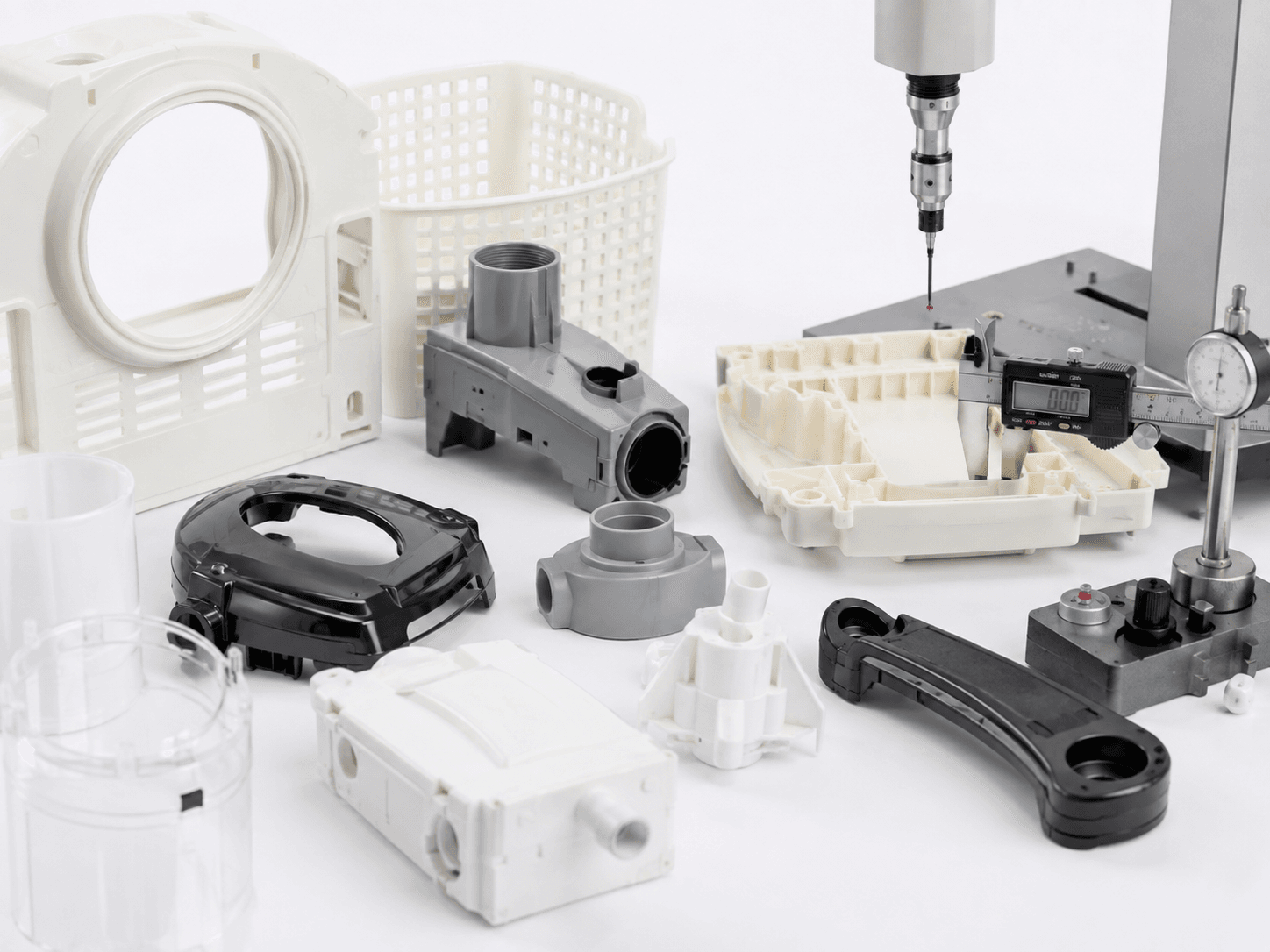
12. ความยั่งยืนและการออกแบบผลิตภัณฑ์ในครัวเรือน
ความยั่งยืนกำลังมีความเกี่ยวข้องมากขึ้นเรื่อยๆ กับการพัฒนาสินค้าภายในบ้านและเครื่องใช้ไฟฟ้า ผู้จัดหาวัสดุกำลังพัฒนาโซลูชันต่างๆ เกี่ยวกับการลดน้ำหนักวัสดุ การรวมชิ้นส่วนเข้าด้วยกัน การใช้วัสดุรีไซเคิล และการออกแบบเพื่อให้สามารถนำกลับมารีไซเคิลได้.
กลยุทธ์ที่ใช้ได้จริงอาจรวมถึง:
- การลดความหนาของผนังที่ไม่จำเป็น
- การออกแบบชิ้นส่วนให้น้อยลง
- การใช้โครงสร้างวัสดุเดี่ยวในจุดที่ทำได้จริง
- การเลือกเทอร์โมพลาสติกที่สามารถรีไซเคิลได้
- การลดของเสียจากทางวิ่งน้ำยาง
- การออกแบบผลิตภัณฑ์สำหรับการซ่อมแซมหรือการถอดประกอบ
- การประเมินวัสดุรีไซเคิลในกรณีที่ข้อกำหนดเอื้ออำนวย
สำหรับผลิตภัณฑ์ที่สัมผัสกับอาหาร วัสดุรีไซเคิลจำเป็นต้องมีการพิจารณาด้านกฎระเบียบเพิ่มเติม ตัวอย่างเช่น FDA มีแนวทางปฏิบัติเฉพาะเกี่ยวกับพลาสติกrecycledที่เสนอให้นำมาใช้ในงานสัมผัสอาหาร.
ทำไมต้องเลือกสามโกสำหรับการฉีดขึ้นรูปพลาสติกสำหรับใช้ในครัวเรือน
การผลิตสินค้าในครัวเรือนต้องอาศัยความสมดุลระหว่างรูปลักษณ์ ความทนทาน ประสิทธิภาพในการผลิต และต้นทุน.
Samgo รองรับโครงการผลิตภัณฑ์พลาสติกใช้ในครัวเรือนแบบกำหนดเอง ตั้งแต่วิศวกรรมผลิตภัณฑ์ไปจนถึงการทำแม่พิมพ์และการผลิตจำนวนมาก.
| ความสามารถ | ประโยชน์ที่ลูกค้าได้รับ |
| สนับสนุนการออกแบบผลิตภัณฑ์ | ปรับปรุงความสามารถในการผลิต |
| การวิเคราะห์เพื่อการผลิต (DFM) | ระบุความเสี่ยงด้านเครื่องมือตั้งแต่เนิ่นๆ |
| การวิเคราะห์การไหลของแม่พิมพ์ | เพิ่มประสิทธิภาพการไหลและการบิดงอ |
| การผลิตแม่พิมพ์ความละเอียดสูง | ขนาดของชิ้นส่วนที่เสถียร |
| แม่พิมพ์หลายโพรง | เพิ่มประสิทธิภาพการผลิต |
| การฉีดขึ้นรูปพลาสติก | การผลิตจำนวนมากอย่างสม่ำเสมอ |
| การตรวจสอบคุณภาพ | ตรวจสอบรูปลักษณ์และการทำงาน |
การใช้งานอาจรวมถึงตัวเครื่องใช้ไฟฟ้า เครื่องครัว ผลิตภัณฑ์จัดเก็บข้อมูล อุปกรณ์ทำความสะอาด ผลิตภัณฑ์ในห้องน้ำ ส่วนประกอบอเนกประสงค์ และชิ้นส่วนพลาสติกสำหรับใช้ในครัวเรือนตามสั่งอื่น ๆ.
คำถามที่พบบ่อย
พลาสติกชนิดใดที่นิยมใช้สำหรับงานฉีดขึ้นรูปในครัวเรือนทั่วไป
PP, ABS, PC/ABS, PC, POM, PA, PBT และ TPE เป็นวัสดุที่นิยมพิจารณาใช้อย่างแพร่广 วัสดุที่ถูกต้องเหมาะสมนั้นขึ้นอยู่กับความแข็งแรงทางกล อุณหภูมิ สารเคมี ข้อกำหนดทางไฟฟ้า ความงาม และข้อกำหนดทางกฎระเบียบ.
พลาสติกชนิดใดเหมาะสำหรับทำ1โครงเครื่องใช้ไฟฟ้า
ABS และ PC/ABS เป็นตัวเลือกทั่วไปเนื่องจากสามารถให้ความสวยงาม ความเหนียว และสมรรถนะด้านมิติที่ดี การใช้งานที่เกี่ยวข้องกับไฟฟ้าหรือความร้อนอาจต้องใช้เกรดพิเศษ.
ผลิตภัณฑ์ในครัวเรือนสามารถขึ้นรูปด้วยกระบวนการฉีดพลาสติกได้หรือไม่
ใช่ค่ะ/ครับ ภาชนะจัดเก็บ ผลิตภัณฑ์สำหรับตวง อุปกรณ์เสริมในครัว ส่วนประกอบของเครื่องใช้ไฟฟ้า และผลิตภัณฑ์ในครัวอื่นๆ อีกมากมาย ผลิตขึ้นด้วยกระบวนการฉีดขึ้นรูป จำเป็นต้องมีการประเมินการปฏิบัติตามข้อกำหนดการสัมผัสอาหารสำหรับตลาดเป้าหมาย.
สามารถขึ้นรูปด้ามจับยางนิ่มทับลงบนผลิตภัณฑ์เครื่องใช้ในครัวเรือนได้โดยตรงหรือไม่
ใช่ การฉีดขึ้นรูปสองครั้ง (Two-shot molding) หรือการหุ้มทับด้วย TPE (TPE overmolding) สามารถสร้างด้ามจับแบบสัมผัสนุ่มแบบบูรณาการได้ เมื่อวัสดุและรูปทรงของผลิตภัณฑ์เข้ากันได้.
บทสรุป
การขึ้นรูปด้วยการฉีดช่วยให้ผู้ผลิตเครื่องใช้ในครัวเรือนสามารถผลิตผลิตภัณฑ์พลาสติกที่มีความสวยงาม ทนทาน ใช้งานได้จริง และคุ้มค่าต้นทุน ด้วยปริมาณการผลิตที่สูง การใช้งานมีตั้งแต่เครื่องครัวและภาชนะจัดเก็บ ไปจนถึงอุปกรณ์ทำความสะอาด ผลิตภัณฑ์ในห้องน้ำ ตัว, Housings, อุปกรณ์ไฟฟ้า และกลไกภายใน.
ข้อกำหนดของผลิตภัณฑ์แต่ละชิ้นอาจแตกต่างกันมาก ที่จัดเก็บของแบบง่ายอาจให้ความสำคัญกับต้นทุนต่ำและความแข็งแรง ขณะที่อุปกรณ์ในครัวอาจต้องปฏิบัติตามกฎระเบียบเรื่องการสัมผัสอาหารและความทนทานต่อความร้อน ตัวเครื่องใช้ไฟฟ้าอาจต้องมีความทนทานต่อแรงกระแทก ความเสถียรของมิติ ประสิทธิภาพการหน่วงไฟ และต้องปฏิบัติตามข้อกำหนดความปลอดภัยของเครื่องใช้ไฟฟ้าที่เกี่ยวข้อง.
ดังนั้น การฉีดขึ้นรูปพลาสติกในครัวเรือนที่ประสบความสำเร็จจึงเริ่มต้นด้วยการทำความเข้าใจสภาพแวดล้อมจริงของผลิตภัณฑ์ ควรพิจารณาองค์ประกอบเหล่านี้ร่วมกัน ได้แก่ การเลือกใช้วัสดุ ความหนาของผนัง ครีบเสริมความแข็งแรง ตัวล็อกแบบสลัก การตกแต่งพื้นผิว โครงสร้างแม่พิมพ์ การระบายความร้อน ประสิทธิภาพการผลิต และการตรวจสอบคุณภาพ.
ด้วยการผสมผสานการออกแบบ DFM ของผลิตภัณฑ์, วิศวกรรมวัสดุ, การจำลองด้วย Moldflow, การผลิตแม่พิมพ์ความเที่ยงตรงสูง, และการฉีดขึ้นรูปที่ควบคุมได้ ผู้ผลิตสามารถพัฒนาชิ้นส่วนพลาสติกสำหรับใช้ในครัวเรือนที่ให้ประสิทธิภาพที่เชื่อถือได้พร้อมทั้งรักษากลยุทธ์ต้นทุนการผลิตให้สามารถแข่งขันได้.
รับราคาล่าสุด? เราจะตอบกลับโดยเร็วที่สุด (ภายใน 12 ชั่วโมง)
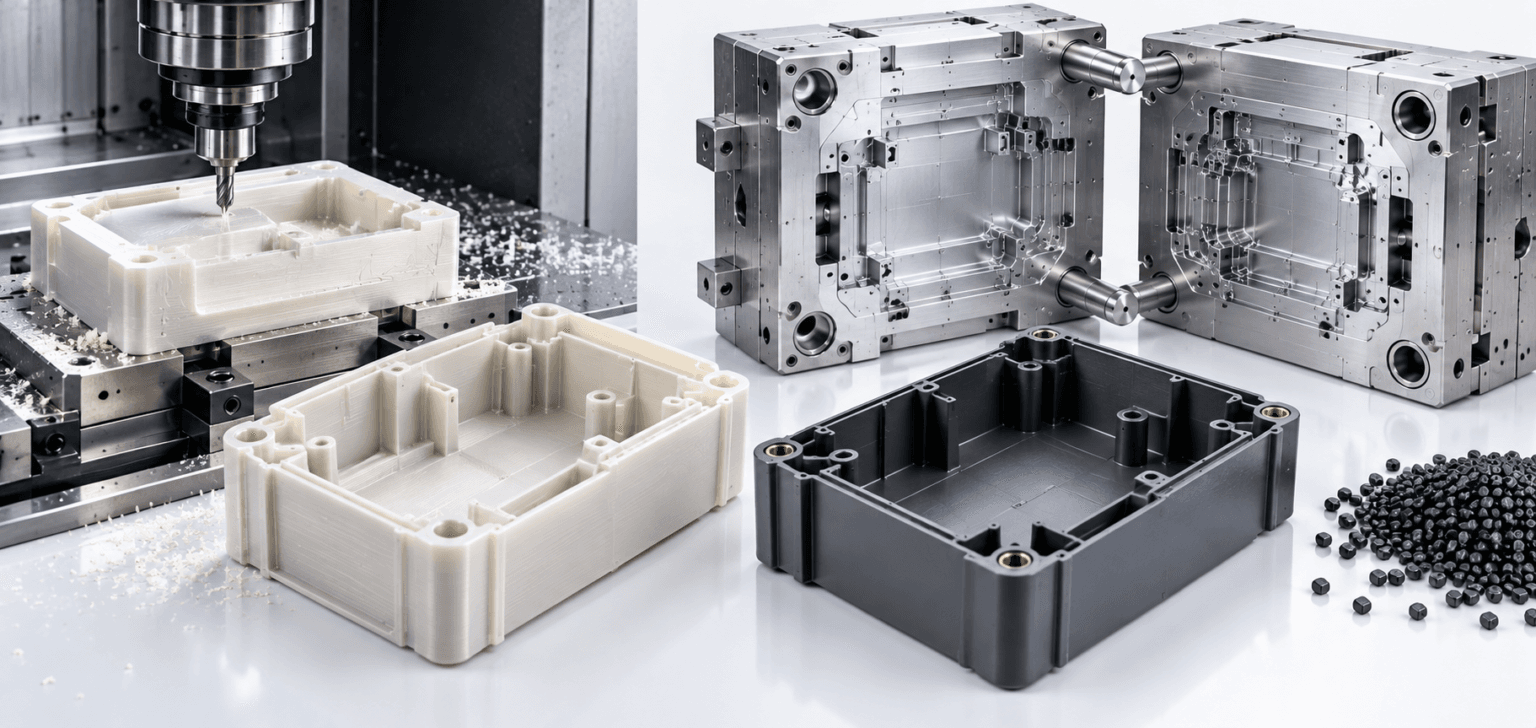
CNC Plastic Prototypes vs. Injection Molded Parts: Key Differences Engineers Should Understand
Compare CNC plastic prototypes and injection molded parts in material properties, dimensions, warpage, surface finish, geometry, cost and production performance.
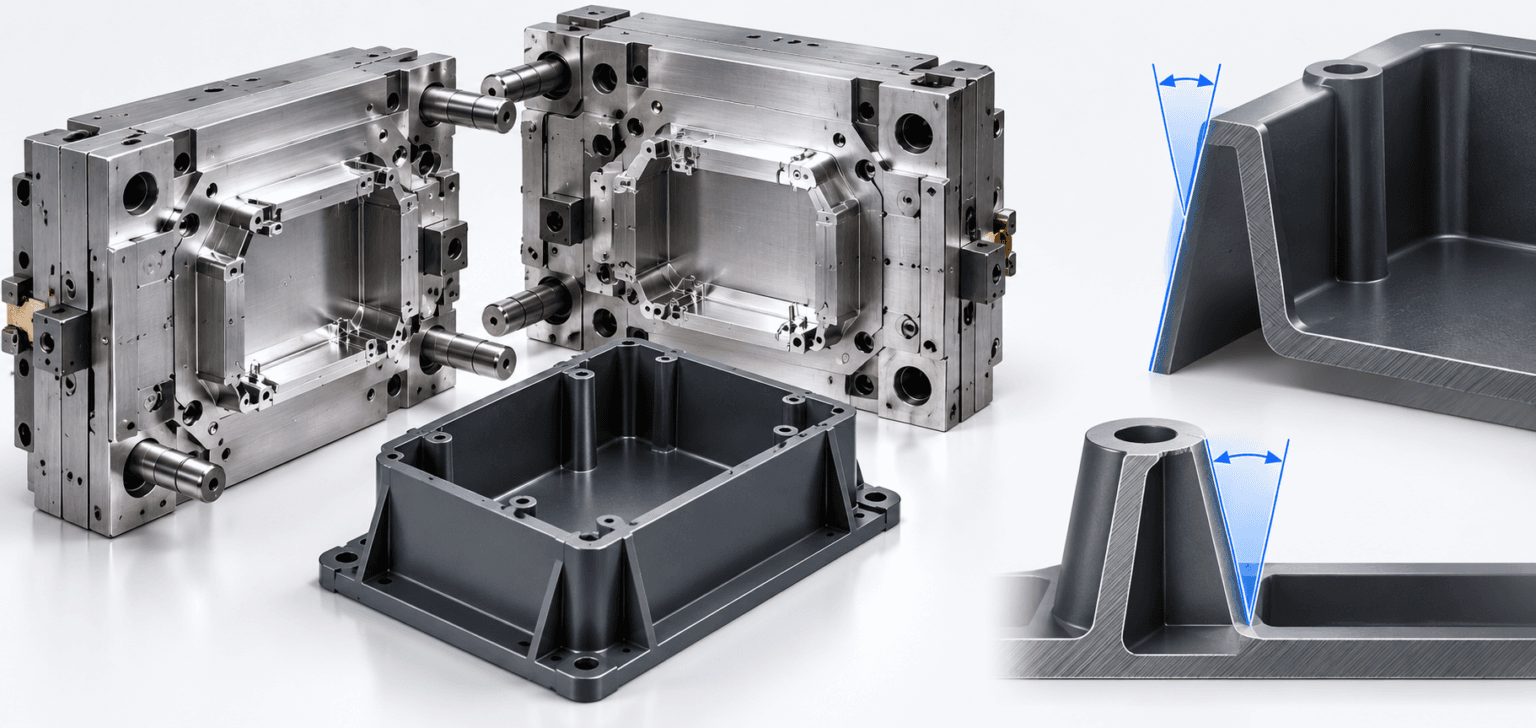
Draft Angle in Injection Mold Design: Improving Part Quality, Ejection and Tooling Efficiency
Discover how draft angles affect injection mold design, part ejection, surface texture, dimensional accuracy, ribs, bosses and long-term tooling performance.
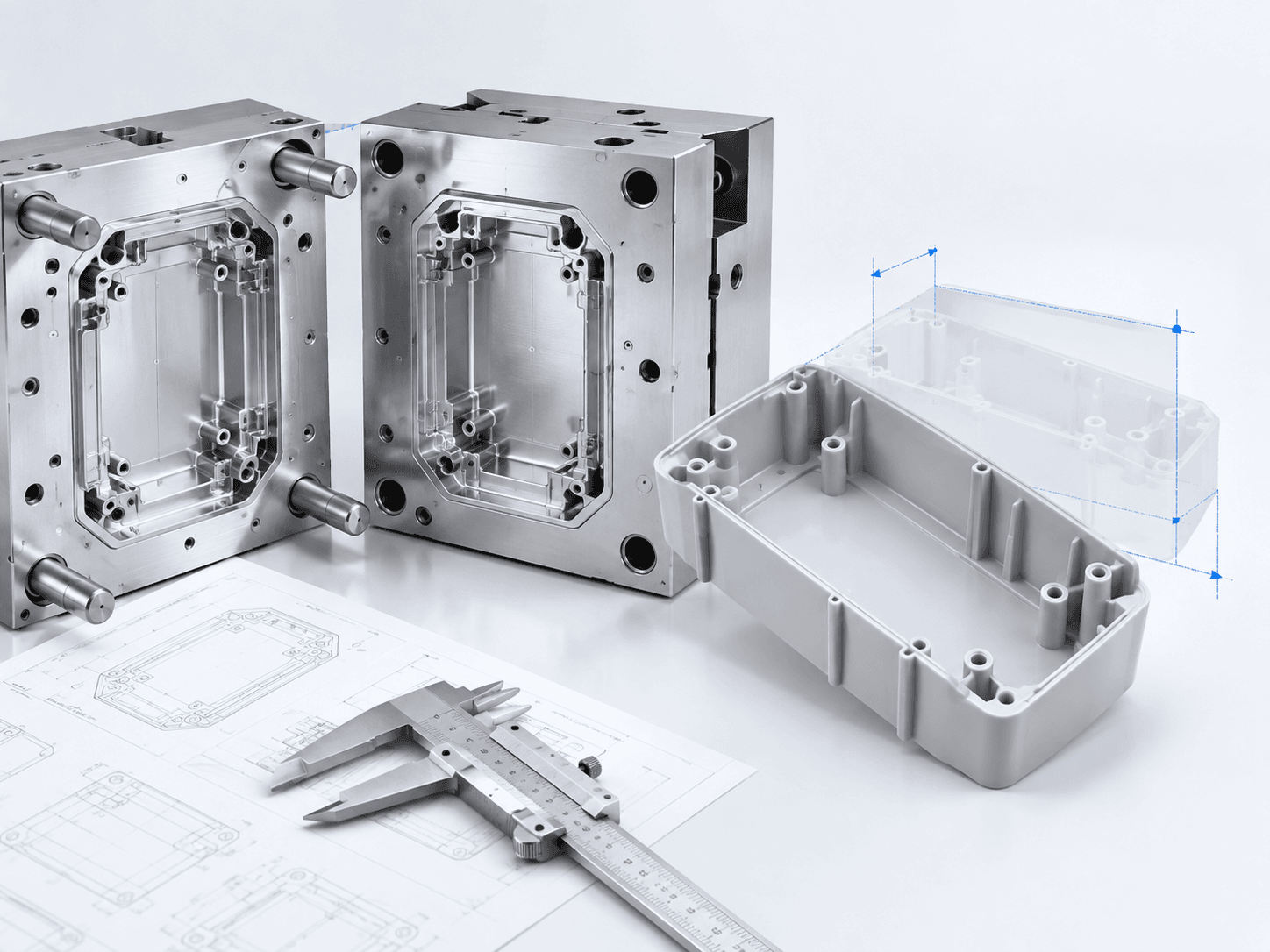
Injection Molding Shrinkage: How to Control Part Dimensions from Mold Design to Production
Learn how injection molding shrinkage affects mold dimensions, tolerances and warpage, and how material, gate design, packing, cooling and mold trials help control final plastic part dimensions.