Plastic Injection Molding Gate Types: Selection, Design Principles, Advantages, and Applications

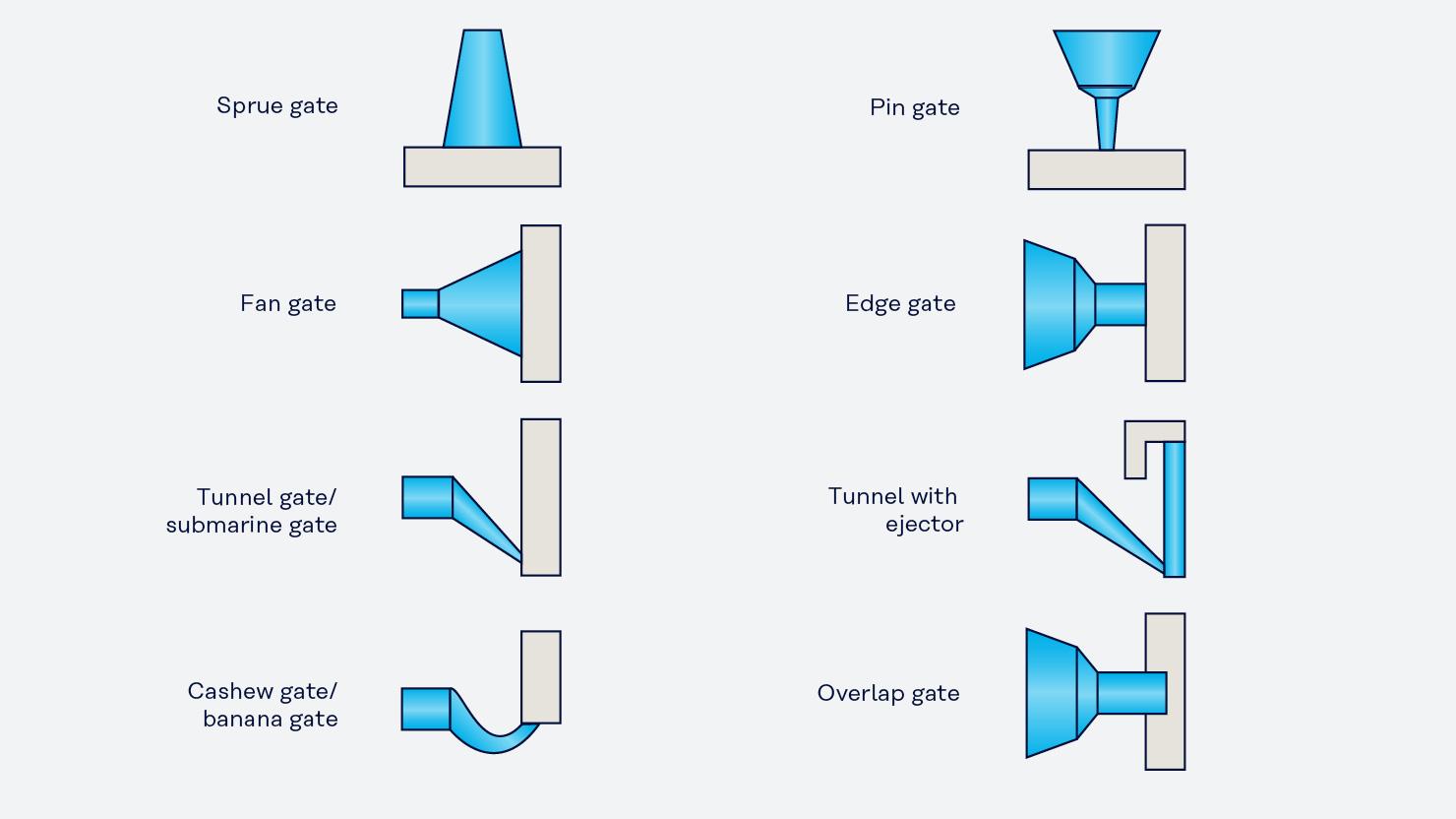
Gate design is one of the most critical aspects of plastic injection mold engineering. Although the gate is usually the smallest feature in the runner system, it has a significant influence on melt flow, packing pressure, cooling efficiency, part appearance, cycle time, and overall product quality.

A poorly designed gate can cause numerous molding defects, including short shots, sink marks, weld lines, jetting, burn marks, excessive gate vestige, and part warpage. Conversely, selecting the appropriate gate type and location helps ensure balanced filling, consistent dimensional accuracy, and efficient production.

Read More

Polypropylene (PP) Materials: Types, Grades, Properties, and Applications

Polypropylene (PP) is one of the world’s most widely used thermoplastics, accounting for a significant share of global plastic production. Thanks to its excellent balance of mechanical properties, chemical resistance, lightweight characteristics, and cost-effectiveness, PP has become the preferred material for countless injection molded products across automotive, household, medical, packaging, electrical, and industrial applications.

Modern polypropylene is available in many different grades and formulations. Manufacturers can choose from homopolymer PP, random copolymer PP, impact copolymer PP, glass fiber reinforced PP, mineral-filled PP, flame-retardant PP, UV-stabilized PP, and food-grade PP depending on product requirements.

Read More

Injection Mold Flow Analysis: A Complete Guide to Moldflow Simulation for Plastic Parts

In modern plastic product development, mold manufacturing is no longer based solely on engineering experience. Computer-Aided Engineering (CAE) has become an essential part of the injection molding process, enabling engineers to predict potential molding defects before a mold is manufactured. Among these technologies, Injection Mold Flow Analysis, often referred to as Moldflow Analysis, is one of the most valuable engineering tools for reducing development risks, shortening lead times, and improving part quality.

Read More

Injection Mold Structure Explained: A Complete Guide to Plastic Mold Components and Design

Plastic injection molding is one of the most efficient manufacturing processes for producing high-quality plastic components with exceptional precision and repeatability. However, the quality of every molded product depends largely on the design and construction of the injection mold itself. A well-engineered mold is far more than a block of steel—it is a sophisticated mechanical system that controls molten plastic flow, cooling, part ejection, dimensional accuracy, and production efficiency.

An injection mold typically consists of dozens or even hundreds of precision-machined components working together throughout every molding cycle. Each component has a specific purpose, from guiding molten plastic into the cavity to removing the finished part without damage. Even minor improvements in mold structure can significantly reduce cycle time, improve product quality, extend mold life, and lower manufacturing costs.

Read More

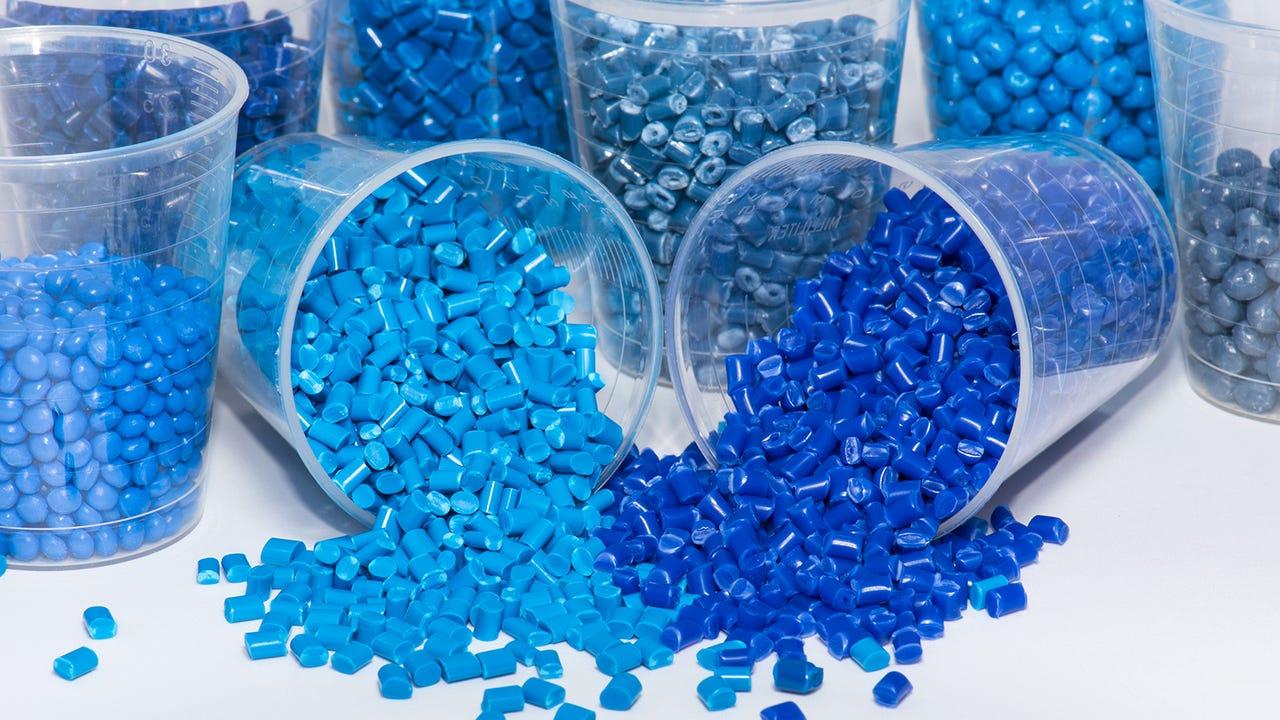
Plastic Color Matching for Injection Molding: A Complete Guide to RAL, Pantone, Masterbatch, and Custom Colors

Color is far more than an aesthetic feature in plastic injection molding—it plays a critical role in product branding, customer perception, quality control, and market differentiation. Whether manufacturing consumer electronics, automotive interiors, medical devices, industrial equipment, or outdoor products, achieving accurate and consistent color matching is essential for product success.

Read More

Industry

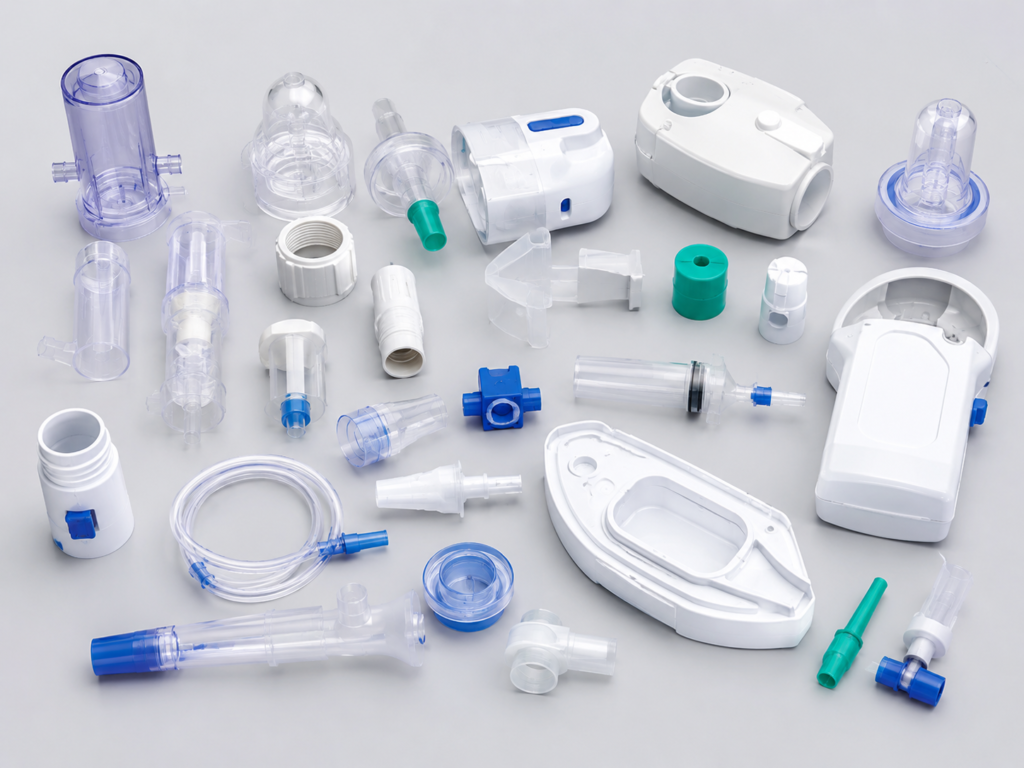
Medical
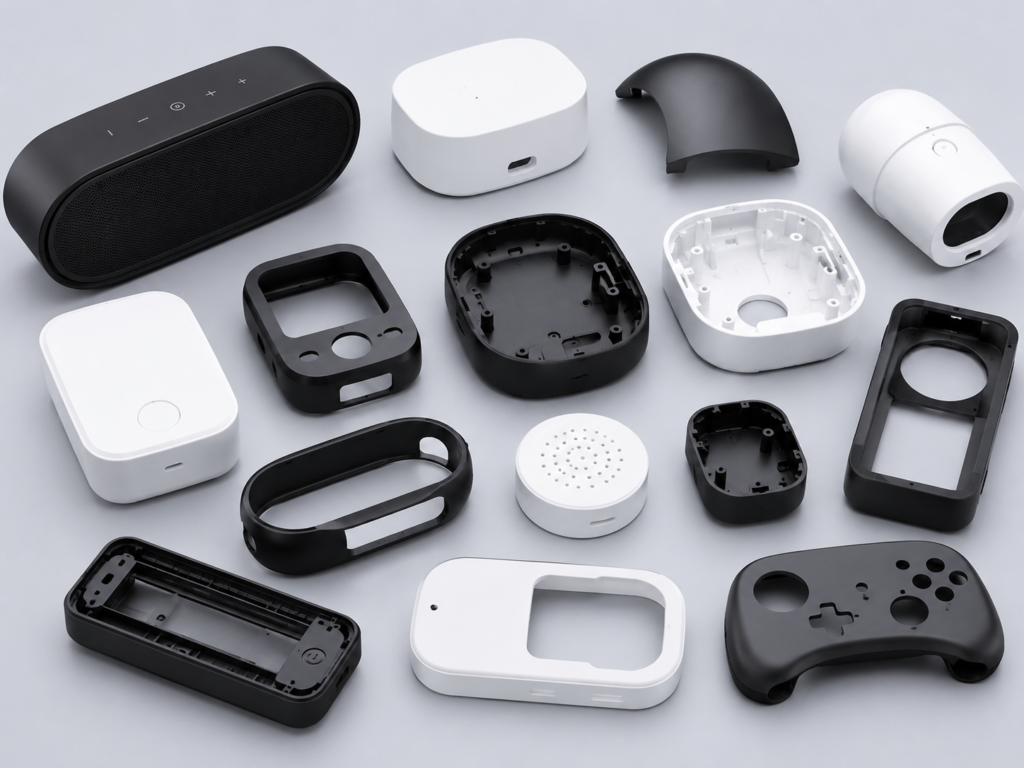
Consumer Electronics
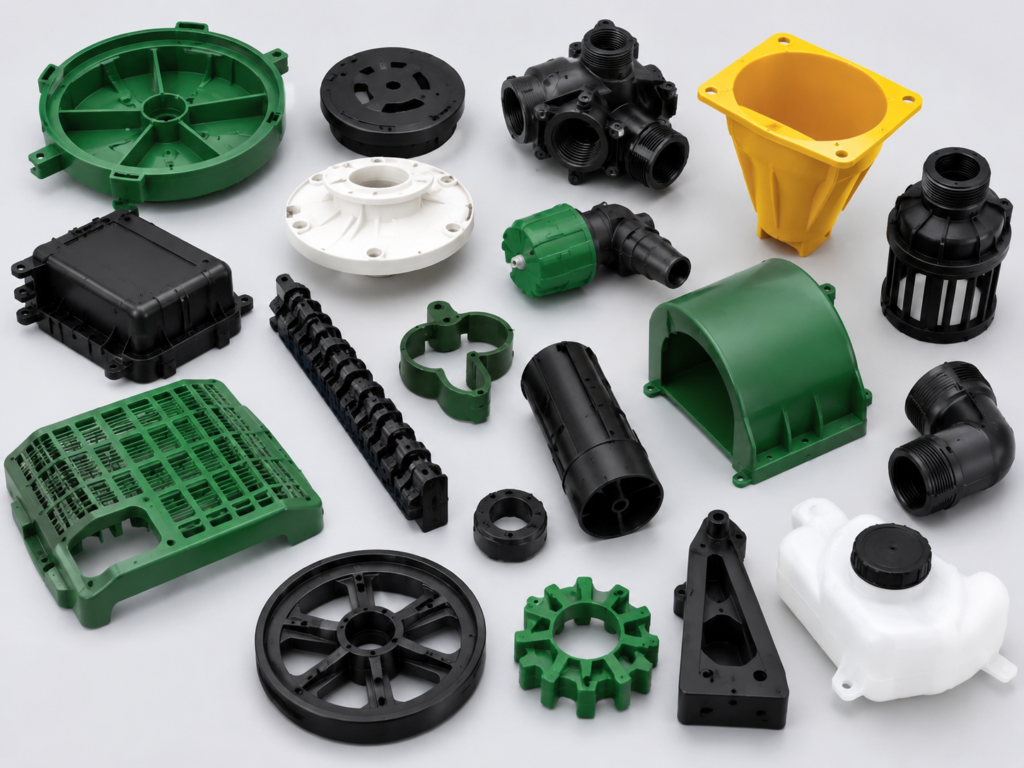
Agriculture
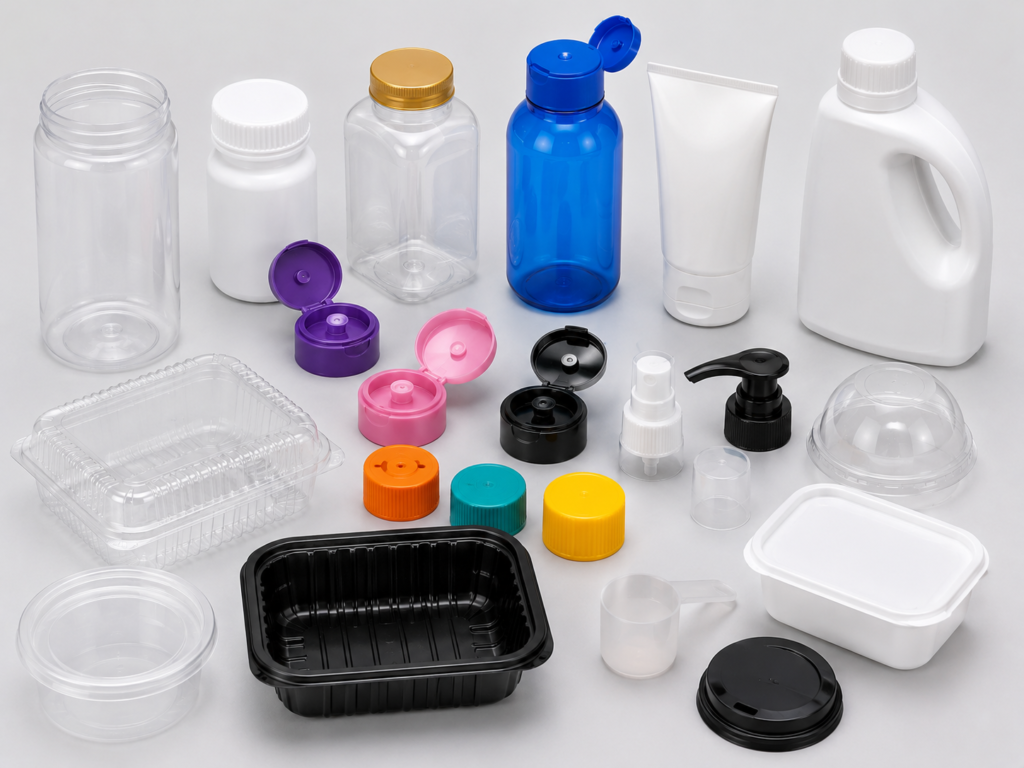
Packaging
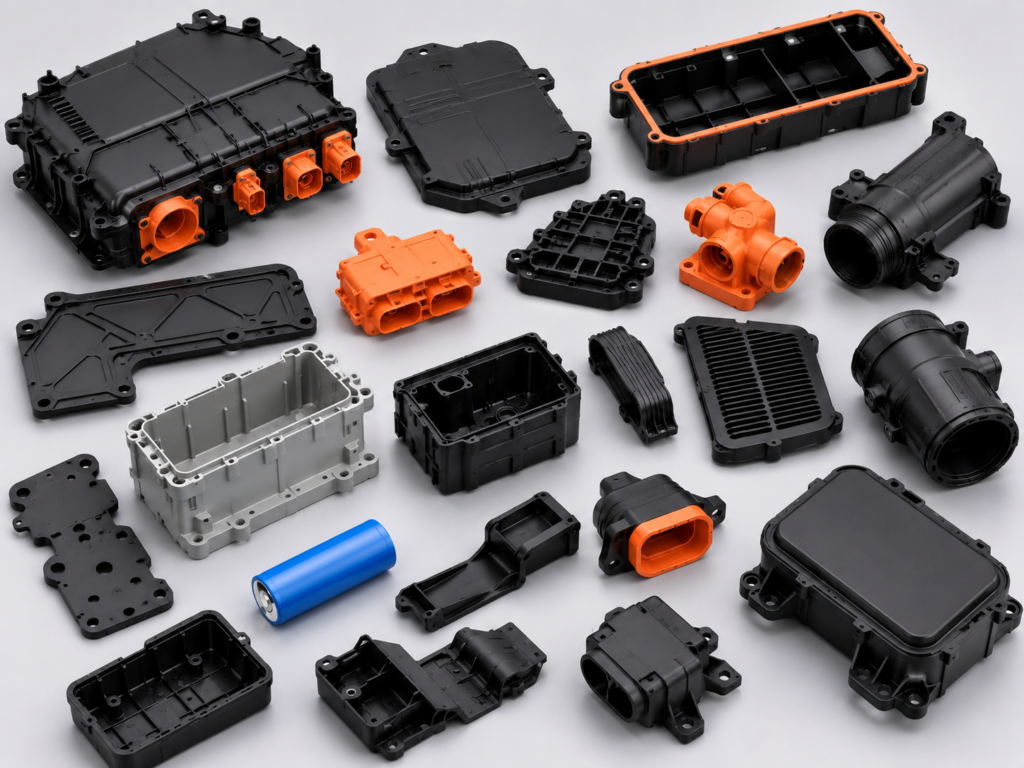
New energy
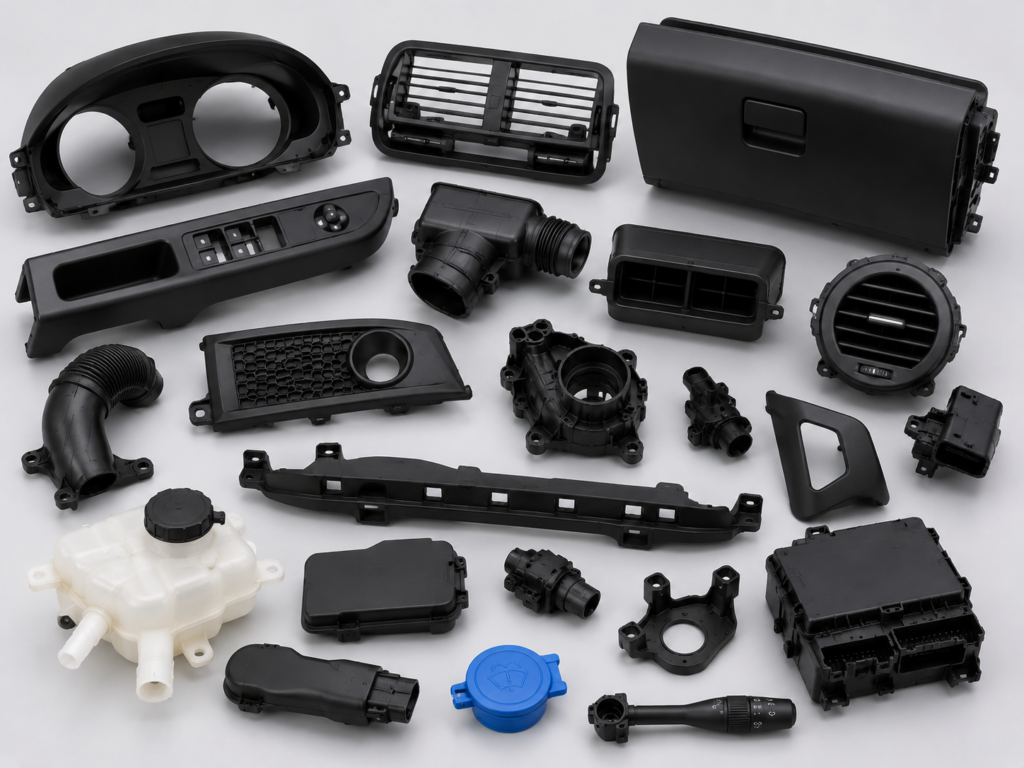
Automotive
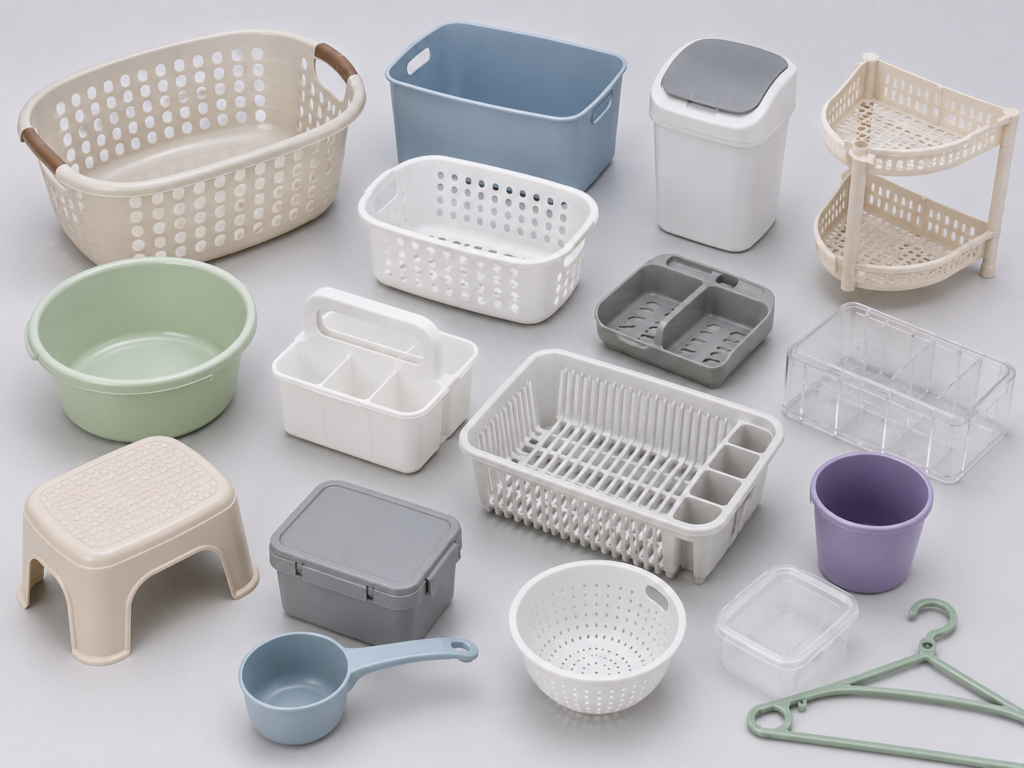
Household
Machinery
Robot