Packaging Injection Molding: Applications, Materials, Manufacturing Standards, and Industry Solutions

Table of Contents

Introduction

Packaging plays a vital role in protecting products, extending shelf life, improving transportation efficiency, and enhancing brand identity. As consumer expectations continue to evolve, manufacturers require packaging solutions that are lightweight, durable, cost-effective, and visually appealing.

Plastic injection molding has become one of the most important manufacturing processes for rigid packaging products. It enables the mass production of high-precision components with excellent dimensional consistency, complex geometries, and attractive surface finishes. Compared with traditional manufacturing methods, injection molding offers greater design flexibility, shorter production cycles, and lower unit costs for high-volume production.

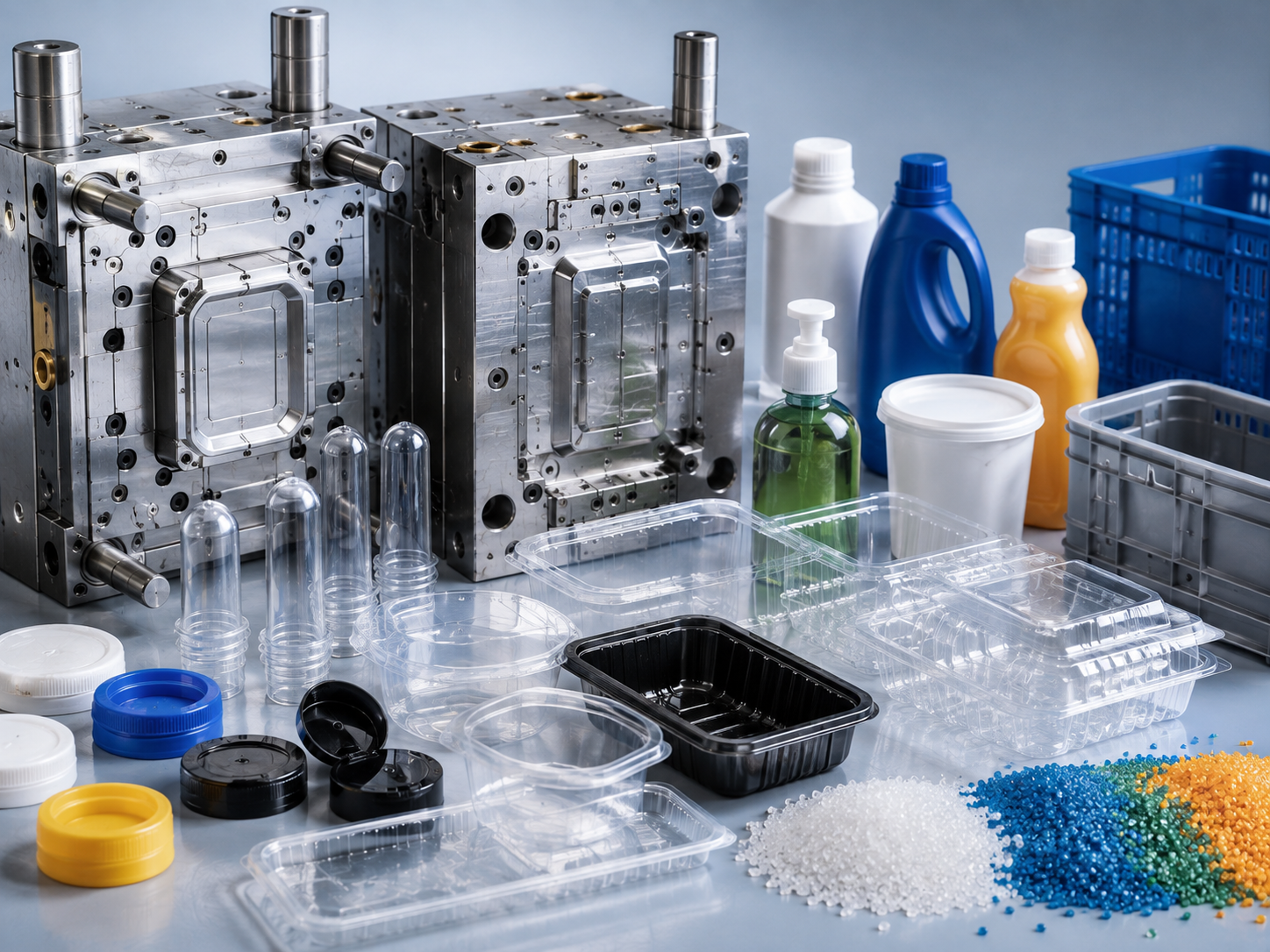
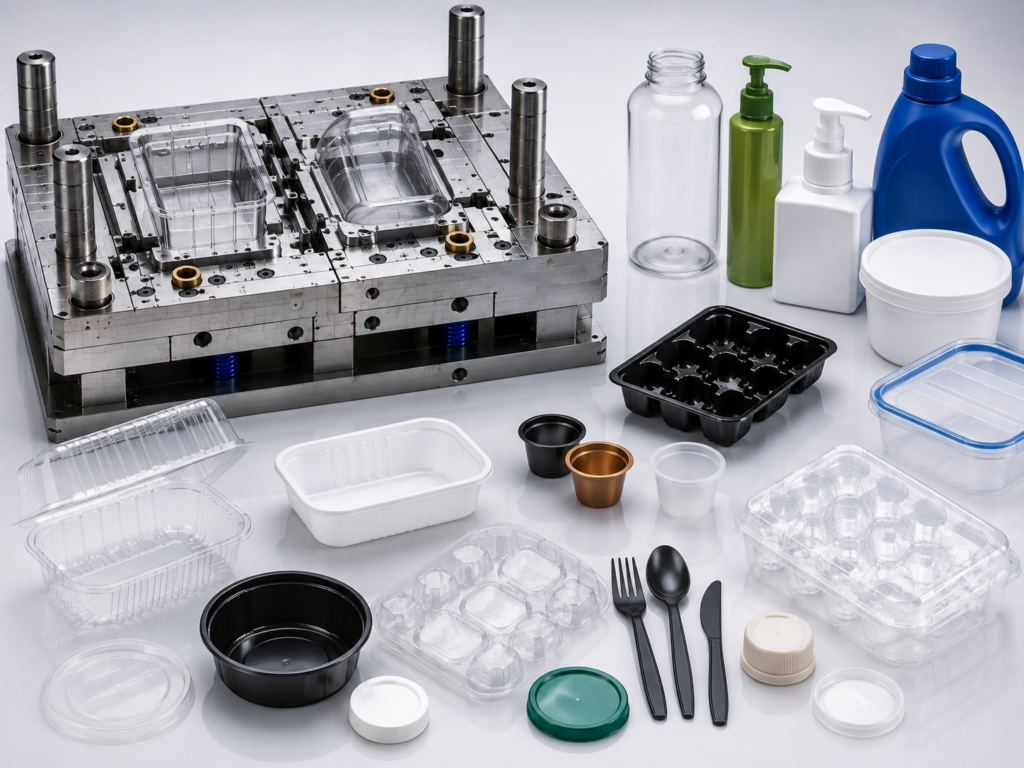
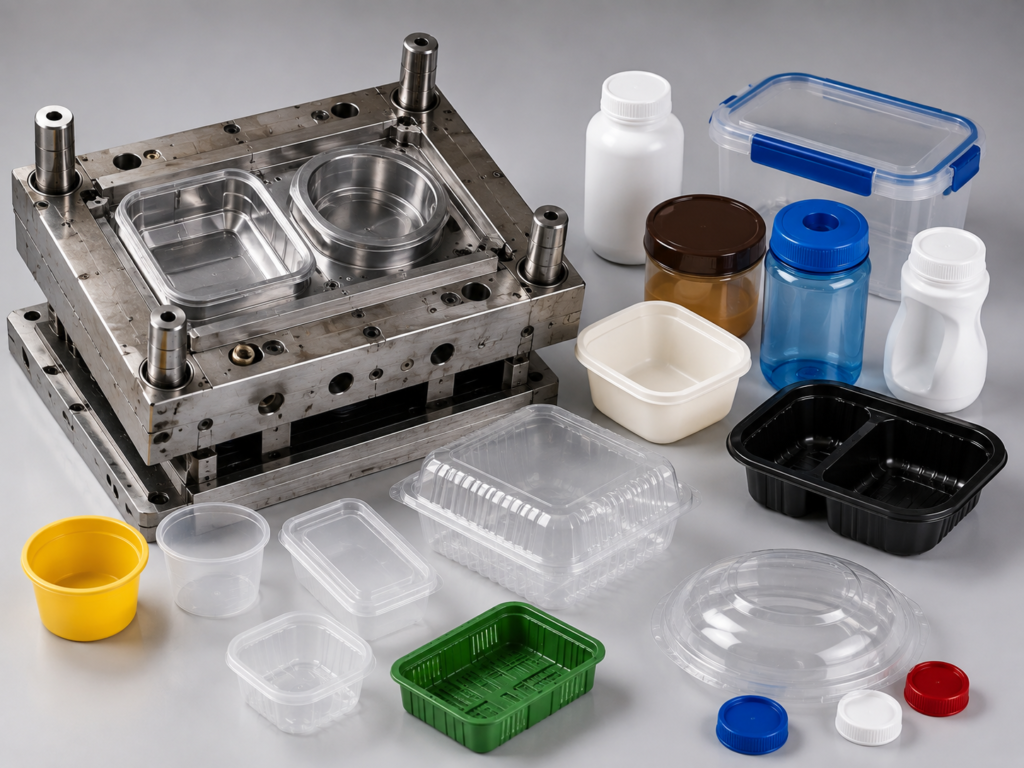
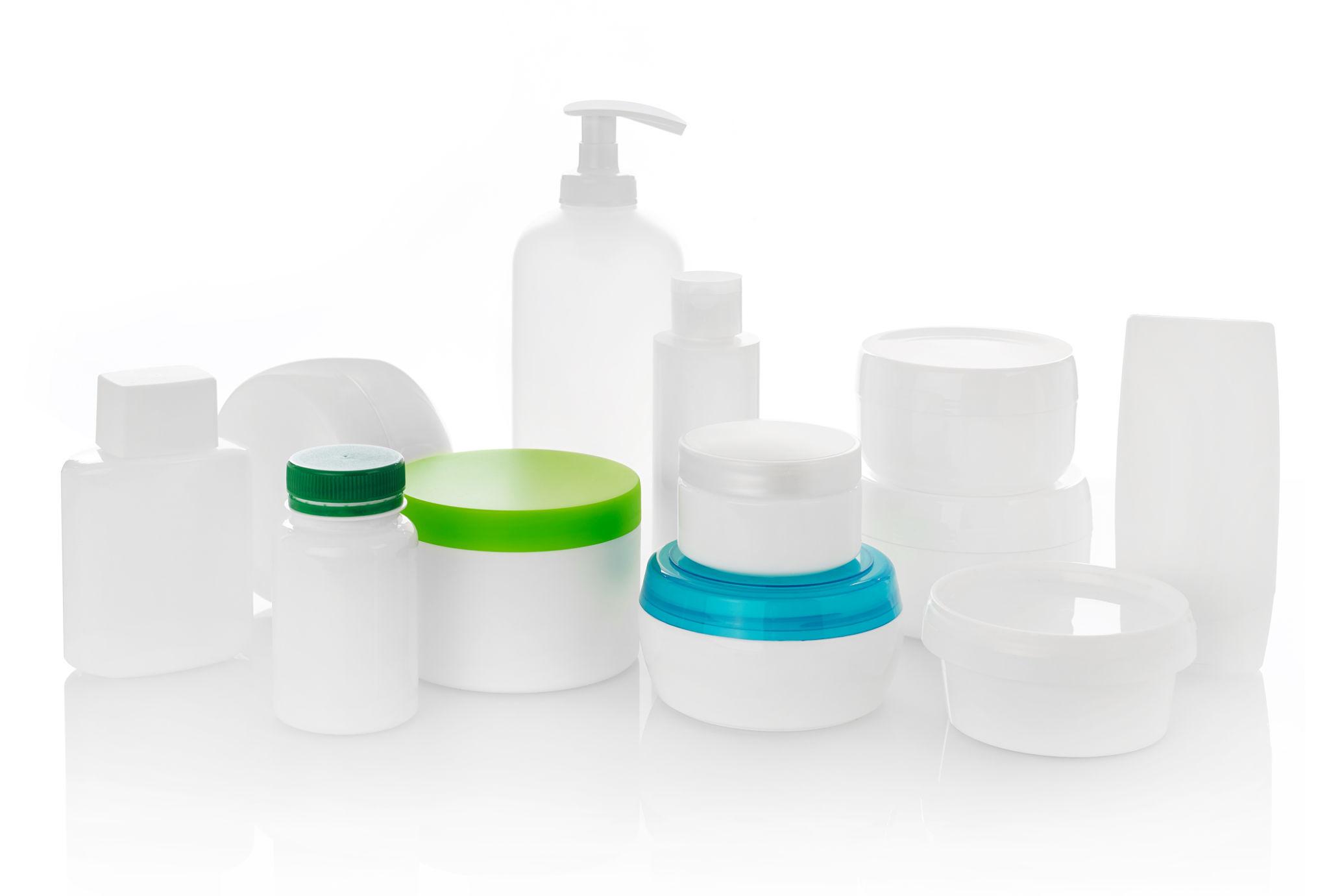
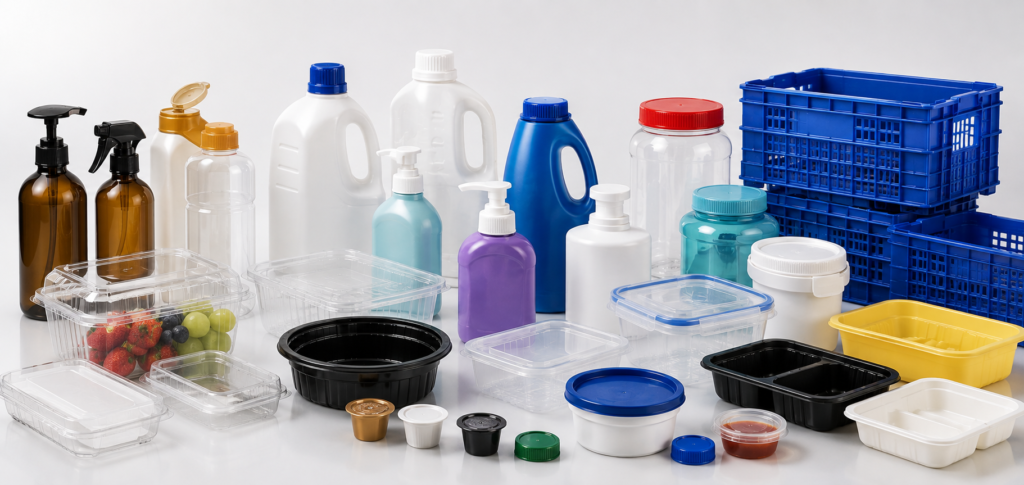
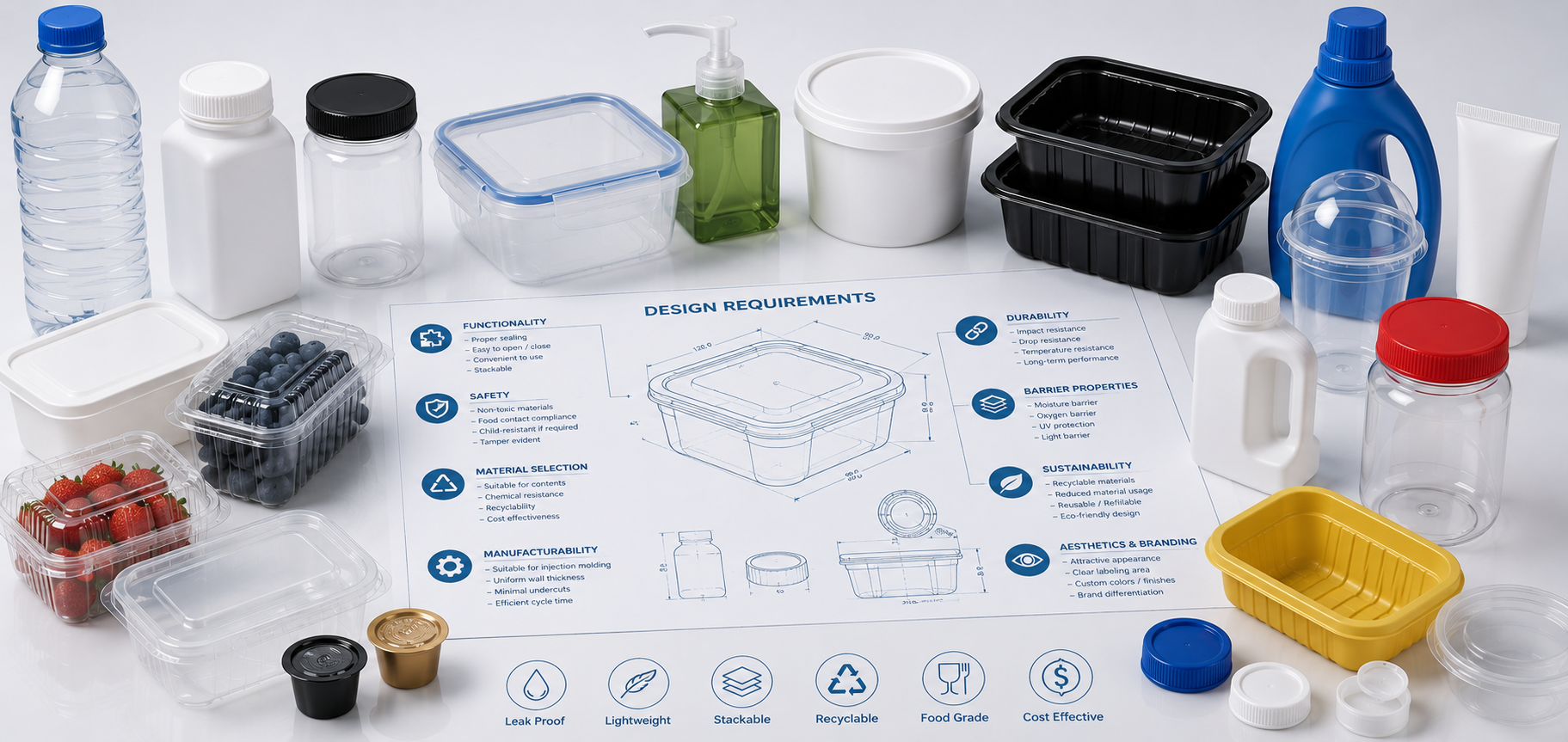
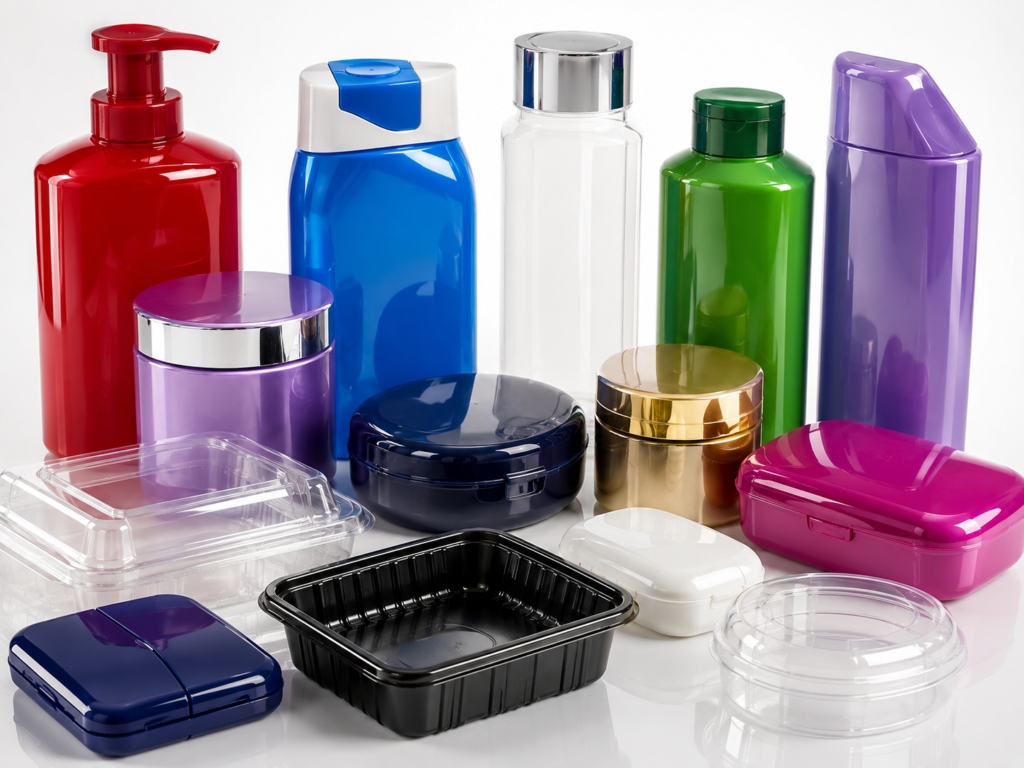
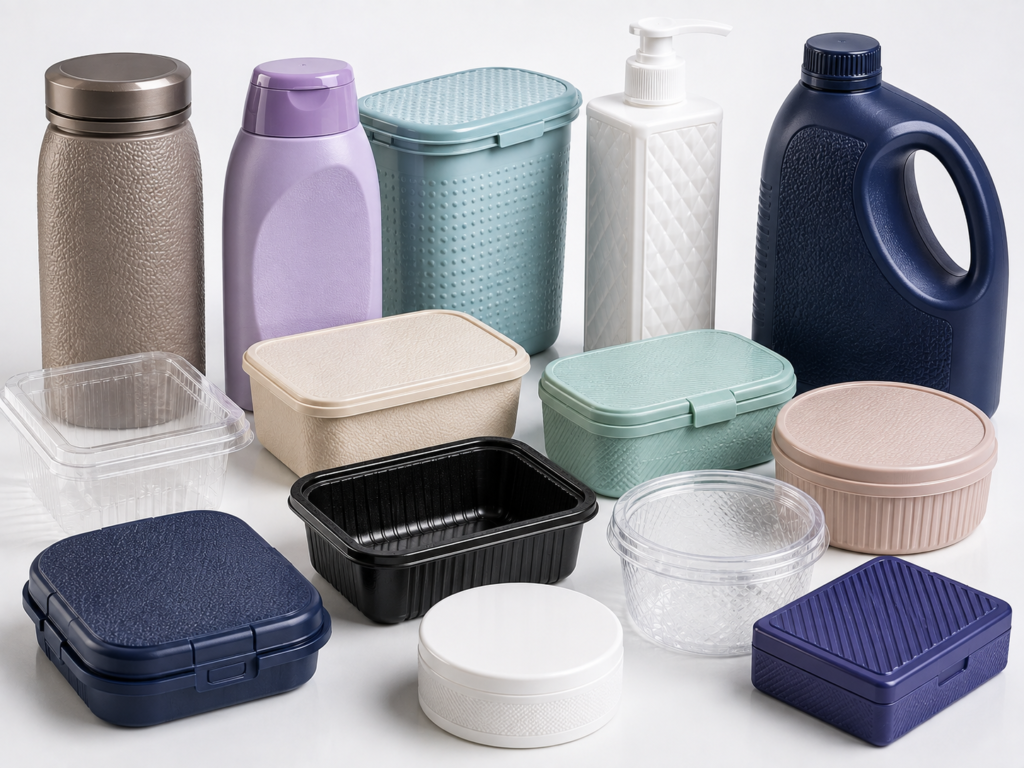
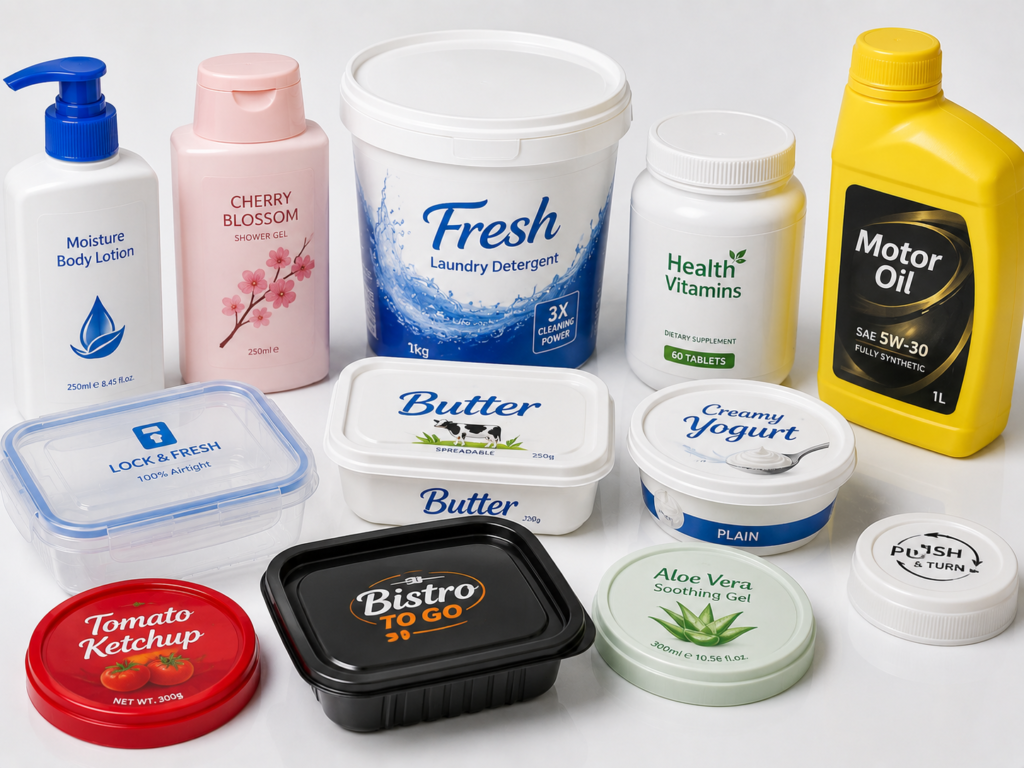
Injection molded packaging is widely used across industries including food and beverage, cosmetics, pharmaceuticals, household chemicals, consumer goods, and industrial products. Common examples include bottle caps, cosmetic jars, measuring cups, closures, dispensers, storage containers, protective cases, and reusable packaging systems.

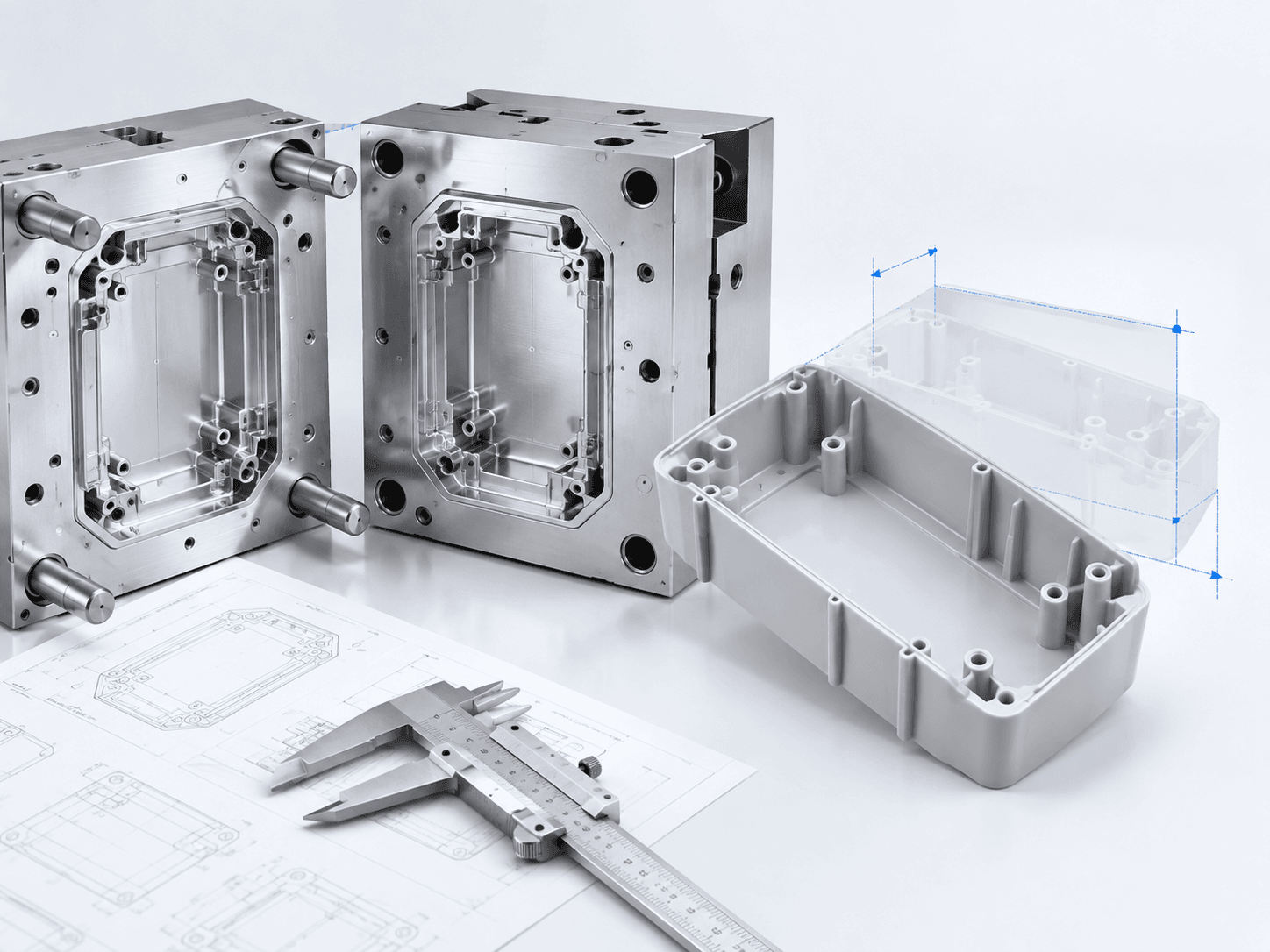
At Samgo, we provide complete packaging manufacturing solutions, including product design support, DFM analysis, Moldflow simulation, precision mold manufacturing, and high-volume injection molding. This guide explores the applications of injection molding in the packaging industry, material selection, quality standards, and engineering best practices.


Why Injection Molding Is Ideal for Packaging

The packaging industry requires consistent quality, rapid production, and cost efficiency. Injection molding fulfills these requirements while supporting a wide variety of product designs and engineering plastics.

Key Advantages

  • High production efficiency
  • Excellent dimensional consistency
  • Complex product geometry
  • Attractive cosmetic appearance
  • Low cost for high-volume manufacturing
  • Wide selection of food-grade and engineering plastics
  • Recyclable material options
  • Compatibility with automation

Benefits of Injection Molding for Packaging

BenefitManufacturing Value
High ProductivityMillions of parts per year
Excellent AppearancePremium product presentation
Design FlexibilityComplex closures and containers
LightweightReduced transportation costs
Material VarietyPP, PE, PET, PC, ABS and more
Automation ReadyHigh-speed production lines

Applications of Injection Molding in Packaging

Injection molding is used to manufacture a wide range of rigid packaging components for consumer and industrial markets.

1. Food Packaging

Food packaging requires safe, hygienic, and durable plastic components that comply with food-contact regulations.

Typical products include:

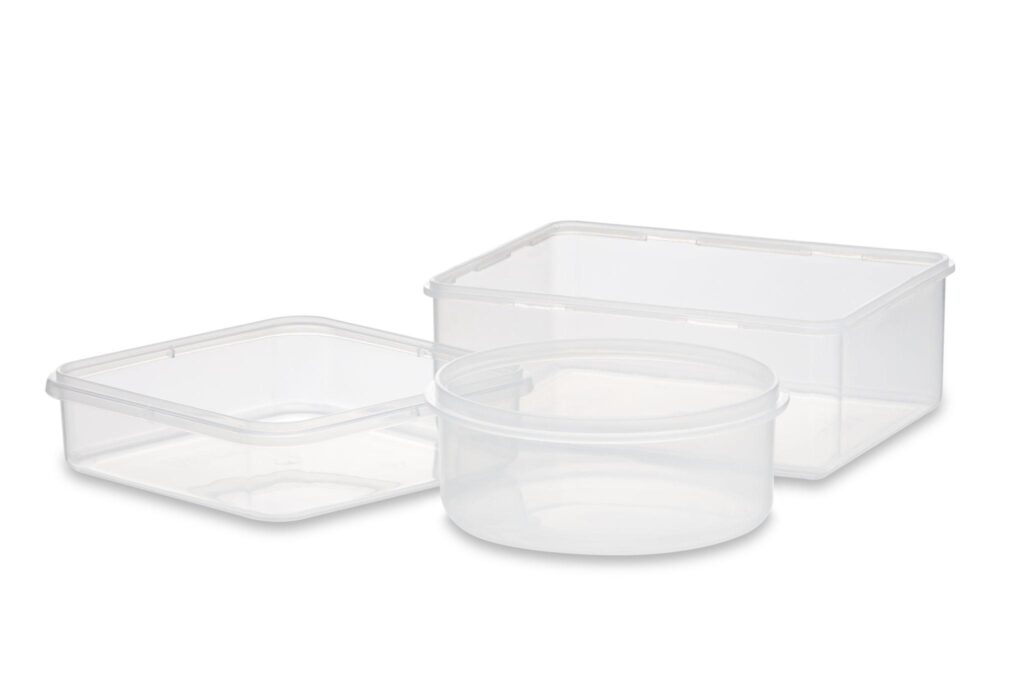
  • Food storage containers
  • Bottle caps
  • Measuring spoons
  • Beverage closures
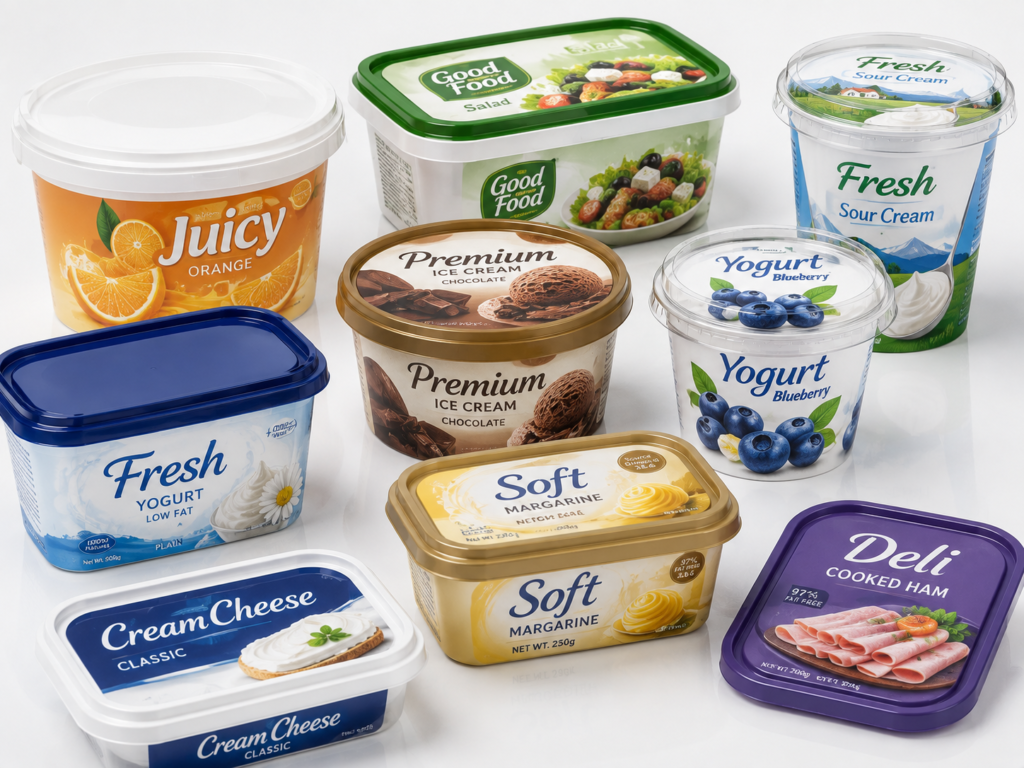
  • Yogurt cup lids
  • Reusable lunch boxes

Food-grade polypropylene (PP) and polyethylene (PE) are among the most commonly used materials because of their excellent chemical resistance and low moisture absorption.


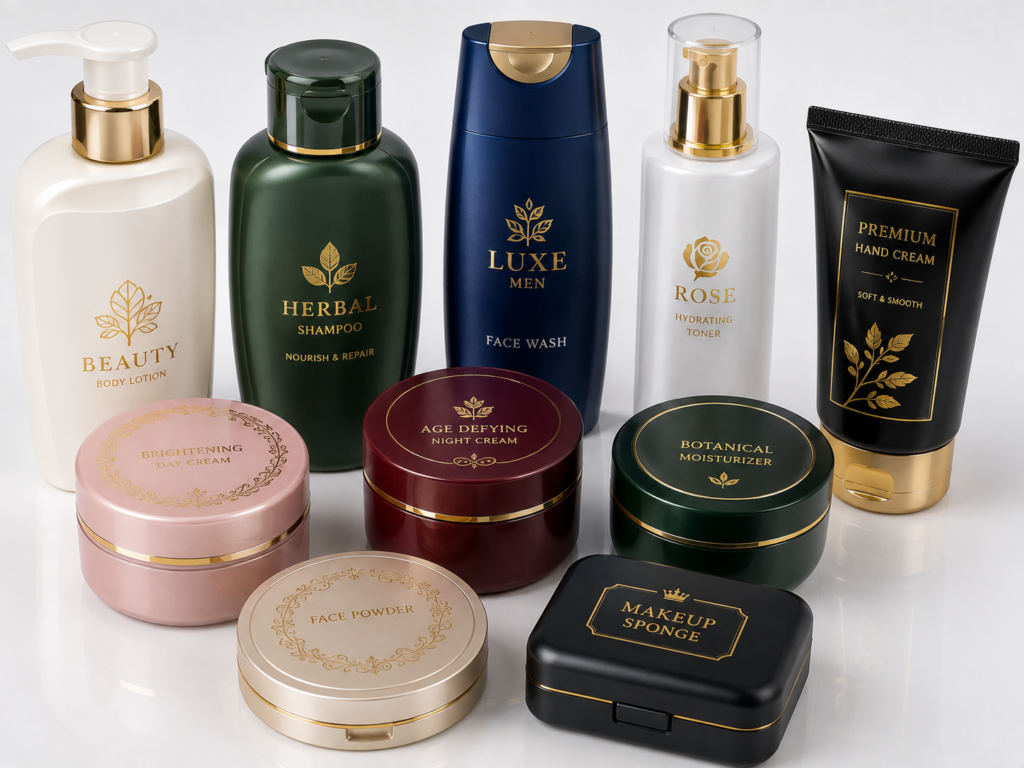
2. Cosmetic Packaging

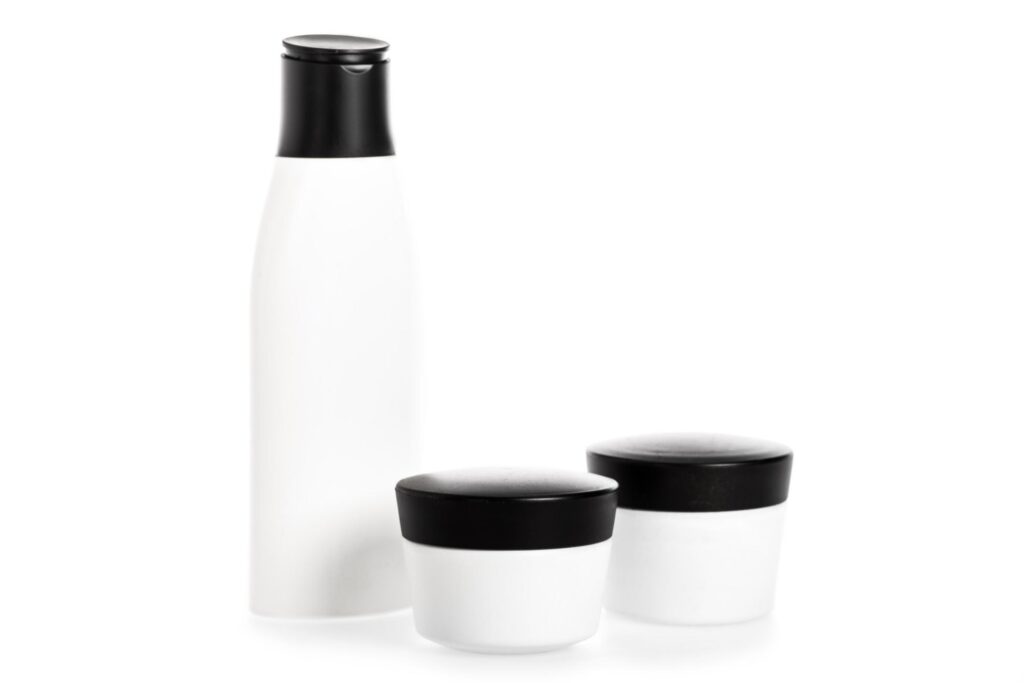
Cosmetic packaging combines functionality with premium aesthetics. Injection molding enables smooth surfaces, glossy finishes, and intricate decorative details.

Common products include:

  • Cosmetic jars
  • Cream lids
  • Compact cases
  • Lip balm containers
  • Pump collars
  • Mascara caps

3. Pharmaceutical Packaging

Medical and pharmaceutical packaging demands high precision, clean manufacturing environments, and excellent dimensional consistency.

Examples include:

  • Pill containers
  • Medical caps
  • Measuring cups
  • Child-resistant closures
  • Syrup bottle caps
  • Dosage accessories

Packaging Applications

IndustryInjection Molded ProductsCommon Materials
Food & BeverageContainers, caps, lidsPP, HDPE
CosmeticsCream jars, caps, dispensersPP, ABS, SAN
PharmaceuticalsClosures, measuring cupsPP, PE
Household ProductsStorage containersPP, PE
Industrial PackagingProtective caps, casesPP, PA

Common Materials for Packaging Injection Molding

Selecting the right material is essential for packaging performance, regulatory compliance, durability, and appearance.

Frequently Used Materials

MaterialKey PropertiesTypical Applications
PPFood-safe, lightweight, chemical resistantFood containers, caps
HDPEToughness, moisture resistanceBottles, closures
LDPEFlexible, impact resistantDispensing caps
PETTransparency, barrier performanceClear packaging
SANHigh gloss, transparencyCosmetic containers
ABSExcellent appearancePremium packaging
PCHigh impact strengthReusable packaging

Material Selection Considerations

When designing injection molded packaging, engineers should consider:

  • Food-contact compliance
  • Chemical resistance
  • Transparency requirements
  • Impact resistance
  • UV resistance
  • Recyclability
  • Production efficiency

Design Requirements for Packaging Products

Packaging products must combine functional performance with an attractive appearance while supporting efficient mass production.

Important design considerations include:

  • Uniform wall thickness
  • Proper draft angles
  • Secure sealing features
  • Snap-fit or threaded closures
  • Stackability
  • Easy opening and closing
  • Lightweight construction
  • Moldability for high-speed production

Packaging Design Guidelines

Design FeatureEngineering Objective
Uniform Wall ThicknessReduce sink marks and warpage
Draft AngleSmooth demolding
Rib ReinforcementImprove stiffness
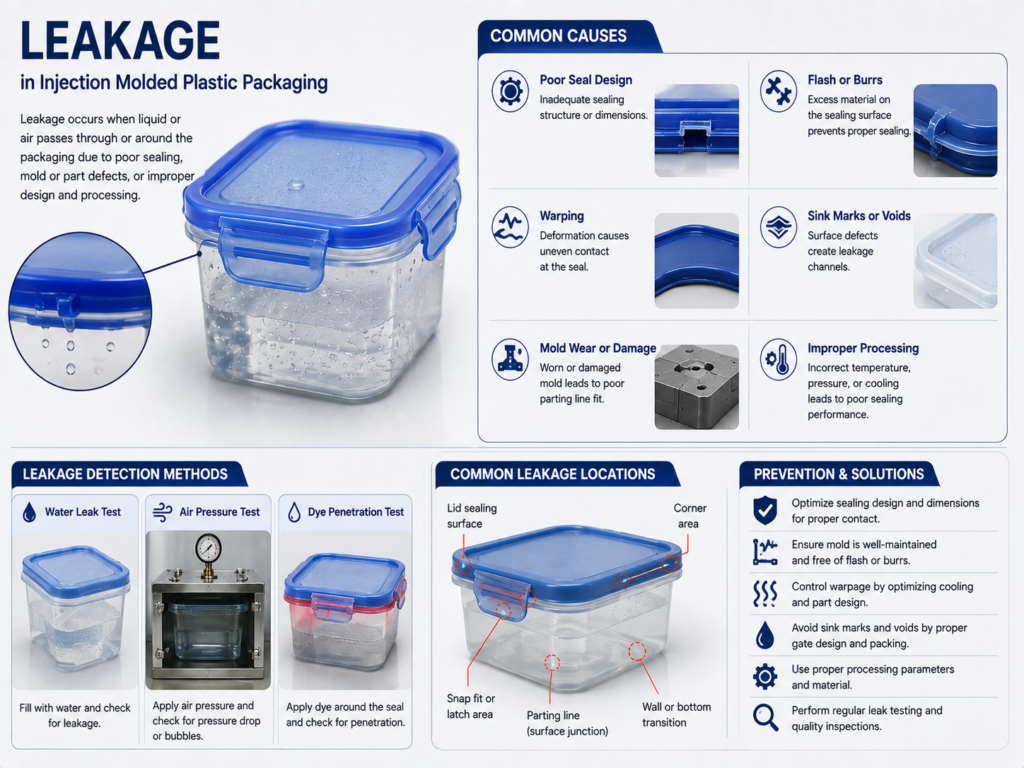
Sealing StructurePrevent leakage
Thread DesignReliable closure
Stackable GeometryEfficient storage and shipping
Send an inquiry

Manufacturing Standards for Packaging Injection Molding

Packaging products must comply with strict quality and safety requirements, especially when used for food, cosmetics, pharmaceuticals, and personal care products. Manufacturers must ensure that packaging not only protects the contents but also meets regulatory requirements in target markets.

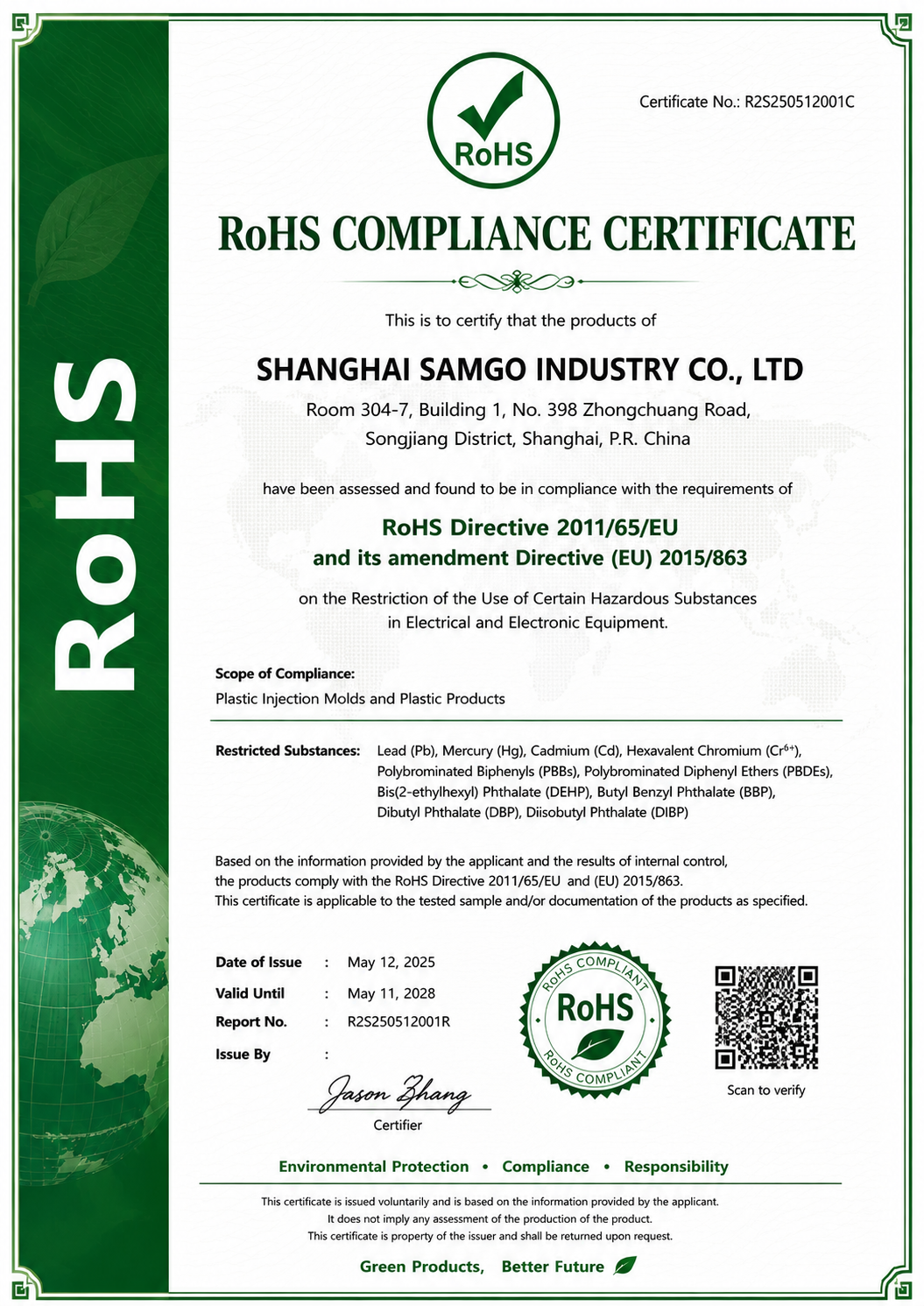
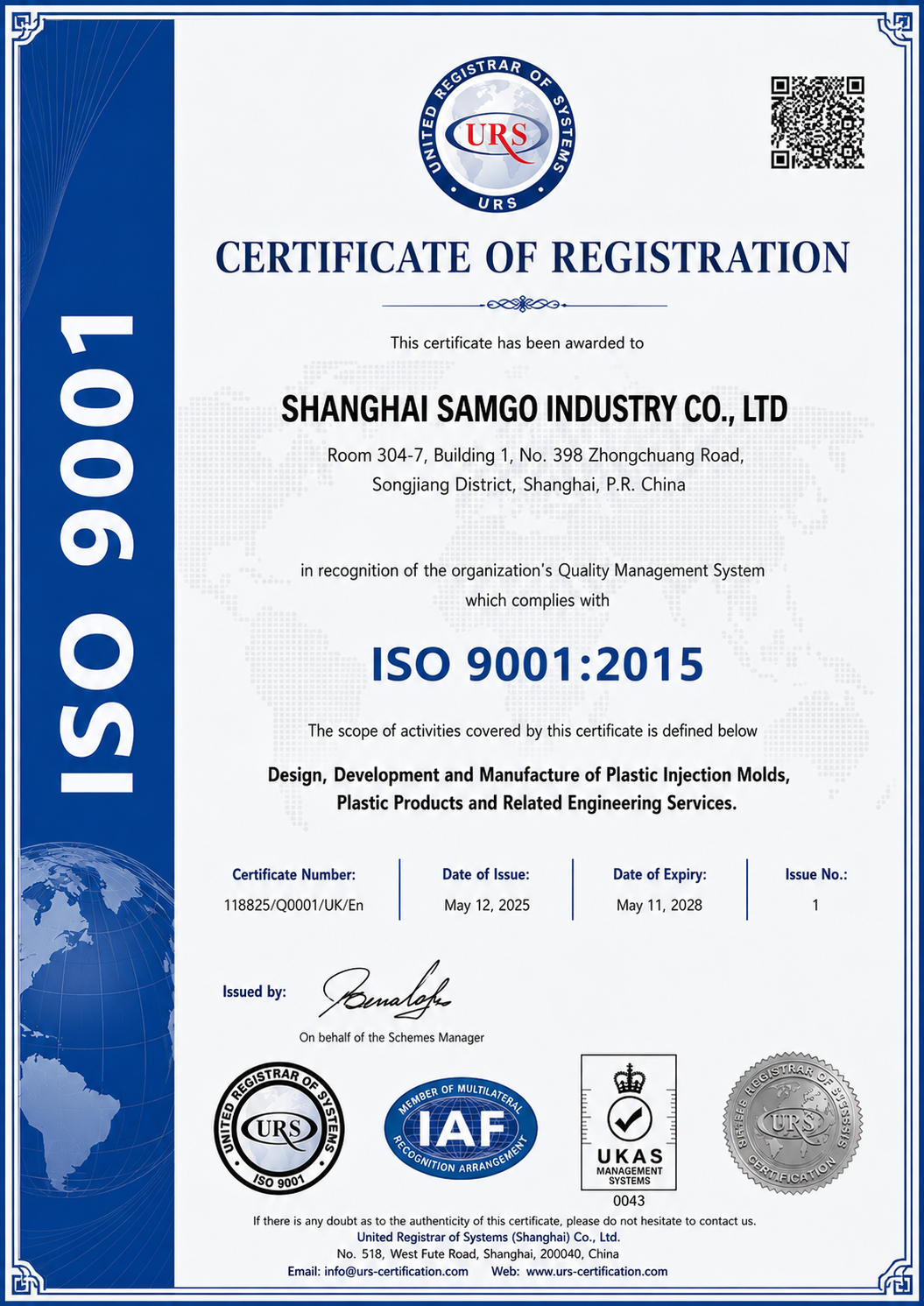
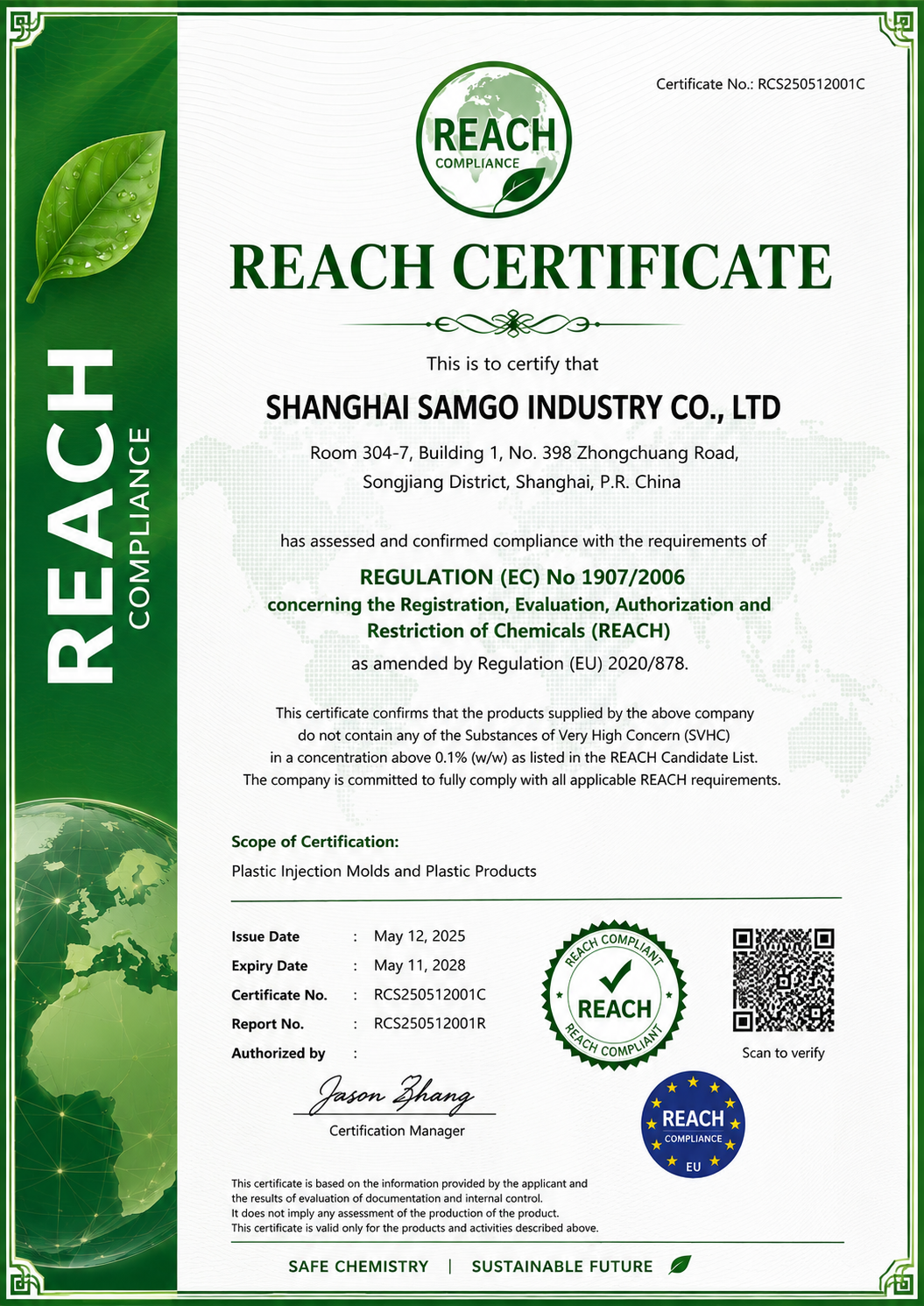
Depending on the application, packaging manufacturers may need to comply with international standards and regulations related to food contact, hygiene, environmental protection, and quality management.

Important Standards

  • FDA Food Contact Regulations (United States)
  • EU Food Contact Regulations
  • ISO 9001 Quality Management
  • ISO 22000 Food Safety Management
  • Good Manufacturing Practices (GMP)
  • REACH Compliance
  • RoHS Compliance (for applicable packaging components)

Early consideration of regulatory requirements helps reduce certification risks and accelerates product commercialization.


Packaging Standards Overview

StandardPrimary PurposeTypical Industry
ISO 9001Quality ManagementAll Packaging
ISO 22000Food SafetyFood Packaging
FDA Food ContactMaterial ComplianceFood & Beverage
EU Food ContactMaterial SafetyEuropean Market
GMPHygienic ManufacturingPharmaceutical & Cosmetics
REACHChemical ComplianceConsumer Products

Surface Finishing and Decoration Technologies

Modern packaging serves not only a protective function but also a marketing role. High-quality surface finishing enhances brand recognition and improves the consumer experience.

Common Decoration Methods

High Gloss Polishing

Creates smooth, premium-looking surfaces commonly used for cosmetic jars and luxury packaging.

Mold Texturing

Produces matte finishes that improve grip while reducing visible scratches and fingerprints.

In-Mold Labeling (IML)

Labels are integrated directly into the molded part during injection molding, providing excellent durability and eliminating secondary labeling operations.

Pad Printing

Ideal for logos, product identification, and batch information.

Hot Stamping

Adds metallic decorative effects for premium cosmetic and personal care packaging.


Decoration Technology Comparison

TechnologyAppearanceDurabilityTypical Application
High GlossPremiumExcellentCosmetic jars
Mold TextureMatteExcellentFood containers
IMLDecorativeExcellentFood tubs
Pad PrintingLogo PrintingGoodBottle caps
Hot StampingMetallic FinishExcellentLuxury packaging
High Gloss
Mold Texture
IML
Pad Printing
Hot stamping

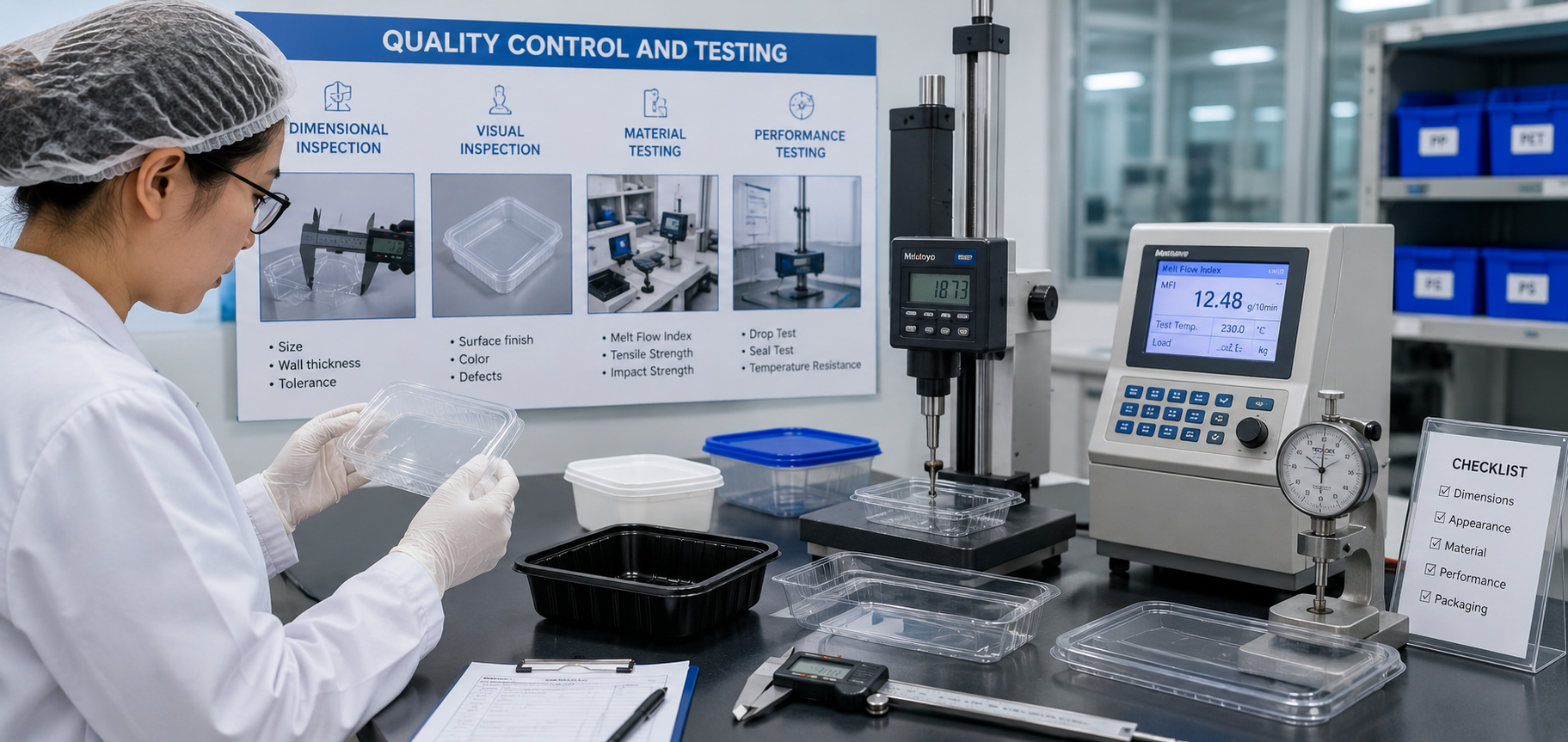
Quality Control and Testing

Packaging components are often produced in very high volumes, making robust quality control essential. Automated inspection systems and standardized testing procedures help ensure consistency across millions of parts.

Typical Inspection Items

  • Dimensional accuracy
  • Weight consistency
  • Surface appearance
  • Seal performance
  • Thread engagement
  • Leak testing
  • Drop resistance
  • Color consistency

For food and pharmaceutical packaging, cleanliness and contamination control are also critical.


Packaging Quality Control Process

Inspection StageObjective
Incoming Material InspectionVerify resin quality
First Article InspectionApprove production samples
In-Process InspectionMonitor production stability
Leak TestingEnsure sealing performance
Functional TestingVerify assembly and usability
Final InspectionShipment approval

Common Manufacturing Challenges and Solutions

Packaging products often feature thin walls, fine threads, decorative surfaces, and high production volumes. These characteristics require careful mold design and process optimization.

ChallengePossible CauseRecommended Solution
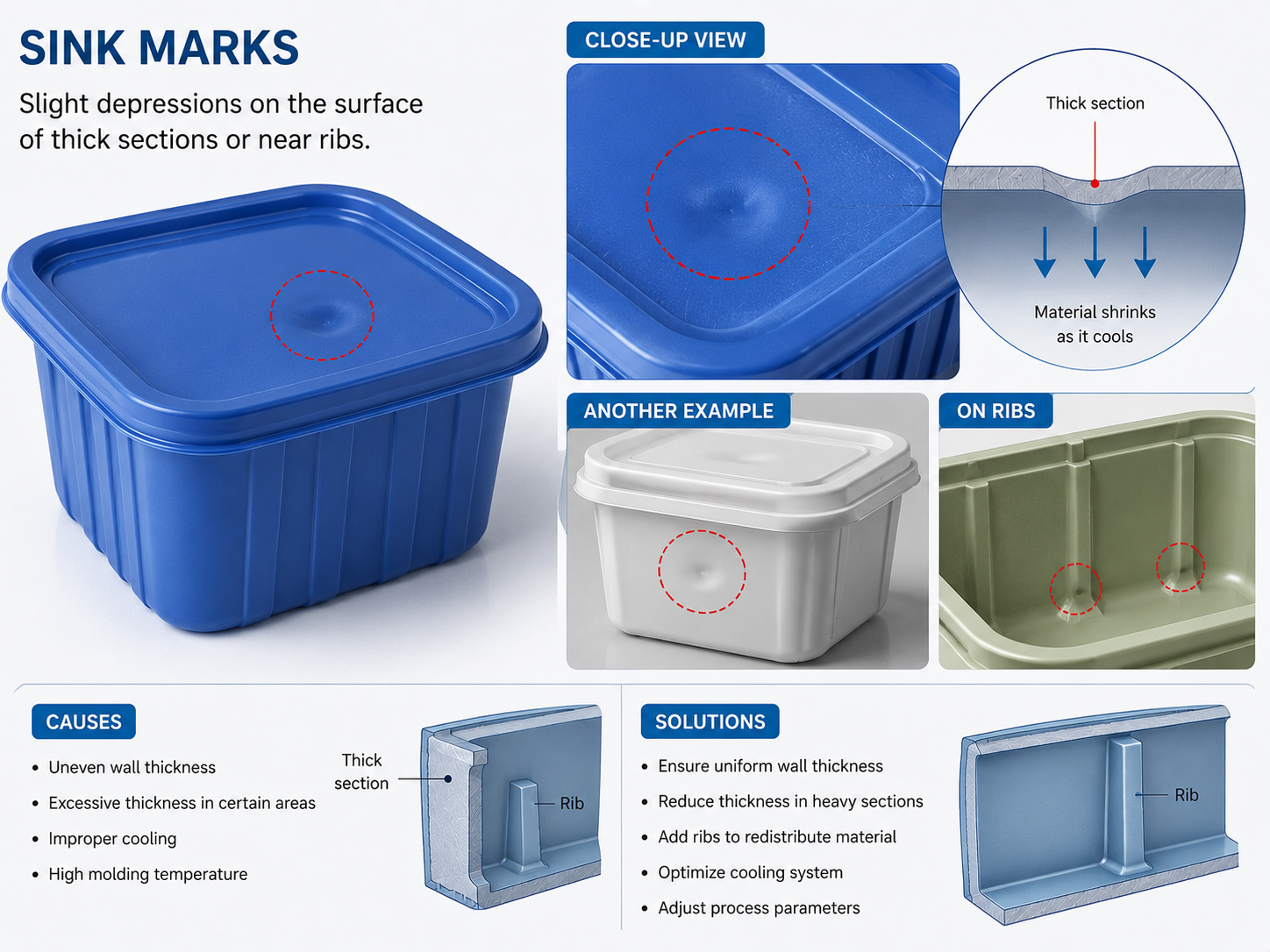
Sink MarksThick wall sectionsOptimize wall thickness
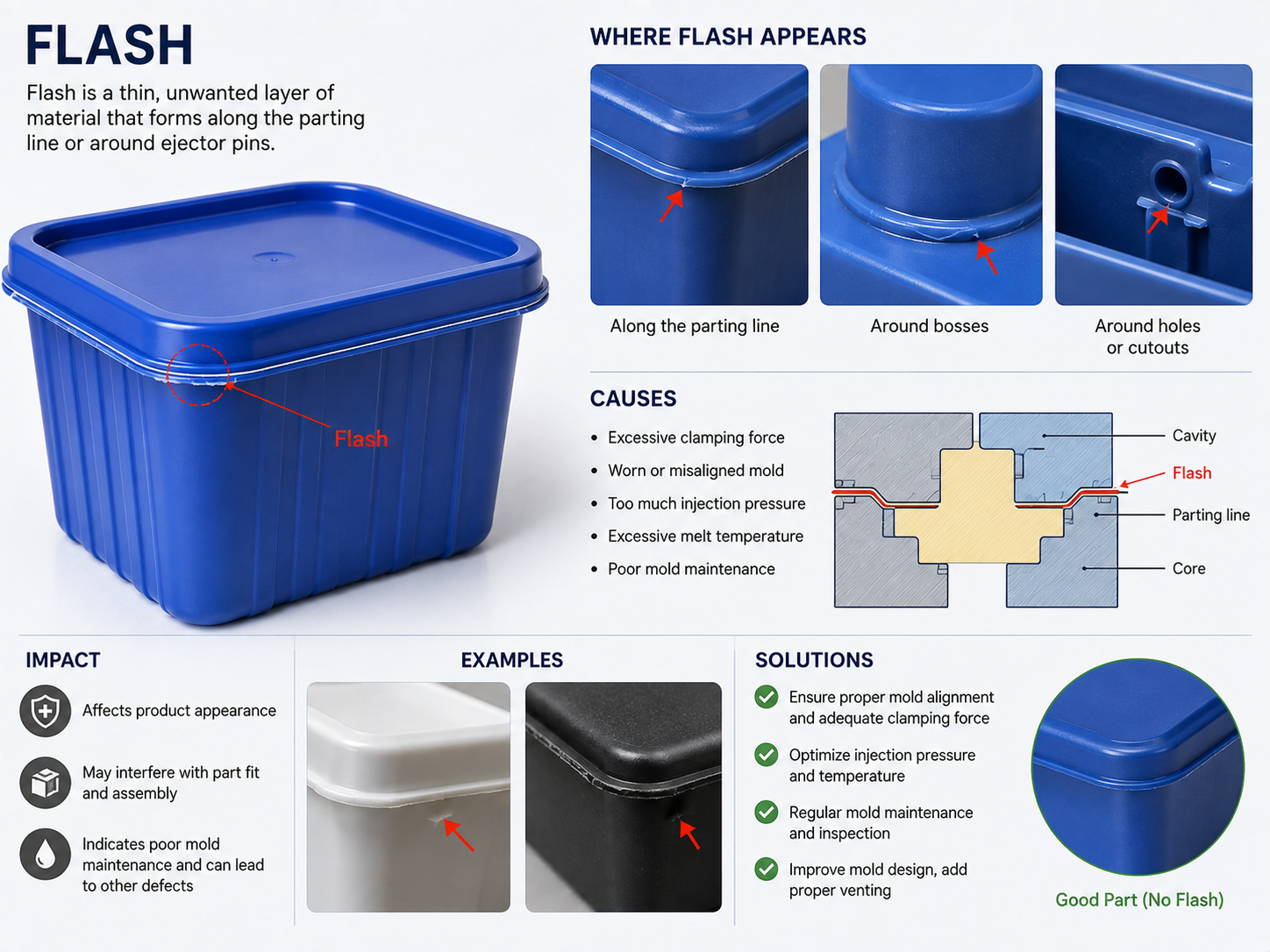
FlashMold wear or poor clampingImprove mold maintenance
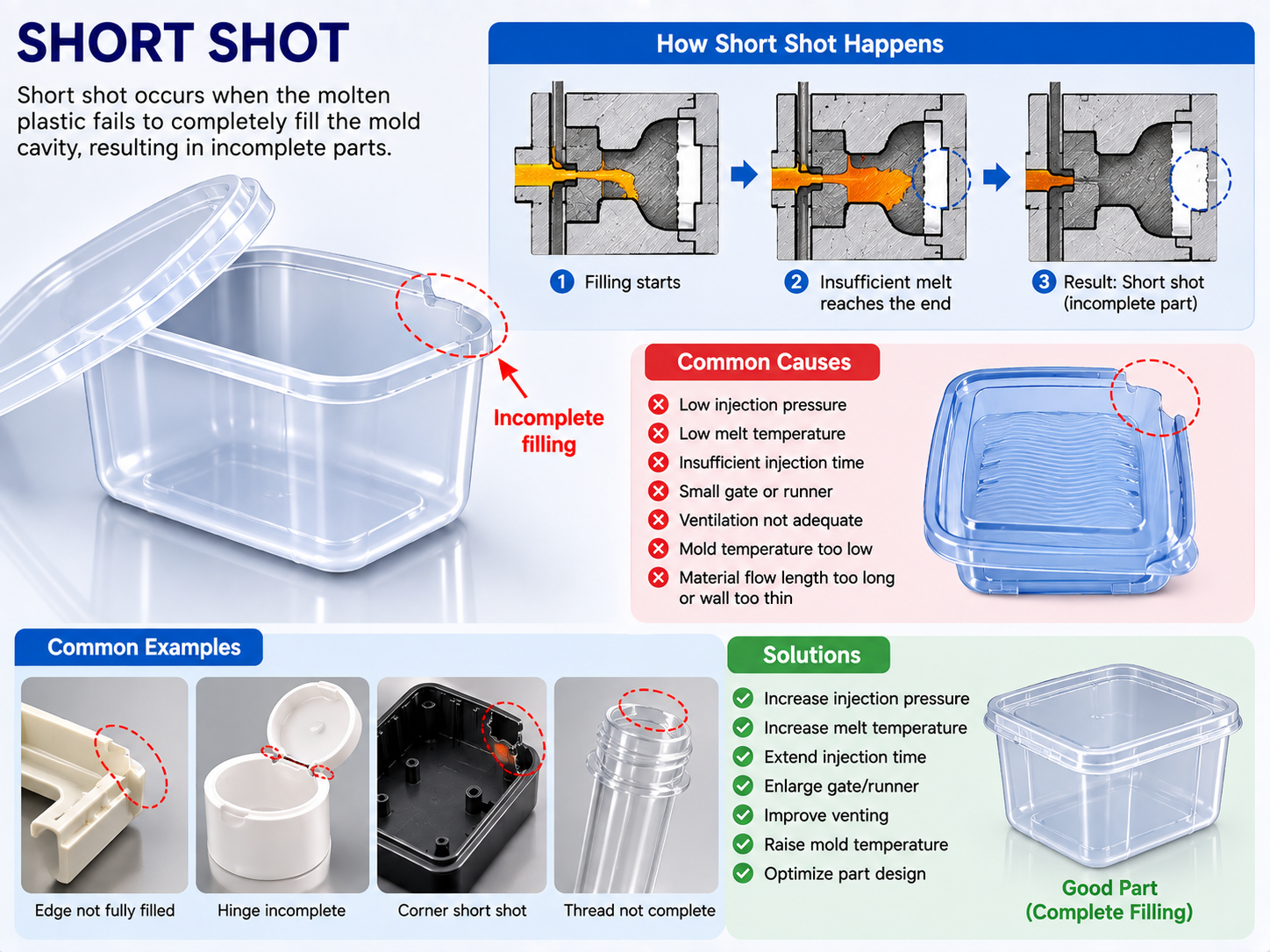
Short ShotInadequate fillingOptimize gate design
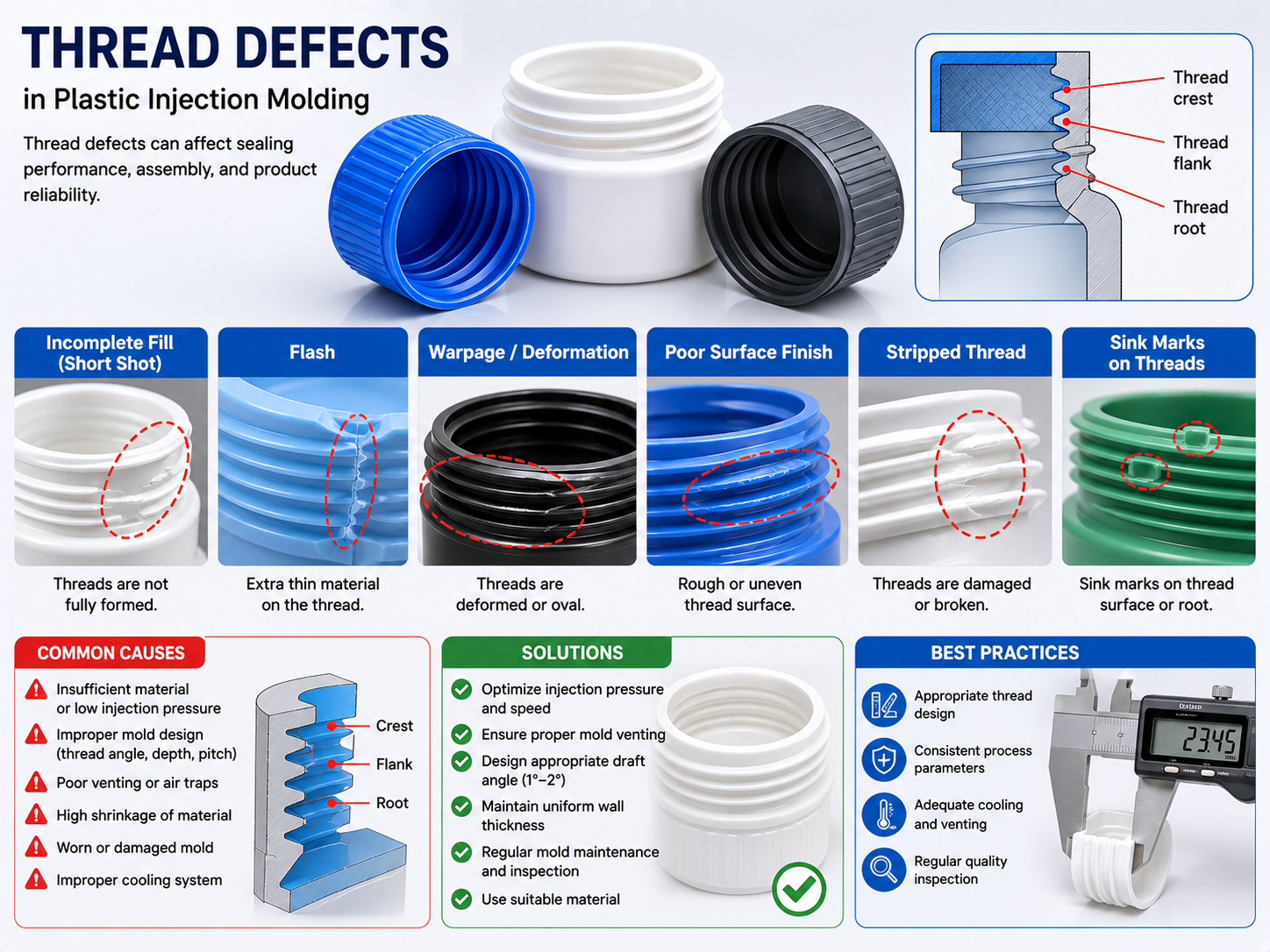
Thread DefectsPoor mold alignmentImprove machining precision
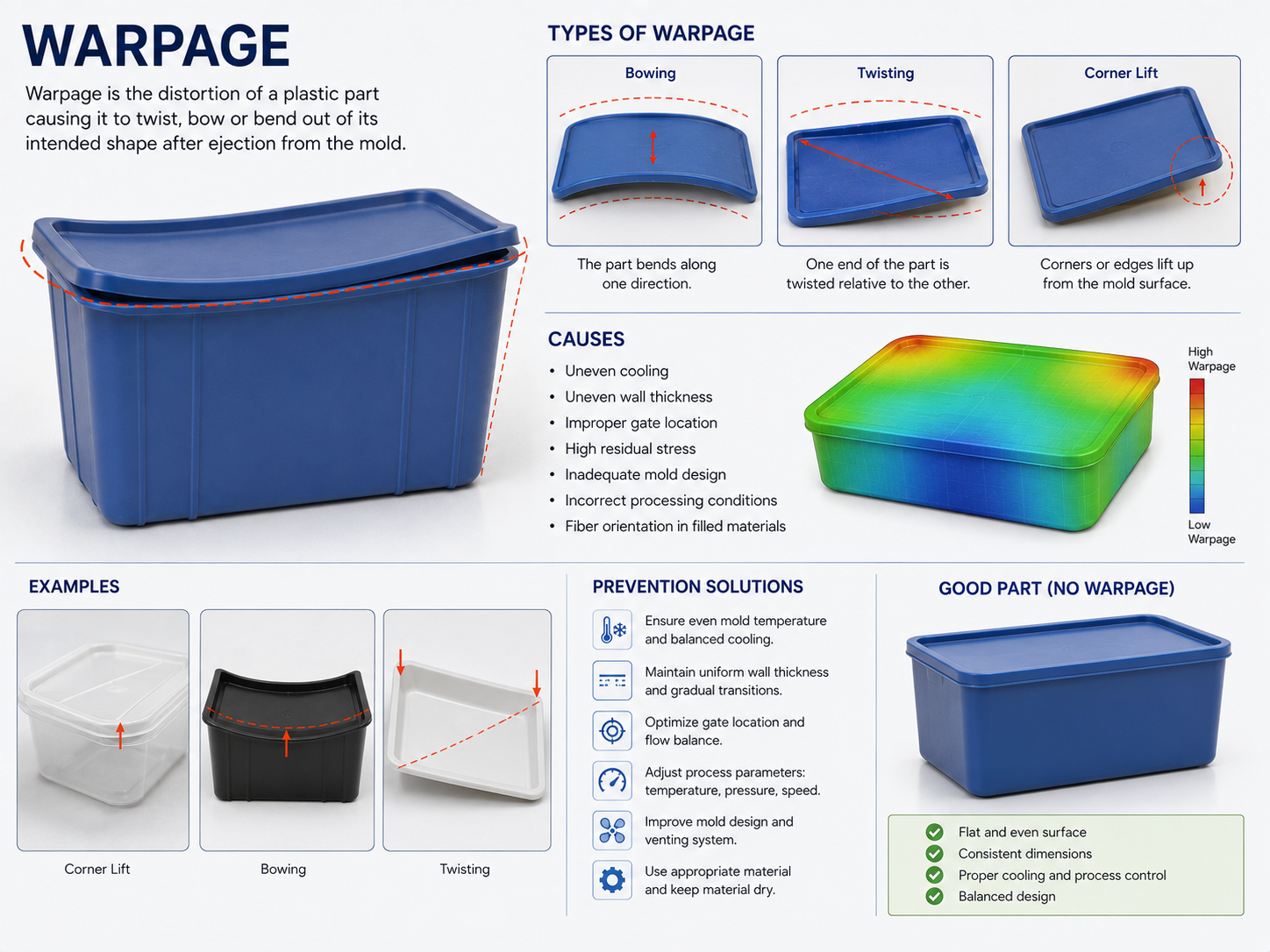
WarpageUneven coolingOptimize cooling channels
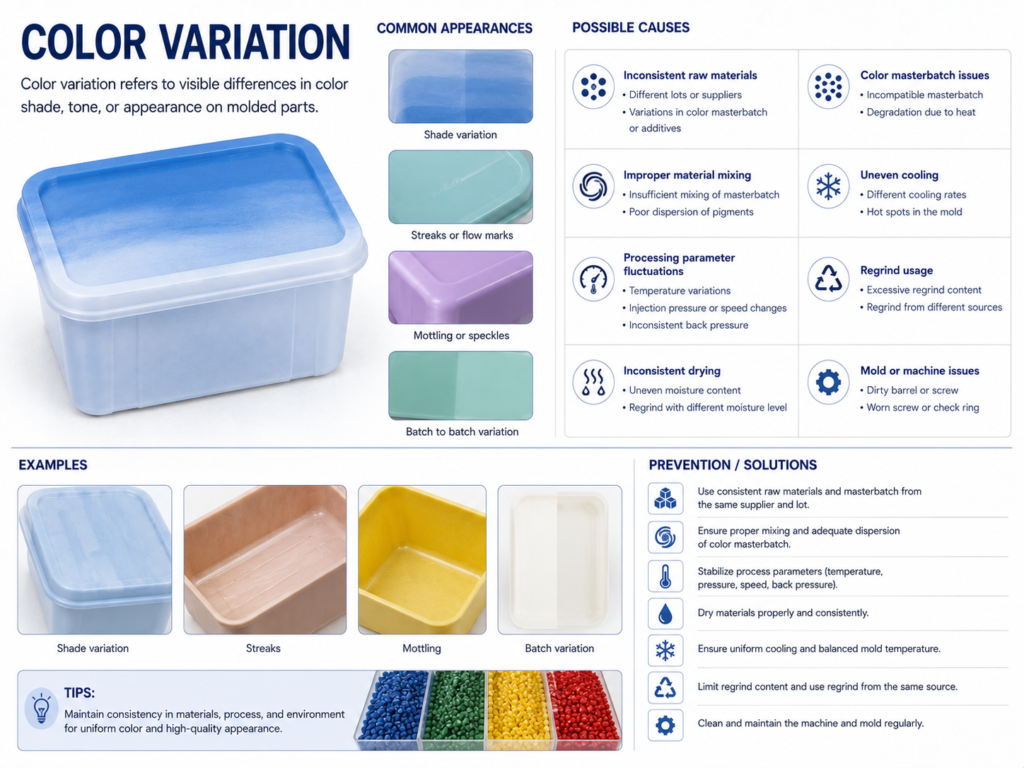
Color VariationMaterial inconsistencyTight material control
LeakagePoor sealing designOptimize sealing geometry

Using DFM analysis and Moldflow simulation during product development helps identify potential manufacturing issues before tooling begins.

Sustainable Packaging and Recycled Materials

Sustainability has become a major focus in the packaging industry. Many global brands are reducing plastic waste by adopting recyclable materials, lightweight designs, and reusable packaging systems.

Injection molding supports these initiatives through efficient material utilization and compatibility with recycled and bio-based plastics.

Sustainable Solutions

  • Recycled PP (rPP)
  • Recycled HDPE (rHDPE)
  • Bio-based plastics
  • Lightweight structural optimization
  • Reusable packaging
  • Mono-material packaging for easier recycling

Designing for recyclability from the beginning of a project helps improve environmental performance without compromising product quality.


Sustainable Material Comparison

MaterialRecyclabilityTypical Applications
PPExcellentFood containers
HDPEExcellentBottles
PETExcellentTransparent packaging
rPPExcellentIndustrial packaging
rHDPEExcellentHousehold packaging

Why Choose Samgo for Packaging Injection Molding?

At Samgo, we provide complete tooling and manufacturing solutions for plastic packaging products across food, cosmetics, pharmaceuticals, household goods, and industrial applications.

Our Capabilities

ServiceCustomer Benefit
Product Design SupportFaster product development
DFM AnalysisImproved manufacturability
Moldflow SimulationReduced tooling risk
Precision Mold ManufacturingLong mold life
High-Volume Injection MoldingStable production
Surface Decoration SupportPremium appearance
Quality InspectionConsistent product quality

Our engineering team works closely with customers to optimize product performance, production efficiency, and manufacturing cost from concept through mass production.


Frequently Asked Questions

Which plastic is most commonly used for food packaging?

Polypropylene (PP) is one of the most widely used materials because it offers excellent chemical resistance, food-contact safety, low cost, and good processing performance.

Can injection molded packaging be recycled?

Yes. Many packaging materials such as PP, HDPE, and PET are recyclable. Packaging designed with mono-material structures is generally easier to recycle than multi-material assemblies.

Why is Moldflow analysis important for packaging?

Packaging products often feature thin walls and complex geometries. Moldflow simulation helps optimize filling balance, reduce warpage, minimize weld lines, and shorten development time.

Does Samgo manufacture custom packaging molds?

Yes. We provide custom injection molds and plastic parts for food packaging, cosmetic containers, pharmaceutical packaging, household products, and industrial packaging applications.

Conclusion

Injection molding is a cornerstone technology for the modern packaging industry, enabling manufacturers to produce high-quality, cost-effective, and visually appealing plastic packaging components at scale. From food containers and cosmetic jars to pharmaceutical closures and industrial protective packaging, the process offers exceptional design flexibility, dimensional accuracy, and production efficiency.

Successful packaging projects depend on selecting suitable materials, complying with international standards, optimizing mold design, and implementing rigorous quality control. As sustainability becomes increasingly important, integrating recyclable materials and environmentally conscious design practices will help manufacturers meet market expectations while supporting long-term business growth.

At Samgo, we combine engineering expertise, precision mold manufacturing, and advanced injection molding capabilities to deliver reliable packaging solutions tailored to your application and production requirements.

Get the latest price? We will reply as soon as possible (within 12 hours)

Plastic Injection Molding Gate Types: Selection, Design Principles, Advantages, and Applications

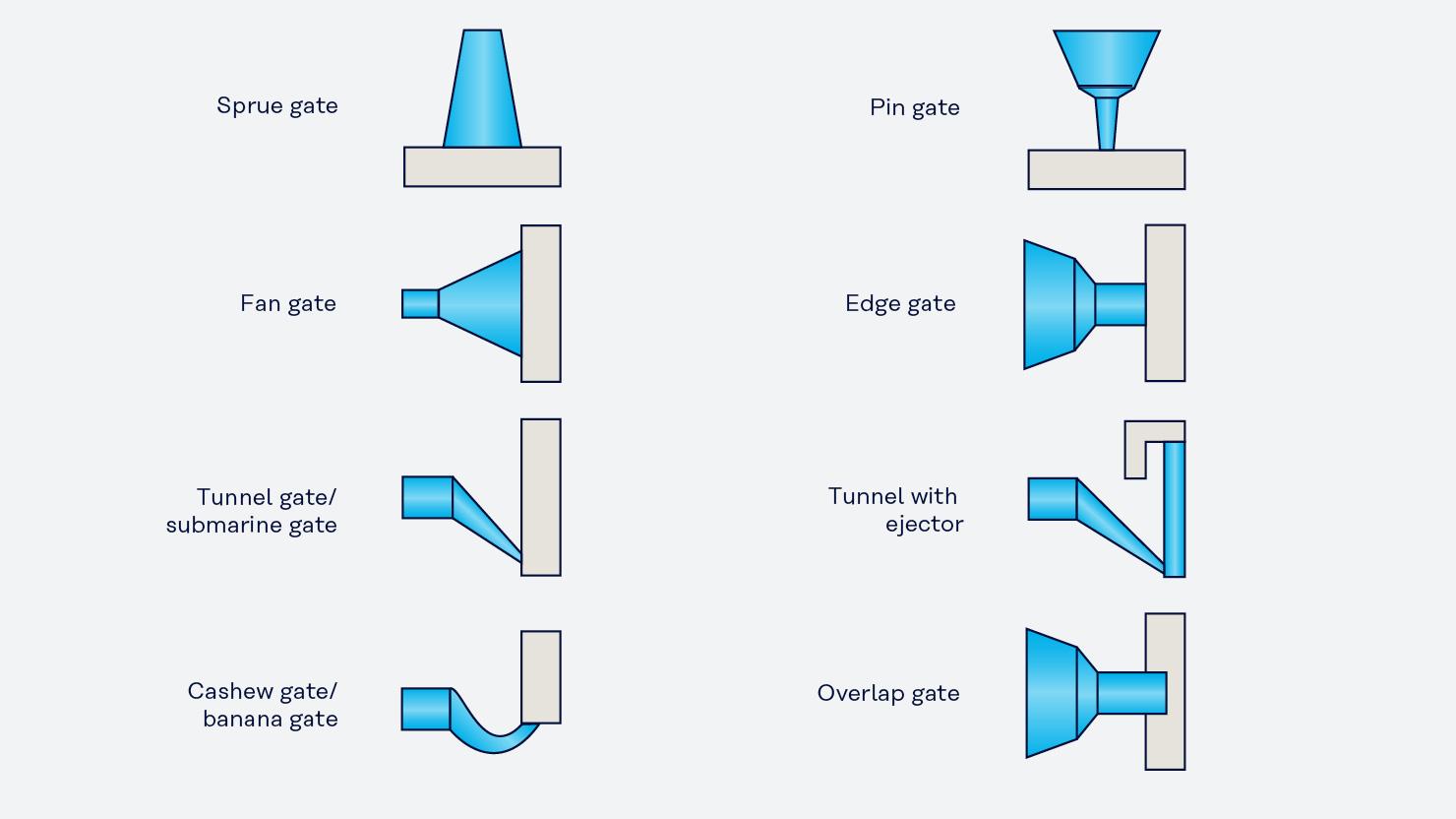
Gate design is one of the most critical aspects of plastic injection mold engineering. Although the gate is usually the smallest feature in the runner system, it has a significant influence on melt flow, packing pressure, cooling efficiency, part appearance, cycle time, and overall product quality.

A poorly designed gate can cause numerous molding defects, including short shots, sink marks, weld lines, jetting, burn marks, excessive gate vestige, and part warpage. Conversely, selecting the appropriate gate type and location helps ensure balanced filling, consistent dimensional accuracy, and efficient production.

Read More »

Polypropylene (PP) Materials: Types, Grades, Properties, and Applications

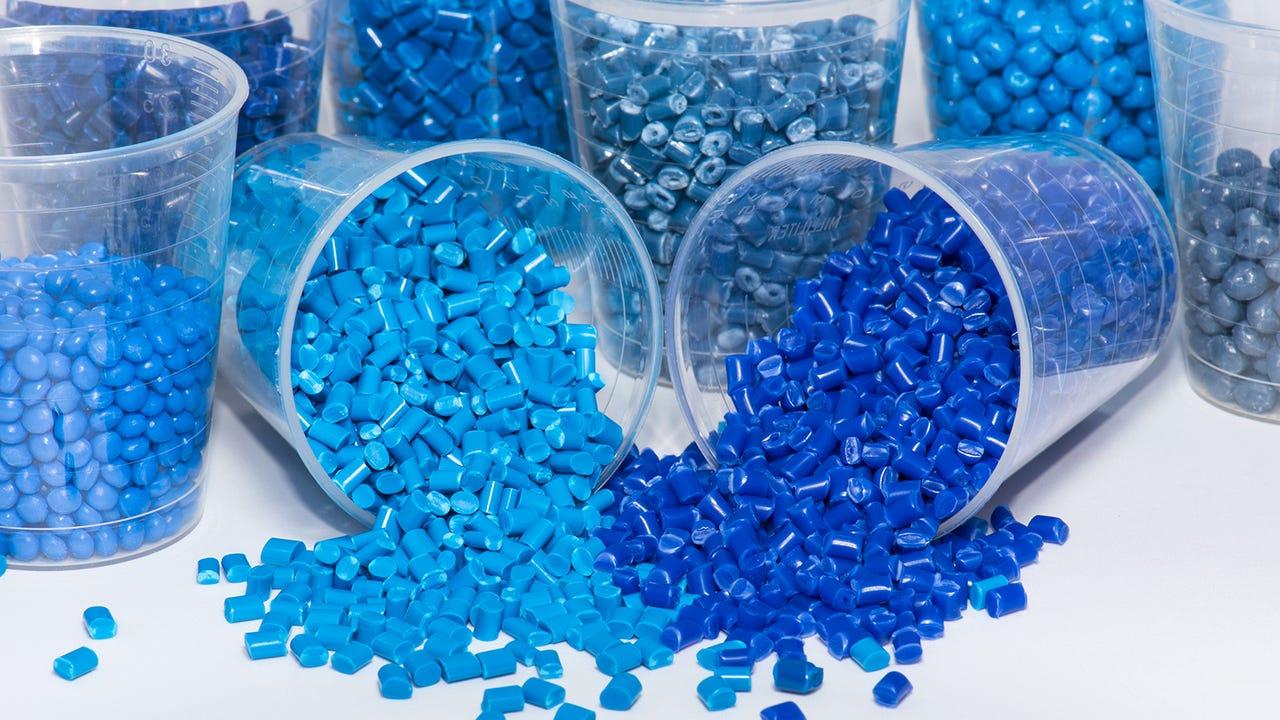
Polypropylene (PP) is one of the world’s most widely used thermoplastics, accounting for a significant share of global plastic production. Thanks to its excellent balance of mechanical properties, chemical resistance, lightweight characteristics, and cost-effectiveness, PP has become the preferred material for countless injection molded products across automotive, household, medical, packaging, electrical, and industrial applications.

Modern polypropylene is available in many different grades and formulations. Manufacturers can choose from homopolymer PP, random copolymer PP, impact copolymer PP, glass fiber reinforced PP, mineral-filled PP, flame-retardant PP, UV-stabilized PP, and food-grade PP depending on product requirements.

Read More »

Injection Mold Flow Analysis: A Complete Guide to Moldflow Simulation for Plastic Parts

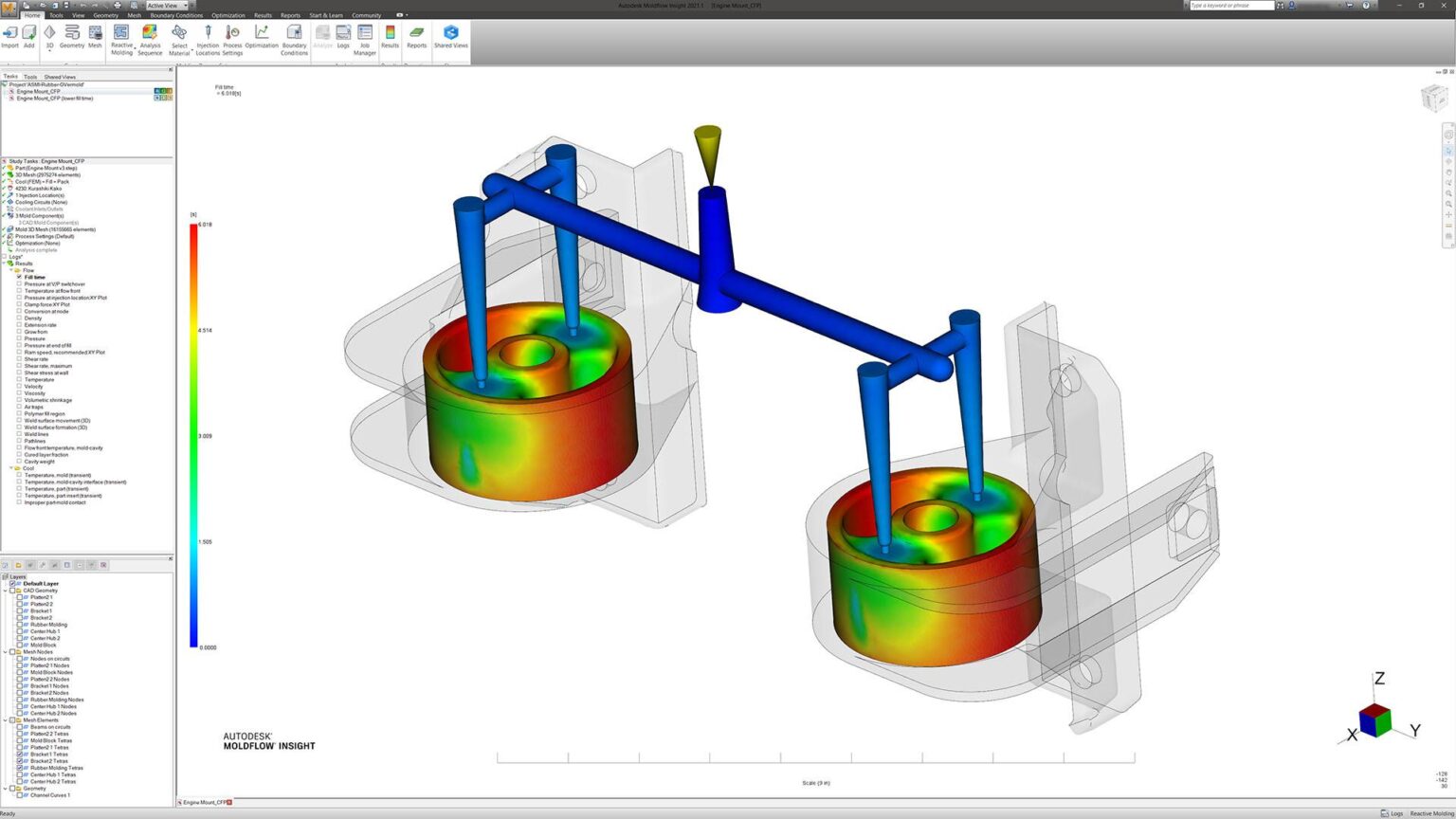
In modern plastic product development, mold manufacturing is no longer based solely on engineering experience. Computer-Aided Engineering (CAE) has become an essential part of the injection molding process, enabling engineers to predict potential molding defects before a mold is manufactured. Among these technologies, Injection Mold Flow Analysis, often referred to as Moldflow Analysis, is one of the most valuable engineering tools for reducing development risks, shortening lead times, and improving part quality.

Read More »

Injection Mold Structure Explained: A Complete Guide to Plastic Mold Components and Design

Plastic injection molding is one of the most efficient manufacturing processes for producing high-quality plastic components with exceptional precision and repeatability. However, the quality of every molded product depends largely on the design and construction of the injection mold itself. A well-engineered mold is far more than a block of steel—it is a sophisticated mechanical system that controls molten plastic flow, cooling, part ejection, dimensional accuracy, and production efficiency.

An injection mold typically consists of dozens or even hundreds of precision-machined components working together throughout every molding cycle. Each component has a specific purpose, from guiding molten plastic into the cavity to removing the finished part without damage. Even minor improvements in mold structure can significantly reduce cycle time, improve product quality, extend mold life, and lower manufacturing costs.

Read More »

Plastic Color Matching for Injection Molding: A Complete Guide to RAL, Pantone, Masterbatch, and Custom Colors

Color is far more than an aesthetic feature in plastic injection molding—it plays a critical role in product branding, customer perception, quality control, and market differentiation. Whether manufacturing consumer electronics, automotive interiors, medical devices, industrial equipment, or outdoor products, achieving accurate and consistent color matching is essential for product success.

Read More »