

Introduction
Consumer electronics have become an indispensable part of modern life, ranging from smartphones and laptops to smart home devices, wearable technology, wireless earbuds, and gaming accessories. Behind the sleek appearance and reliable performance of these products lies one of the most important manufacturing technologies: plastic injection molding.
Injection molding enables manufacturers to produce lightweight, durable, and highly precise plastic components in large volumes while maintaining excellent dimensional consistency and cost efficiency. From intricate internal brackets to high-gloss exterior housings, the process supports complex geometries that would be difficult or expensive to manufacture using other methods.
As consumer expectations continue to rise, electronic products require not only attractive designs but also superior mechanical performance, tight dimensional tolerances, excellent surface finishes, and compatibility with automated assembly lines. Material selection, mold design, and process optimization therefore play critical roles in ensuring product quality and production efficiency.
At Samgo, we provide complete engineering solutions for consumer electronics, including industrial design support, DFM analysis, Moldflow simulation, precision mold manufacturing, and high-volume injection molding. This guide explores the applications of injection molding in consumer electronics, commonly used materials, manufacturing requirements, and best engineering practices.
Why Injection Molding Is Ideal for Consumer Electronics
Consumer electronics demand precision, repeatability, and aesthetic excellence. Injection molding meets these requirements by producing complex plastic components with consistent quality at competitive costs.
Key Advantages
- High dimensional accuracy
- Excellent repeatability for mass production
- Lightweight yet durable components
- Wide range of engineering plastics
- Superior cosmetic surface finishes
- Integration of complex features in one molding cycle
- Compatibility with automated assembly
- Cost-effective high-volume manufacturing
These benefits make injection molding the preferred production method for everything from smartphone housings to smart appliance components.
Benefits of Injection Molding for Consumer Electronics
| Benefit | Value for Electronics Manufacturing |
|---|---|
| High Precision | Reliable assembly and tight tolerances |
| Excellent Appearance | Smooth surfaces and premium finishes |
| Material Flexibility | Supports PC, ABS, PC/ABS, PA, PBT, PPS and more |
| High Productivity | Suitable for millions of parts |
| Design Freedom | Complex geometries in one part |
| Cost Efficiency | Low unit cost in mass production |


Applications of Injection Molding in Consumer Electronics
Injection molding is used in nearly every category of consumer electronics, from handheld devices to home automation products.
1. Mobile Devices
Modern smartphones and tablets contain dozens of injection molded plastic components, including:
- Internal structural frames
- Battery holders
- Camera brackets
- SIM card trays
- Button components
- Speaker housings
These parts require high dimensional accuracy and excellent surface quality to support automated assembly and premium product appearance.
2. Smart Home Devices
Injection molding is widely used in:
- Smart speakers
- Wi-Fi routers
- Security cameras
- Smart doorbells
- Smart thermostats
- Home automation controllers
Many of these products require flame-retardant materials and attractive cosmetic finishes suitable for visible consumer products.
3. Computer Accessories
Typical injection molded components include:
- Keyboard housings
- Mouse shells
- Laptop bottom covers
- Monitor bezels
- Docking station enclosures
- Cable management components
These products often require textured surfaces, dimensional stability, and impact resistance.
Consumer Electronics Product Categories
| Product Category | Typical Injection Molded Components |
|---|---|
| Smartphones | Frames, brackets, camera holders |
| Smart Home Devices | Router housings, smart speakers, security cameras |
| Computer Accessories | Keyboard shells, mouse housings, monitor bezels |
| Wearable Devices | Smartwatch housings, charging docks |
| Audio Equipment | Earbud charging cases, speaker enclosures |
| Gaming Products | Controller shells, VR headset components |


Common Materials for Consumer Electronics
Material selection determines product durability, appearance, heat resistance, and electrical performance.
Frequently Used Materials
| Material | Key Characteristics | Typical Applications |
|---|---|---|
| ABS | Toughness, easy processing | Keyboard, mouse, monitor housings |
| PC | High impact strength, transparency | Smart devices, transparent covers |
| PC/ABS | Excellent balance of toughness and appearance | Laptop and router housings |
| PA66 GF30 | High stiffness | Internal structural brackets |
| PBT | Electrical insulation | Connectors and switch components |
| PPS | High heat resistance | Precision electronic components |
| LCP | Excellent flowability | Miniature connectors |
PC/ABS remains one of the most popular materials because it combines the toughness of polycarbonate with the excellent processability and surface finish of ABS.

Design Requirements for Consumer Electronics
Consumer electronics are expected to deliver not only excellent functionality but also premium aesthetics, lightweight construction, and long-term durability. Plastic components must therefore satisfy demanding engineering and industrial design requirements.
Key design considerations include:
- Tight dimensional tolerances for automated assembly
- Thin-wall design to reduce weight
- High structural strength
- Excellent impact resistance
- Attractive cosmetic surfaces
- Heat resistance for electronic components
- Good electrical insulation
- Long-term dimensional stability
For portable devices, engineers also need to optimize wall thickness, rib structures, snap-fit features, and screw bosses to balance mechanical strength with material efficiency.
Design Requirements Overview
| Requirement | Engineering Objective |
|---|---|
| Dimensional Accuracy | Reliable assembly |
| Lightweight Design | Improved portability |
| High Impact Resistance | Better durability |
| Premium Surface Finish | Enhanced product appearance |
| Thermal Stability | Protect internal electronics |
| Electrical Insulation | Safe operation |


Surface Finishing Technologies
The appearance of a consumer electronic product is often a key purchasing factor. Modern injection molding supports a variety of decorative and functional surface finishing processes.
Texture Mold Surface
Chemical etching or laser texturing creates matte surfaces that improve grip and hide fingerprints.
Typical applications:
- Mouse housings
- Router enclosures
- Smart home devices
High Gloss Polishing
Mirror-polished mold cavities produce smooth, glossy surfaces suitable for premium products.
Applications include:
- Smart speakers
- Charging cases
- Beauty devices
IMD (In-Mold Decoration)
Printed films are inserted into the mold before injection, creating durable graphics that resist wear and scratching.
Typical products:
- Appliance control panels
- Automotive control interfaces
- Consumer electronics buttons
IML (In-Mold Labeling)
Labels are molded directly into the plastic component, eliminating secondary assembly while improving appearance.
Painting and Coating
Additional finishes include:
- UV coating
- Soft-touch coating
- Metallic painting
- Anti-scratch coating
Surface Finishing Comparison
| Technology | Appearance | Durability | Typical Applications |
|---|---|---|---|
| Mold Texture | Matte | Excellent | Router housings |
| High Gloss | Mirror | Excellent | Premium electronics |
| IMD | Decorative | Excellent | Control panels |
| IML | Decorative | Excellent | Appliance housings |
| Spray Painting | Flexible colors | Good | Consumer products |
| UV Coating | Scratch resistance | Excellent | Wearable devices |


EMI Shielding and Structural Design
Electronic devices generate electromagnetic interference (EMI), which can affect signal integrity and overall product performance. Although engineering plastics provide excellent electrical insulation, they do not inherently shield electromagnetic radiation.
To address this challenge, manufacturers often incorporate EMI shielding into the product design through conductive coatings, metal inserts, or specialized conductive plastics.
Common EMI Shielding Solutions
- Vacuum metallization
- Conductive spray coating
- Aluminum shielding plates
- Copper or stainless steel inserts
- Conductive engineering plastics
- EMI gaskets and conductive foam
Proper structural design should also consider ventilation, heat dissipation, cable routing, PCB support, and connector alignment.
EMI Solutions Comparison
| Solution | Cost | Shielding Performance | Typical Applications |
|---|---|---|---|
| Conductive Coating | Medium | High | Router housings |
| Vacuum Metallization | High | Excellent | Premium electronics |
| Metal Inserts | Medium | High | Communication devices |
| Conductive Plastics | High | Excellent | Industrial electronics |


Quality Control and Testing
High-volume consumer electronics production demands rigorous quality assurance to ensure consistency, reliability, and customer satisfaction.
Typical inspection activities include:
- Incoming material verification
- First Article Inspection (FAI)
- Dimensional measurement
- Appearance inspection
- Assembly verification
- Functional testing
- Environmental testing
- Packaging inspection
Many manufacturers also perform additional validation such as:
- Drop testing
- Thermal cycling
- Humidity testing
- UV aging
- Button life testing
- Hinge durability testing
Quality Control Workflow
| Inspection Stage | Purpose |
|---|---|
| Raw Material Inspection | Verify material properties |
| Mold Qualification | Validate tooling |
| First Article Inspection | Confirm dimensions |
| In-Process Inspection | Maintain production consistency |
| Functional Testing | Verify product performance |
| Final Inspection | Shipment approval |


Common Manufacturing Challenges and Solutions
Consumer electronics often combine thin-wall structures, cosmetic surfaces, and precision assemblies, creating unique manufacturing challenges.
| Challenge | Possible Cause | Engineering Solution |
|---|---|---|
| Sink Marks | Thick wall sections | Optimize wall thickness and packing pressure |
| Warpage | Uneven cooling | Improve cooling channel design |
| Weld Lines | Poor gate location | Optimize gate position using Moldflow |
| Flash | Mold mismatch | Improve mold precision |
| Surface Flow Marks | High shear stress | Adjust gate size and injection speed |
| Color Variation | Inconsistent material batches | Tight material management |
| Assembly Misalignment | Dimensional variation | Improve tolerance control |
By integrating DFM analysis and Moldflow simulation early in development, many of these issues can be prevented before tooling begins.

Why Choose Samgo for Consumer Electronics Injection Molding?
Samgo provides comprehensive engineering and manufacturing services for consumer electronics manufacturers worldwide.
Our Capabilities
| Service | Customer Benefit |
|---|---|
| Industrial Design Support | Faster product development |
| DFM Analysis | Reduced tooling risks |
| Moldflow Simulation | Optimized filling and cooling |
| Precision Mold Manufacturing | Long mold life |
| High-Volume Injection Molding | Stable production |
| Surface Finishing Support | Premium appearance |
| Quality Inspection | Reliable product consistency |
Whether you are developing smart home products, wearable devices, networking equipment, or premium consumer electronics, our experienced engineering team delivers high-quality plastic components that meet demanding market expectations.
Frequently Asked Questions
Which plastic material is most commonly used for consumer electronics?
PC/ABS is one of the most widely used materials because it offers an excellent balance of impact resistance, dimensional stability, heat resistance, and cosmetic appearance.
How can surface scratches be reduced?
Scratch resistance can be improved through mold texturing, UV hard coatings, anti-scratch coatings, and selecting engineering plastics with higher surface hardness.
Why is Moldflow analysis important?
Moldflow simulation helps optimize gate location, filling balance, cooling efficiency, and shrinkage prediction, reducing tooling modifications and improving product quality.
Can injection molded housings support wireless communication?
Yes. Plastic housings are widely used for Wi-Fi, Bluetooth, NFC, and 5G devices because engineering plastics do not significantly block radio frequency signals, unlike metal enclosures.
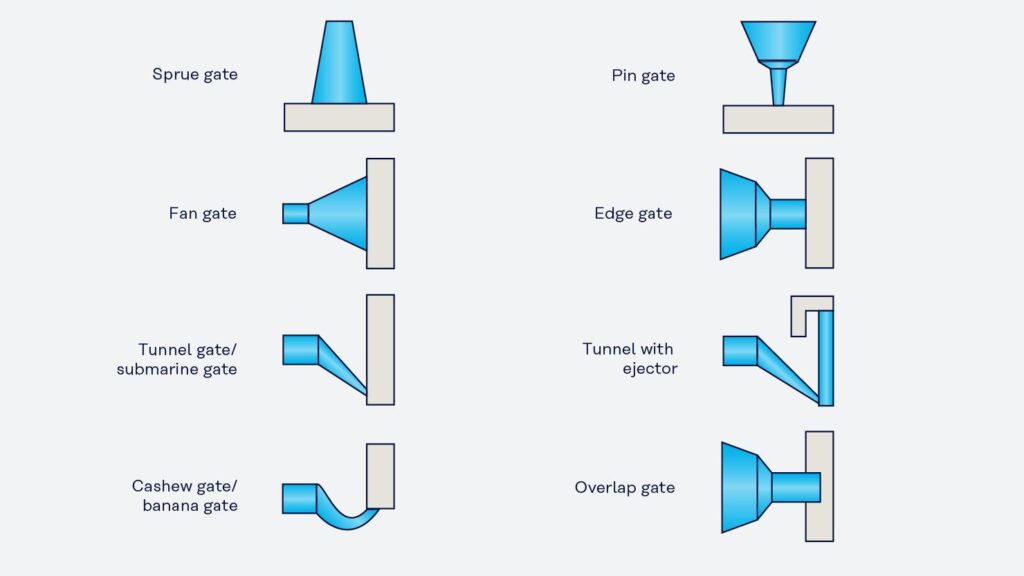
Plastic Injection Molding Gate Types: Selection, Design Principles, Advantages, and Applications
Gate design is one of the most critical aspects of plastic injection mold engineering. Although the gate is usually the smallest feature in the runner system, it has a significant influence on melt flow, packing pressure, cooling efficiency, part appearance, cycle time, and overall product quality.
A poorly designed gate can cause numerous molding defects, including short shots, sink marks, weld lines, jetting, burn marks, excessive gate vestige, and part warpage. Conversely, selecting the appropriate gate type and location helps ensure balanced filling, consistent dimensional accuracy, and efficient production.
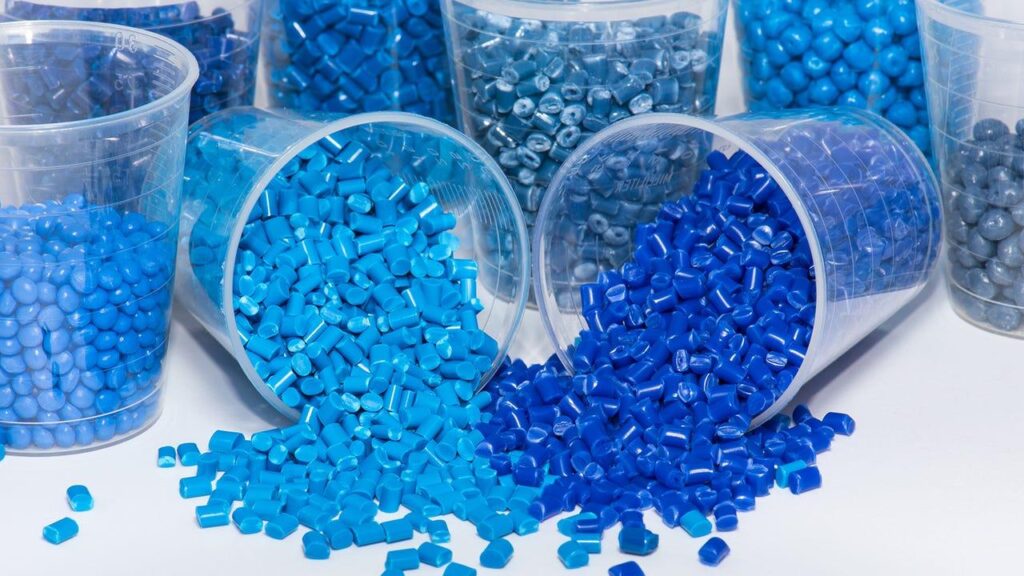
Polypropylene (PP) Materials: Types, Grades, Properties, and Applications
Polypropylene (PP) is one of the world’s most widely used thermoplastics, accounting for a significant share of global plastic production. Thanks to its excellent balance of mechanical properties, chemical resistance, lightweight characteristics, and cost-effectiveness, PP has become the preferred material for countless injection molded products across automotive, household, medical, packaging, electrical, and industrial applications.
Modern polypropylene is available in many different grades and formulations. Manufacturers can choose from homopolymer PP, random copolymer PP, impact copolymer PP, glass fiber reinforced PP, mineral-filled PP, flame-retardant PP, UV-stabilized PP, and food-grade PP depending on product requirements.
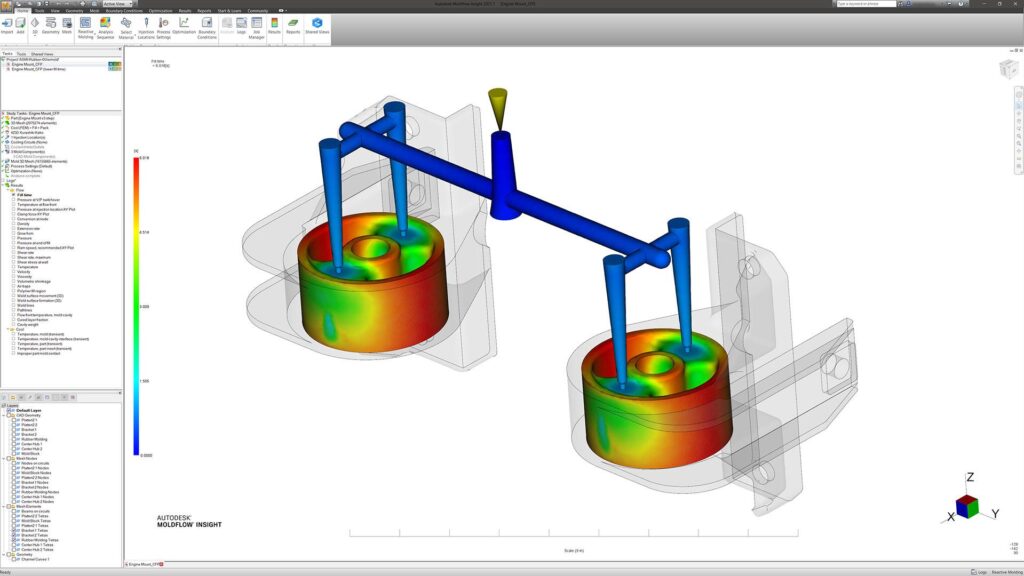
Injection Mold Flow Analysis: A Complete Guide to Moldflow Simulation for Plastic Parts
In modern plastic product development, mold manufacturing is no longer based solely on engineering experience. Computer-Aided Engineering (CAE) has become an essential part of the injection molding process, enabling engineers to predict potential molding defects before a mold is manufactured. Among these technologies, Injection Mold Flow Analysis, often referred to as Moldflow Analysis, is one of the most valuable engineering tools for reducing development risks, shortening lead times, and improving part quality.