
Injection Molding Applications in the New Energy Industry: Materials, Components, and Manufacturing Solutions

جدول المحتويات

مقدمة

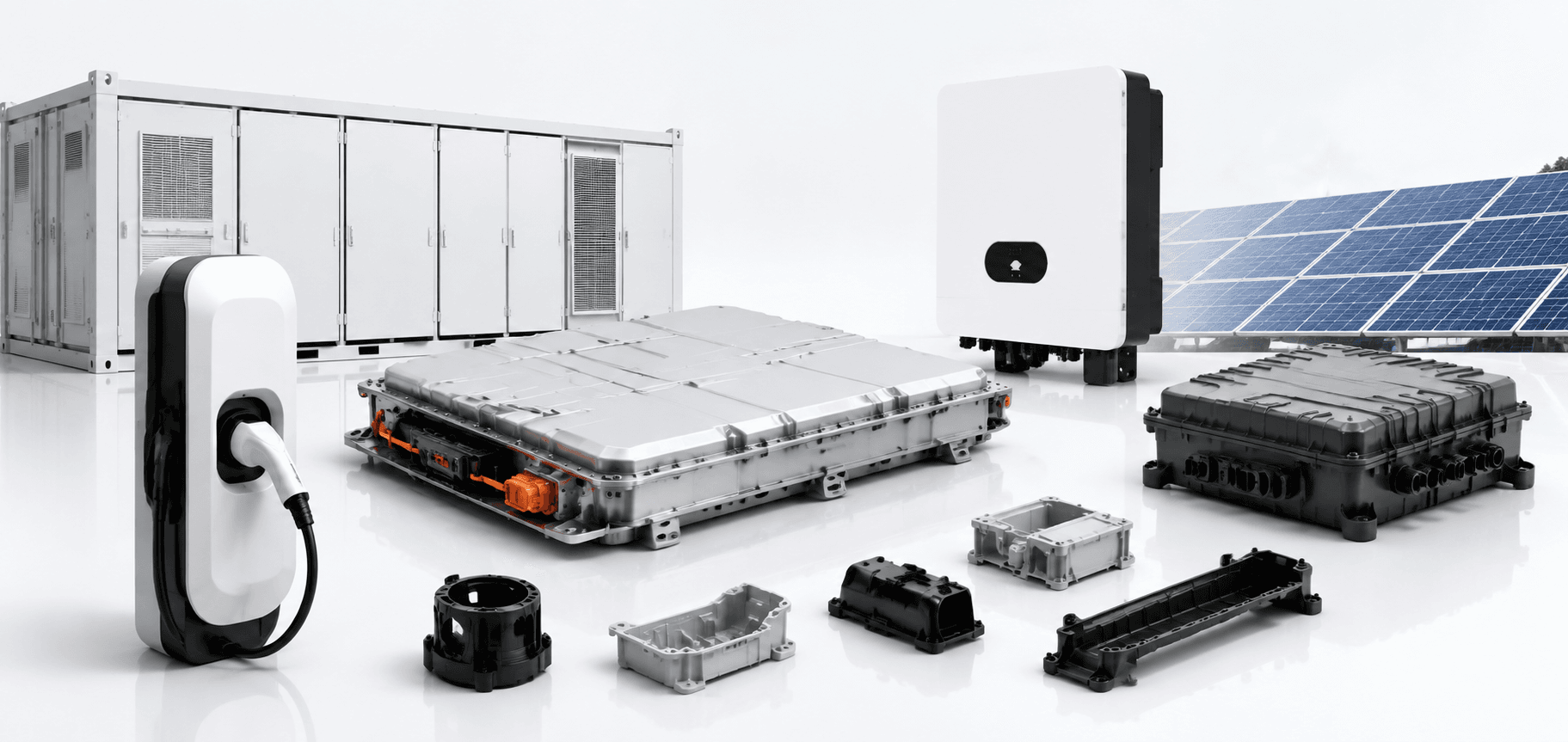
The global transition toward renewable energy and electrification has created rapid growth in new energy industries, including electric vehicles, energy storage systems, solar power equipment, charging infrastructure, and smart energy management devices.

Behind these technologies, high-performance plastic components play an essential role in protecting electrical systems, improving product reliability, reducing weight, and optimizing manufacturing costs.

القولبة بالحقن has become one of the most important production methods for new energy plastic components because it provides excellent repeatability, complex design capability, high-volume production efficiency, and compatibility with advanced engineering materials.

Unlike traditional industrial plastic parts, new energy applications often require higher performance standards, including:

  • عزل كهربائي
  • Flame resistance
  • مقاومة كيميائية
  • Thermal stability
  • دقة الأبعاد
  • Long-term environmental durability

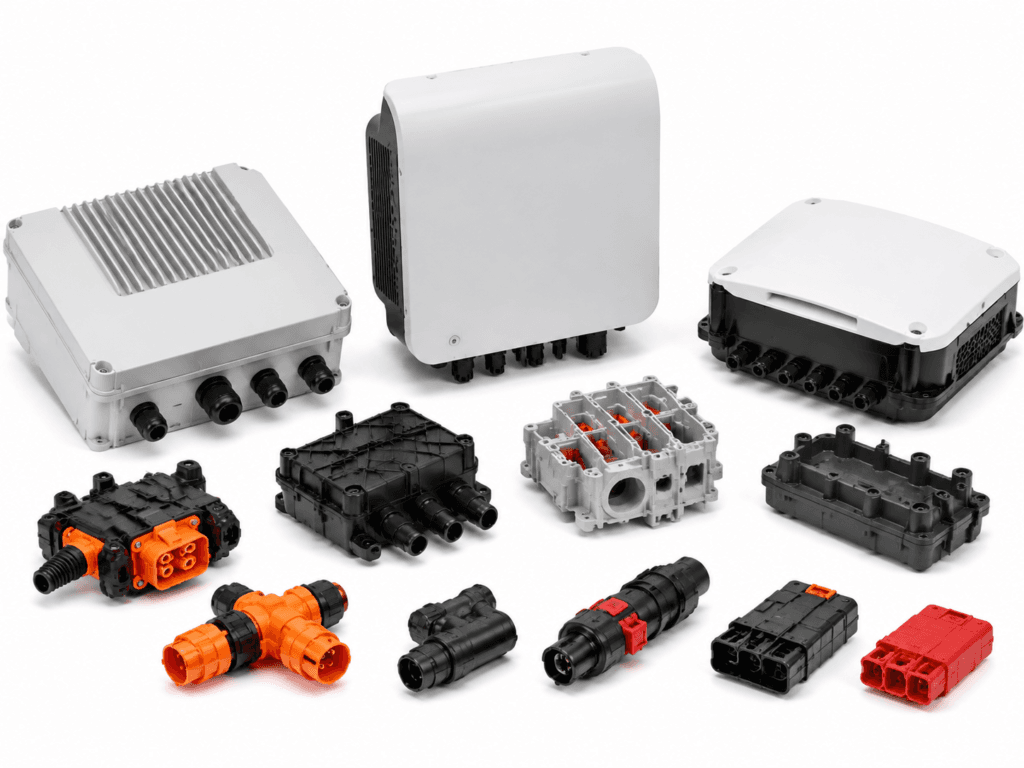
From battery module components and charging station housings to solar equipment covers and energy storage enclosures, injection molding supports the development of safer and more efficient energy products.

Samgo provides complete injection molding solutions for new energy applications, including product design optimization, DFM analysis, precision mold manufacturing, material selection, and mass production.


Why Injection Molding Is Important for New Energy Products

New energy equipment often operates under demanding conditions.

Components may experience:

  • High temperature environments
  • Electrical loads
  • Outdoor exposure
  • Vibration
  • Chemical exposure
  • Long service life requirements

Plastic injection molding provides manufacturers with reliable solutions for producing lightweight and durable components.


Advantages of Injection Molding for New Energy Applications

AdvantageValue
Electrical InsulationProtects electronic systems
Lightweight DesignReduces overall product weight
Complex GeometrySupports advanced structures
High Production EfficiencySuitable for mass production
مرونة الموادSupports engineering plastics
Consistent QualityStable production performance

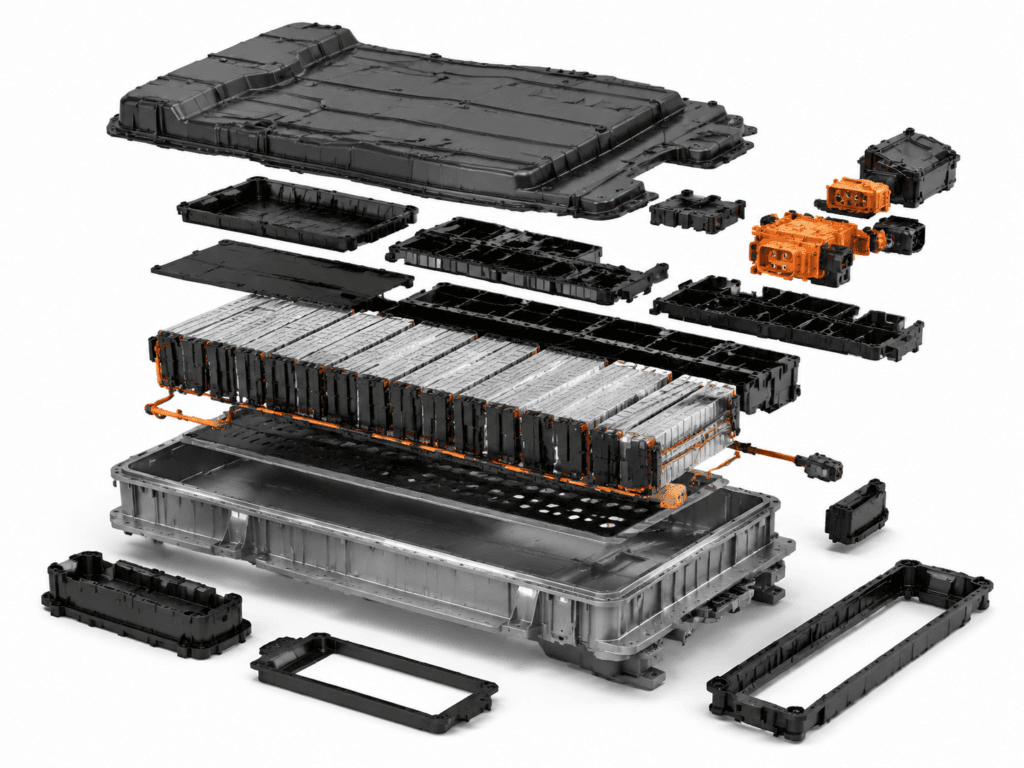
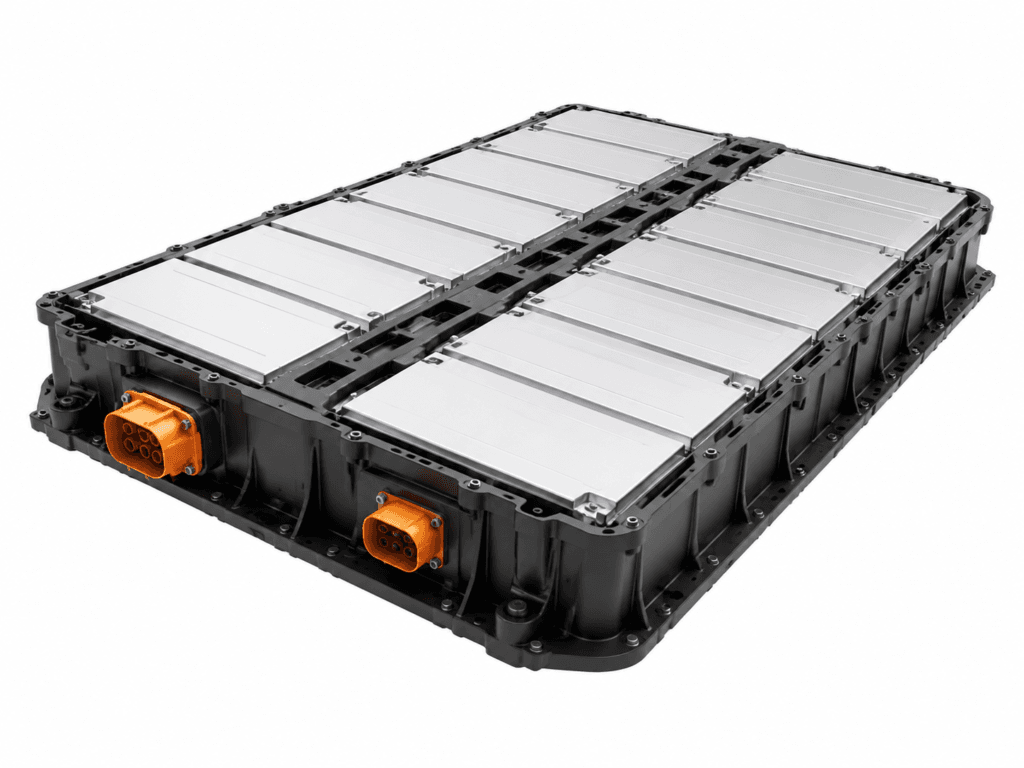
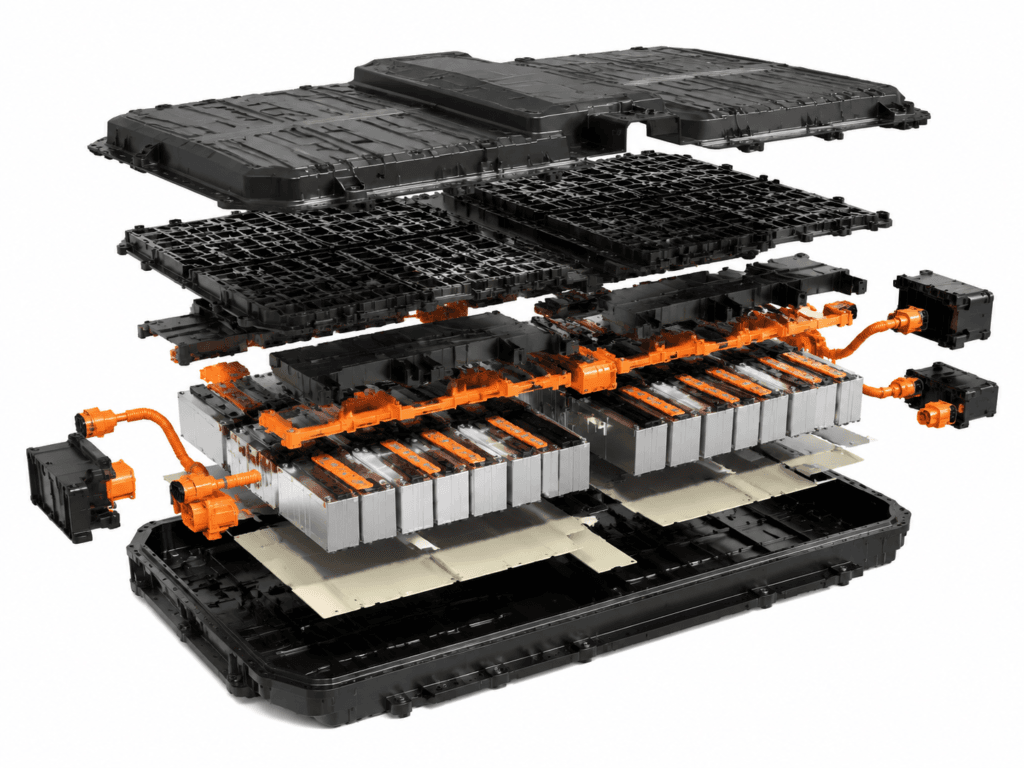
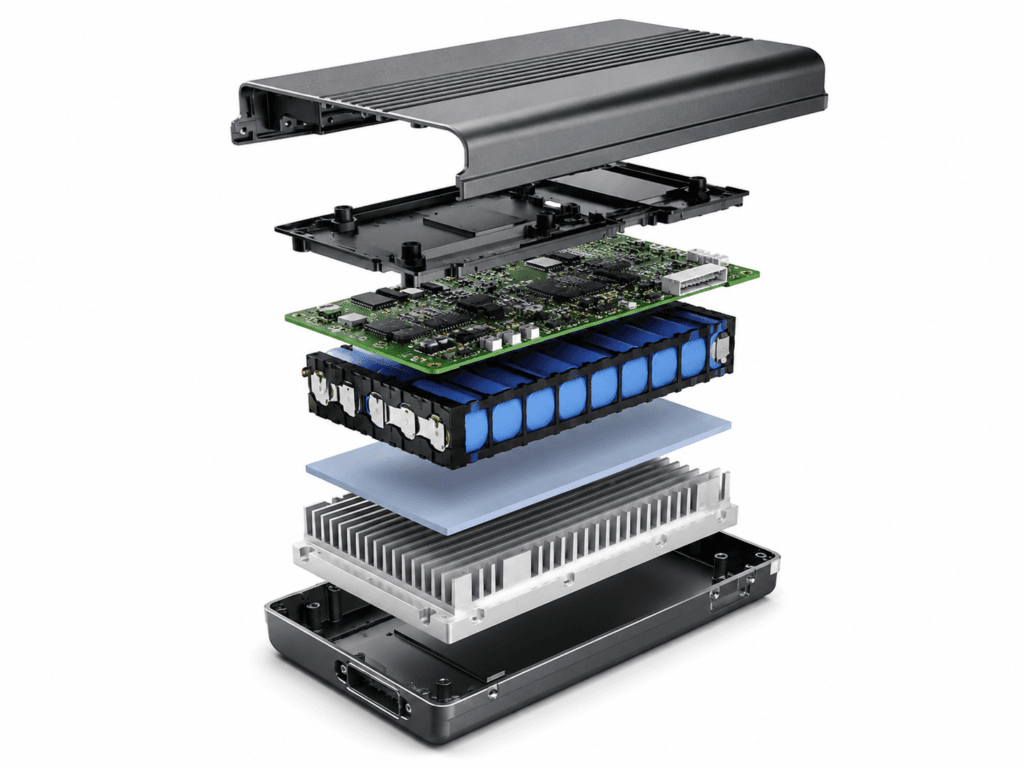
1. EV Battery System Plastic Components

Electric vehicle batteries require reliable protection systems to ensure safety, performance and durability.

Although battery cells and metal structures are critical, many surrounding components rely on high-performance plastic materials.

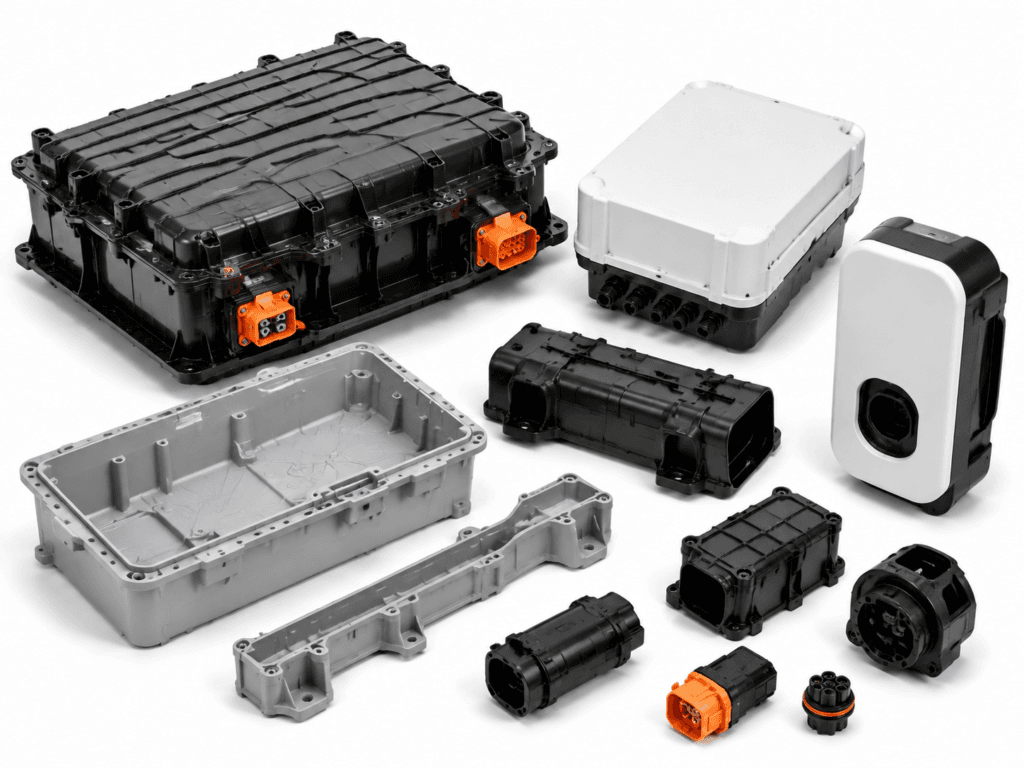
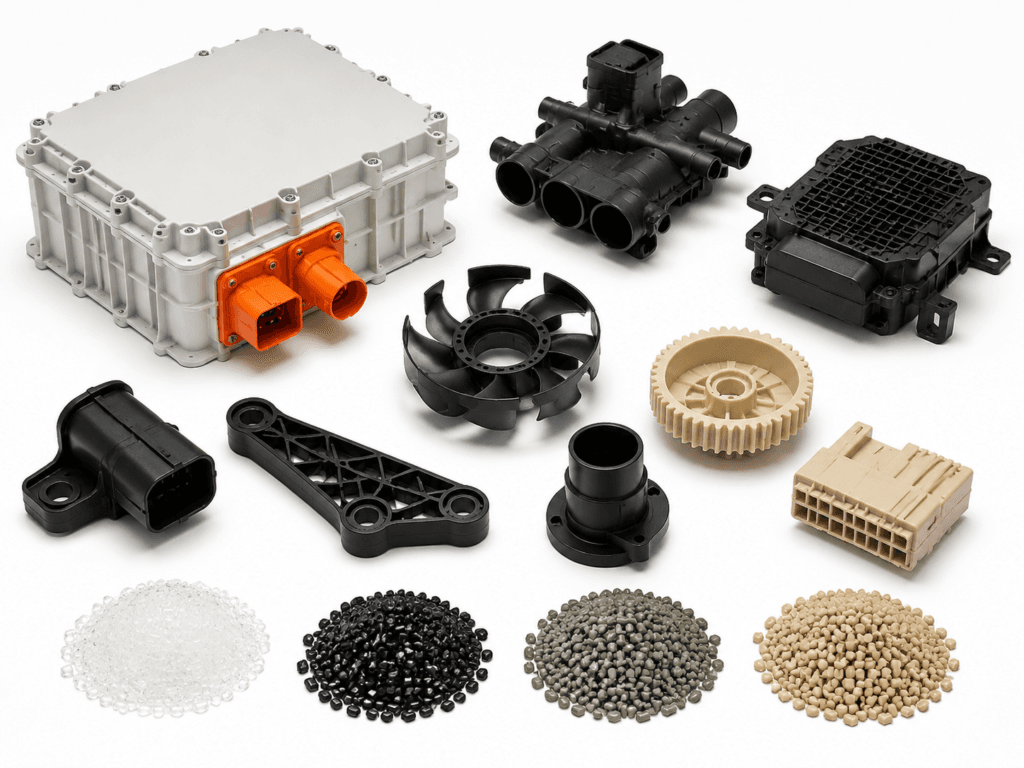
Typical injection molded battery components include:

  • Battery module covers
  • هياكل الموصلات
  • Cell holders
  • Insulation barriers
  • Cable protection components
  • Sensor brackets
  • Cooling system components

Plastic materials used in battery applications must provide:

  • عزل كهربائي
  • Flame retardancy
  • ثبات الأبعاد
  • مقاومة كيميائية
  • Temperature resistance

Common materials include:


EV Battery Plastic Components

مكونوظيفةRecommended Material
Battery CoverProtectionPC+ABS FR
Cell HolderPositioningPA66 GF
Connector Housingعزل كهربائيبي بي تي
Insulation BarrierSafety protectionFlame-retardant PP
Cooling ComponentsThermal managementPA GF

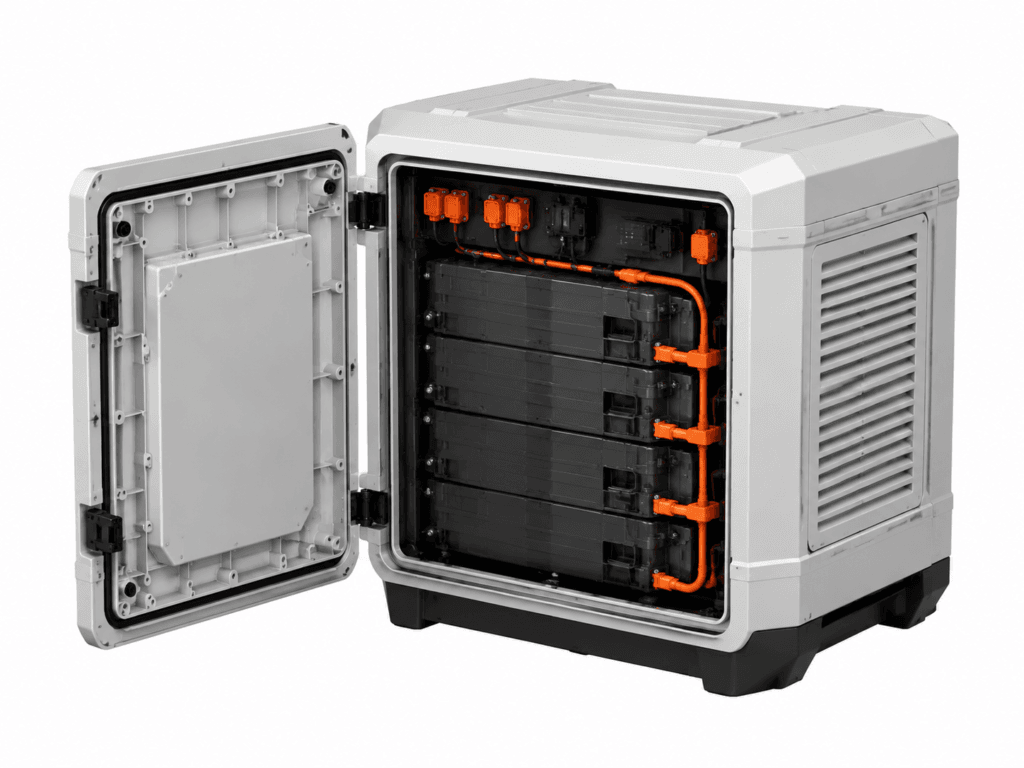
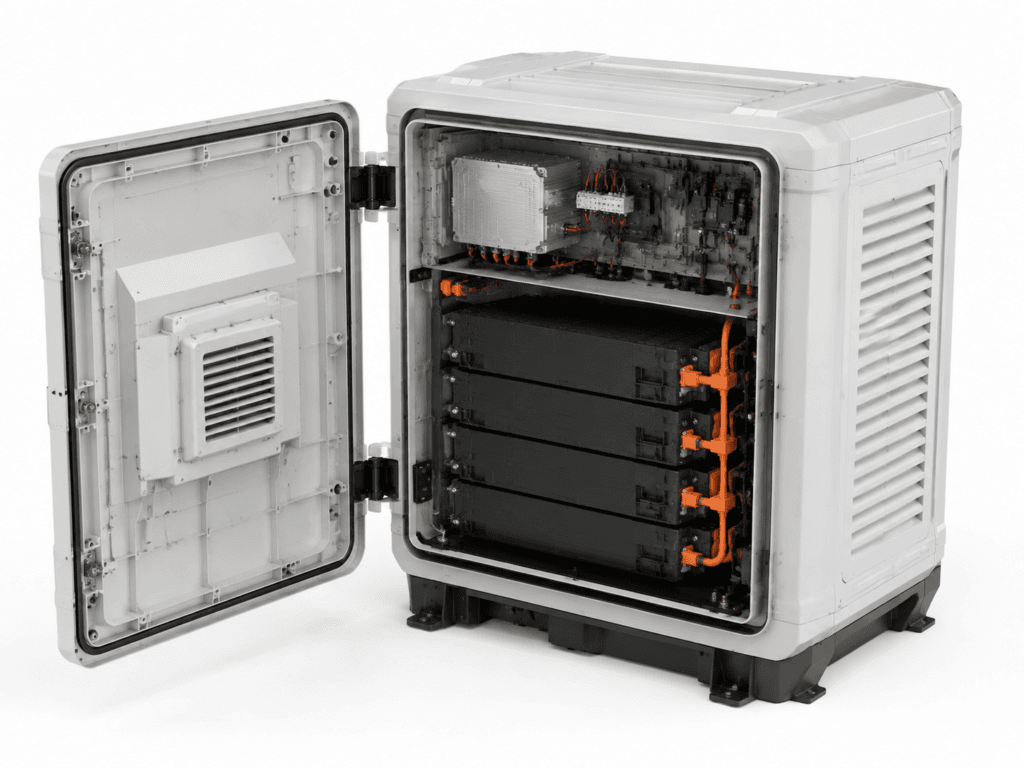
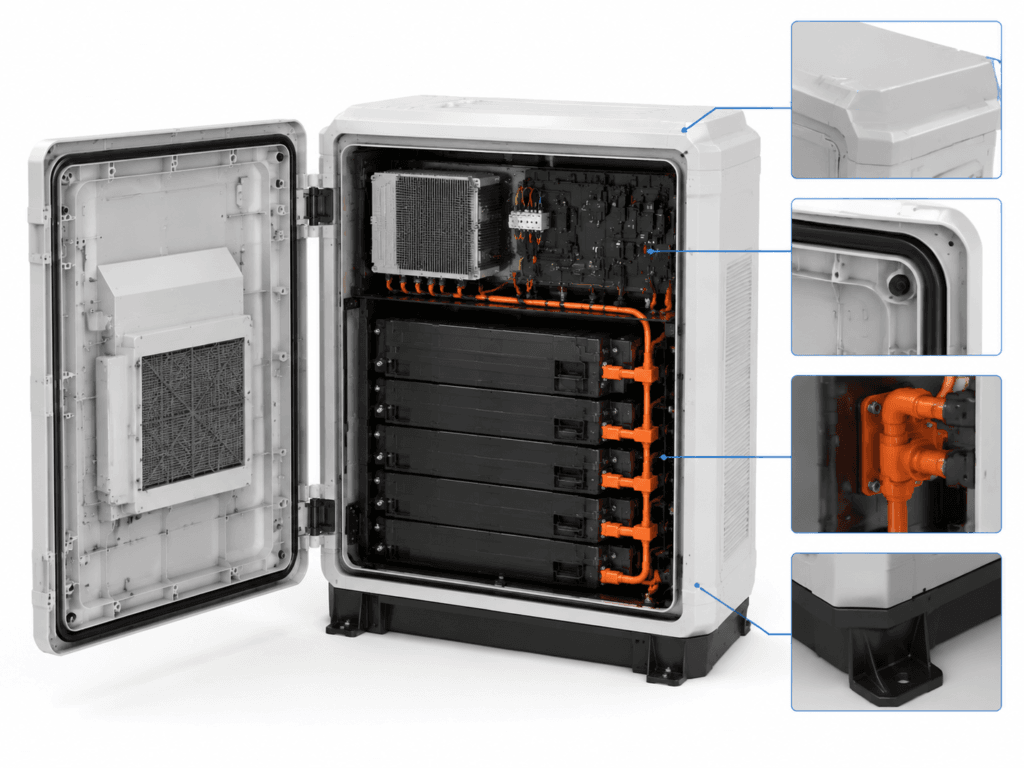
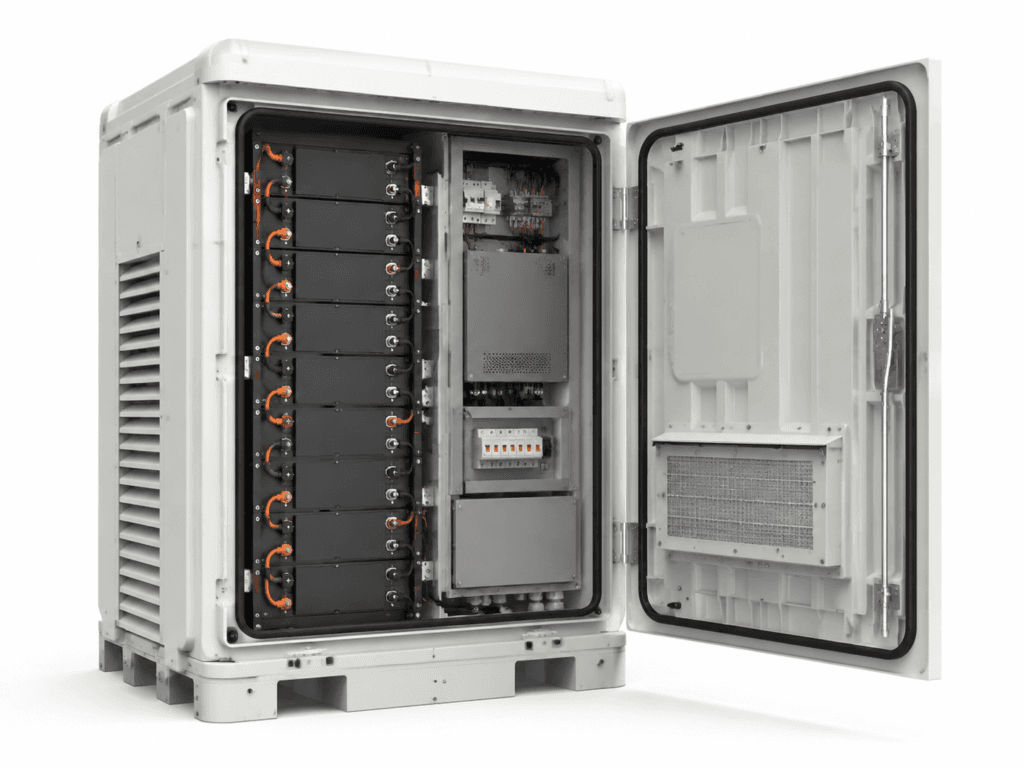
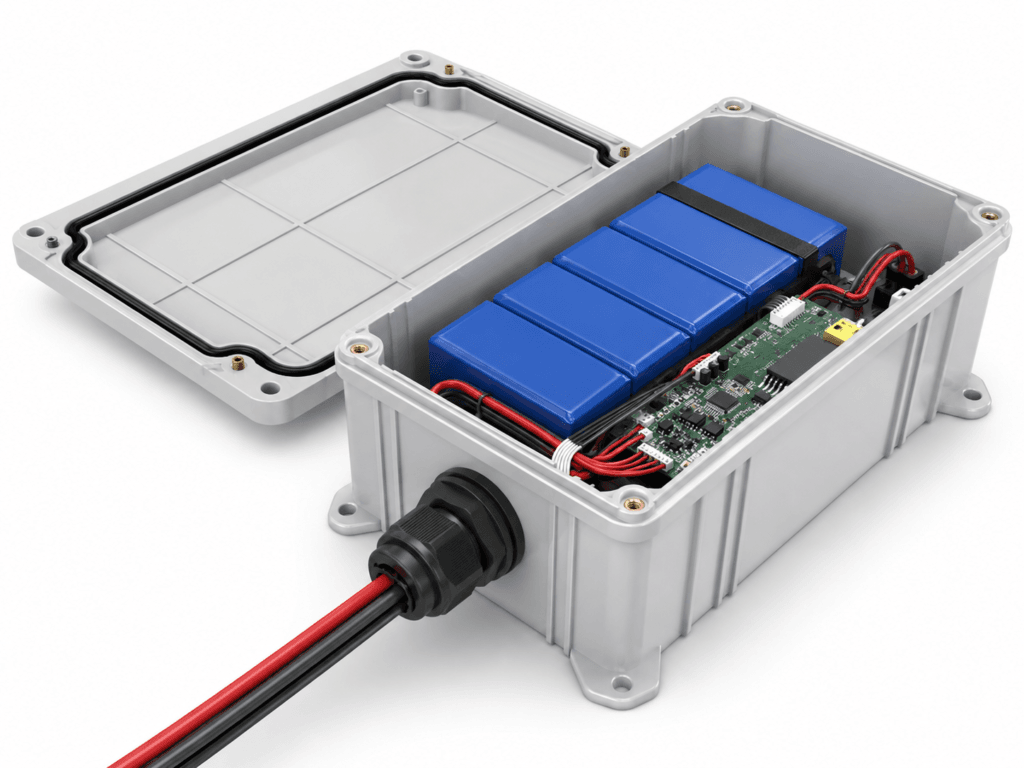
2. Energy Storage System Enclosures

Energy storage systems (ESS) are becoming increasingly important for renewable energy applications.

Residential and industrial battery storage systems require durable protective housings that can withstand indoor and outdoor environments.

Injection molded plastic components are used for:

  • Battery management system housings
  • Control box covers
  • Sensor enclosures
  • Connector covers
  • Protection brackets

Key requirements include:

  • Fire resistance
  • Impact protection
  • Weather resistance
  • Heat management
  • Mechanical strength

For outdoor energy storage systems, materials such as حاسوب شخصي/ASA and UV-resistant engineering plastics are commonly considered.


Energy Storage Housing Requirements

RequirementDesign Solution
Weather ResistanceUV stabilized materials
Fire SafetyFlame-retardant resin
Waterproof ProtectionGasket sealing
Heat ControlThermal design
Mechanical StrengthReinforced structures

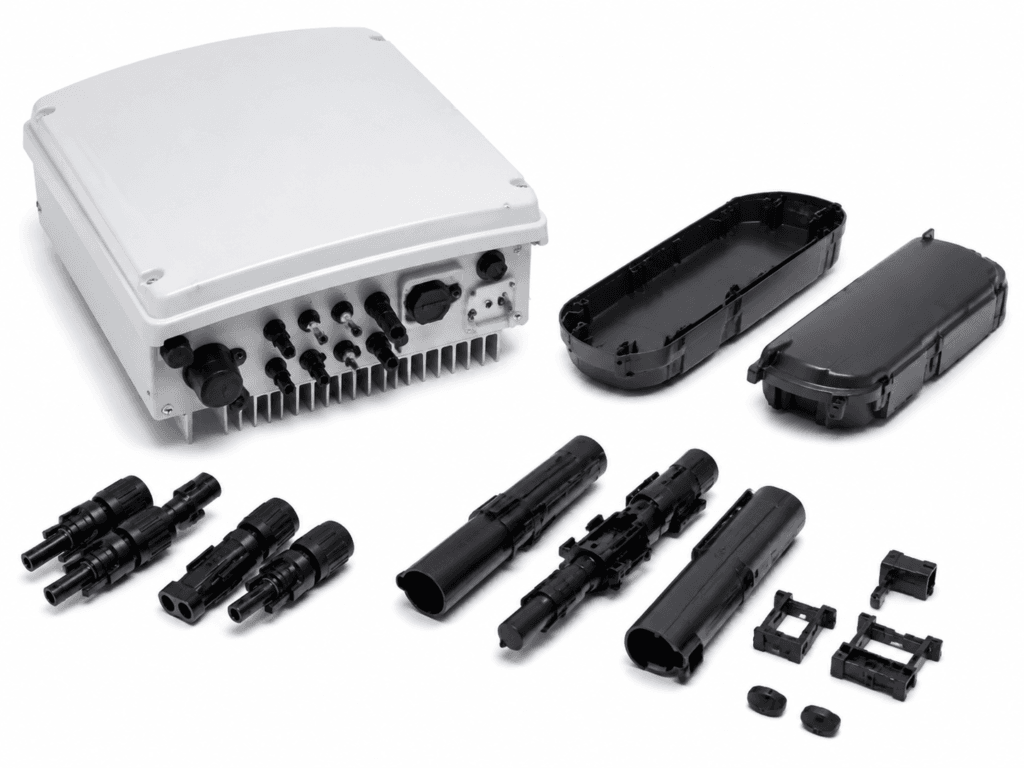
3. Solar Energy Injection Molded Components

Solar energy systems require many durable plastic components for outdoor operation.

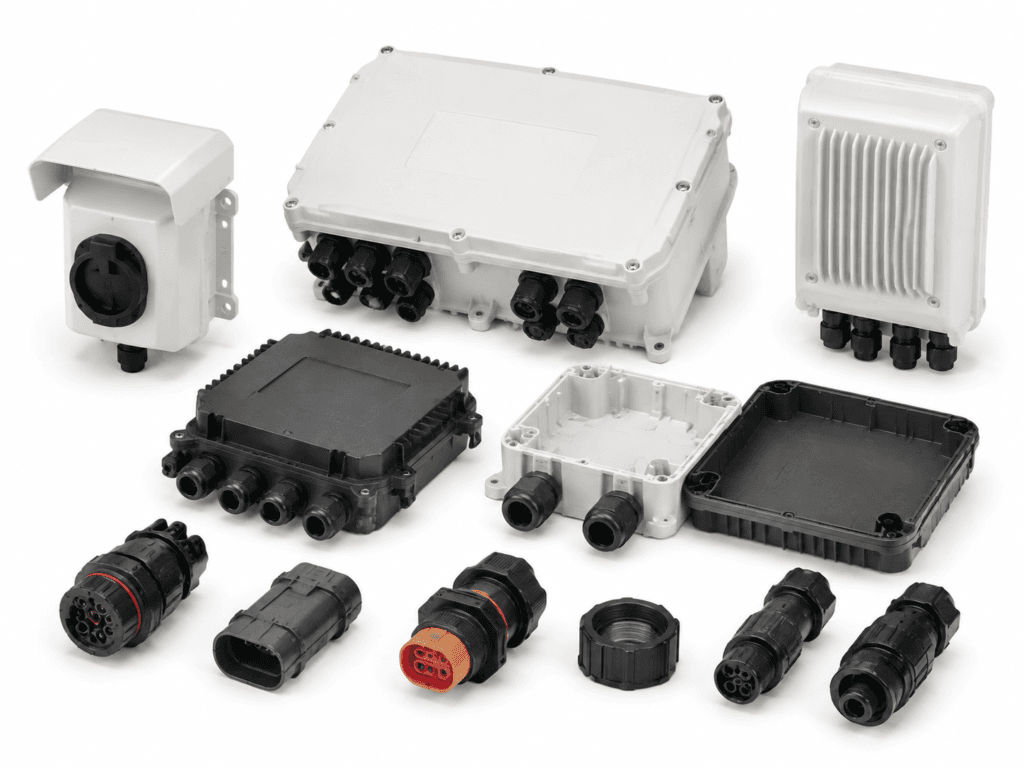
القولبة بالحقن is widely used for:

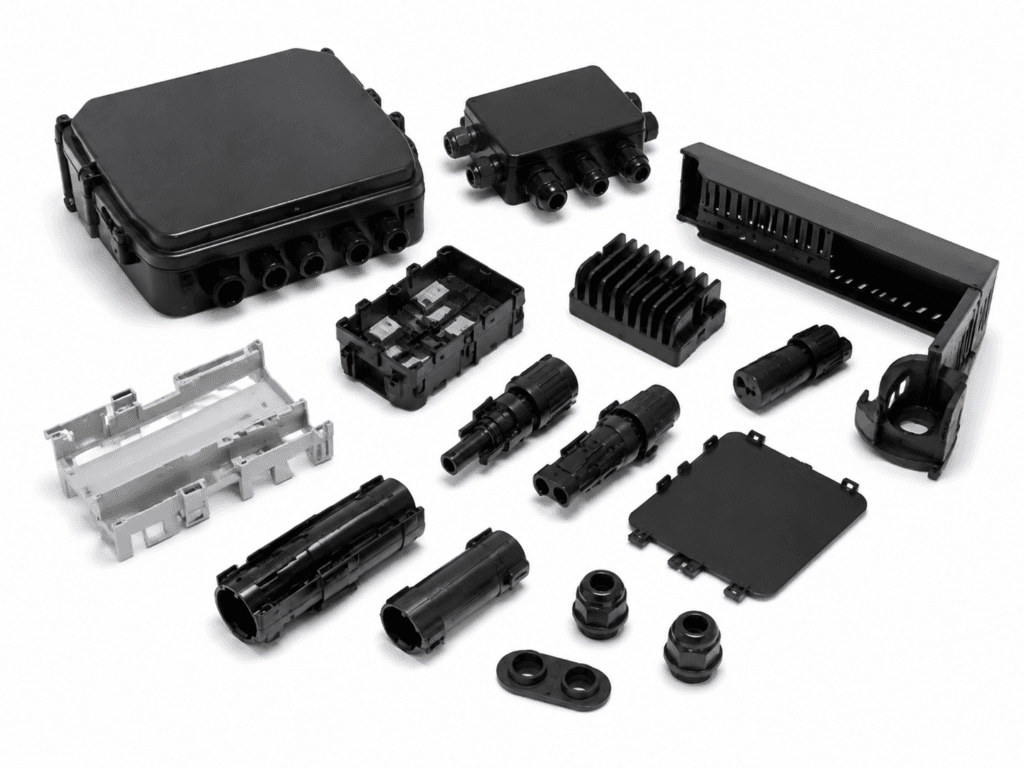
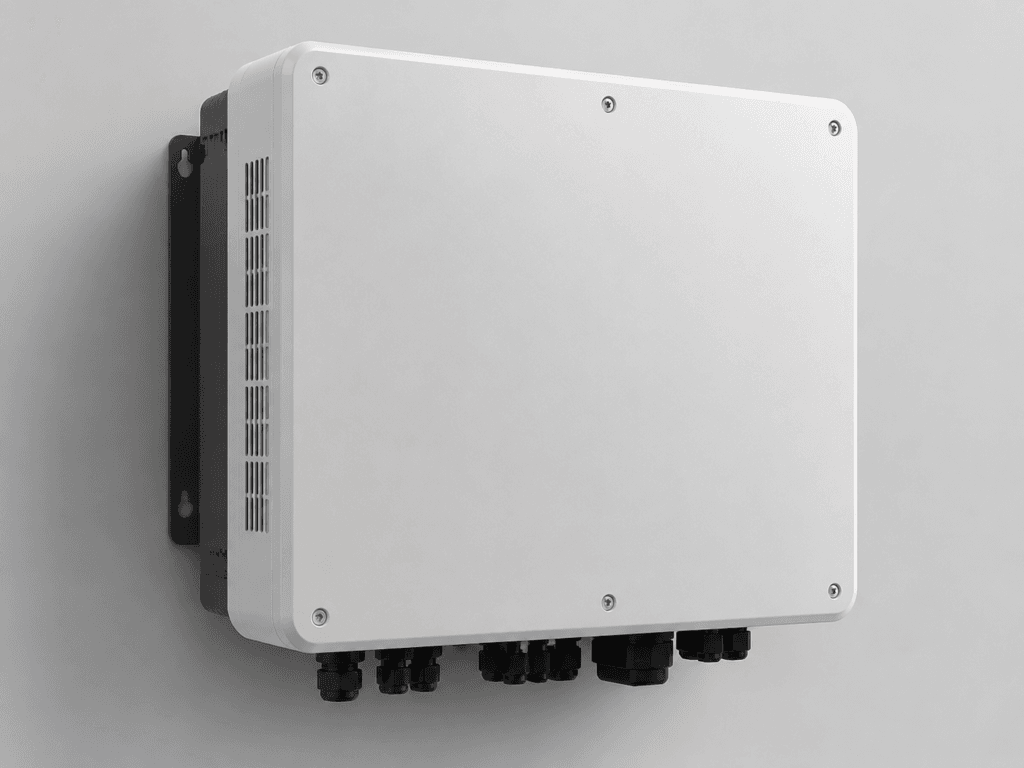
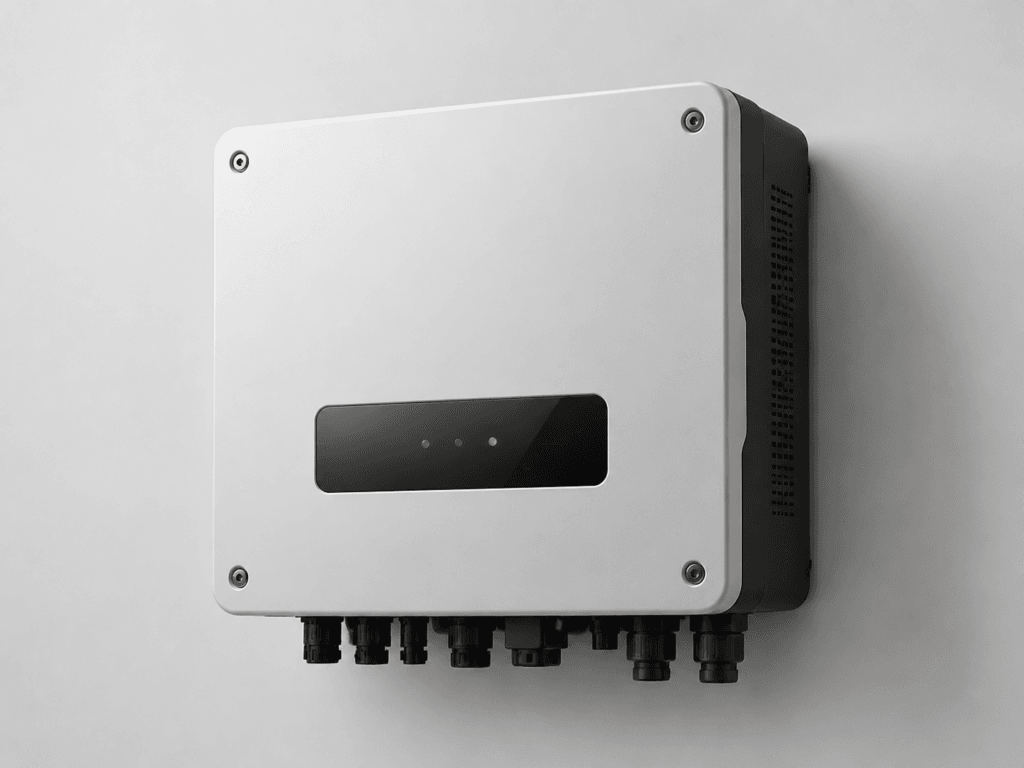
  • Solar inverter housings
  • Connector covers
  • Junction box components
  • Cable management parts
  • Mounting accessories
  • أغطية واقية

These components must resist:

  • UV radiation
  • Rain
  • Temperature cycling
  • Humidity
  • Chemical exposure

Materials often include:

  • ASA
  • حاسوب شخصي
  • PC/ASA
  • UV-resistant PP
  • Engineering plastics

Solar Plastic Components

Productوظيفةمادة
Inverter HousingProtect electronicsPC/ASA
Junction BoxElectrical protectionحاسوب شخصي
Connector CoverEnvironmental protectionPA
Cable ClipCable managementبي بي

4. Charging Equipment Plastic Housings

The expansion of electric vehicles requires large-scale charging infrastructure.

Charging equipment requires plastic housings that provide:

  • عزل كهربائي
  • Weather resistance
  • Impact protection
  • Heat management
  • Attractive appearance

Typical injection molded parts include:

  • Charging station covers
  • Cable holders
  • هياكل الموصلات
  • Control panel frames
  • Protection covers

Outdoor charging equipment often requires IP protection, UV-resistant materials and strong mechanical structures.


Charging Equipment Design Requirements

Featureالغرض
Waterproof StructureProtect electronics
UV ResistanceOutdoor durability
Impact StrengthPublic environment protection
Flame ResistanceElectrical safety
Precision AssemblyReliable operation

5. Material Selection for New Energy Injection Molding

Material selection is one of the most important factors in new energy applications.

Engineers must balance:

  • Mechanical strength
  • عزل كهربائي
  • Flame resistance
  • Thermal performance
  • Cost

Common Materials

مادةMain PropertiesApplications
PC/ABS FRImpact + flame resistanceأغلفة كهربائية
PA66 GF30High strengthالمكونات الهيكلية
بي بي تيElectrical performanceموصلات
نظام بي بي إسHigh temperature resistanceBattery systems
ASAOutdoor durabilityEnergy enclosures
PP FRمقاومة كيميائيةProtective parts

Thermal Management Design for New Energy Plastic Parts

Thermal management is one of the most important challenges in new energy applications.

Battery systems, power electronics, charging equipment, and energy storage devices generate significant heat during operation. Poor thermal design can reduce efficiency, shorten service life, and create safety risks.

Although plastics have lower thermal conductivity compared with metals, advanced engineering plastics and structural designs allow injection molded components to support thermal management requirements.

Common solutions include:

  • Heat-resistant engineering plastics
  • Cooling channels
  • Ventilation structures
  • Thermal interface materials
  • Metal inserts
  • Heat dissipation structures

For example, battery module components may require dimensional stability under continuous temperature changes, while inverter housings need effective heat dissipation while maintaining electrical insulation.


Thermal Management Solutions Comparison

SolutionAdvantageApplication
Heat-resistant ResinHigher temperature capabilityBattery components
Aluminum InsertImproved heat transferPower electronics
Ventilation StructureNatural coolingEnclosures
Thermal Pad InterfaceHeat transfer improvementPCB systems
قنوات التبريدTemperature controlEnergy equipment

Flame Retardant Requirements for New Energy Plastic Components

Safety is a critical requirement in new energy applications, especially around batteries and high-voltage electrical systems.

Plastic components may need to comply with flame resistance requirements to reduce fire risks and protect surrounding components.

Common flame-retardant standards include:

  • UL94 flammability rating
  • IEC electrical safety requirements
  • Automotive and energy industry specifications

Typical flame-retardant materials include:

  • PC+ABS FR
  • PA66 GF FR
  • PBT FR
  • نظام بي بي إس
  • Flame-retardant PP

The selected material depends on operating temperature, mechanical loading, electrical requirements, and certification requirements.


Flame Retardant Material Comparison

مادةFlame PerformanceTypical Application
PC+ABS FRExcellentأغلفة كهربائية
PA66 GF FRHigh strengthStructural parts
PBT FRعزل كهربائيموصلات
نظام بي بي إسHigh temperatureBattery components
PP FRCost-effectiveأغطية واقية

Waterproof and IP Protection Design

Many new energy products operate outdoors or in harsh environments. Waterproof protection is therefore essential.

Examples include:

  • EV charging stations
  • Outdoor battery storage systems
  • Solar equipment
  • Smart energy controllers

Injection molded housings commonly use:

  • Silicone gaskets
  • TPE sealing rings
  • Waterproof cable glands
  • Sealed connectors
  • Overlapping housing structures

The sealing design must consider not only initial waterproof performance but also long-term durability after temperature cycling and mechanical stress.


IP Protection Design Features

Featureوظيفة
Gasket GrooveCreates sealing compression
Cable GlandProtects cable entry
Drainage ChannelPrevents water accumulation
Overlap StructureBlocks direct water path
Sealed ConnectorProtects electrical interface

Injection Mold Design Considerations for New Energy Parts

New energy plastic components often require high precision because they integrate with:

  • Battery modules
  • Electrical connectors
  • Sensors
  • PCB assemblies
  • Metal structures

Mold design directly affects product reliability.

Important considerations include:

1. Dimensional Stability

Battery and electronic components often require tight tolerances. Uneven cooling or excessive shrinkage may affect assembly accuracy.

2. Warpage Control

Large housings and covers require balanced filling and cooling to prevent deformation.

3. Insert Molding

Some applications require metal inserts for:

  • Grounding
  • Heat transfer
  • Mechanical reinforcement
  • High-strength fastening

4. Surface Requirements

Outdoor energy products may require:

  • UV-resistant textures
  • Matte finishes
  • Scratch-resistant surfaces

Mold Design Requirements

Mold Featureالغرض
Balanced Gate DesignUniform filling
Optimized CoolingReduce deformation
Precision InsertsImprove assembly accuracy
Proper VentingAvoid burn marks
Surface Texture ControlImprove appearance

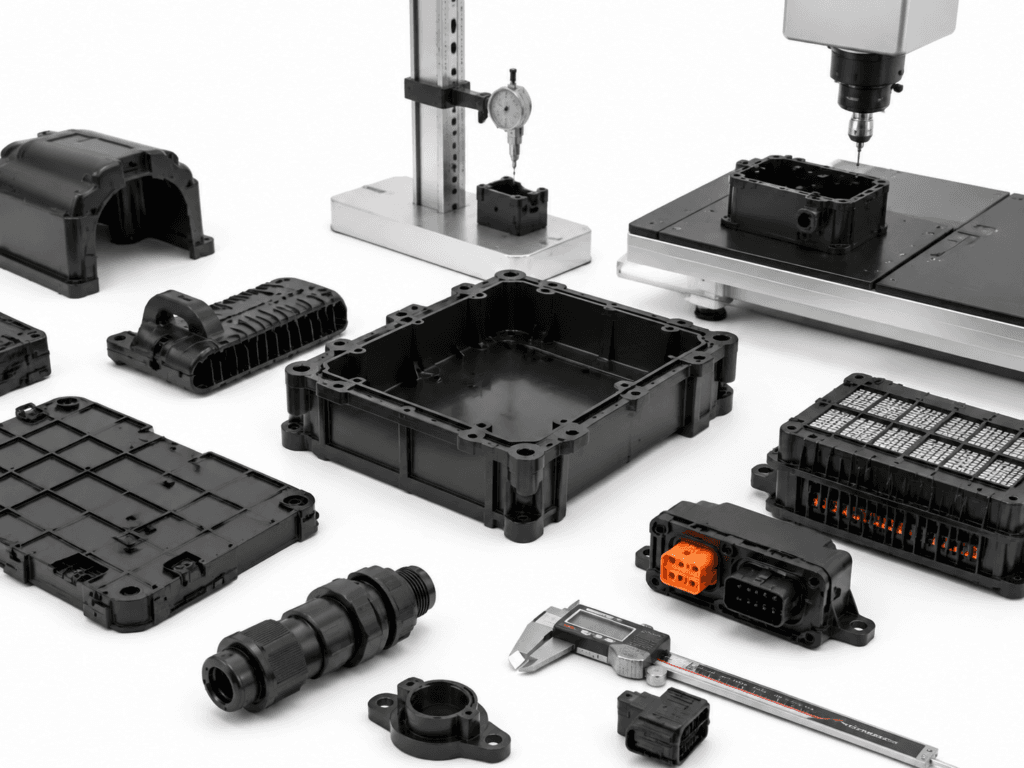
Quality Control and Testing

New energy components require strict quality control because failures may affect safety and system reliability.

Typical inspections include:

  • Dimensional measurement
  • Material verification
  • Flame testing
  • Mechanical strength testing
  • Thermal cycling
  • Waterproof testing
  • Assembly testing

For high-volume production, automated inspection systems can improve consistency and reduce human error.


Quality Testing Methods

Testالغرض
Dimensional InspectionVerify assembly accuracy
Thermal CyclingEvaluate temperature durability
Flame TestConfirm safety performance
Waterproof TestVerify sealing
Impact TestCheck mechanical strength
Assembly TestEnsure compatibility

Common Manufacturing Challenges and Solutions

New energy products combine demanding materials, complex structures and strict reliability requirements.

ChallengeCauseSolution
WarpageUneven coolingOptimize mold cooling
CrackingStress concentrationImprove structure
Poor AssemblyDimensional variationTighten mold control
Burning MarksPoor ventingImprove mold vents
Short ShotDifficult fillingOptimize gate location
Surface DefectsProcessing issuesAdjust parameters

Early DFM analysis and Moldflow simulation can significantly reduce development risks.


Why Choose Samgo for New Energy Injection Molding?

Samgo provides complete injection molding solutions for new energy industries, supporting customers from concept design to mass production.

Our capabilities include:

ServiceCustomer Benefit
Product Design ReviewImprove manufacturability
DFM AnalysisReduce development risks
Moldflow SimulationOptimize filling and cooling
Precision Mold ManufacturingEnsure accuracy
Injection MoldingStable production
Quality ControlReliable performance

Our experience covers:

  • Battery components
  • Energy storage housings
  • Solar components
  • Charging equipment
  • Electrical protection parts
  • Smart energy products

Frequently Asked Questions

What plastics are commonly used in new energy injection molding?

Common materials include PC+ABS FR, PA66 GF, PBT, PPS, ASA and flame-retardant PP. The selection depends on temperature, strength, electrical and safety requirements.

Why are plastics used in battery systems?

Plastic materials provide electrical insulation, lightweight construction, corrosion resistance and design flexibility.

Can injection molded parts meet flame-retardant requirements?

Yes. Flame-retardant grades can achieve required safety levels depending on application and certification requirements.

What is important when designing energy storage plastic housings?

Key factors include sealing, thermal management, mechanical strength, material selection, fire safety and dimensional stability.

احصل على أحدث سعر؟ سنرد عليك في أقرب وقت ممكن (خلال 12 ساعة)

قالب فني
tomasonzx@gmail.com

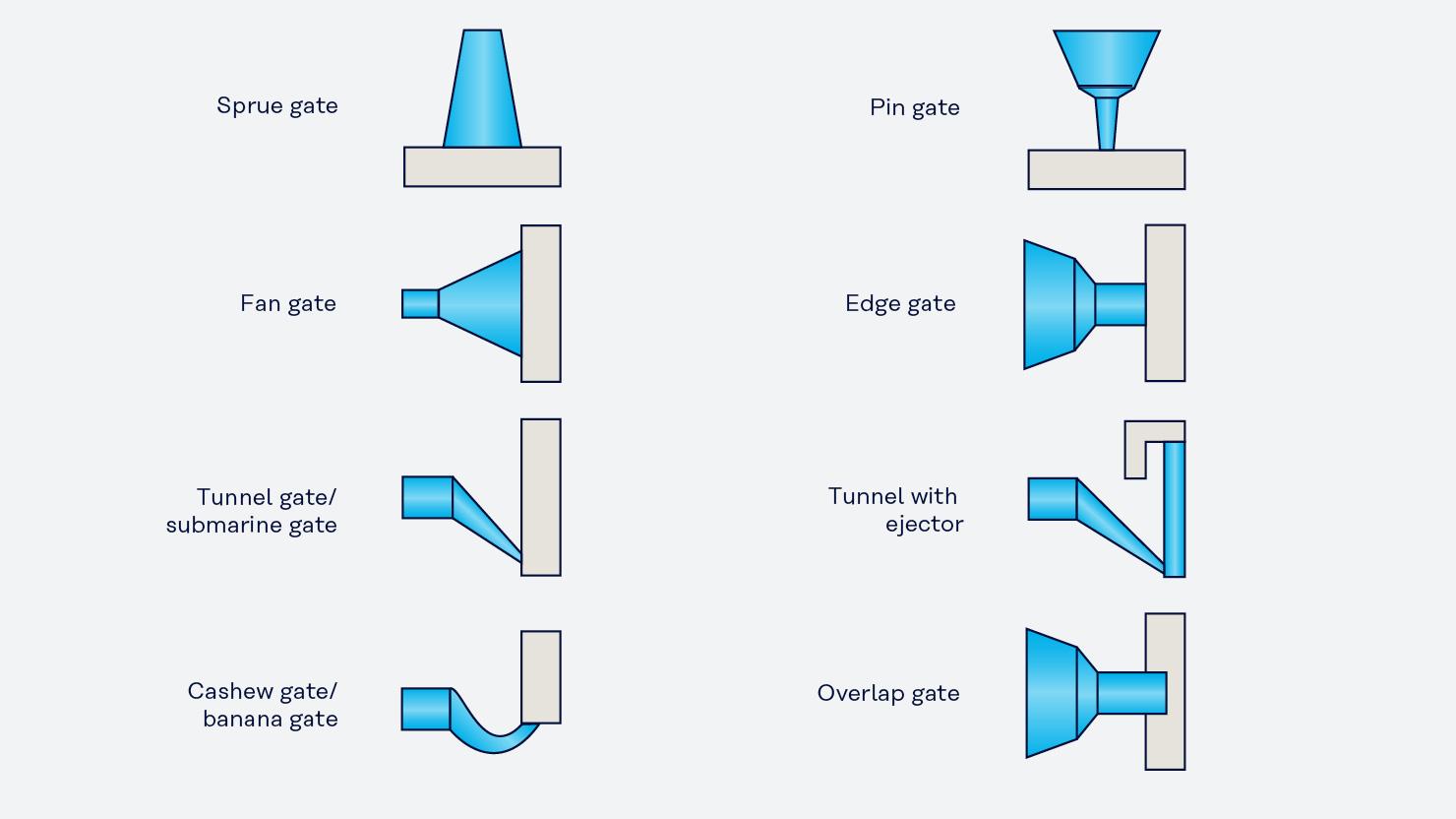
أنواع بوابات القولبة بالحقن البلاستيكي: الاختيار، ومبادئ التصميم، والمزايا، والتطبيقات

تصميم البوابة يُعد أحد أكثر جوانب هندسة قوالب الحقن البلاستيكية أهمية. وعلى الرغم من أن البوابة عادةً ما تكون أصغر معالم نظام التغذية، إلا أن لها تأثيراً كبيراً على تدفق المصهور، وضغط الكبر، وكفاءة التبريد، ومظهر القطعة، وقت الدورة، والجودة الكلية للمنتج.

يمكن أن يتسبب البواب المصمم بشكل سيئ في حدوث العديد من عيوب القولبة، بما في ذلك الحقن الناقص، وعلامات الانكماش، وخطوط اللحام، والتدفق النفاث، وعلامات الحرق، وبقايا البوابة المفرطة، وانهيار الجزء. وفي المقابل، يساعد اختيار نوع البوابة وموقعها المناسب في ضمان التعبئة المتوازنة، ودقة الأبعاد الثابتة، والإنتاج الفعال.
اقرأ المزيد »
طلب مواد
tomasonzx@gmail.com

مواد البولي بروبيلين (PP): الأنواع، الدرجات، الخصائص، والتطبيقات

البولي بروبيلين (PP) هو أحد أكثر المواد البلاستيكية الحرارية استخداماً في العالم، حيث يستحوذ على حصة كبيرة من إنتاج البلاستيك العالمي. بفضل توازنه الممتاز بين الخواص الميكانيكية، ومقاومته الكيميائية، وخصائصه خفيفة الوزن، وفعاليته من حيث التكلفة، أصبح البولي بروبيلين المادة المفضلة لعدد لا يحصى من منتجات القولبة بالحقن عبر التطبيقات السيارات، المنزلية، الطبية، التعبئة والتغليف، الكهربائية، والصناعية.

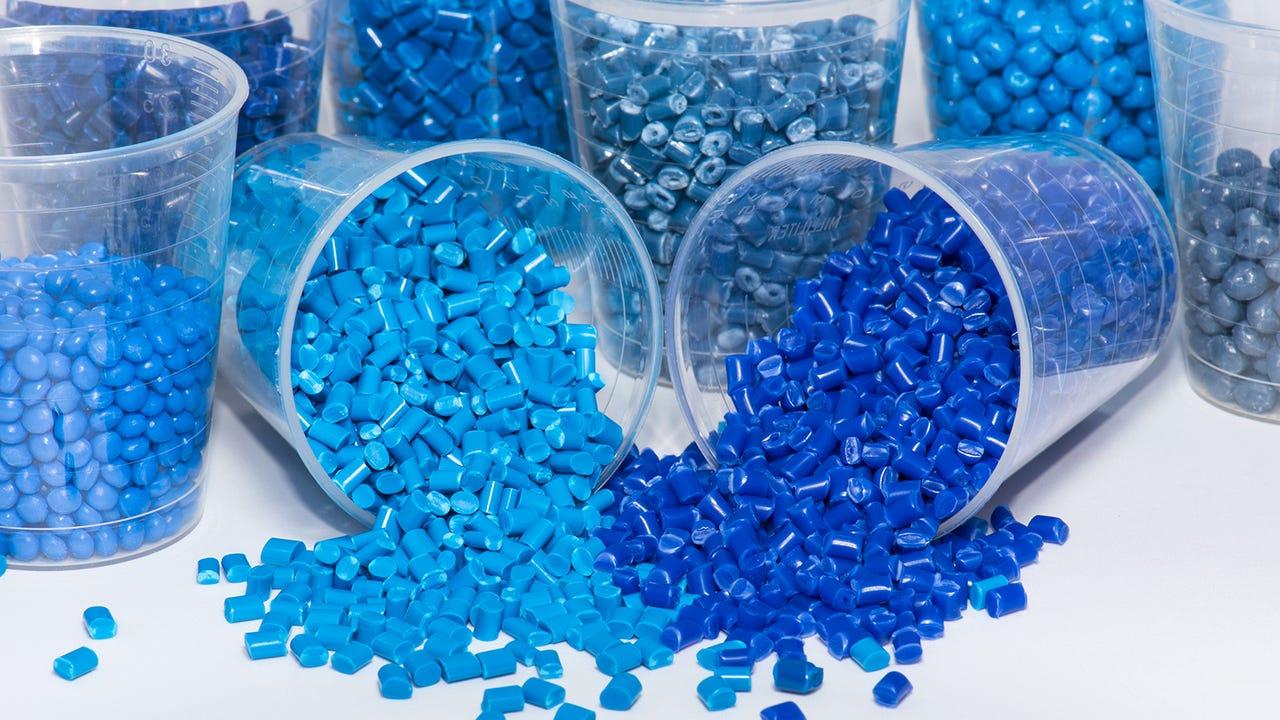
يتوفر البولي بروبيلين الحديث في العديد من الدرجات والتركيبات المختلفة. ويمكن للشركات المصنعة الاختيار من بين البولي بروبيلين متجانس البوليمر، والبولي بروبيلين كوبوليمر عشوائي، والبولي بروبيلين كوبوليمر مقاوم للصدمات، والبولي بروبيلين المقوى بالألياف الزجاجية، والبولي بروبيلين المحشو بالمعادن، والبولي بروبيلين المثبط للهب، والبولي بروبيلين المثبت ضد الأشعة فوق البنفسجية، والبولي بروبيلين المخصص للطعام، وذلك اعتماداً على متطلبات المنتج.
اقرأ المزيد »
قالب فني
tomasonzx@gmail.com

تحليل تدفق القولون بالحقن: الدليل الشامل لمحاكاة مولد فلو للأجزاء البلاستيكية

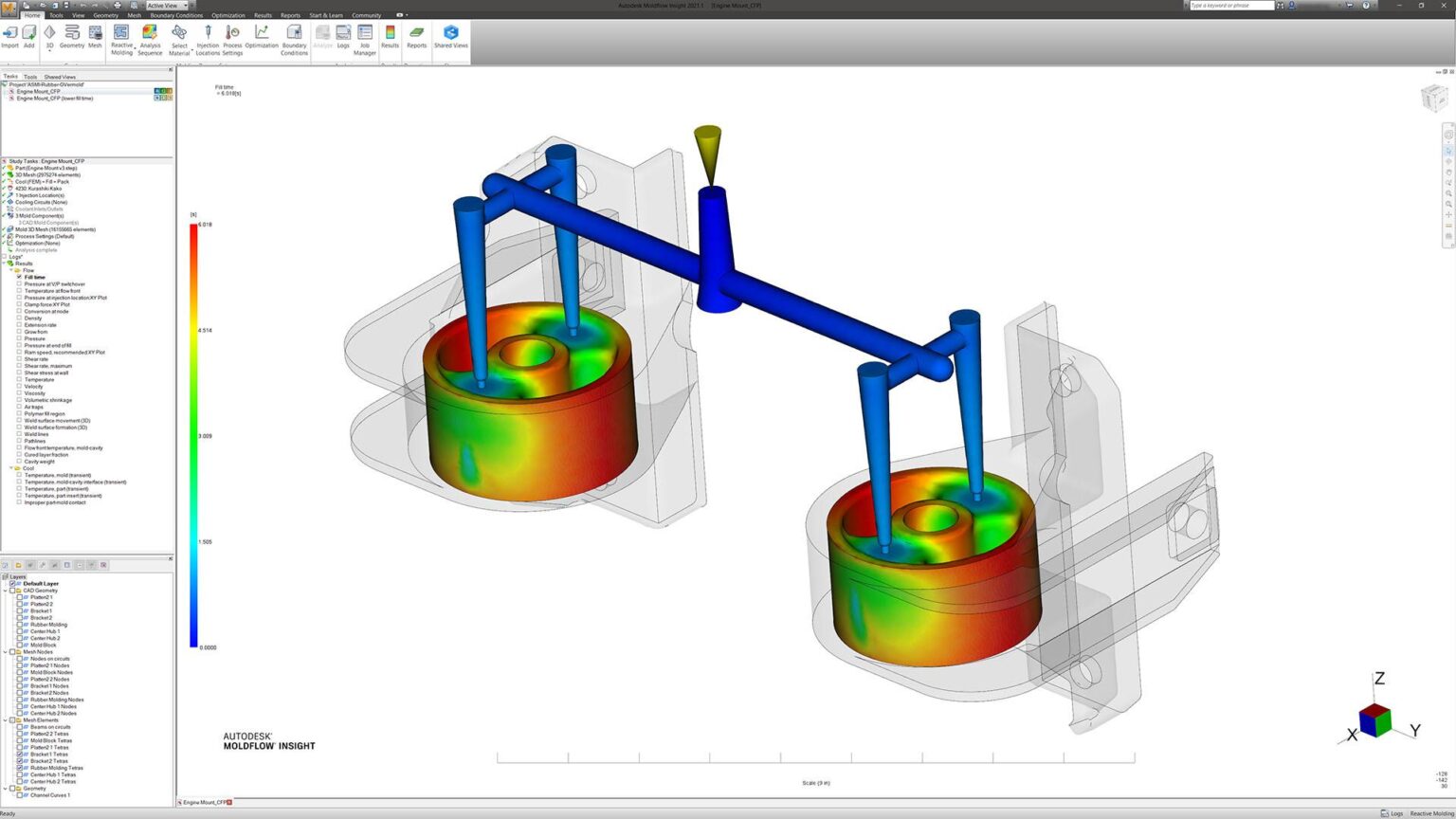
في تطوير منتجات البلاستيك الحديثة، لم تعد صناعة القوالب تعتمد فقط على الخبرة الهندسية. لقد أصبحت الهندسة بمساعدة الكمبيوتر (CAE) جزءاً أساسياً من عملية القولبة بالحقن، مما يتيح للمهندسين التنبؤ بعيوب القولبة المحتملة قبل تصنيع القالب. ومن بين هذه التقنيات، يُعد تحليل تدفق قوالب الحقن، والذي يُشار إليه غالباً بتحليل "مولد فلو" (Moldflow)، أحد أكثر الأدوات الهندسية قيمة لتقليل مخاطر التطوير، وتقصير أوقات التوريد، وتحسين جودة الأجزاء.

اقرأ المزيد »