
Introduction
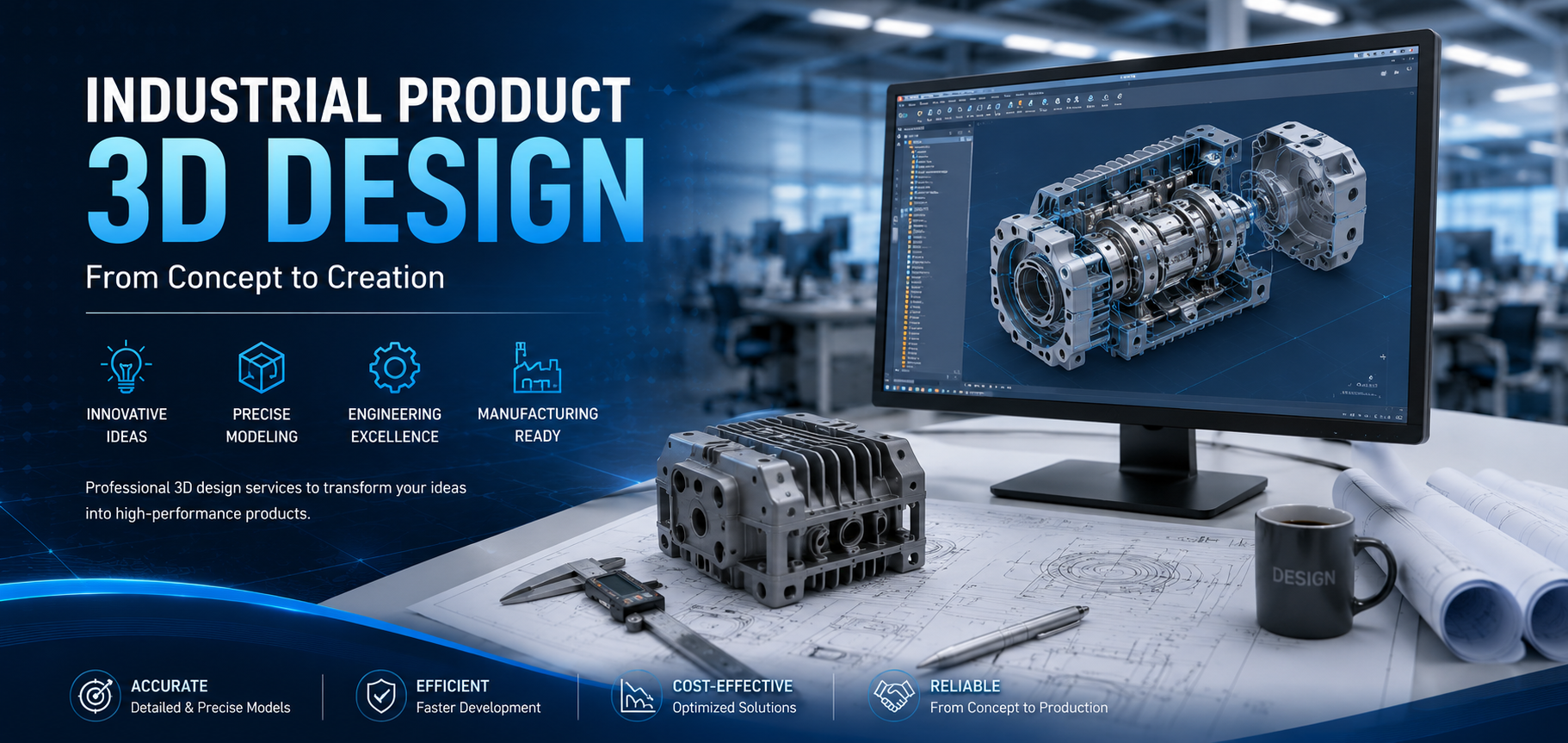
In today’s competitive manufacturing environment, industrial product development relies heavily on advanced 3D design technologies. Before a product can be prototyped, tested, tooled, and manufactured, it must first exist as an accurate digital model. Professional 3D design allows engineers and manufacturers to transform concepts into manufacturable products while minimizing development risks, reducing costs, and accelerating time to market.
Modern industrial product design involves much more than creating attractive appearances. It requires engineering expertise, material knowledge, manufacturing considerations, and a deep understanding of product functionality. Whether developing electronic enclosures, outdoor lighting products, industrial equipment, medical devices, or consumer products, 3D design serves as the foundation for successful product development.
This article explores the complete industrial 3D design process, the software tools involved, key design considerations, and how professional engineering design contributes to successful manufacturing outcomes.
What Is Industrial Product 3D Design?
Industrial product 3D design is the process of creating accurate digital models that represent a product’s appearance, structure, functionality, and manufacturing requirements.
A professional 3D model contains:
- Product geometry
- Assembly structure
- Wall thickness information
- Mounting features
- Fastening systems
- Draft angles
- Manufacturing details
Unlike simple visual renderings, engineering-grade 3D models are developed specifically for manufacturing and production.
Main Objectives of 3D Product Design
| Objectif | Objectif |
|---|---|
| Product Visualization | Evaluate appearance |
| Functional Verification | Validate product operation |
| Engineering Analysis | Optimize performance |
| Prototype Development | Support testing |
| Mold Development | Enable tooling |
| Production Preparation | Create manufacturing data |
Why 3D Design Is Critical in Product Development
Traditional product development often relied on multiple physical prototypes, resulting in longer development cycles and higher costs.
Today, 3D design significantly improves efficiency.
Benefits of Professional 3D Design
Faster Development
Engineers can identify issues before manufacturing begins.
Reduced Development Costs
Design errors can be corrected digitally rather than through expensive tooling modifications.
Improved Product Performance
Virtual testing helps optimize structures and materials.
Better Communication
3D models allow customers, engineers, and manufacturers to visualize products before production.
The Industrial Product Design Process
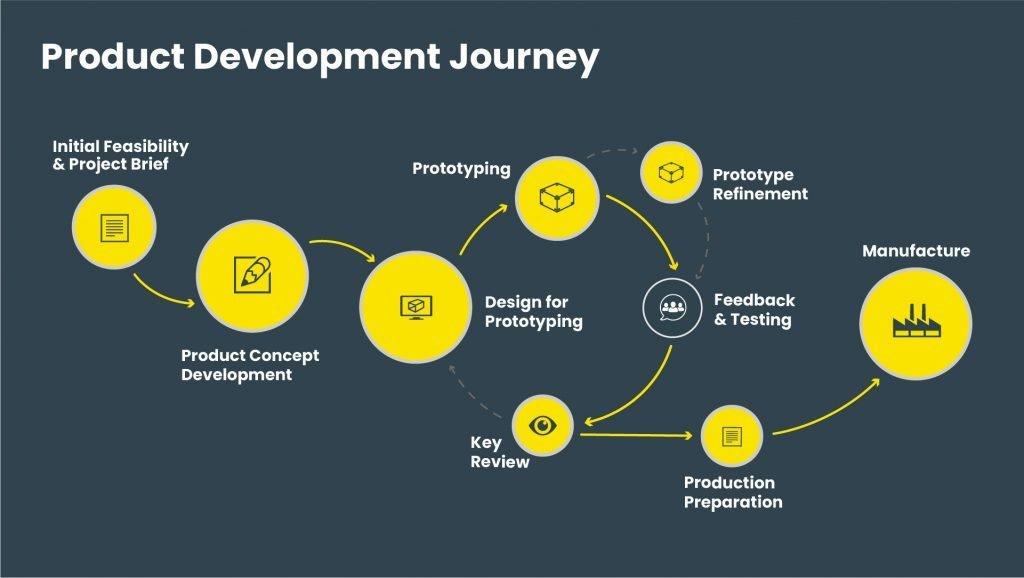
Professional product development typically follows a structured workflow.
Stage 1: Concept Development
The process begins with:
- Customer requirements
- Product specifications
- Market research
- Initial sketches
Design engineers evaluate the feasibility of the product and identify key engineering requirements.
Stage 2: 3D Modeling
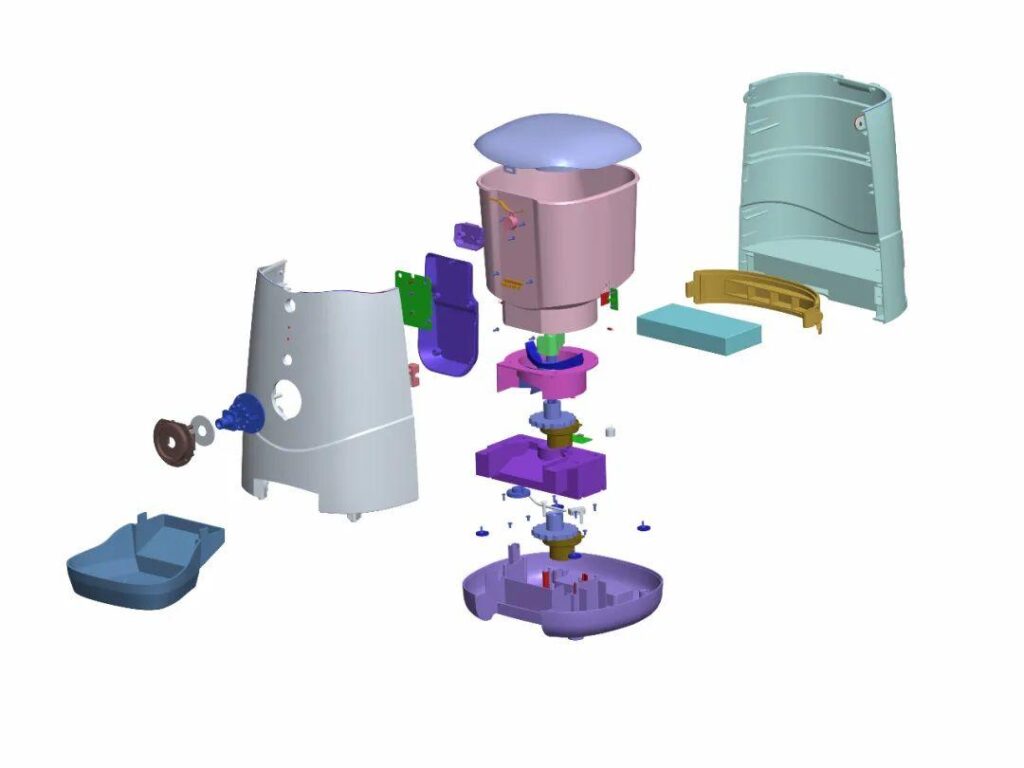
Using professional CAD software, engineers create:
- Part models
- Assembly structures
- Internal components
- Mounting features
Accurate dimensions and tolerances are incorporated into the design.
Stage 3: Engineering Review
The design is evaluated for:
- Structural performance
- Assembly requirements
- Manufacturability
- Material selection
Potential risks are identified and corrected.
Stage 4: Prototype Verification
Physical prototypes are produced for:
- Test fonctionnel
- User evaluation
- Design validation
Stage 5: Manufacturing Preparation
Final engineering files are prepared for:
- Injection molds
- CNC machining
- Production assembly
Common CAD Software Used in Industrial Design
Professional engineers use advanced software platforms to develop accurate 3D models.
| Software | Application typique |
| Siemens NX | Équipement industriel |
| SolidWorks | Product development |
| Creo | Engineering design |
| CATIA | Automotive and aerospace |
| Autodesk Inventor | Mechanical engineering |
| Fusion 360 | Rapid development |
Each software package offers unique advantages depending on project complexity and industry requirements.
At Samgo, Siemens NX and SolidWorks are commonly used for developing production-ready product designs.
Design for Manufacturing (DFM)
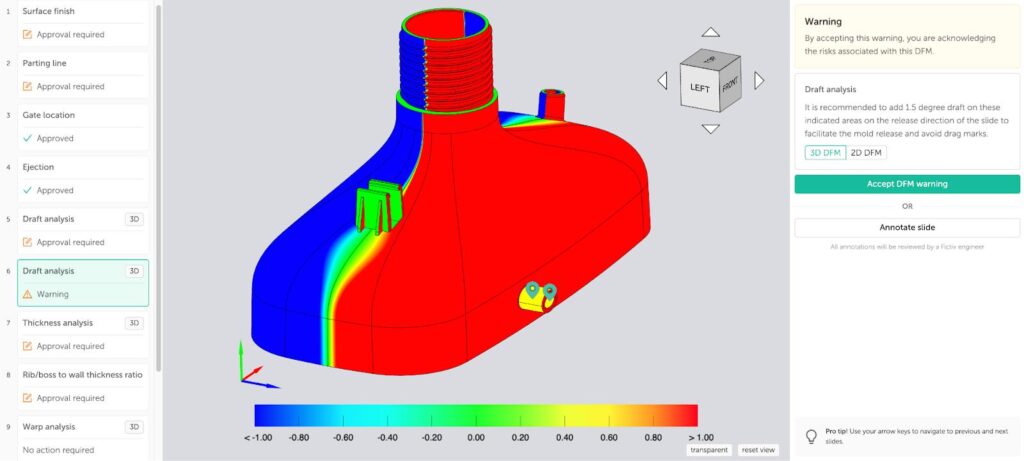
One of the most important aspects of industrial product design is Design for Manufacturing (DFM).
DFM ensures that products can be manufactured efficiently and economically.
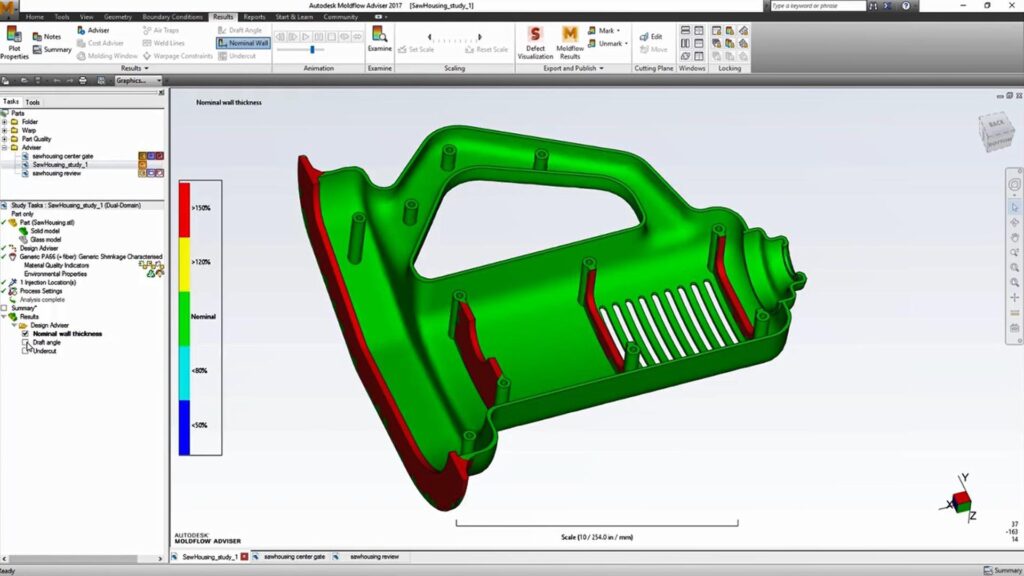
Key DFM Considerations
- Épaisseur de paroi uniforme
- Draft angles
- Rib design
- Snap-fit structures
- Material shrinkage
- Parting line location
- Assembly methods
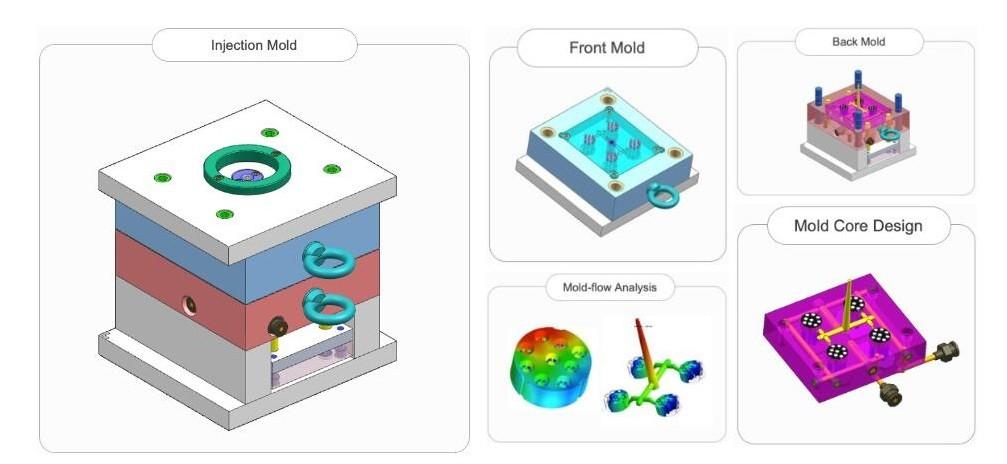
Products designed without DFM consideration often lead to:
- Mold issues
- Higher costs
- Production delays
- Quality problems
Material Selection in Product Design
Material selection directly impacts product performance and manufacturing costs.
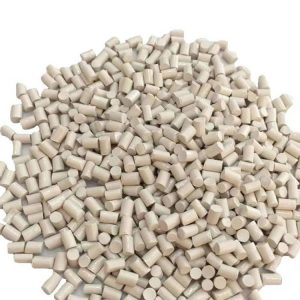
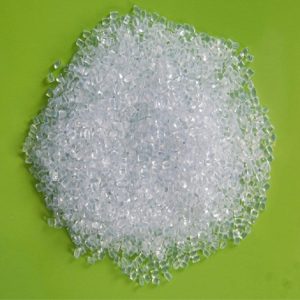
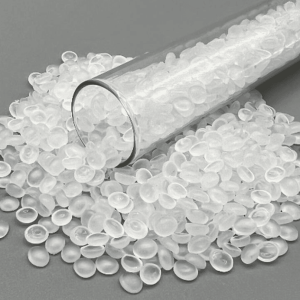
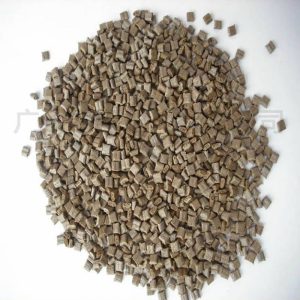
Matériaux courants
| Matériel | Applications types |
| ABS | Boîtiers électroniques |
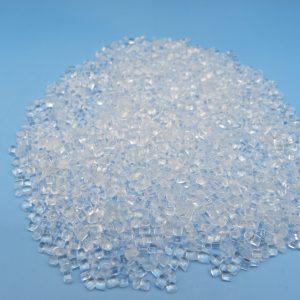
| PC | Optical products |
| PC+ABS | Électronique grand public |
| Dès que possible | Produits d'extérieur |
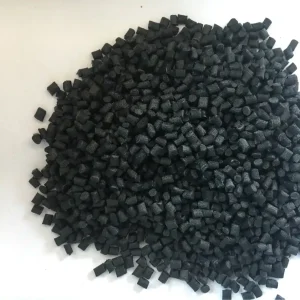
| PA66+GF | Composants structurels |
| PBT | Electrical products |
| PP | Consumer goods |
The material must be selected according to:
- Mechanical requirements
- Environmental exposure
- Appearance requirements
- Cost targets
Proper material selection improves both performance and product lifespan.
Applications of Industrial Product 3D Design
Industrial 3D design supports a wide range of industries.
Électronique grand public
Les exemples incluent :
- Smart home products
- Power supplies
- Appareils de communication
- Boîtiers de routeur
Produits d'extérieur
Les exemples incluent :
- Outdoor lighting
- Solar products
- Garden accessories
- Boîtiers électriques
Dispositifs médicaux
Les exemples incluent :
- Diagnostic equipment
- Monitoring systems
- Laboratory instruments
Équipement industriel
Les exemples incluent :
- Control systems
- Automation equipment
- Capots de machines
Professional 3D design ensures that products meet both functional and manufacturing requirements.
Prototype Development and Validation
Before tooling begins, prototypes are typically produced to verify the design.
Common Prototype Methods
| Méthode | Avantages |
| 3D Printing | Fast and economical |
| CNC Machining | High accuracy |
| Vacuum Casting | Small batch production |
| Silicone Tooling | Appearance validation |
Prototype testing allows engineers to identify and correct issues before production tooling is manufactured.
This significantly reduces development risks and project costs.
Digital Engineering and Simulation
Modern product development increasingly relies on digital engineering tools.
Simulation technologies include:
- Structural analysis
- Thermal analysis
- Flow simulation
- Vérification de l'assemblage
- Mold flow analysis
These tools help optimize designs before physical prototypes are built.
As digital engineering capabilities continue advancing, development cycles become faster and more efficient.
Why Choose Professional 3D Design Services?
A professionally engineered product design provides numerous benefits:
Better Product Quality
Optimized designs improve functionality and reliability.
Faster Time to Market
Efficient development processes shorten project timelines.
Lower Manufacturing Costs
Manufacturing issues are identified early.
Improved Production Efficiency
Well-designed products are easier to manufacture consistently.
Professional design services help companies transform ideas into successful commercial products.
Conclusion
Industrial product 3D design is the foundation of modern product development. From concept creation and engineering analysis to prototyping and manufacturing preparation, professional 3D design helps companies reduce risks, improve product quality, and accelerate market entry.
By combining advanced CAD technologies, engineering expertise, DFM principles, and manufacturing knowledge, businesses can develop innovative products that are both functional and production-ready.
As digital engineering technologies continue to evolve, industrial 3D design will remain one of the most important tools for transforming ideas into successful products.