
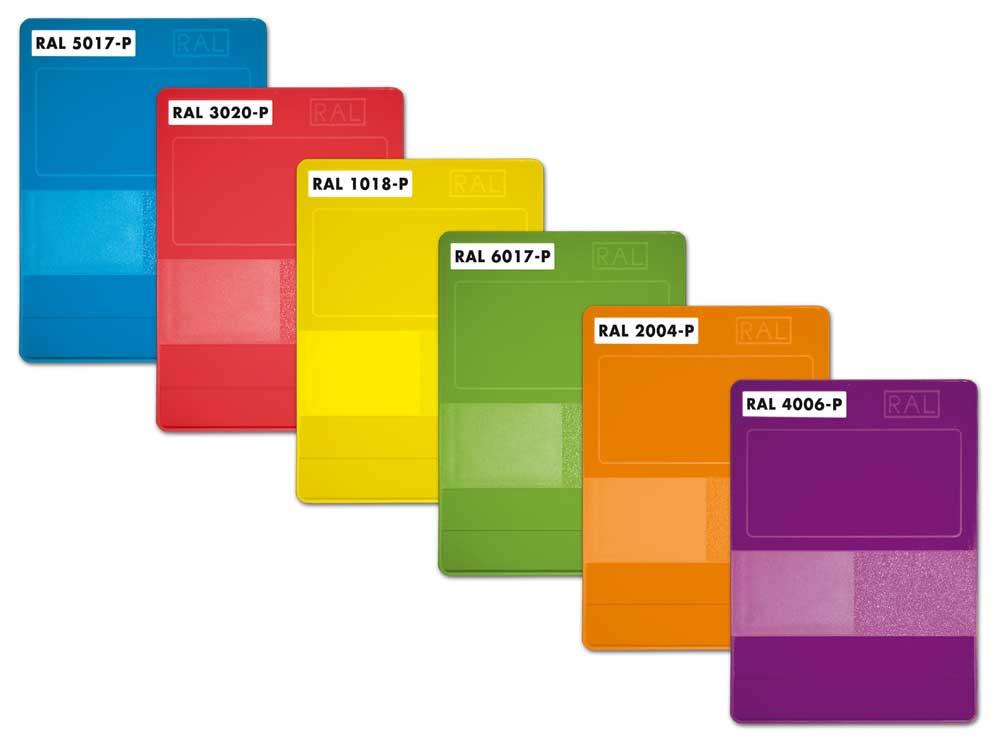
Plastic Color Matching for Injection Molding: A Complete Guide to RAL, Pantone, Masterbatch, and Custom Colors
Color is far more than an aesthetic feature in plastic injection molding—it plays a critical role in product branding, customer perception, quality control, and market differentiation. Whether manufacturing consumer electronics, automotive interiors, medical devices, industrial equipment, or outdoor products, achieving accurate and consistent color matching is essential for product success.
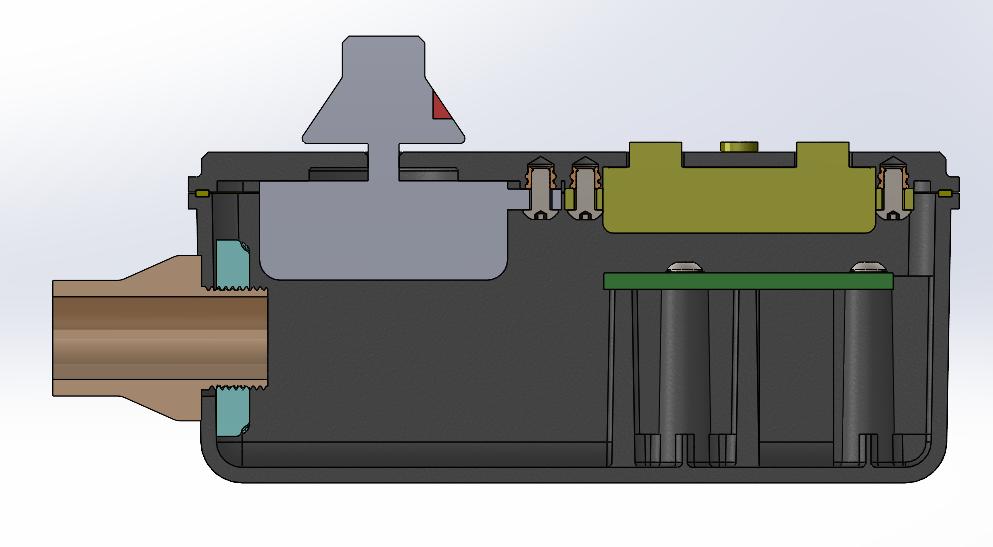
Plastic Part Wall Thickness Design Guide: Best Practices for Injection Molding
Wall thickness is one of the most critical design parameters in plastic injection molding. It directly affects mold filling, cooling efficiency, dimensional stability, mechanical strength, production cost, and overall part quality. Even a well-designed mold cannot compensate for a poorly designed plastic part with inconsistent or excessive wall thickness.
For product designers and manufacturing engineers, optimizing wall thickness is one of the most effective ways to reduce defects such as sink marks, warpage, short shots, voids, and internal stress while improving production efficiency. Proper wall thickness also helps reduce material consumption, shorten cycle times, and extend mold life.
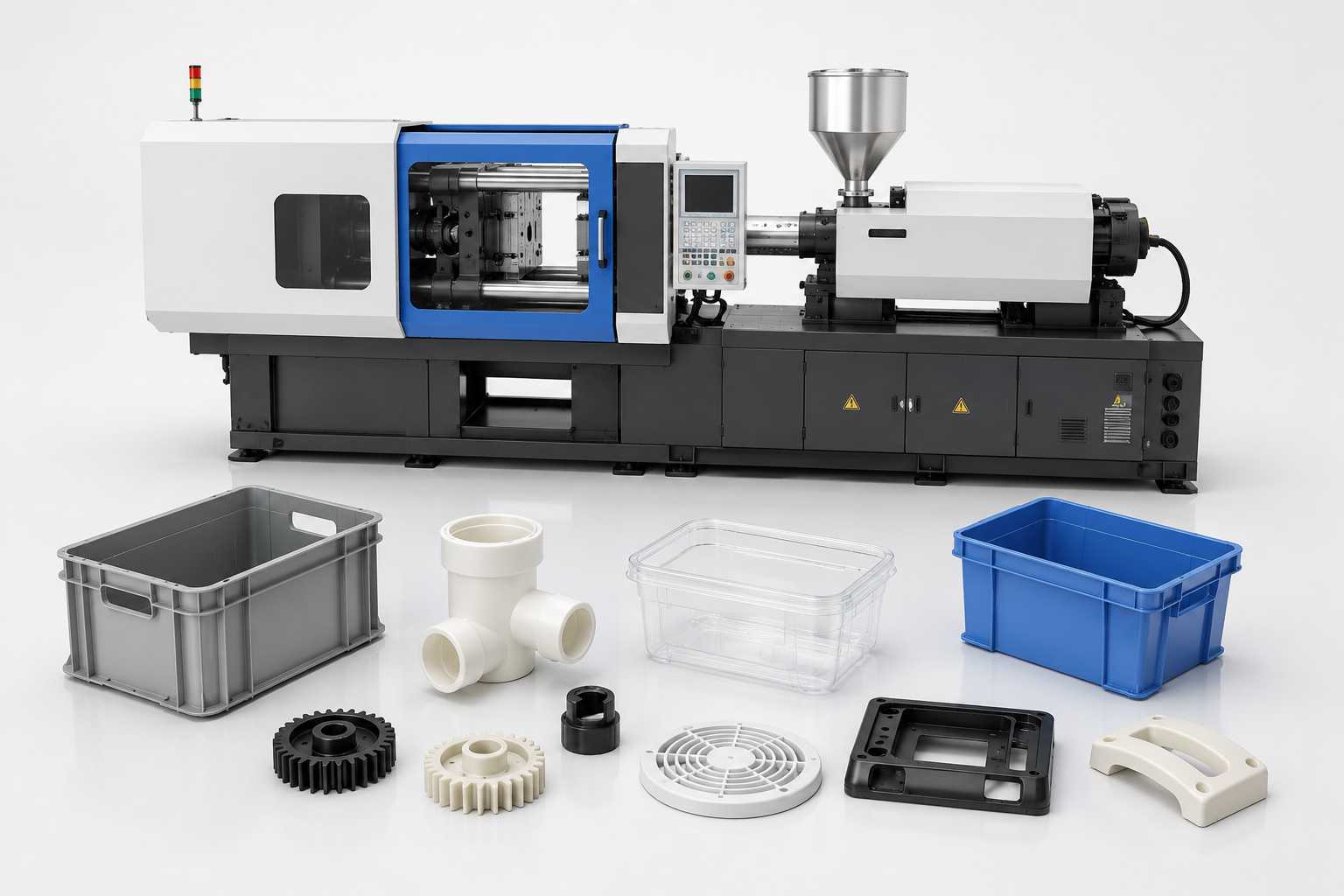
How to Reduce Plastic Injection Molding Costs Without Compromising Quality
Plastic injection molding is one of the most cost-effective manufacturing processes for producing high-volume plastic components. However, many companies mistakenly believe that reducing production costs simply means selecting cheaper materials or lower-cost tooling. In reality, successful cost reduction requires a comprehensive engineering approach that optimizes product design, mold construction, material selection, manufacturing processes, and quality control.
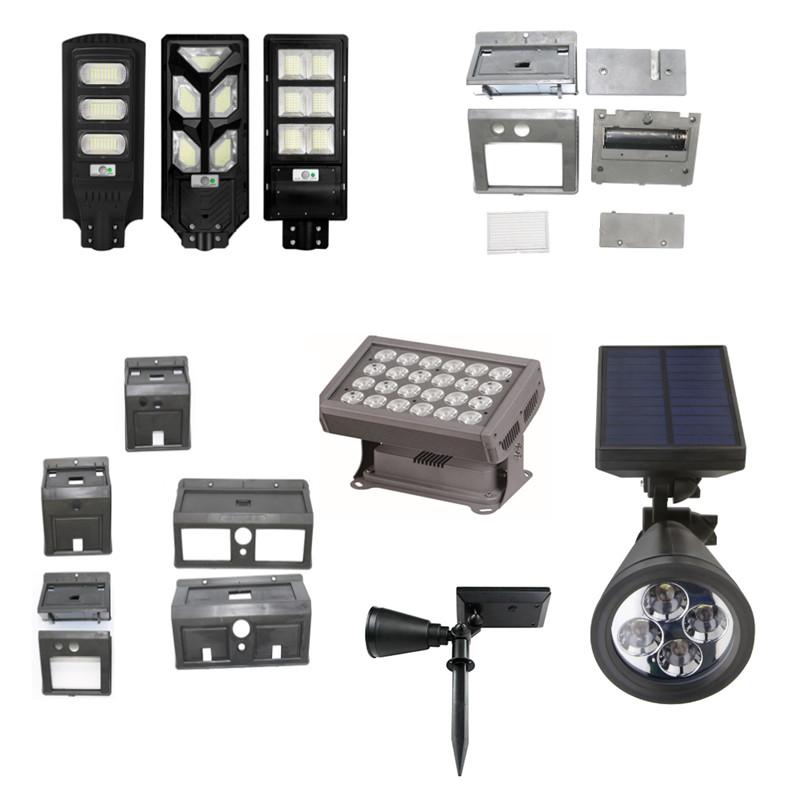
Outdoor Plastic Products Injection Molds: Design, Manufacturing, Materials, and Applications
Outdoor plastic products are used in a wide range of industries, including garden equipment, outdoor furniture, landscape lighting, telecommunications, recreational products, construction, and public infrastructure. These products must withstand long-term exposure to sunlight, rain, humidity, temperature fluctuations, dust, and mechanical impact while maintaining excellent appearance and structural performance.
The quality of these products depends not only on the plastic material but also on the precision of the injection mold. A well-designed mold ensures consistent dimensions, superior surface quality, efficient production cycles, and long service life.
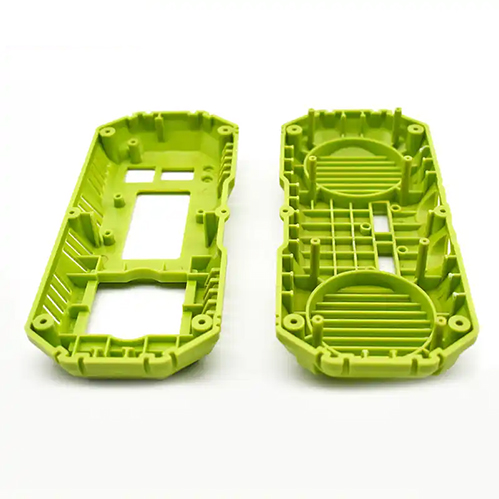
Plastic Housing Materials: Types, Properties, and Applications
Plastic housings are widely used in modern products because they offer an excellent combination of lightweight construction, durability, design flexibility, electrical insulation, and cost efficiency. From consumer electronics and medical devices to outdoor lighting, industrial equipment, and communication systems, plastic enclosures play a critical role in protecting internal components while enhancing product appearance.