

Thermal Expansion in Outdoor Injection Molded Parts: Design Guidelines for Temperature Cycling and Reliable Assembly
Learn how thermal expansion, temperature cycling, plastic creep and metal-to-plastic assemblies affect outdoor injection molded parts, with practical design solutions.
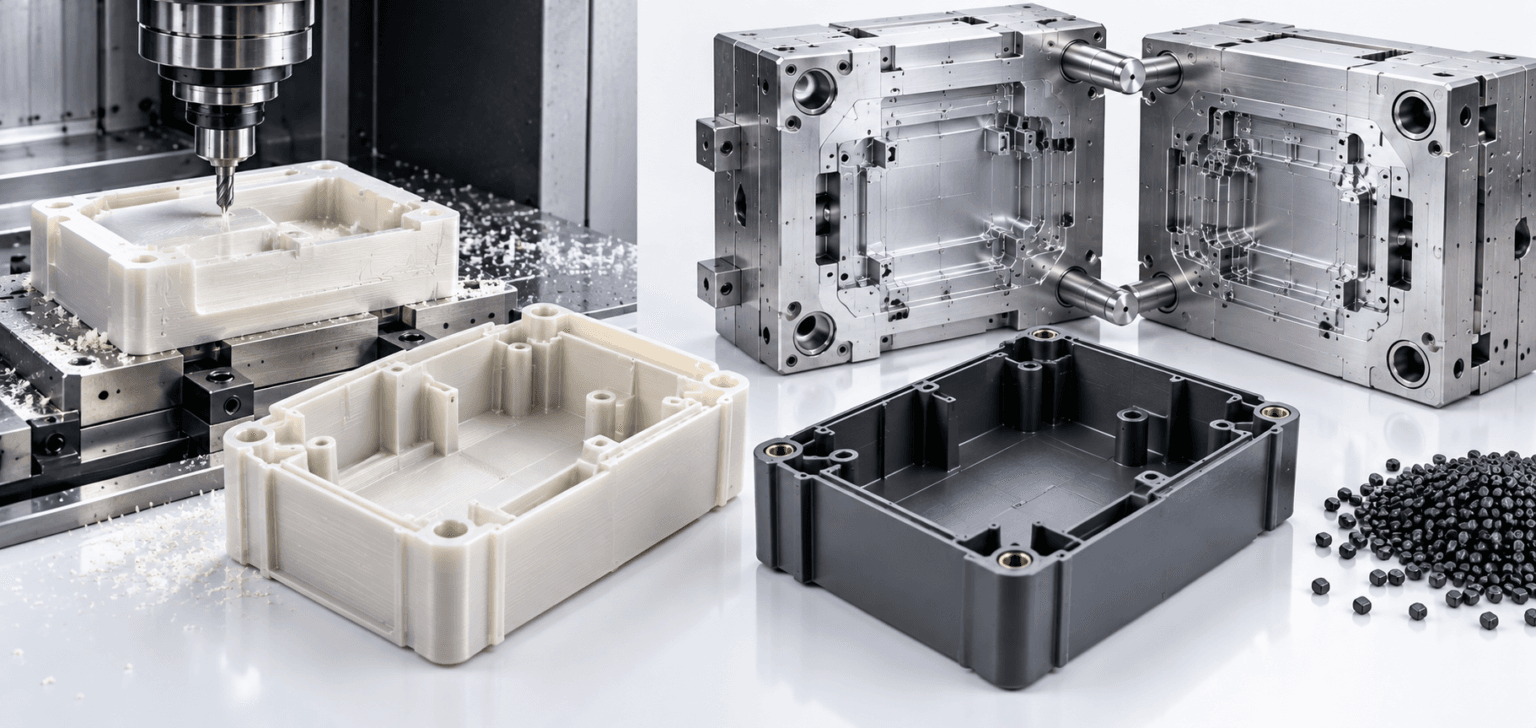
CNC Plastic Prototypes vs. Injection Molded Parts: Key Differences Engineers Should Understand
Compare CNC plastic prototypes and injection molded parts in material properties, dimensions, warpage, surface finish, geometry, cost and production performance.
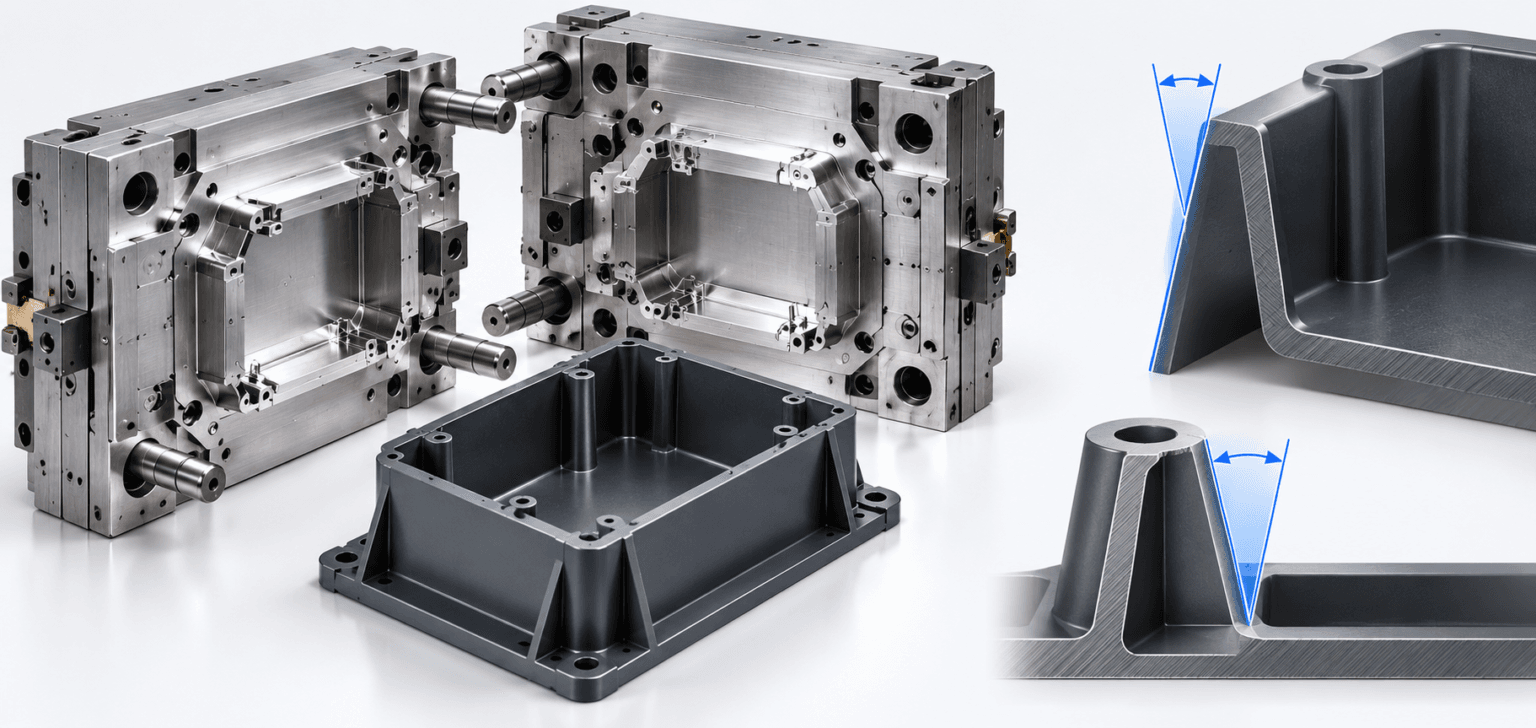
Draft Angle in Injection Mold Design: Improving Part Quality, Ejection and Tooling Efficiency
Discover how draft angles affect injection mold design, part ejection, surface texture, dimensional accuracy, ribs, bosses and long-term tooling performance.
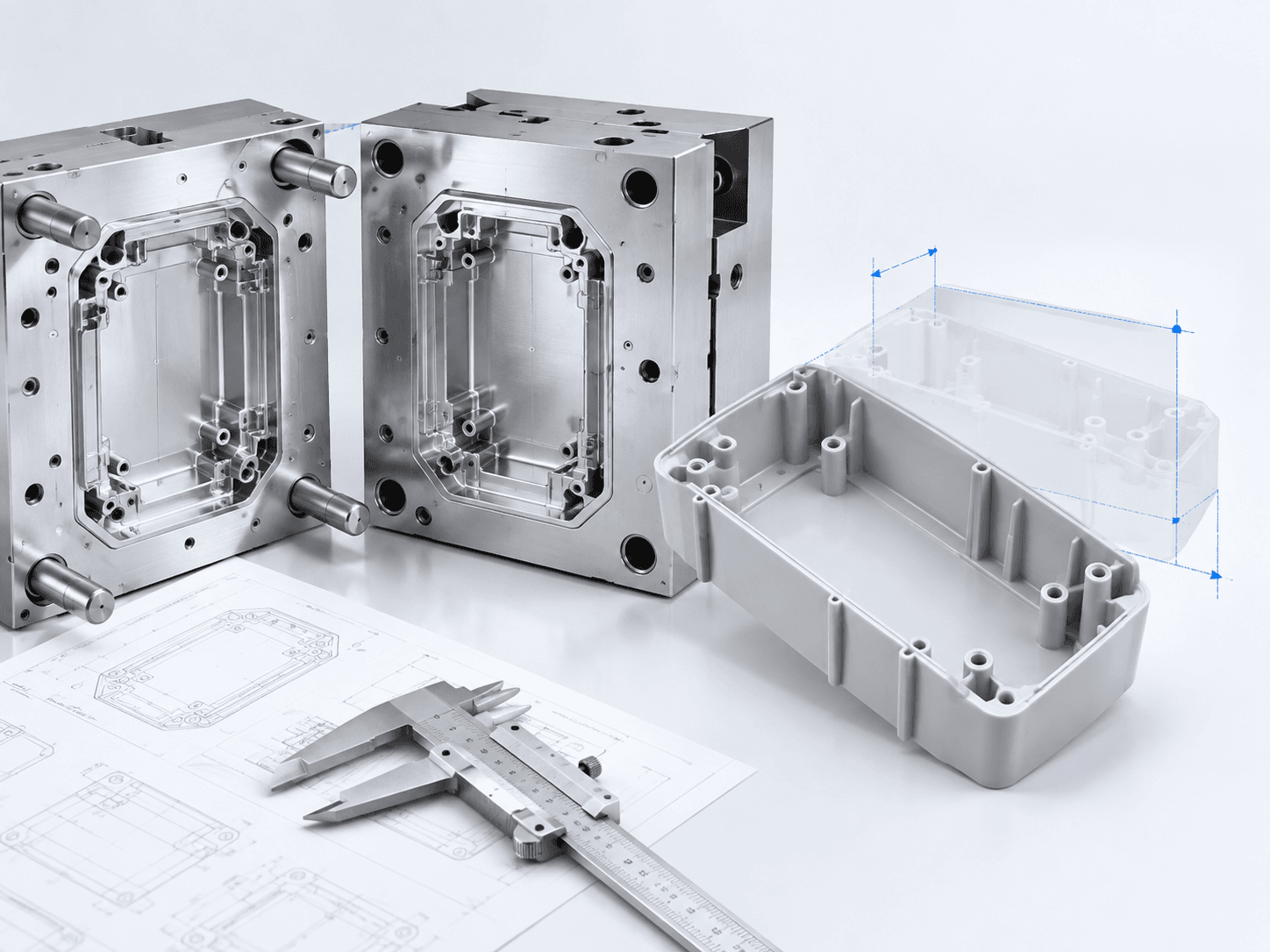
Injection Molding Shrinkage: How to Control Part Dimensions from Mold Design to Production
Learn how injection molding shrinkage affects mold dimensions, tolerances and warpage, and how material, gate design, packing, cooling and mold trials help control final plastic part dimensions.
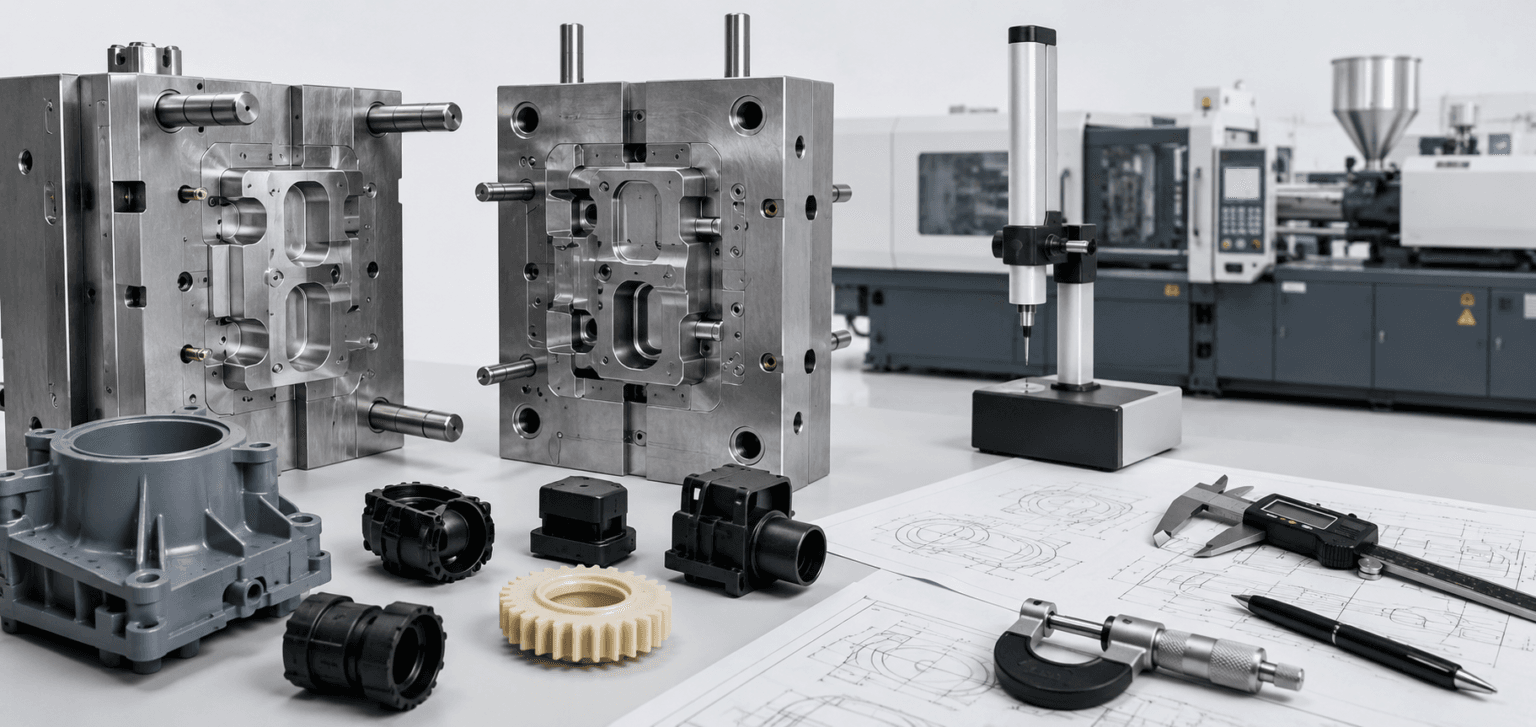
How to Choose the Right Injection Molding Supplier: A Practical Buyer’s Guide
Learn how to choose a reliable injection molding supplier by evaluating DFM capability, mold manufacturing, materials, quality control, production capacity, pricing, mold maintenance and technical communication.
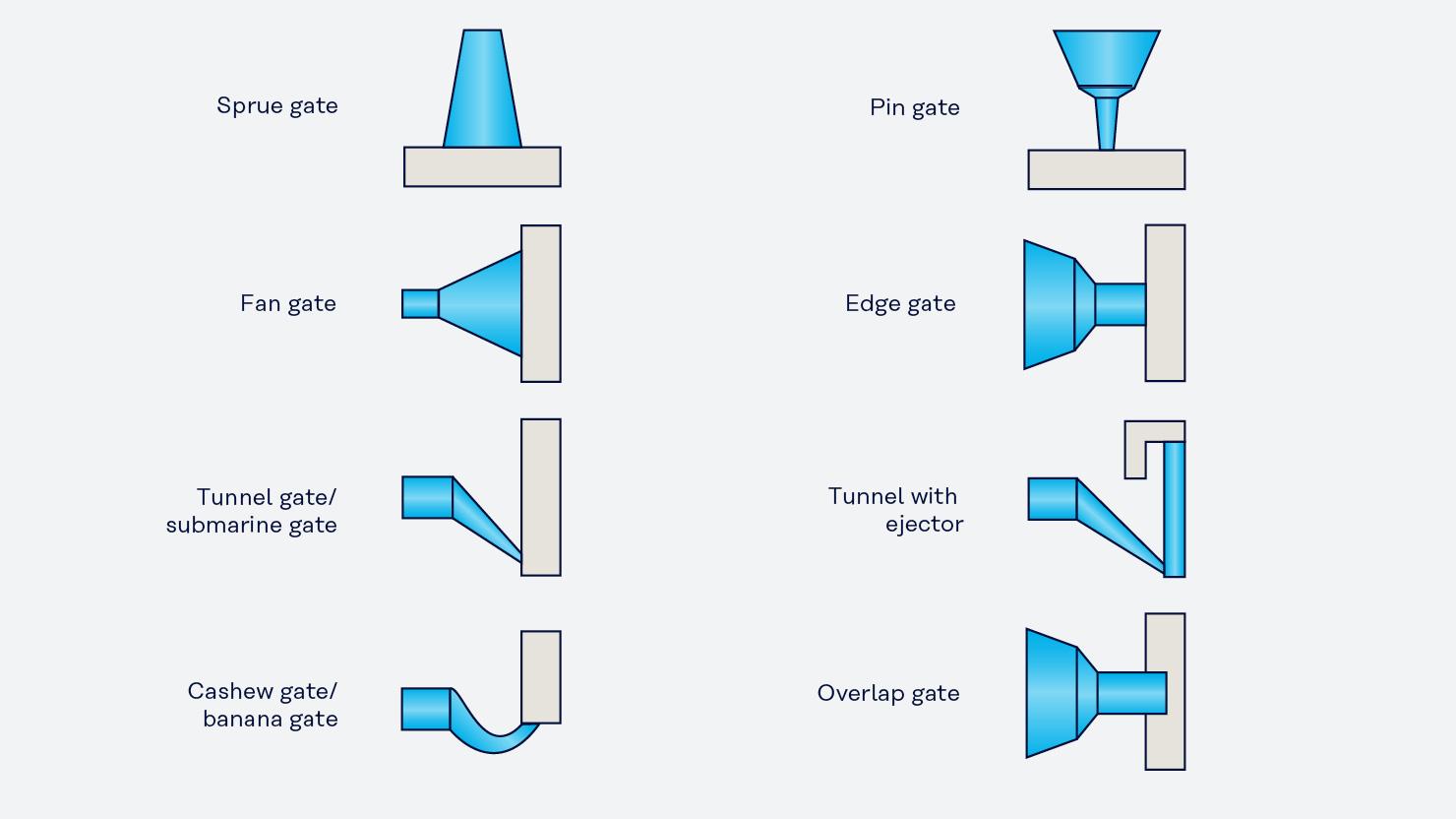
Plastic Injection Molding Gate Types: Selection, Design Principles, Advantages, and Applications
Gate design is one of the most critical aspects of plastic injection mold engineering. Although the gate is usually the smallest feature in the runner system, it has a significant influence on melt flow, packing pressure, cooling efficiency, part appearance, cycle time, and overall product quality.
A poorly designed gate can cause numerous molding defects, including short shots, sink marks, weld lines, jetting, burn marks, excessive gate vestige, and part warpage. Conversely, selecting the appropriate gate type and location helps ensure balanced filling, consistent dimensional accuracy, and efficient production.
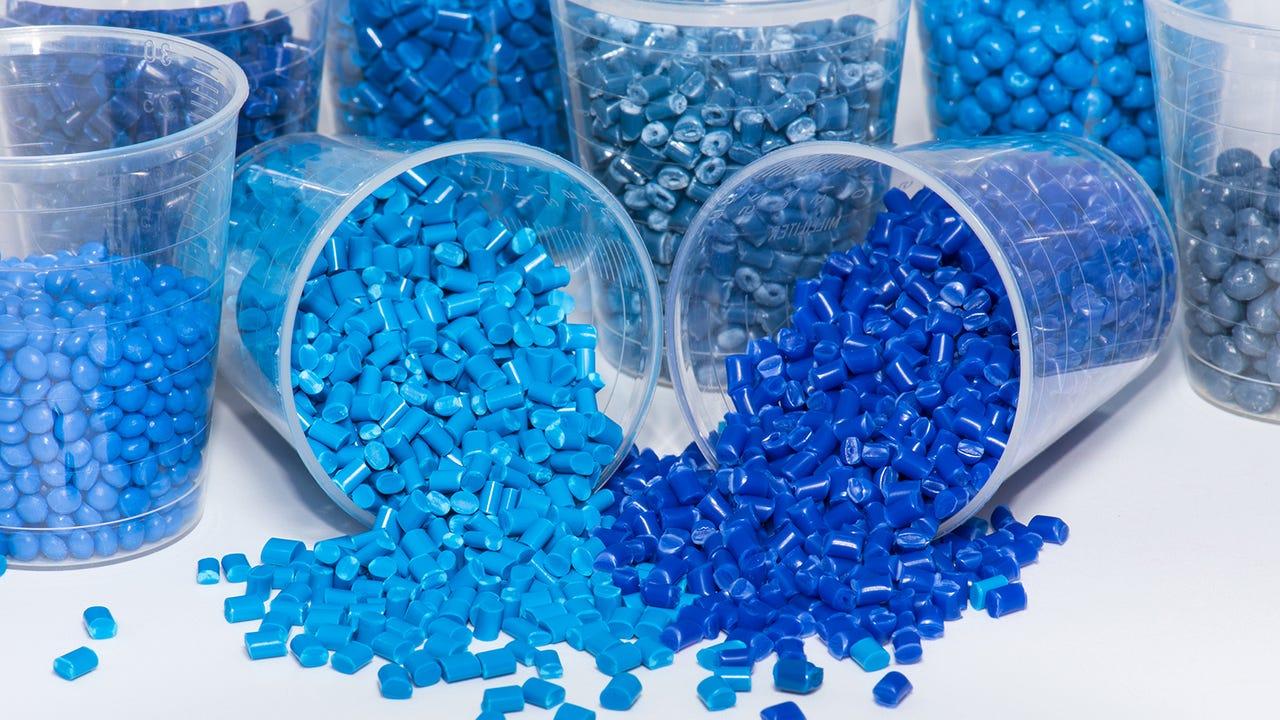
Polypropylene (PP) Materials: Types, Grades, Properties, and Applications
Polypropylene (PP) is one of the world’s most widely used thermoplastics, accounting for a significant share of global plastic production. Thanks to its excellent balance of mechanical properties, chemical resistance, lightweight characteristics, and cost-effectiveness, PP has become the preferred material for countless injection molded products across automotive, household, medical, packaging, electrical, and industrial applications.
Modern polypropylene is available in many different grades and formulations. Manufacturers can choose from homopolymer PP, random copolymer PP, impact copolymer PP, glass fiber reinforced PP, mineral-filled PP, flame-retardant PP, UV-stabilized PP, and food-grade PP depending on product requirements.
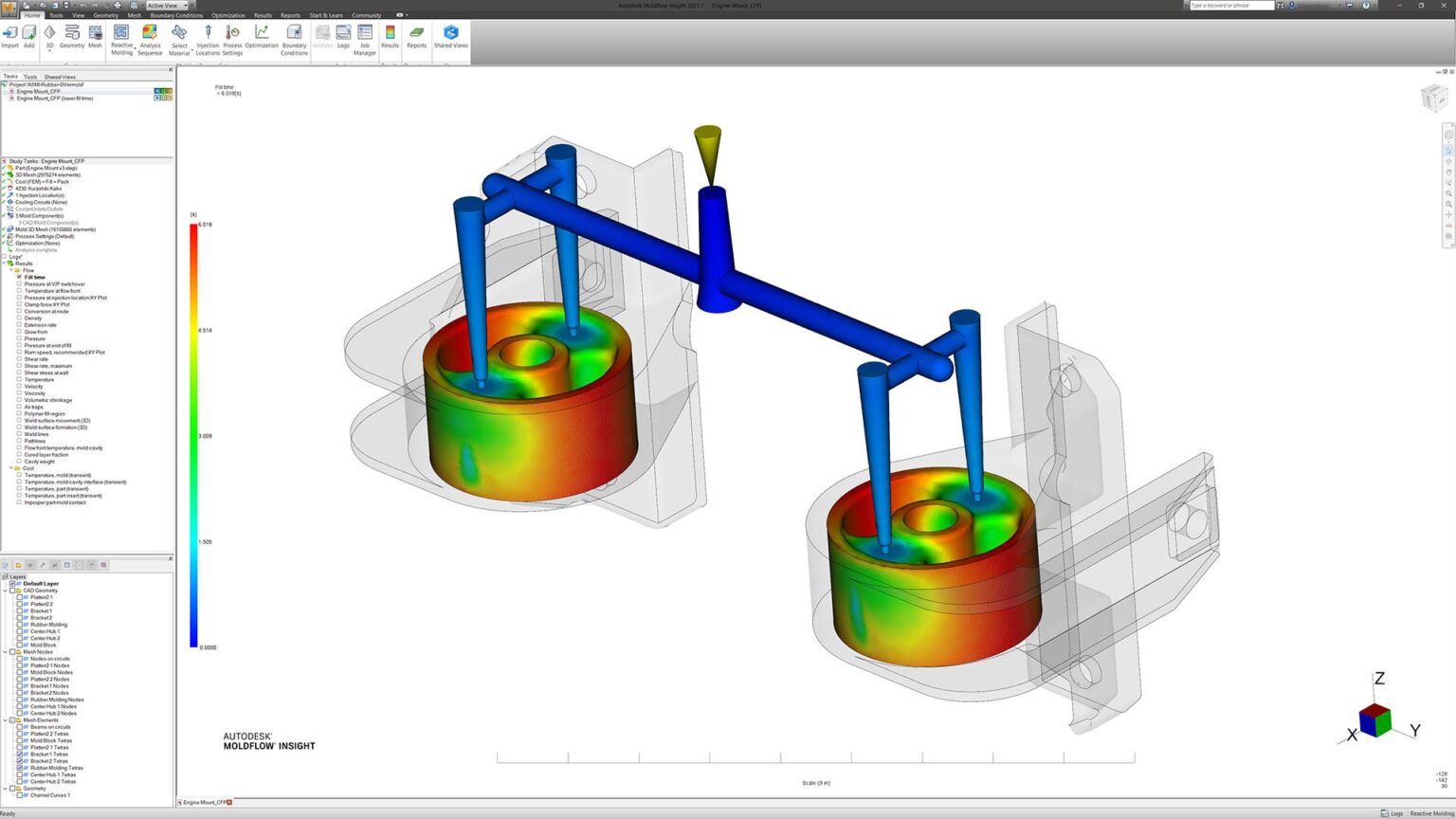
Injection Mold Flow Analysis: A Complete Guide to Moldflow Simulation for Plastic Parts
In modern plastic product development, mold manufacturing is no longer based solely on engineering experience. Computer-Aided Engineering (CAE) has become an essential part of the injection molding process, enabling engineers to predict potential molding defects before a mold is manufactured. Among these technologies, Injection Mold Flow Analysis, often referred to as Moldflow Analysis, is one of the most valuable engineering tools for reducing development risks, shortening lead times, and improving part quality.
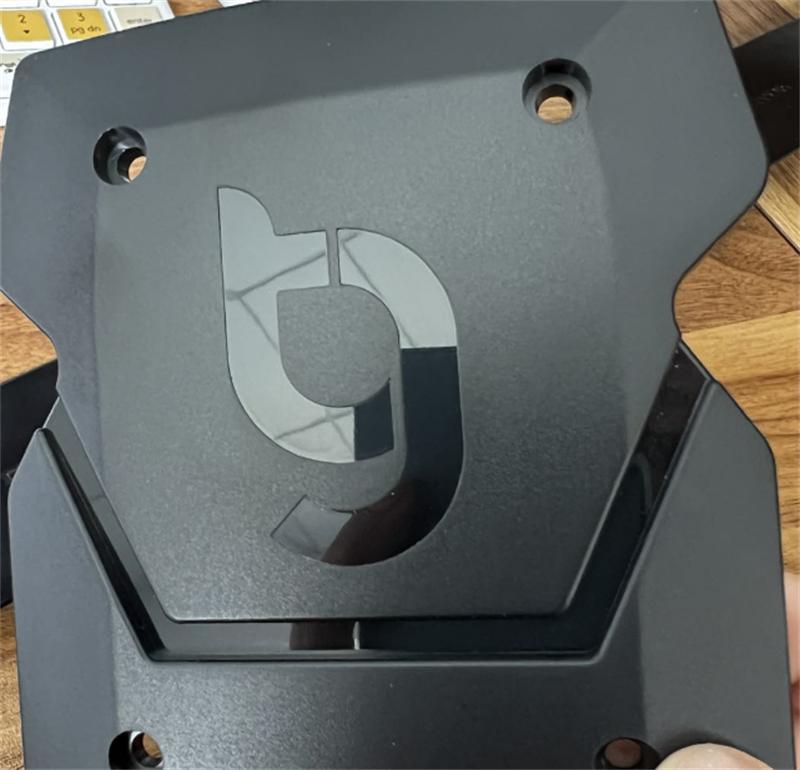
Injection Molded Logos: A Complete Guide to Logo Design, Manufacturing Methods, and Best Practices for Plastic Parts
Brand identity is one of the most valuable assets for any company. Whether manufacturing consumer electronics, medical devices, automotive components, industrial equipment, or outdoor products, displaying a professional logo on a product enhances brand recognition, builds customer confidence, and differentiates products in a competitive market.