
บทนำ

เอกลักษณ์ของแบรนด์คือหนึ่งในทรัพย์สินที่มีค่าที่สุดสำหรับทุกบริษัท ไม่ว่าจะผลิตสินค้าอิเล็กทรอนิกส์สำหรับผู้บริโภค, อุปกรณ์ทางการแพทย์, ชิ้นส่วนยานยนต์, อุปกรณ์อุตสาหกรรม หรือผลิตภัณฑ์กลางแจ้ง การแสดงโลโก้ที่เป็นมืออาชีพบนผลิตภัณฑ์จะช่วยเสริม การจดจำแบรนด์, สร้างความมั่นใจให้กับลูกค้า และสร้างความแตกต่างให้กับผลิตภัณฑ์ในตลาดที่มีการแข่งขันสูง.

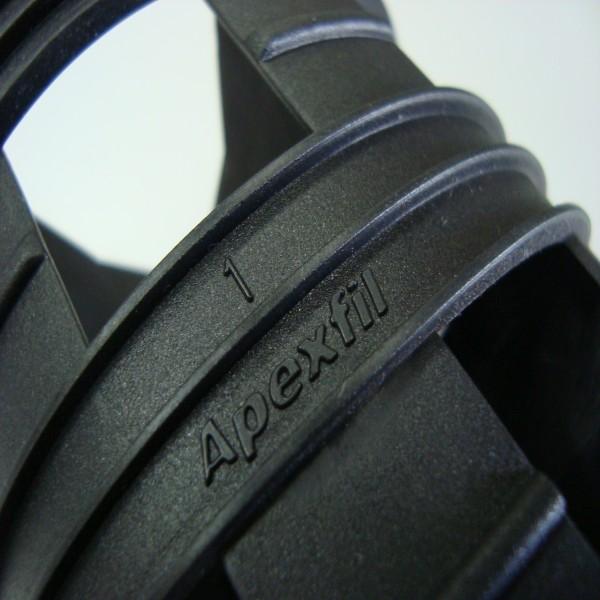
For plastic products, logos can be integrated directly into the injection molding process instead of being applied afterward using stickers or labels. This approach produces permanent branding that cannot peel, fade, or wear away under normal operating conditions.

However, designing a molded logo is more complex than simply placing artwork onto a CAD model. Factors such as draft angle, text size, mold machining accuracy, surface texture, plastic shrinkage, and manufacturing tolerances all influence the final appearance.

A poorly designed logo may become unreadable, trap plastic during molding, create ejection problems, or significantly increase mold manufacturing costs. Conversely, a well-designed molded logo enhances product appearance while maintaining excellent manufacturability and long-term durability.

At Samgo, logo integration is reviewed during the Design for Manufacturability (DFM) stage. Our engineers evaluate logo geometry, location, mold machining methods, surface finishes, and production feasibility before mold manufacturing begins. This proactive approach ensures that every logo is crisp, durable, and easy to manufacture.

This guide explains the most common methods for creating logos on injection molded parts, compares their advantages and limitations, and provides practical design recommendations for engineers, product designers, and OEM buyers.


Why Add Logos to Injection Molded Plastic Parts?

A logo is much more than a decorative feature. It communicates product origin, reinforces brand identity, and provides permanent product identification throughout the product’s life cycle.

Unlike adhesive labels or printed decals, molded logos become part of the plastic component itself. This provides exceptional durability while eliminating secondary assembly operations.

ประโยชน์หลัก

  • Permanent branding
  • No adhesive failure
  • Excellent wear resistance
  • Consistent appearance
  • Reduced secondary processing
  • Lower long-term production costs
  • Professional product presentation

Injection molded logos are particularly valuable for products exposed to outdoor environments, chemicals, moisture, or frequent handling where labels or printed graphics may deteriorate.


Common Applications

อุตสาหกรรมTypical Logo PurposePreferred Method
สินค้าอิเล็กทรอนิกส์สำหรับผู้บริโภคBrand identityEmbossed or laser engraved
ยานยนต์Part identificationDebossed
Medical DevicesTraceabilityLaser engraving
Industrial EquipmentCompany logoEmbossed
Outdoor ProductsWeather-resistant brandingEmbossed or debossed
Home AppliancesDecorative brandingEmbossed

Common Logo Manufacturing Methods

Different products require different logo manufacturing techniques depending on production volume, cosmetic requirements, durability, and budget.

The most widely used methods include:

  • Embossed Logo
  • Debossed Logo
  • Laser Engraving
  • Pad Printing
  • Screen Printing
  • In-Mold Labeling (IML)

Each method offers unique advantages and should be selected according to the product’s intended application.


Logo Manufacturing Comparison

MethodความทนทานInitial Tooling CostUnit Production CostBest For
Embossed Logo★★★★★LowVery Lowสินค้าอุปโภคบริโภค
Debossed Logo★★★★★LowVery LowIndustrial equipment
Laser Engraving★★★★★None on moldปานกลางMedical and electronics
Pad Printing★★★☆☆LowปานกลางMulti-color branding
Screen Printing★★★☆☆LowปานกลางFlat surfaces
In-Mold Labeling (IML)★★★★★สูงปานกลางPremium consumer products

For high-volume production, embossed and debossed logos are generally the most economical because they are created directly during the molding process without additional manufacturing steps.

Embossed Logos

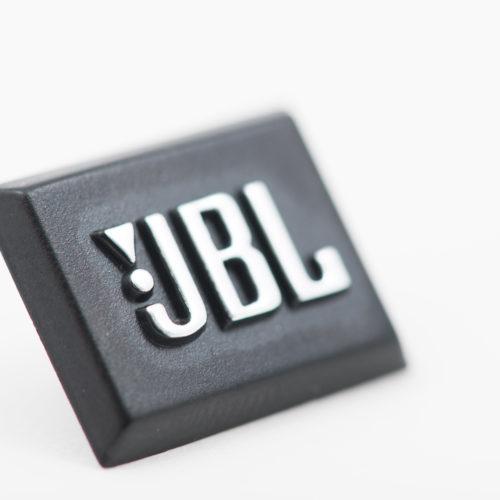
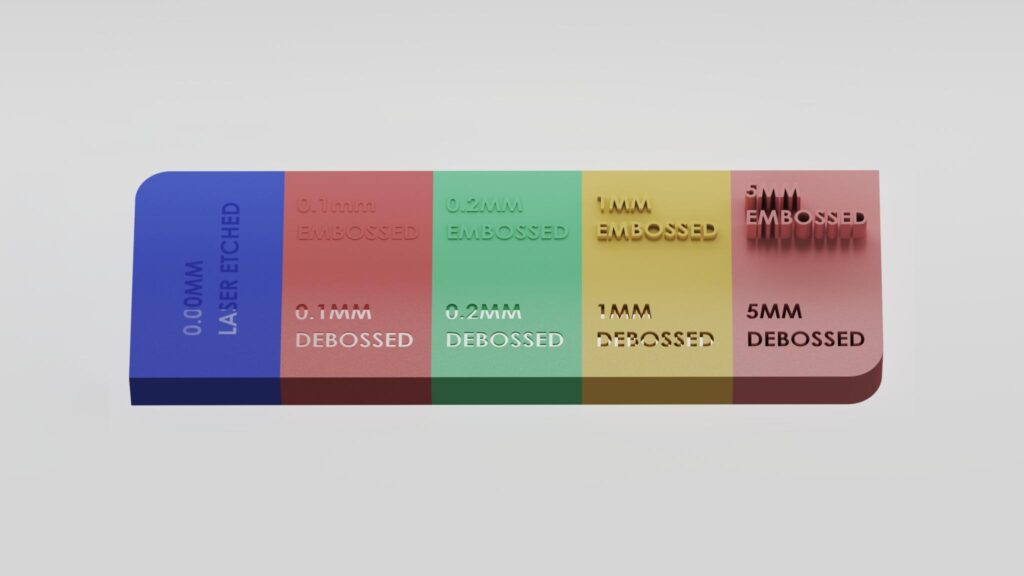
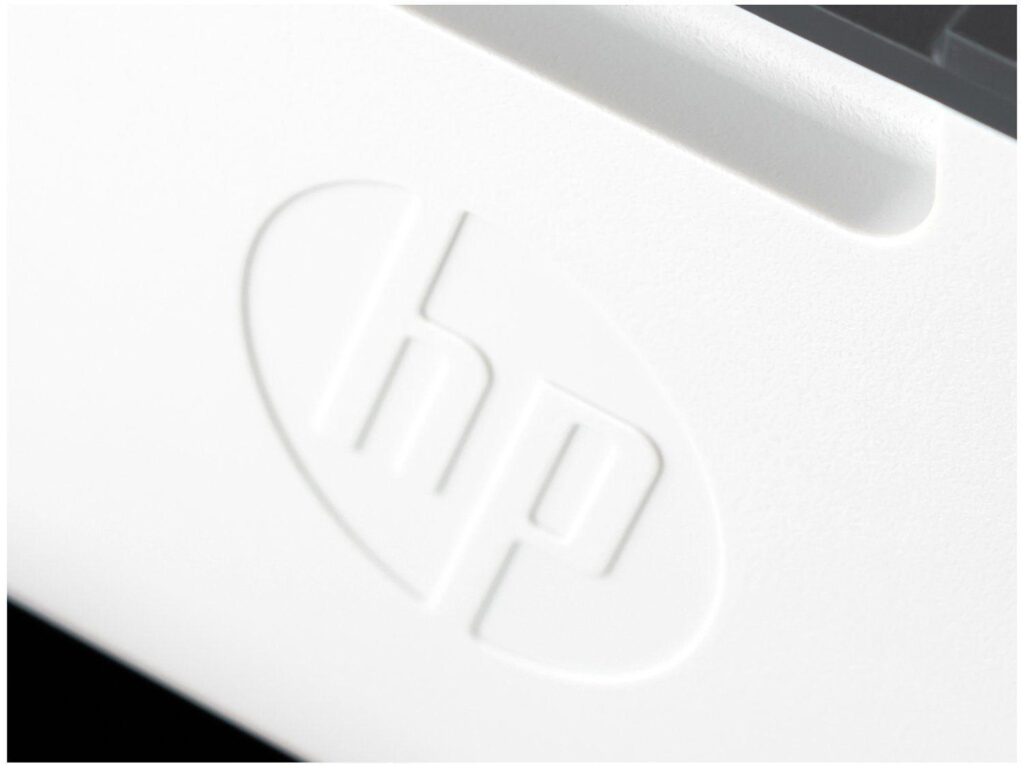
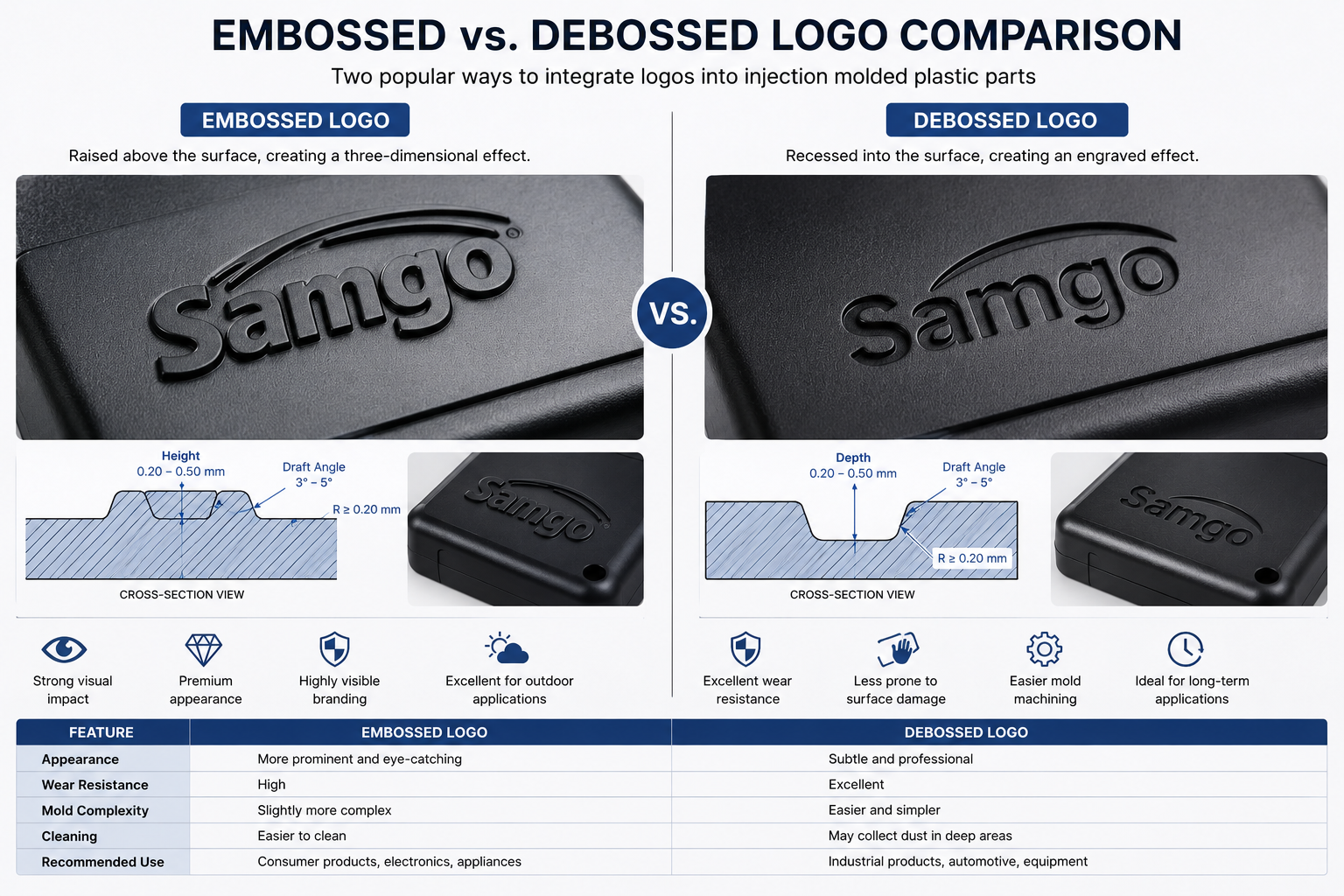
An embossed logo protrudes above the surface of the plastic part, creating a strong three-dimensional appearance. This is one of the most popular logo styles for consumer electronics, outdoor products, and home appliances because it provides excellent visual impact while remaining permanently integrated into the product.

Advantages

  • รูปลักษณ์ระดับพรีเมียม
  • Strong brand visibility
  • No secondary processing
  • Excellent durability
  • Suitable for textured surfaces
  • Ideal for outdoor applications

Recommended Design Parameters

พารามิเตอร์ค่าที่แนะนำ
Logo Height0.20–0.50 mm
มุมถอดแบบ3°–5°
Corner Radius≥0.20 mm
Minimum Letter Height≥1.50 mm
Minimum Stroke Width≥0.25 mm

Providing sufficient draft is particularly important because the raised geometry increases contact between the logo and the mold during ejection. Without proper draft, the logo may scratch or become damaged over time.

ส่งคำถาม

Debossed Logos

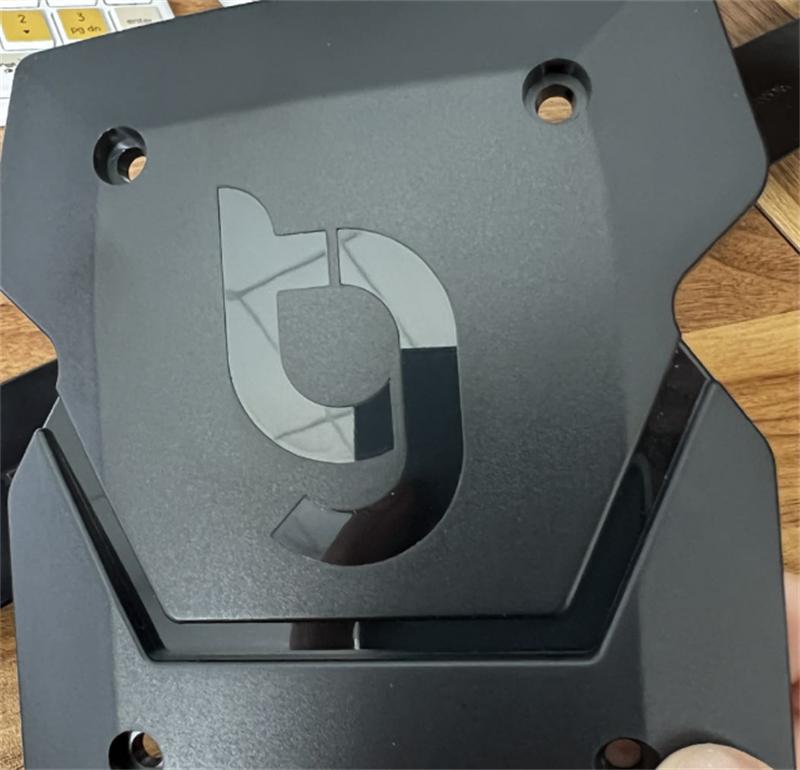
A debossed logo is recessed below the product surface. Rather than projecting outward, the logo is engraved into the mold cavity so that the molded plastic forms an indented design.

Debossed logos are commonly used for industrial products because they resist abrasion exceptionally well and remain readable even after years of use.

Advantages

  • Excellent wear resistance
  • Easier mold machining
  • Minimal risk of surface damage
  • Professional appearance
  • Suitable for textured molds
  • Long service life

Compared with embossed logos, debossed designs generally require less polishing and are easier to maintain during mold production.


Embossed vs. Debossed Comparison

ฟีเจอร์EmbossedDebossed
Visual Impactยอดเยี่ยมModerate
ความต้านทานการสึกหรอสูงยอดเยี่ยม
Mold ManufacturingSlightly More ComplexEasier
CleaningEasierMay collect dust in deep recesses
Outdoor Performanceยอดเยี่ยมยอดเยี่ยม
Recommended ApplicationsConsumer ProductsIndustrial & Automotive

Design Guidelines for Molded Logos

Although logos appear simple, they should always be reviewed during the DFM stage. Small details such as text height, stroke width, spacing, and draft angles can significantly influence mold manufacturability and final appearance.

Best Practice Recommendations

  • Use clean vector artwork (AI, DXF, or STEP).
  • Avoid extremely fine text and decorative fonts.
  • Maintain uniform logo depth or height.
  • Add sufficient draft to all raised or recessed features.
  • Avoid placing logos directly over ribs, bosses, or ejector pin locations.
  • Ensure the logo remains visible after applying mold texture.

Careful planning at the design stage reduces machining complexity, shortens mold manufacturing time, and improves the quality of the finished product.

Laser Engraving: High-Precision Permanent Marking

Laser engraving has become one of the most popular methods for adding logos, serial numbers, QR codes, and traceability information to injection molded plastic parts. Unlike embossed or debossed logos, laser engraving is performed after molding using a focused laser beam that removes or alters the surface of the plastic.

Laser engraving is especially suitable for products requiring variable information, such as serial numbers, production dates, barcodes, or individualized branding.

Advantages of Laser Engraving

  • Permanent and wear-resistant
  • High precision for small text
  • No mold modification required
  • Supports serial numbers and QR codes
  • Suitable for automated production

Limitations

  • Requires laser-compatible materials
  • Additional processing step after molding
  • Higher production cost than molded logos

Laser Engraving Applications

อุตสาหกรรมแอปพลิเคชันทั่วไป
Medical DevicesUDI codes, serial numbers
สินค้าอิเล็กทรอนิกส์สำหรับผู้บริโภคBrand logo, product model
ยานยนต์Component identification
Industrial EquipmentAsset tracking
Smart DevicesQR codes and traceability
https://images.openai.com/static-rsc-4/BndLzkymgZ5LZkaA_1kJBkgv-Y4LFW-XxYwQYdVhO0OX4-uZ-Jit78IapI6_QL9WzQCugkAtXhuC-4MFc6uaTq1Rr-OYf3DLAETMhmWoPeLxzvG6UdP5rBaov-a6BMNfrd3NNwO8JvRkqkv-aTyfVvjsOnKjIxAJal7XT5XEo_rkOBwGXw00tsg-_VqB_4Sp?purpose=fullsizehttps://images.openai.com/static-rsc-4/FXVnnKrBQiy8U5TPR_9kaEvOAc_Tn6pUBCG5T5Hq0pByrTfLpz2YtmzpcEKHz-qLkGnvLtEjSicJ0Lv_RUEXyLod9JrtQZTk6XXskYcmXDNjTCRUfTMkKHY3B5zaf5jr7JalHJgCAmBvYTFLs_ZObJrjoMpMLgMiBT1s7okgL934RK1jGRwLoWQOkXli8KNV?purpose=fullsize
https://images.openai.com/static-rsc-4/XIiM_olgBgqUUV80r3l7GAr47TAgMsdRL-Dj-JWsxJKF6RKmsN3sdcVtmvncxVvOydUjhWQdq993pNLkKO18PdGP135VyMEr-uY6TFpNLxPpB2uLnnL5B5XXtceWxLsWznN4-1-eA2YgJYAoo3Rn7RHQsju3UKpb4ihXvKhd-b1NeA4h-NvAo5QEdzgbfJEF?purpose=fullsize

Pad Printing and Screen Printing

When colorful logos or detailed graphics are required, printing remains an economical solution.

Pad Printing

Pad printing transfers ink from an etched plate to the product using a silicone pad.

It is ideal for:

  • Curved surfaces
  • Small logos
  • Multi-color graphics
  • สินค้าอิเล็กทรอนิกส์สำหรับผู้บริโภค

Screen Printing

Screen printing is commonly used for flat plastic components with larger logos or symbols.

ผลิตภัณฑ์ทั่วไปประกอบด้วย:

  • แผงควบคุมเครื่องใช้ไฟฟ้า
  • Electrical enclosures
  • Instrument panels
  • Industrial equipment

Printing Method Comparison

ฟีเจอร์Pad PrintingScreen Printing
Curved Surfacesยอดเยี่ยมจำกัด
Flat Surfacesดียอดเยี่ยม
Multi-color Printingยอดเยี่ยมดี
ความทนทานปานกลางปานกลาง
Production Speedสูงสูง
https://images.openai.com/static-rsc-4/l1qSeaoPObo4cvmBNcxxDXSKCMrjAzBWXQ8eFfRKKrwMvUWKuWytosV3iqLFzn1Y-AlDV7S_PSua2cYbaI1Hh03ZKPy5NT85kqBojMHA-1OEXgLpHk84JEWEjekN0bUrUntqbmmbssMxuR84xC3EET6QxYfor39yni5CptfydvpXlnKADTNlaP5w8_0lWkod?purpose=fullsizehttps://images.openai.com/static-rsc-4/snoq_np3Dun8LHZkoE_aZFwLSW5_a-6G_xwPB5NebznoPUr7ROUaqXkGW4qGZZ62DDvgUPWH3q2Cb8tZOAp1h2om1Ud1NmXwMPPt5kCpn3nZ88vBsu29gmOm2giEbAfoenX4evheX_IkmqTxpWQvuar5hNG-OOly7qdeOwijWR0nyItQvJws76g-DoekSZjv?purpose=fullsize
https://images.openai.com/static-rsc-4/0Ap0ifl_mTHzRj7M4JS8hWmIMxWa6Q-aGLJXR2K1pILXF-pMbbKrXsLTN0KcHytYNddWFf-WH1dVwecKVCQ3oN6SXAQt9BE95q3gqrKSuxQKn9CLVuJMeAU1WVH0TO1FzWgyYVKNB9E4h7EfrS4kXChLFZXwA1Kpj4g_hERkzECDRnYRsIRHZiW1wFzngKqF?purpose=fullsize

In-Mold Labeling (IML)

In-Mold Labeling (IML) integrates a pre-printed decorative film directly into the injection molding process. During molding, the label bonds permanently with the molten plastic, producing a highly durable decorative surface.

Unlike conventional printing, IML provides:

  • ความต้านทานต่อรอยขีดข่วน
  • ความต้านทานต่อสารเคมี
  • ทนต่อรังสี UV
  • รูปลักษณ์ระดับพรีเมียม
  • Full-color graphics

IML is commonly used in premium consumer products, home appliances, packaging, and automotive interiors.


IML Advantages

ฟีเจอร์ประโยชน์
Full-color graphicsรูปลักษณ์ยอดเยี่ยม
High durabilityLong service life
No peelingPermanent decoration
ทนต่อรังสี UVSuitable for outdoor use
ความต้านทานต่อรอยขีดข่วนPremium quality
https://images.openai.com/static-rsc-4/UIxCgiQRRXf_UjGXn3lpF2q5v1XZk-GoZJFKjh2E5xoXLV05m_GCLm_H4ey60WhT--2j3lEFAT_Zul0LbVtgEgD1s0UhjUq4iHZJJXyDkQnl4R09OmWksIfKBnTBlPUche9yMhS9UKWZQ5Uwy5aKeFRKdHwajI-gbehvwROktPjXelv_SWDA_pd3bwz2GQvN?purpose=fullsizehttps://images.openai.com/static-rsc-4/WOGjkVmo5Q0BkgHhxJoXfD0fxHHEmHXFyyvHEuPJ29eNWtgvuT03p7juxyq0Vn_DlmzopV7j3d4BBCFoYvpcEVDGCKfSd4Ova-V4yscf-rZB8GxUn_x_ZIG23n4v4QXhNSjZZ3jStQ0bLBoW3SveZCcJURZCRgivHJSUJYDKMcw8Cb4wR9XyhpZ56chbCacJ?purpose=fullsizehttps://images.openai.com/static-rsc-4/1s2mHggkf9nQaUVdOudQS-5sIfSiBnyhMcs0OwJr56XEhmauq2OuolSJ7suh8p5OY4Xs5QPYXluP60SqPACidlMbMqhQdHS35FbsNkMOtIk50Ce_4oUrZTLlLfqFCgSYpCGyuP5q50gV_VfczNQnJVO5uNvJsHq7eysAvWvi9oee4kSjzLo6WbpYQViq5Tm7?purpose=fullsize

Surface Texture and Logo Visibility

Surface texture plays an important role in how a molded logo is perceived.

For textured products, the logo must be designed together with the mold texture to maintain readability.

Common Mold Textures

Texture TypeLogo Visibility
Mirror Polishยอดเยี่ยม
Fine Texture (MT)Very Good
Medium Textureดี
Heavy TextureModerate
Leather TextureModerate

A practical recommendation is to keep logos polished while applying texture to the surrounding surface. This creates a natural contrast and improves visual recognition.

https://images.openai.com/static-rsc-4/kumok35SnJDiZqW1cjUXPGesNonQThN947nY8r7oIjsHq_3-qdZ0bB79S7n_yrW6k8SNTCfMiv--JXE0rK5oEh9ZLmMvb4JQXFCpRU6ayMgsyRe6O173klQPQro6fTT7TZ_wcL2HrQx-pox9elJzHOvmR14PTnGrNbIq5XgA3hAjyxQkX3fxPZCkLr2CuitS?purpose=fullsizehttps://images.openai.com/static-rsc-4/sJxV1zPZC0phfXz4qnWM7Jt5qs85Iw_ggw7b6EaSpeYuTjPPh3Vk8r8brf7bq63heJxta1RFoMvjefsjcAa9cGijlMPNEOjSxZHXdy7A97Ai3NgY65ChII7voYjVX5-SWm-pmA5zCEKIbyFMsCyELgpKBNoK9szi-Ragzh5WSHPRXPqEUwBYYc0ejooGx9DX?purpose=fullsizehttps://images.openai.com/static-rsc-4/pCTMsYCWdi1VI3DIU8q6cFnBMBCujIPTHV9MpZvruOVpQRDQlauc4JmuLUX36ligDwn9RPvKg6gjhoZtlAE6RcR_namI8avCaGxJ43ZlwbuQmMxiFUbD5HssCch8CaWQJkbYlGwmFr9aiIMw33k-S9gGFgf43s38R-vJQ79LoLQYisLbF-ZMWbyrU7xMMUYU?purpose=fullsize

Best Practices for Logo Placement

Logo placement affects not only aesthetics but also moldability and production consistency.

Recommended Locations

  • Large flat surfaces
  • Cosmetic exterior faces
  • Areas away from gates
  • Areas free from ejector pin marks
  • Regions with uniform wall thickness

Avoid

  • Weld line locations
  • Parting lines
  • Thin ribs
  • Deep recesses
  • Areas near sliders or lifters

Proper placement minimizes cosmetic defects while maintaining clear brand visibility.


Placement Checklist

คำแนะนำEngineering Reason
Flat areaBetter readability
Away from gateCleaner appearance
Avoid ejector pinsNo visible marks
ความหนาของผนังเท่ากันการเติมเต็มที่ดีกว่า
Proper draftแกะแบบง่าย
https://images.openai.com/static-rsc-4/1eZ3IaNf5EhDnzQbXEOrV-Aa6WJ3JkBQumSylbkjIoJ5_BCVoETp_7tVG7IJbPJo7sQ9HQDRyQMOerONnzoF7gz9dDENpKB9zNp6VapEZZrtR7MSxZuJ9FTIKe2JonTd_LqjDkSafT2siKwt8VHwAP7B4ulruicZ23tRlu5tNPH85WO00I7rfyVutodVxsTy?purpose=fullsize
https://images.openai.com/static-rsc-4/GKixVZPBoxqakXbYQi6R-fS2o9ar9aspE6h3k_eK6M1GDHrNs7jjxTcpC-Wdd0eWkw2b_5U-BuzdC72p_5X4vyefWMRg8qrCrudCl5Mx9LRYLrueZSWZ__5tX2t0Kw59_cfZSAUFeTyLMGainCLWG4eB7Q21pX6mVN2p36auVvOChHoHpQQQHwMjrqBQDdNB?purpose=fullsize
https://images.openai.com/static-rsc-4/PFiEP0tw3lffJ_xbDwadEGJNQjIct0VxIr8wSvt468463oih2TMpMBdC0MdlByCP28zaXzbZ-UP0FChP4x9S4Juj47mmFoeKxgdYQfdauDb6B9OfQoWmMrfG0Su85v1ZpbKDETch2EzNKd5DWWjJhb_mCqbGjQhnc0AFnPVIm2j3HO2ft8lJBtMkC9AnterS?purpose=fullsize

Manufacturing Workflow for Molded Logos

At Samgo, logo production follows a standardized engineering process to ensure accuracy and repeatability.

ขั้นตอนการทำงานทั่วไป

  1. Customer provides AI, DXF, or STEP logo files.
  2. Engineering team performs DFM review.
  3. Logo geometry is optimized.
  4. Mold insert is machined using CNC or EDM.
  5. Mold surface is polished or textured.
  6. T1 mold trial is completed.
  7. Sample approval.
  8. Mass production begins.

This workflow minimizes tooling modifications and ensures consistent logo quality across production batches.

https://images.openai.com/static-rsc-4/7jfvhfOTYgXnbWE3bvQEGmViSabKwz60F1I5QpwvmtGqLa8uVsKK0cZ45VJrGZ_n22FeKCH3qmf5rcUk_cmdurSh4xK3XNJInR0YVNnCynDAyDFp4FUDxkLIxUxIX_ubi3AF842aNf31-FFyonuf8iQBZPuffhGGGLwGItSd7uZNej0vArP7TEKtuDlj4ySx?purpose=fullsizehttps://images.openai.com/static-rsc-4/D9dtkJ0utNc6DUTBkWkO5t4y0raLhq09BMhT0xVTMCDL_USATR4lx84_3cJXEXExCYGBATmXwFklU2oQxrB75yvl2_ofQIu3flEzLhaaoQOG6T0DeKaOT7MH-0g8S20OHuusRGU9g9Iqv99C88JQuljrN5kmiOskh0BTHkF-sK5kG7swiaq4KkqqQ1KwrP81?purpose=fullsize

Logo Quality Inspection

Even a well-designed logo requires quality verification before mass production.

Inspection Items

Inspection Itemมาตรฐาน
Letter clarityNo deformation
Surface finishNo scratches
Logo height/depthWithin design tolerance
Position accuracyMatches CAD drawing
แฟลชNone visible
รอยยุบNot allowed

For high-end consumer products, logo appearance is often inspected under standardized lighting conditions to ensure consistency.

https://images.openai.com/static-rsc-4/SfUSqtveio40FDnopwzZC0T9w2hR6kpifsLk-_UBxjl49NoCLTmN70SKTL5iDxNIoeSfG8BKK67WYMO7xG2Cl7P3WX_QnhmIRwVN3yqHKNi8pCwdK5oDxGtL1I8_ncsHE7gzIiVLc4U8HI9V9pdbZ8zh5ZX-aTvY6nQIuZSNYZV8Qw1LSOFO5I1xgxYQuxQA?purpose=fullsizehttps://images.openai.com/static-rsc-4/TVdgFVU0T5Lcs1VuDrHts-Dp63vMWu_RVQfGFQDxgDAr5k_h_goPU-SpBCBegdb33sn5XiDfLS1qfhsitH0J2EzhuwCWzmJPH6bW-GpKsRLOm6dn9gFOhCSsulthw-h75dT-gfbyQG2kTrmrrz7Tr5BUK_JqcWxUu_PTfy38RfTrzpYxKAZAh5ltsOg18YgY?purpose=fullsize

ทำไมต้องเลือก Samgo

Creating a professional molded logo requires more than engraving text into steel. It demands a thorough understanding of mold design, plastic flow, machining precision, and product aesthetics.

At Samgo, we provide complete engineering support to ensure every logo is both visually attractive and easy to manufacture.

ความสามารถของเรา

บริการประโยชน์ที่ลูกค้าได้รับ
Logo Design Reviewปรับปรุงความสามารถในการผลิต
การวิเคราะห์เพื่อการผลิต (DFM)ลดความเสี่ยงด้านเครื่องมือ
Precision CNC & EDM EngravingHigh-definition logos
รา Texturingรูปลักษณ์ระดับพรีเมียม
การฉีดขึ้นรูปพลาสติกการผลิตที่เสถียร
การตรวจสอบคุณภาพConsistent logo quality

Whether you need a subtle debossed logo for industrial equipment or a premium embossed logo for consumer electronics, our engineering team can recommend the most suitable solution for your application.


คำถามที่พบบ่อย

Which logo type is best for injection molded plastic parts?

Embossed and debossed logos are the most durable because they are integrated directly into the molded part and require no secondary processing.

What is the recommended height for an embossed logo?

For most applications, a height of 0.2–0.5 mm with a 3–5° draft angle provides a good balance between visibility and manufacturability.

Can very small text be molded?

Yes, but lettering should generally be at least 1.5 mm high with a minimum stroke width of 0.25 mm to ensure consistent mold machining and plastic filling.

Which logo method is best for outdoor products?

Embossed or debossed molded logos are recommended because they provide excellent UV resistance, weather resistance, and long-term durability without peeling or fading.


บทสรุป

Choosing the right logo manufacturing method is an important part of plastic product design. From embossed and debossed logos to laser engraving, pad printing, and in-mold labeling, each technique offers unique advantages depending on the product’s function, appearance requirements, and production volume.

By considering factors such as draft angle, logo size, surface texture, placement, and machining precision during the design stage, manufacturers can create logos that not only strengthen brand identity but also improve manufacturability and long-term durability.

At Samgo, we integrate logo engineering into every stage of product development—from DFM analysis and mold design to precision machining and mass production—helping customers achieve high-quality, professional branding on every injection molded component.