
Introducción
El moldeo por inyección de plástico es uno de los procesos de fabricación más rentables para producir componentes de plástico de alto volumen. Sin embargo, muchas empresas creen erróneamente que reducir los costos de producción significa simplemente seleccionar materiales más baratos o moldes de menor costo. En realidad, la reducción exitosa de costos requiere un enfoque de ingeniería integral que optimice el diseño del producto, la construcción del molde, la selección de materiales, los procesos de fabricación y el control de calidad.
For OEM manufacturers, product designers, and procurement teams, balancing quality with manufacturing cost is one of the most important challenges during product development. Small improvements made during the design stage can significantly reduce tooling investment, shorten production cycles, minimize material waste, and improve long-term manufacturing efficiency.
This article explores practical engineering strategies for reducing injection molding costs without sacrificing product quality or performance.
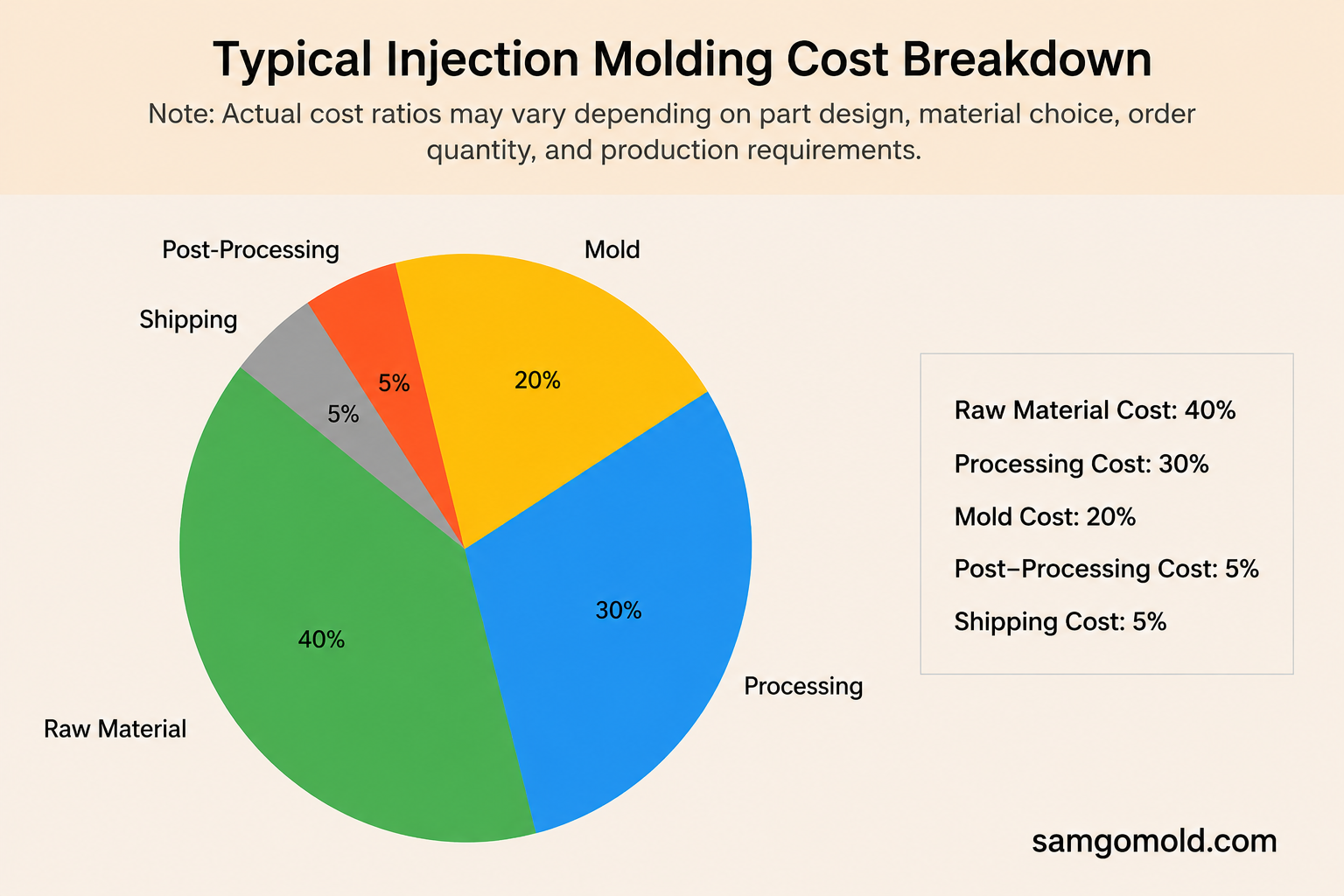
Where Do Injection Molding Costs Come From?
Understanding the cost structure is the first step toward optimization.
Typical Cost Breakdown
| Cost Category | Typical Percentage |
|---|---|
| Fabricación de moldes | 25–40% |
| Plastic Material | 20–35% |
| Machine Time | 15–25% |
| Labor | 5–10% |
| Secondary Operations | 5–10% |
| Packaging & Logistics | 5–10% |
Reducing costs requires optimizing several of these areas simultaneously rather than focusing on only one factor.
Optimize Product Design Early
Nearly 70% of manufacturing costs are determined during the product design phase.
Design Recommendations
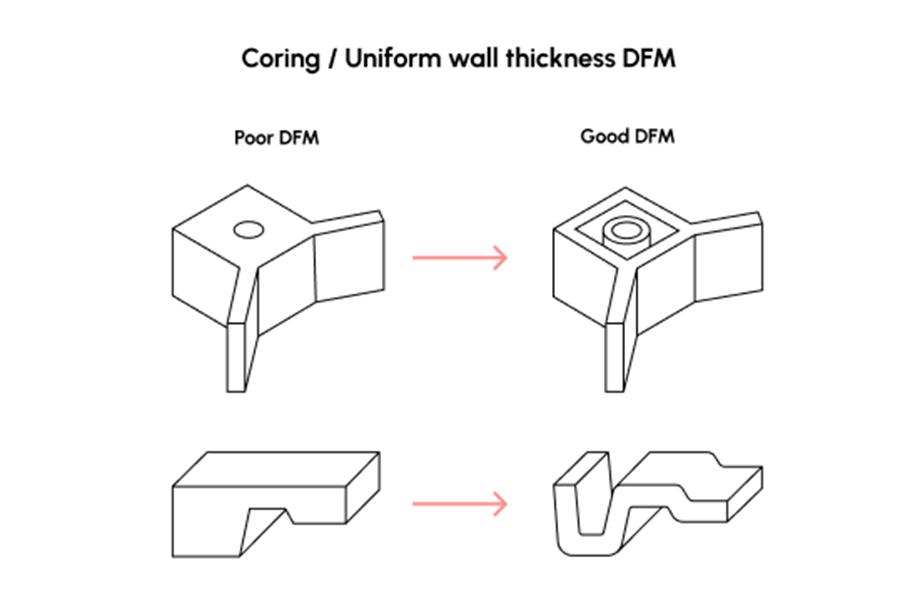
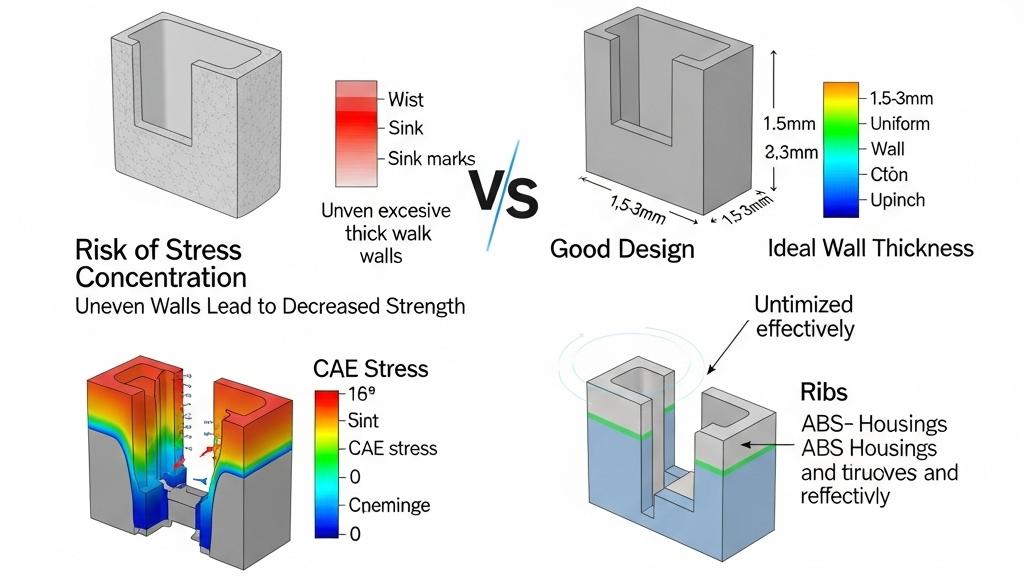
- Maintain uniform wall thickness
- Avoid unnecessary undercuts
- Reduce excessive ribs
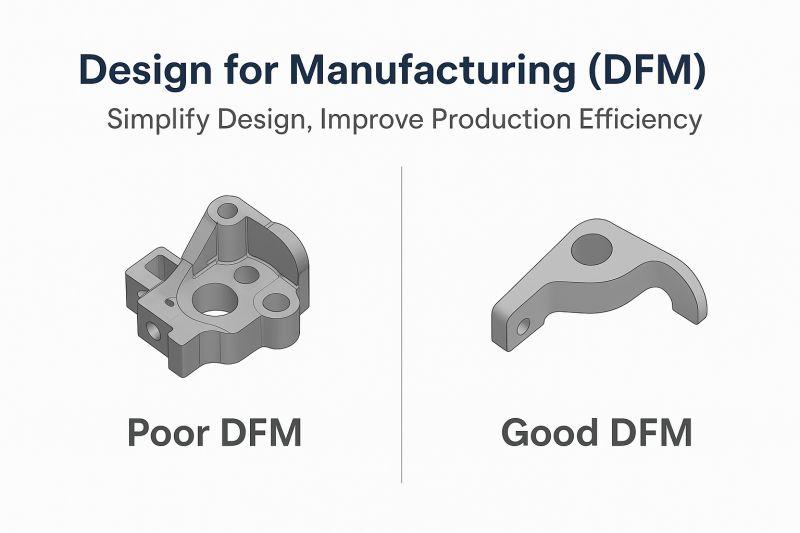
- Simplify part geometry
- Use snap-fit assemblies instead of screws where appropriate
- Design for automatic ejection
Proper Design for Manufacturability (DFM) minimizes machining complexity and improves production efficiency
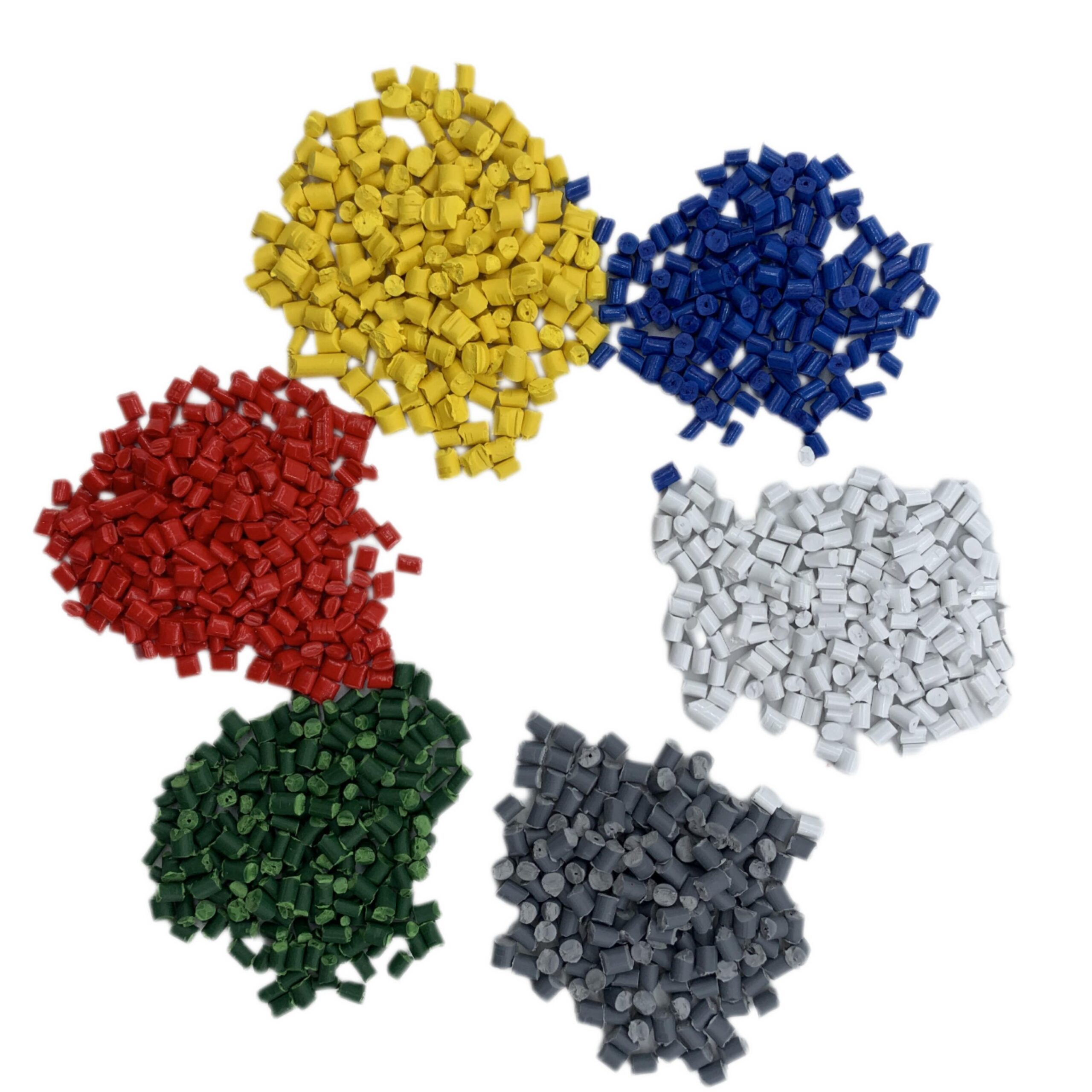
Select the Right Plastic Material
Choosing the correct material can reduce both production costs and long-term warranty expenses.
Material Comparison
| Material | Costo | Strength | Uso en exteriores |
| PP | Bajo | Moderado | Bueno |
| ABS | Mediano | Bueno | Indoor |
| PC | Alto | Excelente | Excelente |
| ASA | Alto | Excelente | Outdoor |
| PA66 GF30 | Alto | Muy alto | Industrial |
Using an over-specified material often increases cost without improving product performance.
Optimize Mold Design
A well-designed mold reduces production cost throughout its entire service life.
Mold Optimization Tips
- Balanced runner systems
- Efficient cooling channels
- Proper gate location
- High-quality venting
- Appropriate steel selection
Mold Steel Comparison
| Steel | Mold Life | Aplicación típica |
| P20 | Mediano | General products |
| 718H | Alto | Productos de consumo |
| NAK80 | Alto | Cosmetic parts |
| S136 | Muy alto | Medical & Optical |
Although premium mold steel costs more initially, it often lowers the cost per molded part over the life of the mold.
Reduce Cycle Time
Cycle time directly affects production cost.
Reducing each molding cycle by just a few seconds can generate significant savings over millions of parts.
Factors Affecting Cycle Time
- Cooling efficiency
- Mold temperature
- Part thickness
- Resin characteristics
- Machine performance
Investing in optimized cooling channels often provides one of the fastest returns on investment.
Minimize Secondary Operations
Whenever possible, integrate features directly into the molded part.
Los ejemplos incluyen:
- Snap fits
- Living hinges
- Molded threads
- Logos
- Textures
- Assembly clips
This reduces:
- Labor costs
- Assembly time
- Quality variation
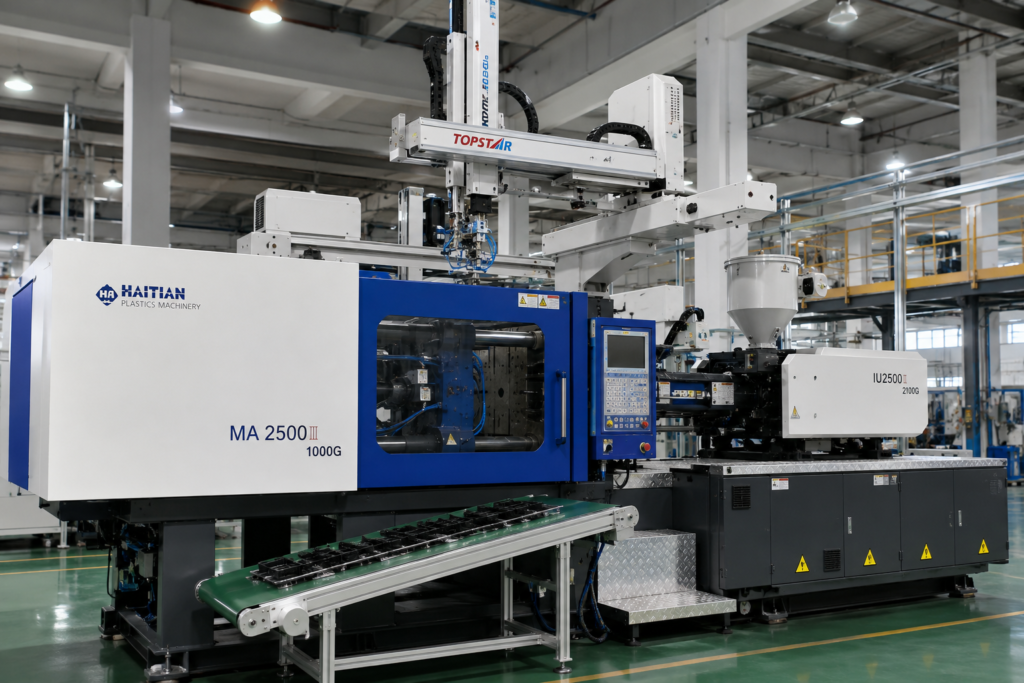
Improve Production Automation
Modern factories use automation to improve consistency and reduce labor costs.
Los ejemplos incluyen:
- Robotic part removal
- Vision inspection
- Automated packaging
- Conveyor systems
Automation also minimizes handling damage and improves production stability.
Avoid Common Costly Mistakes
Typical Design Issues
| Mistake | Cost Impact |
| Thick walls | Longer cooling time |
| Excessive undercuts | Additional sliders |
| Mala ubicación de la puerta | Cosmetic defects |
| Inadequate draft | Difficult ejection |
| Over-engineering | Higher tooling cost |
Reviewing designs with experienced mold engineers before tooling begins can prevent these problems.
Work with an Experienced Injection Mold Manufacturer
An experienced supplier contributes far more than mold fabrication.
Professional engineering teams provide:
- Product optimization
- DFM reports
- Moldflow analysis
- Tooling recommendations
- Material guidance
- Process optimization
This collaborative approach often saves much more than negotiating a lower mold price.
¿Por qué elegir Samgo?
Samgo helps customers reduce manufacturing costs through:
✓ Product Design Optimization
✓ Professional DFM Analysis
✓ Moldflow Simulation
✓ Precision Mold Manufacturing
✓ Automated Injection Molding
✓ Stable Quality Control
Our engineering-first approach ensures every project achieves the best balance between quality, efficiency, and manufacturing cost.
Conclusión
Reducing injection molding costs is not about sacrificing quality—it is about making smarter engineering decisions throughout the product development process. By optimizing product design, selecting appropriate materials, improving mold construction, reducing cycle time, and leveraging automation, manufacturers can significantly lower production costs while maintaining excellent product performance.
Partnering with an experienced injection mold manufacturer from the earliest design stage enables companies to identify cost-saving opportunities before production begins. This proactive approach leads to shorter lead times, fewer engineering changes, more efficient manufacturing, and better long-term value.
For businesses seeking reliable, cost-effective plastic injection molding solutions, investing in engineering expertise is one of the most effective ways to maximize return on investment while delivering high-quality products to the market.